
Building 34, No. 535 Shunfeng Road, Hangzhou, Zhejiang, China
[email protected]


Deep water culture hydroponic kits assist growers by maintaining plant roots in water with air stones that provide a powerful oxygen flow. Being deep water culture hydroponic kits, they keep roots wet and assist plants in taking in food quickly, resulting in rapid growth and robust health. Many growers like deep water culture because it is a good fit for leafy greens and herbs. For the best results, growers desire stable water temperature, strong pumps, and convenient, easy-to-clean buckets. The remainder details significant kit attributes.
DWC hydroponic kits merge efficiency, sustainability, and precision in a modular and straightforward system. Each kit places plant roots directly in nutrient water that is oxygen-rich, encouraging vigorous growth and reliable production. For the pros out there, knowing what each piece does and how they interact is the secret to optimizing plant health, energy efficiency, and productivity.
DWC hydroponics requires steady, precise control of some key variables to power plant health, yield, and resource efficiency. A careful balance of nutrients, water temperature, oxygen, and pH means plants can express their full genetic potential while maintaining sustainability and operational consistency. Thanks to DWC’s recirculating design, you will save up to 90% of water over soil methods, while your plants can grow up to 50% faster than in soil. Trusted monitoring, routine maintenance, and surgical strikes are the heart of professional DWC stewardship.
A good nutrient solution is the lifeblood of DWC success. Each crop has certain macro (N, P, K, Ca, Mg, S) and micro (Fe, Mn, Zn, Cu, Mo, B) nutrient requirements that vary with growth stage. Use a diluted nutrient mix for seedlings, and then increase concentrations as the plants age to accommodate higher nutrient absorption rates. Use trustworthy digital meters to monitor EC and keep nutrients within the target ranges for each phase. Maintain change logs to identify trends, debug problems, and tune future runs. Smart monitoring systems simplify this process by automating much of it, delivering 24/7 data and real-time alerts when deviations occur.
Maintaining water in the 18°C to 24°C (65°F to 75°F) range is crucial. If it is too cold, roots stall. If it is too hot, oxygen dips, causing stress or infection. In hot climates, chillers or coolers, and in cold ones, heaters or tank insulation assist in stabilizing conditions. Constant observation prevents those harsh swings that can shock nutrient uptake and damage roots. With temperature controllers for seasonal extremes, basic and smart, your plants will always enjoy an optimal root zone.
Oxygen drives healthy root growth in DWC. The reservoir requires dissolved oxygen over 6 mg/L to avoid root rot and encourage nutrient uptake. Use air pumps and air stones to keep water aerated, spacing them to reach all roots. Check oxygen levels frequently, particularly if water temperatures increase. For premium grows, a backup pump or secondary aeration system provides peace of mind against mechanical failure, keeping roots oxygenated and thriving.
By maintaining pH between 5.5 and 6.5, you’ll keep nutrients available for uptake and reduce your risk of deficiencies or toxicity. Frequent pH checks with trusted meters or kits are the key, adjusted little by little with pH up or down solutions as necessary. Sudden shifts stress your plants, so adjust pH gradually and record every modification. Weekly pH checks and logs make everything more consistent and contribute to wiser management of future crops.
DWC hydroponic kits provide an express lane to robust plant growth. They pose persistent challenges that demand diligent attention. The usual suspects are water quality, root health, algae, and nutrient lockout. By understanding these, operators can take early action, maintaining systems productive and sustainable.
Do’s and Don’ts of DWC Maintenance:
Root health is a fundamental tenet in DWC victory. Roots require oxygen-rich water, and air stones or diffusers maintain dissolved oxygen above 6 mg/L. This helps avoid root rot and promotes nutrient absorption. Weekly brown or slimy root inspections catch disease early. Healthy roots are white, and dark or mushy roots indicate a problem. Water temperature should never rise above 24°C, as higher values encourage pathogens like Pythium.
Or you can add beneficial microbes as inoculants to crowd out pathogens and help nutrient absorption. Don’t let nutrient solution become stale; change it every 1 to 2 weeks. Overwatering is rare in DWC, but nutrient buildup does occur if concentration isn’t regularly monitored. Have a trusted EC meter close at hand and base your adjustments around plant age. Seedlings require less and mature plants require more.
Algae love it when light hits the nutrient solution. It’s best practice to use opaque reservoirs and cover all exposed water surfaces with lids or blackout material. A small light leak will cause algae blooms. Cleaning all system parts, particularly air stones and tubing, on a biweekly basis minimizes the opportunity for algae spores to establish themselves.
Good bacteria can outcompete algae for nutrients if it gets consistent conditions. If algae show up, cut off infected parts, scrub clean, and change out the nutrient solution. Always rinse components with clean water. Steer clear of hydrogen peroxide unless absolutely necessary because it burns roots and beneficial microbes.
Lockout frequently presents as leaf yellowing and poor growth or burnt leaf tips. It occurs when pH swings out of range or salts build up. Spend money on a good pH meter and test every day, adding adjustments as necessary to remain within a range of 5.5 to 6.5. If lockout does happen, flush the system out with clean, pH-balanced water for 24 to 48 hours. Resume feeding at a lower EC and then build up as the plants recover.
Test your EC and pH regularly, especially after supplementing new water or nutrients. Don’t mix nutrient brands unless you know they’re compatible. Record any problems and fixes to create a troubleshooting log. This aids trend detection and makes you more reactive in future turns of the wheel.
DWC hydroponic kits are transforming the economics of indoor growing. The economics of such systems are dictated by initial investments, operating costs, and operating profitability. Knowing these numbers is crucial for growers who are targeting high yields, energy savings, and a killer ROI.
There is planning and capital involved in starting a DWC system. The headline expenses encompass the kit itself — reservoirs, net cups, air pumps, air stones, and occasionally lighting. DWC kits price vary a lot, from €100 for small home kits to over €10,000 for commercial setups. Big systems require custom-built ponds, polyethylene liners and high-capacity aeration. Budget-wise, DWC can be constructed from low-cost materials such as lumber and sheeting. You’ll still need core components such as water pumps and meters to measure EC, pH, and DO that can run between €500 and €1,500.
Start-up implies allocating dollars for flow-quality meters, back-up pumps and water filtration. Contingency planning is crucial. Unexpected costs crop up, like replacing worn parts or upgrading to better aeration if yields stall. Growers need to plan these to avoid expensive downtime.
| Cost Category | Typical Range | Notes |
|---|---|---|
| Kit/Materials | €100–€10,000+ | Varies by scale and quality of components |
| Water Quality Meters | €500–€1,500 | EC, pH, DO meters are essential |
| Setup Labor | €200–€2,000 | DIY or professional install |
| Contingency | 10% of total cost | For pump failures, leaks, or upgrades |
Energy in DWC is dominated by pumps, lighting and climate control. Efficient air and water pumps can save 20 to 30 percent on monthly bills. To trim operating expenses, look for machines with variable speed motors and LED lighting. A checklist for energy savings includes using timers for pumps, choosing high-efficiency lights, insulating tanks, and automating climate control. Some growers deploy solar panels or other renewables to power portions of their system, reducing expenses and increasing sustainability. The ROI compounds when these savings combine with increased yields. DWC can deliver 30 to 50 percent more yield than soil, making the additional energy investment pay off for high-value crops.
Recurring costs accumulate and must be accounted for. Every month, growers pay for nutrient solutions, electricity, water, and routine maintenance. Nutrient brands range widely in price and quality, so try some brand tests to find what’s most cost-effective. Water use is lower than soil farming, as DWC recirculates water, reducing waste and bills. Monthly solution changes are required to prevent salt buildup, resulting in increased continuing nutrient and water costs. Older pumps and air stones must be replaced every year or two, and seasonal changes, such as higher summer cooling costs, should be factored into budgets. Valuable crops can compensate for these expenses, but diligent tracking is essential.
Scaling from small deep water culture kits to a hydroponics greenhouse requires a plan in line with your crop goals and the market. Everything has to operate efficiently in the system, from space utilization to water and nutrients for growth and profit. Modularity allows farms to start small and scale as demand grows. Checking water quality and plant health on a regular basis becomes more important as systems get larger, and efficient climate control can make or break a greenhouse’s ability to keep production steady year-round.
A clever design maximizes every inch of space without impeding access to plants. We set the rows with sufficient space for workers and equipment, but just close enough to jam in a few more units. For example, many growers turn to vertical systems, stacking trays or towers, to increase output in the same footprint. This is critical in cities or locations where land is expensive. For the root zones, soilless media such as perlite, clay pebbles or rockwool provide solid support and assist in aeration and drainage.
Lighting, ventilation, and irrigation must be tuned to the crop’s needs in different seasons. Account for consistent lighting that provides every plant sufficient energy, be it LED fixtures or direct sun in a properly sited greenhouse. Air movement from fans keeps humidity and temperature in check, preventing mold or rot. Nutrient solution reservoirs and pipes should be arranged so employees can monitor EC or TDS levels quickly and replace water once a week, as recommended.
For large greenhouses, NFT systems are a popular choice. These employ shallow trays and a pump to pass a thin stream of nutrient-rich water by roots. They are easy to clean and keep working without any muss. Good waterproof materials like UV-stable plastics and galvanized metal have longevity and endure heat, cold, and water.
Because hydroponic plants require steady heat and humidity to grow steadily, the climate control systems are very important. Heaters, fans, and coolers all manage to keep things just right as the seasons change. While certain crops require cool root zones during summer, others might need heat in winter. Prepare for both with insulation and cooling units.
Automated sensors can monitor temperature and humidity. Adjustments are fast and simple, helping to keep plants stress free. Yakeclimate’s commercial dehumidifiers reduce excess moisture, minimizing the risk of fungal outbreaks and keeping energy consumption low.
Check on your greenhouse frequently. If heat or humidity rises, nip it quickly with control changes. Set climate plans for every crop phase, as seedlings could require different air and root temperatures than adults.
Workflows need to be slick to keep labor cheap and plants thriving. Batch tasks such as seeding, transplanting, and cleaning so workers can accomplish more in less time. Train everyone how to identify issues, utilize the technology, and manage systems securely.
Tech tools automate tasks like feeding, checking EC or TDS, and watering. This translates to less hands-on time and fewer errors. Still, manual scouting is required, and you should scout a minimum of 25% of the crop for pests and root rot. Aphids, for example, like to arrive first in a single location, so an early attack stops them from migrating.
Every few months, review how tasks are completed and identify where to eliminate steps or alter the flow through the greenhouse. Adjust the system to save time and maintain output.
Automating your DWC operation automates your hydroponic workflow, reducing labor and maintaining growth momentum for your plants. With the proper technology, growers can monitor water levels, pH, and nutrients, three elements that frequently determine the well-being and productivity of crops. Automation decreases fertilizer use by as much as 70 percent through precision delivery and enables sustainability initiatives by reducing waste and energy consumption. This is particularly important when utilizing cutting-edge equipment like Yakeclimate’s precision dehumidifiers to manage humidity, thereby avoiding problems like root rot and maintaining a consistent oxygen level.
With sensors, it becomes simple to monitor key variables in real time. Good pH meters, water temperature probes, and nutrient EC meters provide ongoing feedback on the system’s status. These sensors can notify you when a reading moves beyond the range, so you can quickly address problems before small issues become catastrophes. Checking reservoir water levels every day is important. Sensors handle this task and keep solution depth consistent, which is vital information for plants. New sensor models add improved precision and robustness, minimizing the likelihood of erroneous readings and downtime. This data can be used to identify patterns, tweak parameters, and make sure your system stays in peak condition.
| Dosing System Type | Features | Pros | Cons |
|---|---|---|---|
| Peristaltic Pump | Precise, programmable dosing | Fine control, less waste | Higher upfront cost |
| Gravity-fed Drip | Simple, low-maintenance | Budget-friendly, easy to set up | Less precise, clogs possible |
| Solenoid Valve System | Automated, timer-based | Can dose multiple tanks | Needs regular checks |
Automated dosing equipment allows growers to program fertilization and nutrient mixtures for various plant stages. It provides precise nutrients when the plants require them, which reduces fertilizer usage and maintains consistent growth. You need to monitor how effective the dosing setup is and observe plant reactions. This allows you to make minor adjustments to dosing volumes or timing, which can help correct imbalances quickly. Full nutrient solution changes every one to two weeks are necessary to prevent salt buildup and noxious compounds.
LED grow lights can be integrated with the rest of the DWC system, providing plants the proper light at the proper time. Having lights on timers that mimic daylight gets the plants photosynthesizing more and therefore growing faster. Light intensity should transition as plants progress through seedling, vegetative, and flowering states. Monitoring energy consumption is clever for cost containment. LEDs are efficient, but they add up in a large setup. Some high-end units will even allow you to control and adjust lights from your phone or computer.
Deep water culture hydroponic kits provide growers an easy entry point to launch or grow clean, consistent crop production. These kits utilize constant water flow and air pumps to provide roots with constant, effortless access to nutrients and oxygen. Proper care keeps roots clean and nourishes plants to grow strong. Basic gear upgrades, such as automated pumps or sensors, reduce manual tasks and save time. With clever design, cultivators can apply these kits for both little experimental stretches or massive greenhouse mixes. Every step, from setup to harvest, provides its own lessons. For anyone prepared to increase yield and reduce waste, deep water culture presents a solution. To identify the best system and tools for your needs, contact a reliable supplier or professional.

A deep water culture hydroponic kit is a kit that allows plants to grow directly in nutrient-infused water, with roots suspended and oxygenated through the use of air pumps and stones. It is easy, effective, and works for novices and experienced cultivators.
Standard DWC kits provide a water reservoir, air pump and air stones, net pots, and growing medium. They unite these three factors and deliver water, nutrients, and oxygen to the roots of plants that can make them grow well.
Check water temperature between 18 and 22 degrees Celsius, pH between 5.5 and 6.5, and nutrient level frequently. Have good airflow and clean all the parts to prevent algae or pathogens. Stable conditions allow plants to grow stronger and healthier.
Typical DWC issues are root rot, algae, and unbalanced pH. These are avoidable through routine cleaning, adequate oxygenation, and attention to nutrients and water condition.
Indeed, DWC kits are economical since they consume less water and nutrients than conventional soil gardening. With rapid growth and abundant yields, they’re a no-brainer for home growers.
Yes, DWC systems are very scalable. You can scale by adding additional reservoirs, bigger pumps and automation to take care of more plants in a greenhouse.
These can be automated with timers, nutrient dosing pumps, and water level sensors. These innovations keep conditions stable, minimize manual labor, and promote regular plant growth.


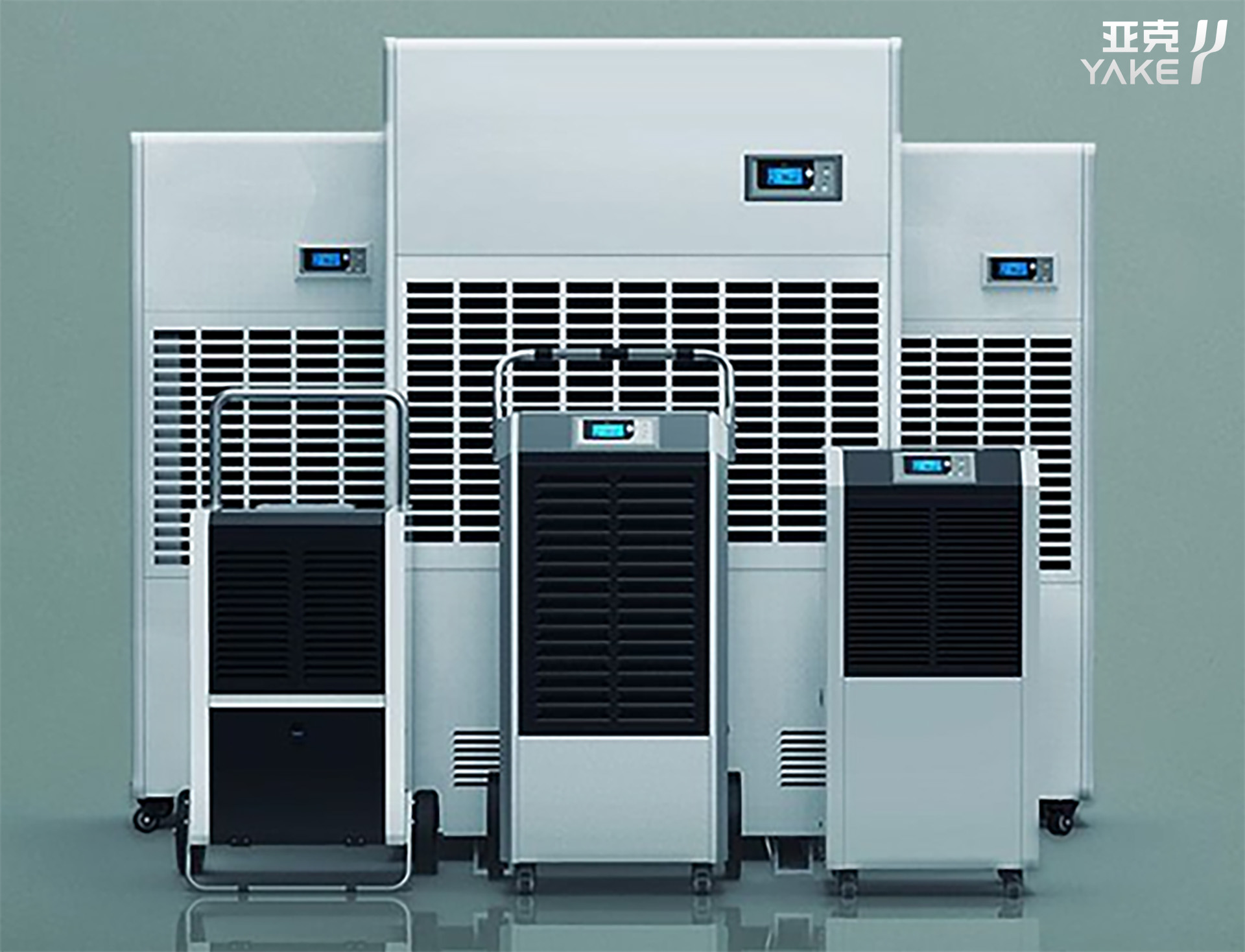
Contact us to find the best place to buy your Yakeclimate solution today!
Our experts have proven solutions to keep your humidity levels in check while keeping your energy costs low.