
Building 34, No. 535 Shunfeng Road, Hangzhou, Zhejiang, China
[email protected]


Vertical farming crops are crops cultivated in vertically stacked layers or vertically inclined surfaces within controlled indoor environments, typically through hydroponics or aeroponics. In the U.S., growers seek out leafy greens, herbs, and microgreens due to their quick growth, small space requirements and consistent yield throughout the year. Lettuce, basil, arugula and spinach are leaders here because they grow in a compact manner and are in high demand. Others spice things up a bit with the inclusion of strawberries and specialty greens. To keep crops healthy, growers use tools that control humidity, temperature and light. These specifics help establish the basis of what types of crops are best suited to vertical farms and how to select optimal configurations to suit each crop’s requirements.
Vertical farming keeps reinventing the urban food system — optimizing yield, minimizing waste and serving the demands of today’s consumer. It all comes down to crop selection that aligns with market demand, growth necessities and operational efficiency. Profitable crops, in other words, are ones that flourish in controlled environments, have consistent demand, and enable quick turnover. Some of the most profitable options include:
Salad staples such as lettuce and arugula have been the backbone of vertical farming since before we even knew vertical farming was a thing – over 20 years ago. With rapid growth periods, often between 18-30 days, this allows for 36 harvests annually, significantly more than field production. Leafy greens sell well year-round because of the ongoing demand for fresh salads.
Hydroponic systems contribute to space efficiency and reduce water waste. Meticulous spacing, airflow regulations and frequent nutrients monitoring maintain plants healthy, enhance taste and support uniform growth. Changing light intensity and spectrum for each type of crop is crucial to quality and yield.
The next most common crops in vertical farms are basil, cilantro, and mint. They’re fast-growing, require minimal space and there are always customers for fresh and processed products. Vertical farming allows cultivators to control lighting and humidity levels — a key component for intense flavor and aroma.
Experimenting with substrates such as rockwool or coconut coir, as we do, aids in discovering which works best for each herb. Beginning with simple herbs allows novice growers to develop ability and self-assurance, reducing initial hazards and expenses.
Strawberries and dwarf tomatoes thrive in stacked systems. Strawberries have a quick outdoor season in most places, so indoor production allows growers to provide markets year round. The opportunity to fill this void and provide improved flavor and shelf life makes them attractive to growers looking for profitable crops.
Greenhouses increase fruit size and quality. Monitoring the market trends for berries and other premium fruits keeps us focused on the types that are most profitable. Harvests from out-of-season crops generally sell for a premium price, providing a distinct advantage.
Nasturtiums, pansies — both for looks and taste. Chefs and high end grocers purchase them to use in salads, desserts, and garnish. They require meticulous light and humidity regulation to maintain bright colors and petal crispness.
Short cycles and high value per pound keep edible flowers a smart choice for small urban farms. Educating consumers on uses drives sales.
Lavender and chamomile, both selected for their health applications and good market price. Vertical farms can manage temperature, light and humidity, which further boosts potency and quality. With increasing consumer interest in herbal remedies, new sales avenues emerge for growers.
Sustainables pop out to health-conscious consumers. Medicinal crops provide an opportunity to diversify and add long-term value to vertical farms.
Cultivation science in vertical farming utilizes cutting-edge technologies and environmental manipulation to increase yields, enhance plant health, and promote sustainable food production. These techniques consume less water, less chemical, and less land than field-grown crops. Lighting, nutrient management, and climate control are all domains where today’s tools and expertise really shine. All optimized for plants, with technology like hydroponics, LED grow lights, and automation saving growers from doing grunt work and squeezing every last ounce of growth out of each square foot. Precision phenotyping and machine learning now allow growers to gather plant data, detect issues early, and customize conditions, transforming vertical farming into a genuine solution to urban food security and sustainability.
Vertical farming light recipes deploy tailored light schedules and customizable LED spectra. These LEDs are programmed for each crop’s growth stage, from seedling to harvest, with blue and red wavelengths adjusted for optimal photosynthesis. This can reduce electricity consumption by as much as 40% compared to older lighting. Recording crop response to light mixes is critical for continued refinement and helps maintain stable yields throughout the seasons.
Tuning light intensity and duration to season or crop type allows farmers to optimize the procedure. For instance, while leafy greens might require 16 hours of light a day, fruiting crops typically thrive on alternative cycles. Meticulous record-keeping on yield and quality under each recipe guides future decisions and supports evidence-based outcomes.
Precision nutrient-dosing systems such as drip irrigation or NFT hydroponics deliver plant food directly to the roots and reduce waste. Growers experiment with various nutrient concoctions to fit plant variety or growth phase, in search of maximum absorption and minimum leaching. Consistent monitoring of absorption rates allows you to identify and address issues quickly.
Employee education in nutrient management aids plant wellness and maintains consistency. SOPs, routine inspections and checks are key processes for trustworthy outcomes.
A climate control check list has air flow, temperature, humidity and carbon dioxide. Smart controllers utilize real-time sensor data to operate fans, heaters, A/C units and Yakeclimate dehumidifiers, maintaining both a stable grow zone and low energy consumption.
Regular air and water audits, plus pest and disease inspection, identify areas to optimize. Employing clear polymer panels and sustainable energy reduces the farm’s impact.
ML helps select optimal crop strains by monitoring stress signals in real time. This technology discovers plants that remain healthy in difficult conditions, resulting in improved yields.
Vertical farming’s adaptable, data-driven approach to cultivation ensures food stays local, fresh and safer.
Vertical farming reduces the distance food has to travel and liberates it from the seasonal growing cycle, but it requires significant upfront investments and reliable operational tech. Well-crafted automation, sensor networks, and data-handling tools have become the epicenter of efficient vertical farms. These systems allow them to reduce their water consumption, optimize space, and maintain production throughout the seasons.
Automated irrigation delivers consistent moisture to plants based on soil readings, leaving behind hand watering and the potential for human oversight. For example, most vertical farms in the U.S. Now use drip lines or ebb-and-flow tables with programmable timers connected to sensors, so water is only delivered when plants require it. Robotic harvesters do the picking for greens and herbs, avoiding bruising and reducing labor expenses. For instance, some cultivators employ independent arms which harvest lettuce and load trays for rinsing with minimal oversight. Automated sensors monitor temperature, humidity, and light, and relay reports back to farm managers in real time. Thanks to smart controls, growers can adjust climate settings from their phones or desktops, simplifying the process of scaling. These automations keep vertical farms lean and responsive, even as operations scale.
Sensors are now instrumental in vertical farms. Growers embedded probes for moisture, pH, and nutrient levels in each growing rack. The sensors refresh readings every few minutes, so if an issue begins, it can notify staff immediately. This fast feedback implies irrigation or nutrient dosing can be adjusted rapidly, halting crop damage before it proliferates. Data from these sensors accumulates over time, allowing farms to identify trends or detect issues in advance of the upcoming crop cycle. Higher sensor farms, on the other hand, often save water and fertilizer, which really adds up with tight margins.
Data analytics enable farms to learn from each crop, not just guess. By monitoring yield, growth rates, and resource utilization, farms can identify what did or did not work. This counts in a business where one error can translate into massive write-offs, and the front-end capital is huge. Farms use historical data to plan their planting schedule, trying to maintain consistent supply even as external weather fluctuates. Collaborating by sharing data with partners and suppliers cultivates trust and accelerates issue resolution. Good data tools facilitate reporting results to investors, who desire evidence that a capital-intensive model will succeed.
Employees require training in order to operate new technology effectively. Hands-on sessions get teams familiar with software for tracking crops or new robotic harvesters. Effective training minimizes errors and prevents farms from stalling. As automation scales, training is even more crucial.
Vertical farm crops hold promise but the economics are being defined by energy use, labor, market cycles and comparisons with field farm crops. Facilities in the U.S. Experience significant cost pressures and consider every input against anticipated returns.
Lighting by itself accounts for 30% of start-up costs and can consume 25-65% of operating budgets. For instance, if the U.S. Sought to cultivate all of its lettuce inside, it would require approximately 42 terawatt-hours annually—roughly 1% of the country’s electricity generation. LEDs are the preferred choice for nearly all vertical farms, and though the price per lumen is plummeting, energy bills continue to make or break a facility. Others have investment costs, mostly from electricity, that are 50 times their profits. That’s where energy-saving gear—such as high-efficiency dehumidifiers, sensors and smart controls—is crucial. Teaming with solar or wind helps drive down costs over time. Monitoring consumption hour by hour allows cultivators to move heavy loads to off-peak hours, saving even more. Still, every upgrade has to pay, so diligent return-on-investment checks are a necessity.
You don’t staff a vertical farm the same way you’d staff a field. Certain crops require 24/7 attention, others can be semi-automated. Flexible schedules assist peak harvests, however, talented employees are necessary to operate climate systems and tech. Staff training for things like hydroponics or humidity control increases yields and reduces errors. Automation — robots, conveyors, smart watering — can reduce payroll, but the initial expenses are high. Every farm has to find its own equilibrium, blending tech with manual labor to control both expenses and standards.
Direct deals with local stores and restaurants eliminate middlemen and increase profit margins. Online sales allow farms to serve customers who crave fresh, local greens. Regularly appearing at farmers’ markets develops trust and allows customers to inquire about your growing methods. American consumers desire to consume clean, safe and flavorful food, and therefore farms that pay attention and adjust to those requirements experience more consistent sales. Market fit is just as crucial as crop quality.
Vertical farms have high start-up costs that sometimes take years to break even. In regions with expensive land or extended winters, such as Canada or the northern United States, vertical farms really can outflank field growers on freshness and reliability. The industry attracted $2.4 billion in investment in 2022, and it’s expected to reach $11.7 billion by 2027. Still, each dollar has to do something—particularly when some cost-to-return ratios reach as high as 50-to-1.
Vertical farming is transforming urban agriculture. Stacking crops indoors and leveraging state-of-the-art climate control, it’s helping solve agriculture’s water, land, and carbon challenges.
Vertical farms utilize closed-loop water systems that capture and recycle runoff and minimize waste. This environment can reduce water consumption by as much as 95% compared to traditional outdoor agriculture. With sensors and automated controls, you can monitor every gallon and optimize irrigation to actual plant needs. The majority of farms have hydroponic or aeroponic systems, which conserve water and maintain root health. Teaching growers this process leads to greater yields and plant health with far less water.
| Farming Type | Water Use (gallons/lb of produce) | Water Recycled (%) |
|---|---|---|
| Vertical | 1-5 | >90 |
| Traditional | 20-30 | <10 |
Vertical farming allows cultivators to stack produce in warehouses, shipping containers and even on rooftops, consuming a fraction of the land of fields. That works right into compact cities where land is rare and costly. As with many older buildings, they have been converted into productive farms, putting vacant urban space to work. The impact is clear: one acre of vertical farm can match up to 10 or 20 acres of farmland. This translates into reduced push to deforest and increased opportunities to green urban areas. Policymakers are beginning to see these advantages too, and backing is building for initiatives that increase local food, reduce transportation, and aid conservation.
Energy is the largest expense in vertical farms, primarily because of lighting and climate control systems. When powered by clean energy, vertical farms can slash their carbon footprint significantly. For reference:
| System | CO2 Emissions (lbs CO2/lb produce) |
|---|---|
| Vertical (renewables) | 0.1 – 0.2 |
| Vertical (grid) | 0.4 – 0.7 |
| Traditional | 0.7 – 1.1 |
Growing food closer to home means less trucking, so transport emissions fall. Since LED lighting is getting better, energy requirements will drop, rendering this approach increasingly greener.
Vertical farming provides cities with innovative means to fulfill food demands while conserving water and land. It can aid in the fight to curb deforestation and safeguard biodiversity. With intelligent design and backing, it’s an essential piece of a more sustainable food system.
Vertical farming evolves constantly, propelled by emerging technologies and actual market demand. The upcoming wave of crops and techniques will define how indoor farms cultivate, what they cultivate and how they value-add. Short growth cycles for greens—spinach, for example, is ready in just 30 days—allow farmers to harvest as many as 12 cycles per year per tray. By contrast, pumpkins require months and forgive the harvest by sunlight curing, which is not easy to do inside. With less water use—sometimes 90% less than old-style farming—these help stretch limited land, key as farmland per person continues to decline. Genetics, fungi, and biopharming innovations are front and center in what’s next.
Genetic editing unlocks the potential for tailor-made crops designed for indoor farms. Characteristics such as rapid growth, disease resistance, and increased yield are achievable, particularly with CRISPR. Others speculate that even fruit trees could be edited for small stature and increased fruit set indoors—creating new possibilities for vertical farms. There are real concerns: ethics, consumer trust, and changing rules. That means working intimately with plant scientists, keeping up to speed on U.S. Policies, and testing crops for safety and quality. Growers in the know could find themselves with less space-consuming, pest-resistant, year-round crops.
Incorporating mushrooms and other fungi into these indoor systems adds novel profit streams and diversifies risk. Mushrooms require minimal area and flourish in humid, shadowy locations—ideal conditions in dormant vertical farm corners. They utilize less than greens and can be harvestable in weeks. Mushrooms can generate more revenue per pound than lettuce or herbs. In the controlled environments that indoor farms operate in, growers are able to adjust humidity, temperature, and lighting to maximize yields and consistent quality. The nutritional benefits of mushrooms—like B vitamins and antioxidants—attract consumers, providing farms a vehicle to market both food and health.
Biopharming allows vertical farms to cultivate plants with unique functions – such as producing pharmaceuticals, nutrients, or superfoods. These value-added crops could be edited for additional nutrients or even to manufacture insulin or vaccines within plant cells. Indoor farms are particularly unique in this regard because they’re sealed off from outdoor pests and pollen, so crops remain unadulterated. Close work with labs and universities means better ways to grow these plants while slashing waste. With the proper marketing, these crops can tap a market for innovative, health-conscious foods and products.
Advances in ag science will continue to push vertical farming forward. Automation —robot arms that plant, water and pick crops—keeps labor low and yields high. They even research using less power for lights and HVAC, since heavy power consumption is still a major expense. As cities grow and climate changes, farms that evolve quicker will plug the holes left by shrinking acreage and increasing needs.
Vertical farming continues to reinvent urban agriculture. Greens such as lettuce and basil grow vigorous and quick in multi-tier systems. LED lights keep growth consistent. Minimal HVAC configurations maintain dry and cool air, so crops remain healthy. Sensors aid in identifying issues quickly and reducing waste. U.S. Growers get real yield boosts and save water through hydroponics. Local stores and restaurants crave fresh, so the demand is that much greater. Smart farms in cities assist people in accessing secure, uncontaminated food nearer to home and aid in reducing shipping waste. To energize your own rig, check out the hottest climate gear. Contact us to find out how Yakeclimate can help your farm move ahead.
Leafy greens, herbs such as basil and microgreens are the most lucrative vertical farming crops in the United States. They’re fast-growing, high-demand, and provide excellent yields per square foot.
Vertical farming employs LED lighting, climate control and hydroponics. These technologies optimize light, temperature and nutrients, enabling faster growth and higher yields than traditional farming.
Startup costs differ, but a small-scale vertical farm in the U.S. Can begin at $50,000. Prices vary based on size, technology and location. More sizable commercial scale ventures demand a greater investment.
Yes, vertical farms consume less water—up to 90% less than conventional farming. They too require less acreage and minimize pesticide application, which makes them more sustainable and green.
Definitely. Because vertical farms use controlled indoor environments, they can produce crops consistently throughout the year — regardless of season or weather.
High upfront investment, energy costs, and technical knowledge are some of the notable barriers. Developments in automation and renewable energy are contributing to decrease these obstacles.
I’ve got a great feeling about the future. The need for local, pesticide-free crops is escalating. Technological progress and urbanization will spur sustained growth for vertical farming.


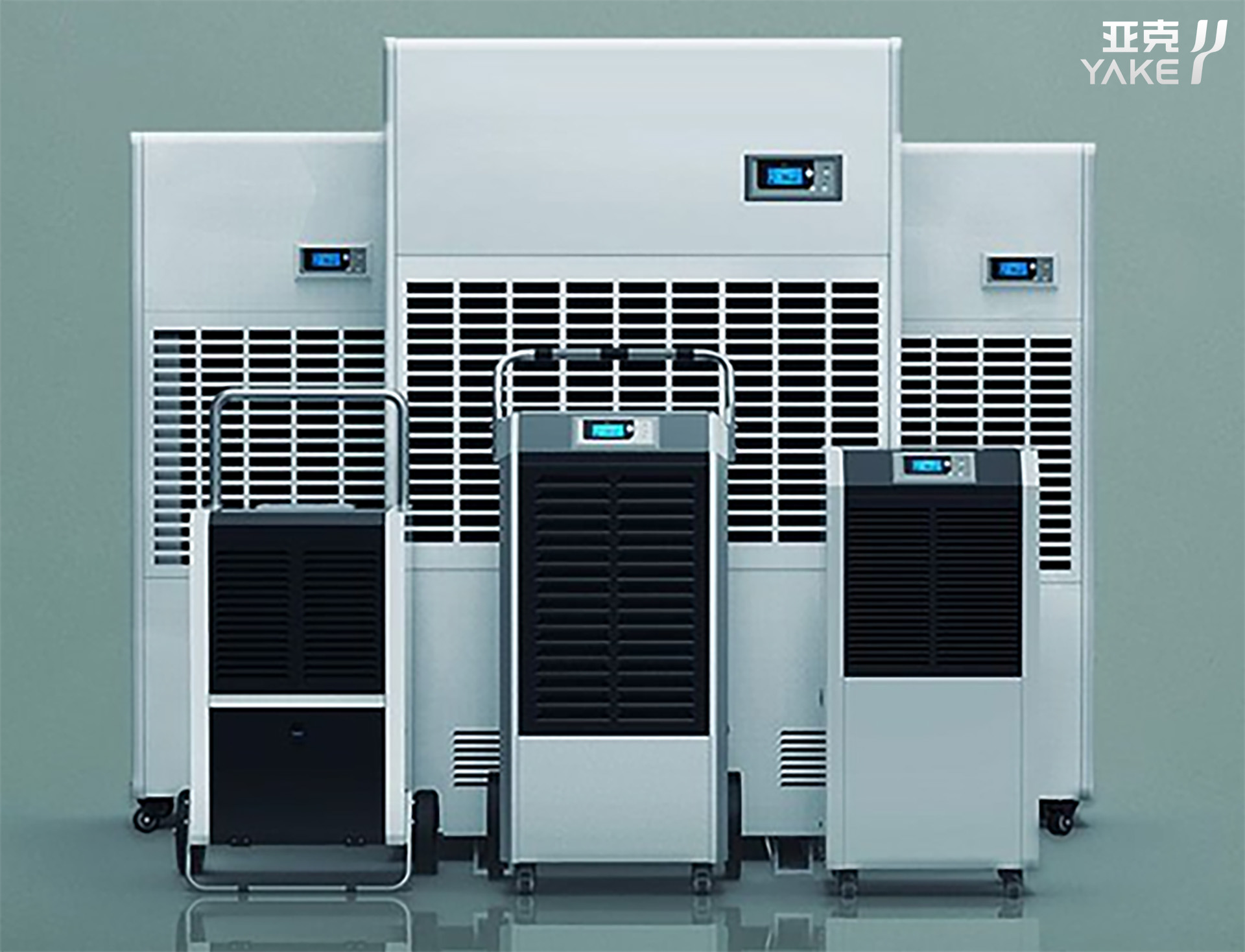
Contact us to find the best place to buy your Yakeclimate solution today!
Our experts have proven solutions to keep your humidity levels in check while keeping your energy costs low.