
Building 34, No. 535 Shunfeng Road, Hangzhou, Zhejiang, China
[email protected]


Climate-controlled greenhouse design means contouring the interior volume to maintain crops in optimal conditions for growth throughout the year. A quality arrangement assists with consistent heat, light, and air circulation, in addition to reliable water and humidity. With powerful control tools, you can quickly adjust settings when the outside weather turns. Smart design can rely on sensors to monitor the air and soil, and fans or vents to circulate air effectively. Selecting walls, roofs, and overall layouts keeps the heat in or out as needed. Dependable systems result in less spoilage and higher yields. To demonstrate how these concepts apply, the following sections provide advice and resources for designing or repairing a greenhouse for any variety or location.

Think of it as a climate-controlled greenhouse. It’s a system designed to give your plants the best possible chance, regardless of what’s going on outside. It’s not only to keep plants warm, but to transform a place where temperature, humidity, and light are consistent and optimal for growth. It should function as a whole from the very beginning, not just piecemeal. You need sturdy construction, intelligent orientation, and energy-efficient components for durability and reduced costs. Passive solar design, insulated walls, and the appropriate roof all help greatly. Ventilation, cooling and heating keep the climate flow steady. Choose a sunny location, consider prevailing weather, and the world’s your oyster.
A solid greenhouse begins with the proper foundation. Flat ground and a foundation robust enough to support all the structure and equipment are essential. Concrete is typical, but brick or treated wood can suffice based on the soil and moisture. Good drainage is crucial because puddles can destroy a crop and even cause structural problems. French drains or gravel beds assist. Regardless, check local codes before you dig, as some areas have tough rules for greenhouses.
The frame you select forms the basis for everything else. Steel-frame greenhouses endure for ages and bear heavy snow loads. Aluminum is lightweight and durable, yet sturdy enough for most climates. Wood can be an option for small or hobby setups. Save the add-ons for later. Modular systems allow you to expand or adapt as you need. Ensure that the form and structure allow sunlight to filter through and circulation of air. Vent openings, roof vents, and wide doors assist as well.
Transparent panels, typically glass or polycarbonate, envelope the greenhouse. Glass passes a lot of light but can shatter and is weighty. Polycarbonate is lighter, provides better insulation, and resists hail. Some growers opt for acrylic, which is durable but prone to scratching. Cloths or whitewash, for example, shade the plants from intense sun. Clean panels are important because dust and algae reduce light. Each material has its advantages and disadvantages for heat and light.
A good greenhouse doesn’t just capture heat; it holds it constant. Panels, double glazing, or foam boards in walls and roofs help hold warmth in winter and keep heat out in summer. With phase change materials in the walls, they can absorb heat by day and release it at night. More insulation means you consume less energy and plants won’t suffer from temperature swings. Proper insulation increases yields and saves money in the long run.
For maximum sunlight, face the greenhouse to the south. This is more important in winter when days are brief. Do not shade from trees or buildings. Since wind chills, cools and stresses plants, locate doors and vents where breezes will benefit, not damage. Scout the sun’s trajectory throughout the year. In certain locations, you’ll have to move panels or add lights. Each site is unique, so design with local climate in mind.
Designing a climate-controlled greenhouse requires an integrated system of heat, cold, airflow and moisture management. Key is integrating climate systems to the site’s weather, greenhouse shape and the crop itself. Integration allows growers to optimize temperature, humidity and CO2 for every crop, regardless of the season or regional climate. State-of-the-art greenhouses today rely on integration, linking heating, cooling and air circulation. These systems support healthy crops and robust yields while keeping energy consumption under control and anticipating future upgrades.
| System Type | Features | Efficiency | Cost (EUR/m²) |
|---|---|---|---|
| Hot Water Pipes | Even heat, easy zoning | High | 20–30 |
| Unit Heaters | Quick setup, flexible placement | Medium | 10–20 |
| Infrared Heaters | Direct to plants, fast response | High | 25–35 |
| Heat Pumps | Dual heat/cool, efficient | Very High | 30–50 |
By integrating climate systems, selecting energy saving solutions such as heat pumps or hot water pipes decreases your running costs and carbon footprint. Temperature is monitored with sensors, allowing us to avoid swings that stress plants so they continue growing steadily. Thermostats and timers provide precise control, dispatching heat only when and where it’s necessary.
Cooling is crucial in warm climates or summers. Chillers and fans prevent the greenhouse from overheating. Evaporative cooling such as wet wall systems can be vastly more energy-smart, particularly in arid areas. Shade cloths lower indoor temperatures without any electrical load. Automated roof vents open when it’s hot, allowing the warm air to escape. Humidity requires close monitoring as well, as too much moisture can invite sickness. Dehumidifiers and sensors assist in maintaining equilibrium.
The plants require good ventilation. Intake vents, exhaust fans, and louvered roof windows all combine to bring fresh air in, stale air out, and maintain ideal CO₂ levels for the crop. Positioning vents and fans by greenhouse size and prevailing winds prevents dead air pockets. Following air movement ensures that no space becomes too stagnant or moist. Automated systems eliminate the guesswork by opening vents or increasing fans as weather and plant requirements vary. Automation conserves work and maintains a constant climate, even as external circumstances change.
Control temperature, humidity, carbon dioxide and airflow to reduce the need for continuous manual monitoring. Almost all commercial greenhouses have one degree of automation or another to keep things in control and balanced. These systems combined with proper building materials and energy solutions enable you to cultivate virtually any crop all year round regardless of the outside conditions.
With aggressive atmosphere management, plants grow quicker, are more beautiful, and are more valuable. A stable environment minimizes spoilage and disease-related hazards, and it maximizes ROI. To achieve that, cultivators deployed sensors, data loggers, and smart controllers to monitor and adjust the atmosphere when necessary.
Controlling the atmosphere. Maintaining the humidity at the proper level allows your plants to breathe and thrive while preventing mold and decay. Humidifiers and dehumidifiers are important. Every greenhouse requires its own cocktail based on the crop, the season, and the local weather. Real-time sensors, usually a component of IoT systems, detect variations rapidly and enable cultivators to intervene before issues arise.
If the humidity gets too high, fungal diseases can propagate. In arid environments, low humidity can cause plants stress and impede development. Humidity modification influences the amount of water plants lose through their leaves, called transpiration. If this pace is askew, crops fade or stress.
Leafy greens, for instance, like high humidity, while tomatoes prefer it lower to prevent blossom end rot. Tweaks are required daily; no universal cure applies here.
CO2 is the lifeblood of plants. CO2-enriched air can accelerate photosynthesis and generate larger, faster-growing crops. Most newer greenhouses either have CO2 generators or take CO2 from elsewhere and pipe it back in, recycling what would otherwise have been waste.
It’s imperative to maintain CO2 at the optimal level, generally 800 to 1,200 PPM for most varieties. High levels can injure plants and people. Sensors and alarms monitor levels and maintain the equilibrium, particularly for gas burners or bottled gas. Ventilation is crucial to prevent CO2 from accumulating beyond safe limits.
Properly balancing CO2 and airflow maintains plant health and fosters vigorous, even growth. After all, more CO2 leads to more yields if managed correctly.
By designing a greenhouse with good airflow, you can get fresh air into every corner. Fans, vents, and intake louvers come together to keep the air moving. This assists in keeping leaf temperatures down, distributes CO2 and humidity uniformly, and prevents hot or cold spots.
Keeping tabs on the air currents is constant labor. Easy smoke tests or fancy airflow sensors can indicate where air is trapped or overheated. Bad ventilation can cause some plants to become overheated or humid and others to dry out.
Proper air movement assists with moisture and heat management. In a closely controlled environment, minor adjustments in fan speed or vent openings, which alter humidity and airflow, can have a significant impact on plant health.
Automation is the heart of contemporary climate-controlled greenhouse design. It combines sensors, controllers, and software to create a system that can self-regulate, learn from data, and maintain plants at optimum health. Accurate sensing, resource control, and rapid response enable growers, from tiny urban farms to massive operations, to scale up yields while reducing expenses. Automation reduces labor, conserves water, and allows for every modification within the greenhouse to be monitored. The brain behind this system is holistic and data-driven, employing both real-time feedback and historical data to guide smarter decisions.
Sensors are the eyes and ears of an automated greenhouse. They monitor temperature, humidity, and light ceaselessly, ensuring that plants always receive optimal care. Soil moisture sensors indicate precisely when and where to water, thus avoiding any waste. This can reduce water usage by as much as 30%, which is a quantum leap for sustainable cultivating. Environmental sensors maintain a steady climate, reducing crop stress and loss. If anything shifts too much, like a surge in heat or a sudden dip in humidity, alerts are sent immediately so problems are addressed before the plants experience distress.
Automated greenhouse brains need controllers that play nicely with all parts of the system. Nice controllers integrate heating, cooling, lights, and irrigation, allowing it all to flow in harmony. These programmable units let growers set up schedules and rules, keeping climate steady regardless of what’s happening outside. Certain controllers operate over the cloud, allowing growers to monitor or adjust settings from their phone, wherever. Intuitive dashboards allow your team to easily customize, debug, or upgrade the system, with no technical expertise required.
Smart software solutions bring it all together. Some sophisticated software monitors each sensor’s data and then employs analytics to detect early trends or issues. This data-centric approach allows growers to optimize climate, light, or water to increase yields, sometimes by twenty to thirty percent. Seamless software integration means new tools can fit with old systems, saving money and time. Some platforms now even provide plant health insights, displaying growth trends so choices aren’t just based on hunches.
Sustainable energy is the foundation of a temperature controlled greenhouse. Today’s greenhouses can operate primarily on renewable energy, reduce expenses and become exponentially more sustainable. Certain designs conserve more energy than others. With the right materials, smart tech and simple habits, growers can make an impact.
Sustainable energy sources for greenhouses include:
Transitioning to clean energy reduces your costs. It reduces the carbon footprint, bringing greenhouse farming into the green zone. Polycarbonate linings with infrared inhibitors can reduce energy expenses by up to 15%. Strategically placing a greenhouse to absorb sunlight requires less work from man-made lights. Clean fan blades and safety screens frequently; this can save 20% of total energy use. Instilling energy saving habits in your employees makes a difference.
Solar panels can run most greenhouse needs. Passive solar innovations, such as thermal mass walls or home layouts with south-facing windows, absorb more sun. This minimizes heating requirements and maintains plant health throughout the winter. Greenhouses with more natural light require less supplemental lighting, even on short days.
| Solar Integration Option | Upfront Cost | Ongoing Savings | Maintenance | Best Use Case |
|---|---|---|---|---|
| Photovoltaic Panels | High | High | Low | Stand-alone or grid-tied |
| Passive Solar Design | Medium | Medium | Very Low | New builds, cold climates |
| Solar Thermal Collectors | Medium | Medium | Low | Water/air heating supplement |
Solar is freedom. Solar pairs naturally with battery storage and existing greenhouse systems.
Geothermal systems utilize constant ground temperatures for heating or cooling. They reduce fossil fuel consumption and lower bills each month. In most places, the consistent heat from the earth provides a sustainable means to maintain stable climates.
Sites with quality soil and room for ground loops are ideal. Not every spot is appropriate for geothermal, but where it does fit, your savings can be huge. Over time, geothermal systems require minimal maintenance, leaving them as a long-term win for greenhouses.
Water conservation measures are critical to sustainability and economics. With rainwater harvesting and recycling, growers can access free resources and minimize waste.
Rainwater harvesting translates into less stress on local water supplies. Moisture sensors save plants and budgets from overwatering. Water conservation helps both the environment and the bottom line.
It’s the practice of creating environments that facilitate this connection. It’s based on the concept of biophilia, originally coined by Eric Fromm in 1964 and popularized by Edward Wilson. For greenhouses, biophilic design is much more than growing plants. It’s a scheme for how we apply light, select shapes, and select materials to create environments that nurture both people and plants.
Introducing elements of biophilic design into climate-controlled greenhouses begins by incorporating elements from nature. This might involve large windows for abundant sunlight, incorporating natural materials like wood or stone, or designing with organic forms reminiscent of leaves or waves. These natural elements do more than just appeal. They make us feel less anxious, improve our spirits, and even increase our productivity. Studies found that only five to twenty minutes of exposure to plants or being in a sunlit room can clear mental clutter and help your body relax. As urban life expands and we all spend more time indoors, these design measures make us feel more connected to nature.
Connection between humans, plants, and nature is a two-way street. When they feel calm and focused, they care more for the plants surrounding them. It’s a positive cycle. Vibrant plants enliven human spirits, and energized humans nurture plants. For instance, a greenhouse with ample daylight and gentle organic shapes in the floor plan will increase both the rate that plants grow and the spirit of the gardeners. Adding some live plants in workspaces, water sounds, or even glimpses of trees outside can go a long way.
Biophilic design means thinking about the whole system. It’s about creating environments that support a diversity of life, not simply the food plants. Sprinkling in a variety of plants, incorporating native plants, and anticipating that spiders or lizards may cohabitate peacefully in the greenhouse all contribute to creating a harmonious environment. This supports pest control without brutal sprays and cultivates a more robust, natural system. Think mix-crop beds, green roofs, and tiny water spots for frogs or bees. These measures help the greenhouse enter into a vibrant, living loop.
It’s smart greenhouse design that helps plants grow strong. Precise application of heat, light, water, and air protect and stabilize crops. Basic tools — fans and shades — combined with sensors collaborate and maintain space just so. Solar or other clean power can even trim costs while helping the planet. Adding in some natural touches, like plants and water, makes the space feel great for both humans and crops. Each choice, from simple layout to sophisticated controls, molds a space that suits multiple purposes. Thinking of constructing a fit greenhouse or simply making one work better, connect with trusted experts or leverage proven tools. Be inquisitive and always search for optimum.
A climate-controlled greenhouse is a specialized greenhouse design that incorporates technology to control temperature, humidity, light, and ventilation. Such control creates stable conditions for healthy plant growth year-round.
Climate-integrated systems optimize heating, cooling, and ventilation. They stabilize the environment, increase plant production, and decrease energy consumption, making greenhouses more efficient and productive.
Climate control means controlling temperature, humidity, carbon dioxide, and airflow. Automated sensors and controls help maintain optimal conditions for different crops, enhance growth, and minimize disease risk.
Automation systems track and adapt climate settings in real time. This minimizes manual work, maximizes accuracy, and enables growers to adapt swiftly to dynamic conditions for improved yields.
Greenhouses can adopt renewable energy sources, such as solar or geothermal, and energy-saving materials. Smart controls slash energy consumption, which helps drive down cost and environmental impact.
Biophilic design reconnects us with nature, surrounding us with elements like daylight, greenery and water. This boosts well-being and can boost productivity in greenhouse settings.
Yes, climate-controlled greenhouses can be sustainable too. They combine efficient systems, renewable energy, and responsible resource management to cut waste, save water, and minimize environmental impact.


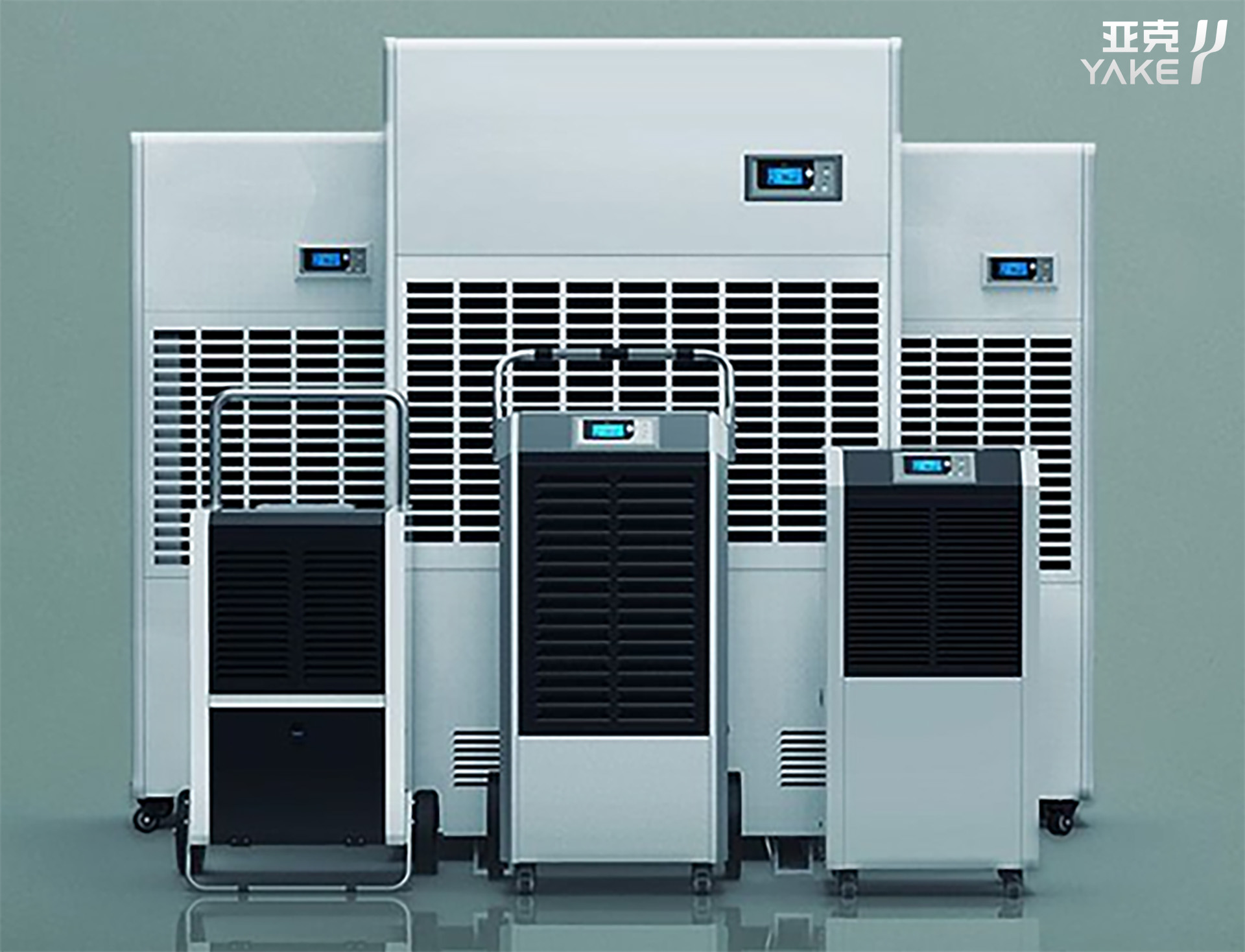
Contact us to find the best place to buy your Yakeclimate solution today!
Our experts have proven solutions to keep your humidity levels in check while keeping your energy costs low.