
Building 34, No. 535 Shunfeng Road, Hangzhou, Zhejiang, China
[email protected]


Vertical farming companies employ stacked layers and controlled environments to cultivate crops indoors on a year-round basis. In America, these companies depend on technologies such as LED lights, climate controls, and hydroponics to minimize water consumption and maximize harvest. A lot are leafy greens, herbs and microgreens. Near big cities, indoor farms can reduce food miles and enable fresh supply. Next up are best US-based companies and what distinguishes them.

Vertical farming companies today are transforming how our urban centers access fresh produce. Equipped with new technology and an emphasis on conservation, these leaders established the standard for the entire industry. These stories from industry leaders are helping to define the future of urban agriculture – making food more clean and local.
Tech-first startups such as Plenty and Bowery are replacing soil fields with stacked hydroponics and aeroponics indoors. They combine sensors, AI and robots to reduce water use by 90%+ compared to conventional farms. They’re filing patents for modular lights and smart controls, so each leaf receives the proper light and air. Significant backers—think SoftBank and Jeff Bezos—have invested huge sums in their bets that tech can make city farming work at scale. This method keeps crops growing every season, with less loss, and protected from bugs without hard spray. Some of these companies have encountered obstacles—layoffs and even bankruptcy—but their attention to outcomes and innovation continues to propel the market.
Big chains like Walmart and Kroger want to sell fresher greens grown closer to shoppers. They partner with vertical farms to bring fresh-picked lettuce and herbs to market. That reduces shipping expenses and preserves freshness, all while minimizing the carbon footprint. Partnering with indoor growers enables these chains to react quickly to what local consumers are craving, creating the produce trends. These collaborations force the entire industry to become more green and more efficient.
Small urban farms, such as Farm.One and Smallhold, take a different approach. They cultivate rare greens or mushrooms or microgreens for their local chefs and foodies. With custom racks, LED lights, and fine-tuned climate controls, they can adjust flavor and texture to differentiate. Many sell direct, developing connections in their communities. Their emphasis on small-batch, premium crops introduces fresh tastes to the market and provides urban diners with additional variety.
Companies such as Yakeclimate, Freight Farms and Signify provide the backbone — dehumidifiers, lights and turnkey grow modules. They assist both large and small growers get up and running or scale. Working with farm operators, they optimize configurations for every crop. Their equipment keeps air dry, lights stable and systems humming with less energy. By driving new tech and better parts, these suppliers make indoor farms hum and scale.
Vertical farming firms rely on a combination of smart technologies to operate efficient, high-yield farms. These tools fuel sustainability, reduce costs, and allow growers to optimize every aspect of the plant’s environment for optimal outcomes.
Smart lighting is crucial for plant production in sunless, stacked layers. Most vertical farms use LED grow lights as they’re now approximately 90% efficient, a significant increase from ten years ago. LEDs emit light in wavelengths specific to each crop, enhancing photosynthesis and accelerating growth. They save power, which can reduce total energy costs by as much as 30% over legacy systems. This is critical as lighting can account for almost 50% of the energy bill for indoor farms. Companies such as Signify and Fluence Bioengineering are leading with smart, dimmable LEDs that match each plant’s lighting needs and conserve even more power. Light recipes that can be customized, for example, mean farmers can grow more per square foot—up to 390 times more than field farming.
If you manage temperature, humidity and airflow you get steadier crops and less diseases. IoT sensors monitor real-time information such as CO₂, ambient temperature, and humidity. Built-in climate controls then adjust these variables to maintain equilibrium. Yakeclimate’s industrial dehumidifiers, for instance, assist in maintaining stable humidity, preventing mold and crop loss. Good climate control translates to higher yields and lower waste. Farms in Texas and California have deployed networked sensors to stabilize climate during outside weather swings, minimizing losses and maximizing consistency.
Automation cuts the grunt work while allowing farms to operate 24/7. Conveyor belts, robotic arms and automatic seeders assume tasks such as planting, watering and harvesting. This increases reliability and reduces cost. Farms are now adding machine vision and AI for spotting plant stress or pests, allowing growers to address issues early. In New Jersey, a few farms employ robots to shift trays and pack produce, reducing labor expenses by 50%. As tech improves, more farms will rely on automation to scale without scaling up — er, people.
Data drives decisions in vertical farms. Sensors monitor it all—light, moisture, pH, crop growth. Analytics software converts this into insights on when to water, feed, or pick. Farm machine learning spot trends and optimize recipes for higher yields. AeroFarms and Bowery Farming leverage real-time data and AI to reduce water consumption by as much as 95% and use fewer chemicals. Data allows managers to forecast, reduce inefficiency, and increase the consistency of each yield.
Vertical farming startups tout an array of sustainability claims. Questions about transparency and actual outcomes are increasing. The industry likes to brag about how it saves water and land, uses fewer pesticides, and keeps food local. Energy and carbon footprint provide tricky trade offs.
| Company | Water Use Reduction | Land Use Reduction | Energy Source | Carbon Footprint Disclosure | Local Sourcing | Third-Party Audits |
|---|---|---|---|---|---|---|
| AeroFarms | up to 95% | up to 90% | Mixed | Partial | Yes | Yes |
| Bowery Farming | up to 95% | up to 90% | Grid/Renew. | Limited | Yes | No |
| Plenty | 98% | 99% | Grid | No | Yes | Yes |
| Infarm | 95% | 95% | Renewables | Yes | Yes | Yes |
Transparency is important given 70% of operators say greenwashing is a genuine risk. Statements of lower inputs require transparent, third-party-certified measures. Without truthful disclosure, cynicism festers and may stymie industry development.
Relative to field farming, it consumes up to 98% less water and up to 90% less land. These are addressing such worldwide concerns as water shortage and erosion. High energy use—38.8 kWh per kg of produce on average—undermines low-carbon claims. By way of comparison, beef produces 99.48 kg CO2 per kg, tomatoes a mere 2.09, indicating that its actual impact depends on the farm’s source of energy.
Long-term, vertical farming’s sustainability depends on further improvements in lighting, climate control, and use of renewables. Some farms have slashed energy consumption by 50% with improved LEDs and smarter climate systems. These advances, along with urban siting that reduces food miles, appear promising. Yet, vertical farms are not a panacea for food. The industry is still addressing waste laws and optimization barriers.
Vertical farms use hydroponics or aeroponics, recycling water and reducing waste. It saves up to 98% of water compared to open fields. Farms such as AeroFarms and Plenty utilize closed-loop systems that recycle water repeatedly, allowing them to cultivate greens in arid regions or urban environments.
This water savings is crucial as water becomes more scarce globally. Urban farms avoid farm runoff, a boon to keeping lakes and rivers clean. Case studies from high-yield cities such as Newark and San Francisco demonstrate water usage as minimal as 0.03 gallons per head of lettuce.
Vertical farms require a significant amount of energy, primarily for lighting and climate control. Typical use is 38.8 kWh per kg of greens—way higher than field farms. If powered by fossil fuels, the carbon footprint can be significant.
New tech is alleviating this burden. Crop-tuned LED lights, water-cooled systems, and climate controls specifically matched to plant needs have reduced energy by as much as 50 percent in some setups. Renewables like solar or wind obviously contribute, and adoption is regional. Things like energy management– tracking, load balancing, etc– are now a must for any serious vertical farm.
Reducing energy consumption is essential to enduring achievement. Smart farms and smart energy plans — we can grow more with less and keep both costs and emissions in check.
Vertical farms require less land, piling produce on shelves within warehouses or containers. This can reduce land use by as much as 90% relative to field farms.
Less land means less stress to deforest or shred wildland. In urban centers, vertical farms can convert abandoned buildings into culinary hot spots. Others, such as a few projects that have sprung up in Detroit, have resurrected hollow factories, cultivating fresh greens in proximity to where consumers reside.
Vertical farming prevents soil erosion and rehabilitates depleted industrial parcels. It keeps farming near eaters, not distant fields.
Vertical farms reduce food miles — how far food has to go from farm to plate — by growing in or near cities. This reduces truck and plane emissions.
Shorter supply chains keep greens fresher and reduce waste. A lot of buyers are willing to pay a little extra for food grown down the road.
Less miles = less fuel burned and a smaller carbon footprint for every salad or herb pack.
Vertical farming has attracted attention for its potential to grow fresh produce all year round, near cities, with less land and pesticides. The economics of these farms are complicated. Business has had to balance high energy bills, tech expenses and challenging markets. It’s an industry that’s moving, and one where there are both dangers and opportunities for those willing to put in or go in.
Tech fuels vertical farming — but it costs LED lighting, climate controls and automation can drive startup costs beyond $10 million for mid-size sites. Operating expenses, primarily electricity, are steep. Making a kilogram of lettuce might consume 12.5 kWh, which would cost about $1.25 if power is $0.10 per kWh. Total cost per kilo, including labour and rent, frequently goes from $3.90 to $6.50, which can outpace market prices. Handling this involves selecting efficient equipment, judicious scaling, and negotiating cheap power deals.
Vertical farms have to maintain lights, HVAC, and irrigation running perfectly. Letdown or waste can spoil entire crops. Mold, pests and plant disease, though less than in fields, still threaten. Labor is savvy and training expenses accumulate. Farms have to comply with rigorous food safety regulations as well, which can impede scaling.
Robust management assists. Others leverage data-driven tools and automation to help workflows and trim waste. Some partner with research labs to trial new crops or techniques. AeroFarms and Bowery, for instance, have navigated challenging periods by employing intelligent monitoring and adaptable frameworks, illustrating that flexibility is crucial.
Well, the vertical farming space is packed, with startups and big hitters vying for buyers. Companies attempt to differentiate themselves with specialty crops, organic labels, or local branding. Most go for deals with grocers and restaurants, or access direct to consumer sales.
New tech like AI crop monitoring, energy-saving LEDs, and state-of-the-art dehumidification shift the dial. What’s the matter with you? Being first to market or better quality keeps brands ahead, but the race is expensive and never ending.
| Year | US VC Funding ($B) | Notable Deals | Investor Focus |
|---|---|---|---|
| 2022 | 1.2 | Bowery ($300M), Plenty ($140M) | Automation, scale |
| 2023 | 0.9 | AeroFarms ($100M) | Sustainability |
| 2024 | 0.7 | Infarm ($200M) | Energy efficiency |
Venture capital has fueled vertical farm growth, though investment receded in recent years. Investors seek hard tech, tested returns, and obvious paths to gain. Rounds that do close — like Bowery’s $300 million raise — mirror faith in folks with deep teams and actual sales. A number of companies, following lofty early valuations, went bust, underscoring the dangers associated with expensive and marginal economics.
How vertical farming companies are reshaping American cities. The embrace of indoor agriculture introduces new purpose for abandoned warehouses, abandoned property, and even shipping containers. They assist in revitalizing forgotten areas into productive locations, reduce urban heat islands, and utilize land that is otherwise unsuitable for food cultivation. Approximately 2,000 urban vertical farms have emerged throughout the US since 2022, typically where conventional farming is not an option. These initiatives back up economic development and establish work within community.
Vertical farming provides urban populations with a consistent source of vegetables, irrespective of external weather or season. Yields are steady 365 days a year, with just one acre of indoor farm occasionally equaling the yield from more than 30 acres of traditional farmland. Enclosed spaces save crops from droughts, pests, and climate swings. New York and L.A. Projects demonstrated how urban farms can survive global food trade interruptions. These systems reduce food supplies’ susceptibility to climate change and transportation problems.
Urban vertical farms helped cities grow more food closer to home. That’s less demand for long-haul trucking, which reduces emissions and spoilage. So when neighborhood appetite for fresh greens increases, vertical farms can easily respond with an increase in production. In supply chain disruptions–such as during the COVID-19 pandemic–local vertical farms kept shelves stocked in locations where outside shipments ground to a halt.
Most customers view indoor-grown greens as safe and clean, because these crops bypass the pesticides and dirt commonly applied outdoors. Marketing touts advantages like consistent freshness and low carbon footprint. Education campaigns, either from city governments or brands, help more of us appreciate the utility of local vertical produce. Seattle and Atlanta shoppers seeking ‘city-grown’ labels fuel demand for sustainable greens.
Vertical farming is more than lettuce and herbs. Using new climate control tools and hydroponic setups, vertical farms these days grow a lot of crops, cater to niche markets, and even assist other industries to source ingredients. These pivots demonstrate the ways that vertical farming is transforming agriculture and supply chains in the United States.
Vertical farms actually now produce berries, tomatoes and even root crops like radishes. This combination provides farms the opportunity to fill more than salad greens needs. Crop diversity is critical for enhanced food security and nutrition. A greater variety of crops not only mitigates the risk of a single crop, but facilitates access to fresh, local food throughout the calendar year. Even so, cultivating unorthodox crops can be challenging. Certain crops require additional light, extended growth cycles, or humidity adjustments. Farmers run into limits with root depth or plant size. A few firms, such as Bowery Farming in NYC, have cultivated specialty greens and berries in tiered beds. Others employ closed-loop systems, which recycle water and maintain ideal air conditions for each plant.
Controlled indoor farms can now grow the rare herbs and other plants used in medicine. This helps ensure that every crop is of a consistent quality. Growing the pharmaceutical crops indoors minimizes the threat of pests, prevents cross-pollination with other crops and allows farmers to optimize parameters for maximum yield. Market demand is on the upswing as drug makers seek clean, traceable supply chains. US-based one set up a vertical farm for Artemisia annua, a plant used for malaria drugs. Another business cultivates medical cannabis in indoor rooms that consume as much as 97 percent less water than field farms.
Food makers and chefs now source a larger percentage of their fresh herbs and vegetables from local vertical farms. That way farms can bring basil, microgreens and edible flowers within a day of harvest. Local sourcing reduces shipping time and rot and emissions from trucks. Chicago and San Francisco restaurants have established agreements with vertical farms to receive custom-grown greens for their platters. These collaborations allow chefs to utilize uncommon or seasonal crops year-round, and maintain consistent stocks.
Vertical farming is incredibly water- and land-efficient, requiring up to 95% less water and up to 90% less land than field farming. It eliminates the majority of pesticides. A few companies went through layoffs and bankruptcy, so profits over the long run are questionable.
Vertical farming companies push the edge to grow food in a city. They utilize stacked racks, LED lights and smart water lines. These growers mold the food game, not only for greens but for herbs and even strawberries. Chicago, New York and LA all get farms popping up in old factories and vacant buildings. It yields more stable crops, reduced water consumption and insect pests. Others faced issues with electricity costs and expensive leases. Yet the technology continues to advance rapidly. To keep up, growers turn to hard-core climate tools that deal with major temp and moisture swings. Looking to turbo-charge your own indoor grow? Contact us to discuss climate gear that fits your space and crop.
AeroFarms, Plenty and Bowery Farming are top players. They employ high-tech methods to cultivate fresh fruits and vegetables all year long, frequently in close proximity to large urban areas.
Vertical farming utilizes a combination of stacked layers, LED lights, and controlled environments. This arrangement allows companies to cultivate crops indoors using less water and no soil.
Most brag about sustainability — saving water and pesticides, and chopping food miles. Energy use for lighting and climate control remain high.
With high startup and energy costs, it struggles to be profitable. Others make it work by targeting high-end markets and urban supply chains.
They deliver fresh, local produce and generate urban jobs. Vertical farms can ease the city’s food transportation requirements.
Some cultivate strawberries, herbs, tomatoes and microgreens. A handful are piloting staple crops, but the majority center leafy greens in response to consumer appetites.
Yeah, it provides local food sources, particularly in cities. Vertical farming can deliver fresh food even when outdoor farming is challenged by climate.


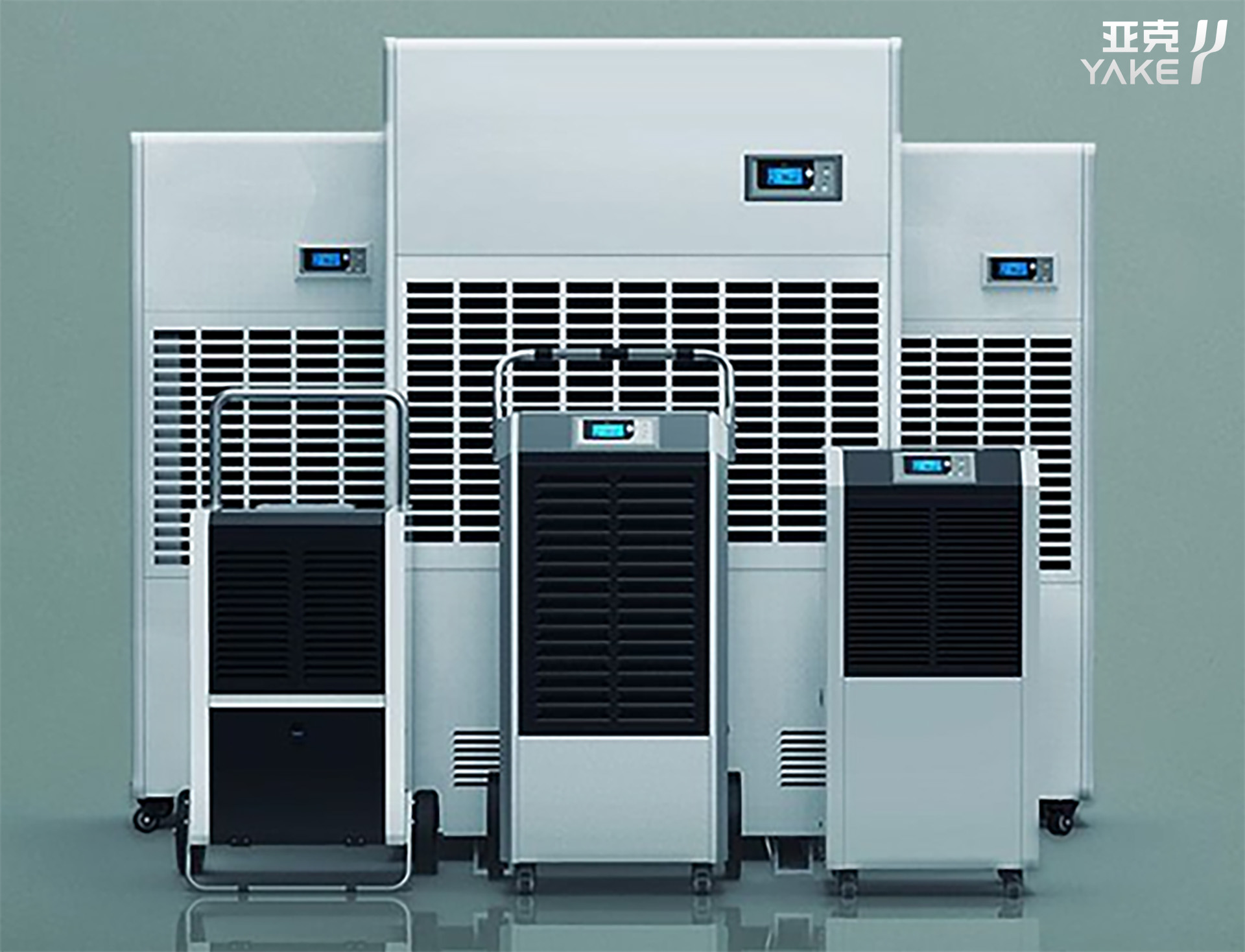
Contact us to find the best place to buy your Yakeclimate solution today!
Our experts have proven solutions to keep your humidity levels in check while keeping your energy costs low.