
Building 34, No. 535 Shunfeng Road, Hangzhou, Zhejiang, China
[email protected]


Whole house dehumidifier efficiency is a measure of how effectively a unit removes moisture in all rooms with the minimum amount of energy used. In operation, it connects moisture removal rate, power draw, duct design and control strategy throughout the entire HVAC system. High-efficiency systems keep relative humidity in the 40 to 55 percent range, reducing mold risk and alleviating load on air conditioners. All the factors, such as latent load, air changes per hour, return placement and condensate management, affect real-world performance. For plant managers and facility engineers, the same logic scales from residences to condos, offices and small industrial facilities. Whether planning or upgrading, the following sections detail important specifications, sizing guidelines and installation decisions that determine whole house dehumidifier efficiency.
Dehumidifier efficiency is the amount of moisture removed divided by the energy used. For whole-house systems, this isn’t just a lab number. It determines how much the system maintains indoor relative humidity in the 30 to 50 percent range, keeps air stable, and eliminates damp corners and ducts. Efficient units promote healthier indoor air, more consistent comfort, and less lurking mold, all while keeping your monthly operating cost in control. Over years of constant or near-constant operation, a good whole-house dehumidifier tends to deliver more long-term value than a lower-cost, less efficient machine that runs longer and still falls short on humidity goals.
In practical terms, efficiency is described by three linked metrics: moisture-removal capacity in PPD (how many liters in 24 hours), airflow in CFM, and energy efficiency in L/kWh. Units with energy efficiency above roughly 2.5 L/kWh are typically regarded as efficient and can operate for extended cycles with stable energy requirements. A lot of newer whole house models hover in the 2.2–3.7 L/kWh range, which lets them run continuously when necessary without a major energy cost. Properly sized and ducted, they can keep indoor relative humidity at about 45–50% RH, drastically reducing the chance of mold growth, material warping, and corrosion on metal fixtures or electronics.
Integrated Energy Factor (IEF) gives a clear number: how many liters of water a dehumidifier removes per kilowatt-hour of electricity under standardized test conditions. It’s really just the same L/kWh idea boiled down to a single metric, so it plays nicely into spec sheets and purchase checklists. When you’re comparing whole-house systems, looking at IEF or published L/kWh alongside PPD and CFM provides a quick snapshot of how much moisture control you get for a unit of power, allowing you to predict both comfort outcomes and operating cost. In real-world terms, higher IEFs translate to greater efficiency, particularly when the unit has sufficient PPD to meet the home’s latent load and sufficient airflow to distribute air through every zone.
| Dehumidifier Type | IEF (L/kWh) | PPD (24 h) | Typical Monthly Cost* |
|---|---|---|---|
| Entry whole-house model | 2.3 | 30–40 | 25–30 USD |
| Residential high-efficiency model | 2.7 | 40 to 50 | 18 to 25 USD |
| High-efficiency model | 3.2 | 50 to 70 | 10 to 20 USD |
*Assumes moderate climate and average residential electricity rates.
Lab ratings aren’t always reflective of what you observe in a real home. Test rooms have consistent temperature, laminar airflow, and no infiltration compared to real buildings with door openings, stack effect, and mixed use. Room size, building layout, and internal moisture gains from people, cooking, or process loads all modify the actual latent load on the system. The same unit can operate very differently in two homes with similar floor area.
High starting humidity, poor air mixing or blocked grilles can reduce effective moisture removal well below the PPD on the label. If a whole-house dehumidifier is not sized or ducted well, actual moisture removal can drop by 15 to 30 percent, which translates to longer run time, higher bills and creeping up above 50 percent relative humidity in some zones. After installation, it is worth tracking indoor relative humidity in several rooms over days and weeks. If values linger outside the 30 to 50 percent target band, that is a clear sign of mismatch, duct issues or control errors rather than a pure equipment fault. Monitoring lets you observe if the system achieves setpoint swiftly after high-load occurrences, such as intense cooking or a wet season downpour.
Energy tracking is the other half. By comparing power readings or smart-meter data when the dehumidifier is active with humidity logs, you can determine if the unit is extracting sufficient moisture per kilowatt-hour for your conditions. If energy consumption increases but indoor relative humidity doesn’t fall as anticipated, or if bills wander beyond the 10 to 30 USD per month range typical for whole-house units, the issue could be additional latent load, substandard duct integration, or maintenance deficiencies.
The most efficient dehumidifiers achieve these same RH setpoints with less electrical input because they’re simply delivering higher L per kWh while still maintaining high PPD and airflow. When a system is matched to the building’s latent load and integrated cleanly into the duct network, it can run near its rated 2.5 to 3.7 L per kWh band and maintain 45 to 50% RH without long, wasteful cycles. That mix of consistent humidity and consistent L per kWh is what makes operating cost consistent across seasons.
Oversized equipment is the low-hanging fruit. A very high PPD unit with a poor control strategy might short-cycle, run outside its sweet spot, and waste energy while not improving comfort. A small unit may run on-off nonstop and still not get RH below 55 to 60 percent. Bad maintenance does the same. Dirty filters, fouled coils, or blocked condensate paths add resistance, reduce airflow, and reduce effective L per kWh and IEF, so the compressor runs longer for less moisture extracted. Over time, that manifests in both humidity grievances and sneaking energy invoices.
Before purchase, checking the unit’s wattage, rated PPD, and published energy factor allows a simple sanity check: does the combination of capacity and L/kWh match the expected moisture load for the home size and climate? By estimating its annual energy use and converting it to a rough cost against local tariffs, you will get a sense of whether the system is likely to be in that 10 to 30 USD per month range or well above it. Once installed, a normal check of power bills during the primary humid season is a convenient way to identify shifts in performance. If consumption increases without a corresponding change in weather or occupancy, the system might require maintenance or RH setpoints and runtimes may need adjustment.
Key efficiency drivers include:
Each can tip performance significantly, so it helps to consider them collectively rather than in isolation before you purchase, retrofit, or recommission a system.
Whole house dehumidifier capacity should be sized according to floor area and actual moisture load, not just square meters. Capacity is rated in pints per day (PPD): roughly 45 PPD is low capacity, 45 to 50 PPD is mid range, and 50 to 75 PPD is high capacity. As a rudimentary reference, a 1,200 square foot home at approximately 50 to 60% relative humidity might typically require a 50 pint unit, but if that same envelope is nearing 80 to 100% relative humidity, a 60 pint system becomes a more realistic need. The objective is to maintain indoor relative humidity in the 30 to 50% range, which is the zone that minimizes mold, dust mites, and mildew and still feels comfortable.
An undersized unit will run nearly 24/7, extract less water per kWh, and still won’t manage humidity in bathrooms, basements, or laundry rooms. An oversized unit has the reverse problem; it will short-cycle, shut off before air mixes well, and use more power per litre of water removed. For residential scale, manufacturer sizing charts and online calculators are useful, but they should be checked against real conditions: number of occupants, infiltration rate, and moisture sources like indoor drying of clothes or open crawlspaces. Key Factors in Whole House Dehumidifier Efficiency – Use actual peak showing data from a hygrometer when possible. Oversizing ‘just in case’ tends to reduce efficiency, not increase it.
Efficiency falls quickly when the unit is installed in the wrong location or poorly tied into ducts. Misplacement in a dead zone or tight closet limits airflow and prevents the unit from seeing the most humid return air, so even a great design appears puny.
For ducted systems, joints and plenums should be sealed so that dry air is not lost to attics, crawlspaces, or service shafts. Leaks here force longer run times. Condensate drainage plays a role. A pitched, trapped drain line to a safe discharge point eliminates the threat of standing water, backflow, and microbial growth that can foul coils and reduce heat-transfer efficiency. Like most plants and homes, you get better results when a trained HVAC technician performs mounting, duct connection, wiring, and commissioning, including checking static pressure and verifying design airflow is actually met.
Local climate establishes the base load on all whole house units. If you live in coastal or tropical areas where outdoor relative humidity consistently measures 70 percent or more, your dehumidifier will require higher capacities or extended duty cycles to maintain indoor levels around 45 to 50 percent. Dry or high-altitude areas, on the other hand, might permit smaller units, and there are times of the year when the dehumidifier might not run at all.
Seasonal tuning does help. During the cooling season, when both temperature and humidity are at play, a lower humidity setpoint and closer coordination with air conditioning provide better comfort and can reduce the need to cool the thermostat to 23 °C or below. Most winter buildings run dry because of heating and operating a dehumidifier below roughly 30% RH can over-dry air, cause dry skin, or irritate airways. It’s smart to never run normal refrigerant dehumidifiers when indoor air is below ~16 °C (60 °F) because coils can freeze and efficiency plummets. By looking at local historical humidity data and monitoring indoor levels with inexpensive sensors, we’re able to right-size equipment and schedule operating hours that suit the actual climate rather than rely on rigid guidelines.
Integrating a whole house dehumidifier with the central HVAC system often optimizes both efficiency and comfort. Leveraging common ductwork, the unit can suck humid air from high-load zones and circulate dry air uniformly, which reduces stratification and prevents over-dry pockets.
Integrated controls are another difference. When the thermostat, dehumidistat, and fan controls are integrated to cooperate with each other, the system can determine whether to run the compressor for sensible cooling, the dehumidifier for latent load, or both. Common variations include synchronizing operation with air-conditioning cycles. For instance, the dehumidifier might run with reduced airflow to increase coil contact time and extract more moisture when the AC is on, then revert to standalone operation only when humidity strays above the desired band. This control frequently allows occupants to maintain higher setpoints while remaining comfortable and reduces total cooling load. Any integration plan should begin with making sure the dehumidifier, air-handler, and control platform are compatible to help avoid interface issues, nuisance short-cycling, or conflicting setpoints that waste energy.
Time to live care impact on efficiency. A clogged filter reduces airflow, which increases coil temperature difference, decreases latent capacity, and increases power consumption. Cleaning or replacing filters on the schedule in the manual, often every one to three months in a dusty or high-use home, keeps the fan curve close to design.
Coils and fins require cleaning from time to time. Dust, biofilm or corrosion on either the evaporator or condenser side insulates, requiring longer cycles to extract the same quantity of water from air at, say, 60–70% RH. Drain lines and pans should be inspected for clogs, kinks or leaks so condensate can drain out. Standing water not only threatens damage but it nurtures mold that can be blown through ducts.
Annual pro tune-ups catch refrigerant issues, weak fans, and failing sensors or control problems before they manifest in high bills or visible moisture. A technician can verify that humidity remains in the 30–50% optimal range and identify instances where the system is operating when RH is already low, which wastes energy and can over-dry the environment.
Whole-house dehumidifier efficiency is about building shell, control strategy, and how often you check back on performance, not just hardware. Tiny tweaks in each area add up to reduced kWh consumption and more consistent 30 to 50 percent RH.
Quick actions to optimize your system:
A “leaky” home shell sucks in warm, moist outdoor air. That additional latent load makes the dehumidifier run longer, yet comfort does not increase. A tighter envelope means less outside air leaking in, so the unit extracts less moisture per day to maintain the same 30 to 50 percent RH, reducing both wear and energy consumption. This reduces mold risk on cooler surfaces such as exterior walls and ducts.
Use a simple leak checklist: gaps around doors, window frames, attic hatches, pull-down stairs, plumbing and cable penetrations, recessed lights, and unsealed joints between conditioned space and garages or crawlspaces. Weatherstripping on door sweeps and sash edges, together with acrylic or silicone caulk around frames and penetrations, provides quick wins with low cost and no complicated equipment.
Better control of infiltration keeps indoor RH more stable, which helps indoor air quality and the value of your property by reducing long-term moisture damage.
Maintain the humidistat between 30% and 50% RH for everyday use. Beyond 50% RH, mold spores and dust mites thrive and can ruin finishes and stored goods, as well as air quality. Under approximately 30% RH, many of us experience dry skin and nose irritation, with no actual comfort returns for the additional energy.
Check with a separate digital hygrometer in at least one bedroom and one main living area to confirm actual RH. If readings go high during wet seasons, adjust the setpoint and run time instead of hunting for comfort with wild settings.
Adjust setpoints by season: in cool, dry periods, a target near 40 to 45 percent relative humidity usually protects materials without feeling too dry. In hot, humid months, keeping closer to 45 to 50 percent relative humidity usually strikes a nice balance of comfort, mold avoidance, and kilowatt-hour consumption.
Programmable or Wi‑Fi‑enabled controls assist in aligning dehumidifier run time with actual demand versus a static schedule. They are able to ramp moisture removal during peak humidity events, like storms, then back off once indoor relative humidity drops, which reduces needless operation while still removing up to approximately 45 liters (100 pints) per day when required. This type of control reduces latent load but maintains comfort.
Remote access allows you to review RH, adjust set points or modes when you’re away, which is helpful for second homes or fluctuating occupancy. A few smart controls take into account outdoor temperature, weather forecasts, or occupancy signals to trim runtime when conditions are mild and then ramp it back up before indoor RH drifts above 50%.
Integrated with wider home automation, including ventilation and air filtration, to synchronize fan speed and MERV 8 filter performance so air remains cleaner while still passing freely through the system. This enhances indoor air quality, aids in preventing mold and fine dust-related respiratory challenges, and contributes to extended equipment lifespan by preventing continuous full-load operation.
Whole‑house dehumidifiers are most effective when they have air paths, controls, and schedules in common with the central HVAC system. One controls temperature, the other moisture, but each uses the other’s ductwork and fans to maintain indoor relative humidity at 30% to 50% and reduce wasted energy.
When a whole-house dehumidifier extracts latent heat from supply air, the AC doesn’t have to cycle as often to “overcool” the space. Drier air feels cooler on skin and clothes, so a lot of homes remain comfortable with the cooling setpoint bumped up by 1 to 2 ˚C and still steering clear of that sticky sensation you get at 50% RH, where air can start to feel even a little heavy.
That lower latent load is what counts in those hard-to-control upper floors or great rooms. Rather than lengthen the AC fan’s run time and push the coil temperature lower to evaporate moisture, a dedicated dehumidifier pulls moisture out directly, maintaining the indoor band around 40% to 45% RH, which is a great place to live for both comfort and mold control.
An easy way to demonstrate this to stakeholders is to record compressor and fan hours before and after dehumidifier startup, then convert those reduced AC hours into kilowatt-hours and dollar value. In lots of projects, the less compressor runtime compensates for much of the new dehumidifier draw.
Shared airflow is the backbone of whole-house moisture control. When supply vents or returns are blocked by furniture, boxes, or product piles, rooms remain muggy, exhibit increased condensation on interior windows, and increase AC and dehumidifier run hours.
System balancing really does make a difference. Once every room is subjected to supply and clean return, the dehumidifier can whisk moisture from those corners, closets, and low-air-change spaces where that musty smell likes to collect.
A simple maintenance plan works well:
These quick checks frequently resolve comfort complaints without adjusting setpoints.
Whole‑house dehumidifiers boost comfort in hot and cold seasons, as it’s not just about the cooling load but consistent indoor moisture. In summer, it curtails humidity so rooms feel cooler at higher thermostat settings. In winter, it avoids the furnace running, yet still has condensation on inside windows or cold walls because moisture is out of control.
Maintaining 30%–50% RH preserves materials. Wood floors, doors, and furniture swell, warp, or crack when humidity swings too high or low. High humidity allows wood to soak up moisture and then soak in a musty stench that remains long after summer is over. Maintaining that range steady reduces callbacks for cupped flooring or sticky doors and prolongs finish life.
From a health and building hygiene perspective, whole-house units prevent mold growth by maintaining relative humidity below spore-thriving levels, whereas portable dehumidifiers often leave distant rooms untreated, consume substantial power, and sometimes lack robust dust filtration. A stand-alone integrated dehumidifier, which frequently runs about USD 2,000 (around USD 1,000 to USD 3,000), can swiftly manage moisture throughout the entire ducted system, so numerous residences feel immediately more comfortable and experience reduced condensation within days of startup.
Whole house dehumidifier efficiency is no longer about brute capacity. It is about how technology manages load, airflow, and run time. When units combine intelligent control, optimal airflow design, and built-in sensing, they frequently reduce energy consumption, increase longevity, and maintain narrower humidity ranges with less intervention.
Variable-speed fans adjust airflow to real moisture load rather than cycling full on and off. At low load, the fan slows, air lingers longer on the coil, and the system extracts more moisture per kilowatt. This is where high IEF units, around 1.85 L per kilowatt hour or higher, earn their real-world efficiency as they prevent wasteful short cycling and maintain coils at stable temperatures.
Reduced fan speeds reduce power consumption at night or in the shoulder seasons, when a fixed-speed unit would still be running at full capacity. In most homes, particularly in the 65–75 °F (18–24 °C) humidity range where dehumidifiers operate optimally, that change by itself can reduce run energy significantly over a season. Advanced efficiency features such as variable fan pairing with hot gas defrost can take you even further since hot gas defrost uses compressor waste heat, circumventing electric resistance defrost and reducing defrost energy usage by as much as 40%.
Quieter operation is an immediate byproduct. Lower airflow leads to less noise in ducts and grilles, which is especially significant in multi-story homes where equipment sits near bedrooms or living areas. For big houses with hybrid-use areas, such as finished basements and top floors with intense solar gain, variable-speed fans assist in spreading dry air more uniformly without over-drying one particular space.
For big or multi-level homes, this is something to have near the top of your spec sheet. As you compare models, verify that the variable-speed logic connects to humidity sensing, not just temperature. This ensures the fan profile actually tracks moisture load, not just air temperature.
Higher MERV filters back up the dehumidifier’s efficiency by shielding the coil and fan. Clean coils push air with less resistance, so the unit can maintain target humidity with less fan power and shorter cycles. This is why monthly filter cleaning or replacement and coil checks at least each quarter help avoid hidden losses from rising static pressure.
To pair filter size, MERV rating, and pressure drop appropriately with blower and duct design. A hyper-restrictive filter on a tiny blower can damage airflow more than it benefits filtration. Consult manufacturer guidance on maximum MERV and thickness. Then construct a basic replacement schedule, typically every 1 to 3 months, depending on dust load and operating hours, to maintain consistent performance.
Intelligent controls connect sensing, fan speed, defrost and compressor staging into a single logic layer, which minimizes waste from redundant or conflicting equipment. A good control board can leverage smart humidity sensing to prevent overshoot, hold off when conditions indoors fall within a narrow window, and transition into low-energy modes when no one is around. Pair that with Wi-Fi scheduling and you can reduce run time during off-peak or low occupancy times without sacrificing comfort.
When the dehumidifier communicates with central HVAC and any mechanical ventilation, the system can optimize trade-offs. For instance, it can increase dehumidifier setpoints a bit when the outdoor humidity is low and let fresh air do the heavy lifting or decrease setpoints when ventilation introduces high moisture air. ENERGY STAR certified units, which already use approximately 14% less energy than non-certified models, benefit more when controls prevent the unit from running during those extreme spikes in humidity that would take it away from its sweet efficiency spot. For most homes, a mid-capacity, around 50-pint class unit provides a nice compromise of run time, energy consumption, and moisture removal when controls maintain it close to its sweet spot.
One-panel or app-based interfaces likewise minimize user error. Clear setpoints in %RH, filter and coil check status lights, and simple performance metrics such as average daily kWh, average %RH, or IEF trend enable users to detect slow efficiency drift. If you notice energy per liter creep up over months, that can flag a dirty filter, blocked drain, or failing sensor before it becomes a comfort or mold problem.
Whole-house dehumidifier efficiency on paper can look quite close, but actual performance in a real home can be very different. More humidity doesn’t only increase energy consumption. It fuels dingy smells, mold, mildew, bacteria growth, and comfort issues you experience on a daily basis.
Manufacturer data is about litres per kWh and moisture removal at set lab conditions. In reality, the efficiency difference between top-of-the-line units is typically quite small, around 2 to 2.35 litres per kWh. The ‘best’ is no longer just the one with the most. What’s more important is how well the unit maintains 30 to 50 percent relative humidity throughout the entire house, hour after hour, in a fluctuating climate and occupancy schedule. A ducted whole-home unit, connected to supply or return ducts, will typically outperform a portable unit resting in a corner, even if the label efficiency is comparable.
A lot of users discover that one portable dehumidifier in a small room or closet doesn’t actually pull moisture from bedrooms, upper floors, or remote wings. We end up with dry air close to the unit and damp patches here and there, where mold and odors continue to develop. A ducted whole-house dehumidifier disperses dry air through the entire duct system and draws return air from all areas. This means more even humidity and less chance of unseen damage in walls, closets, or beneath floors. It’s usually more expensive initially and can require professional installation, but it can be more efficient and reliable for large or intricate homes or for hot and humid environments.
Since the spec sheet can’t demonstrate long-term behavior, actual user reviews are valuable. Concentrate more on comments about reliability 2 to 5 years out, coil or fan failures, drainage issues, and how well the unit holds setpoint in peak summer or shoulder seasons. Consider feedback on sound, as noise that feels “okay” in a lab setting can be a nightmare in a bedroom or home office.
Key practical checks for whole-house choices:
| Factor | What to look at | Why it matters |
|---|---|---|
| Capacity vs. climate | Match litres/day to local humidity and home size | Avoid under-sizing that runs non-stop |
| Duct integration | Works with current HVAC layout | Better coverage in large or complex homes |
| Noise level | dB rating at typical fan speed | Impacts sleep and work areas |
| Warranty | Years on parts and compressor | Signals expected service life |
| Service support | Local techs, spare parts, clear manuals | Cuts downtime and repair risk |
| Maintenance | Filter access, coil cleaning, drain design | Affects real efficiency and hygiene over time |
Whole house dehumidifier efficiency, no guesswork. It obeys explicit laws. Size and layout, duct path, drain plan, and controls all have a direct impact. Small holes in design or configuration can reduce efficiency quickly.
That’s where the real efficiency gains catch a ride in everyday use. Lower run time. Fifty percent stable indoor relative humidity. Less hot and cold spots. Dry walls and floors. Less risk of mold hiding in corners and closets. Less strain on coils, ducts, and fans.
Powerful units do more than reach a test bench figure. They hold steady through wet seasons, heavy loads, and mixed use space.
Want a next step? Walk your setup with a trusted HVAC pro. Compare your run data, humidity trends, and air flow. Arrange a single obvious upgrade path, not ten little stabs in the dark.
Efficiency is typically measured in liters of moisture removed per kilowatt-hour (L/kWh). Certain brands even display energy in watts and capacity in liters per day. A higher L/kWh means the unit removes more moisture for the same energy and results in lower operating costs.
Unit sizing, duct design, airflow, set humidity level, and maintenance are key factors. The right size and installation in a home make a big performance difference. Clean filters, clear drains and sealed ducts keep the system running efficiently and reliably.
Maintain clean filters, clear drains and dust-free coils. Seal air leaks in your home and ducts. Low humidity leads to dry, itchy skin. Professionals can schedule regular service to check refrigerant charge, airflow and controls for peak performance and reduced energy consumption.
Yes, if designed properly. Sharing ductwork with your HVAC can enhance airflow and distribution. It enables better control of temperature and humidity simultaneously. This ‘HVAC synergy’ tends to lower cooling load and total energy use, particularly in humid climates.
Many times, yes. High-efficiency models consume less energy to remove the same amount of moisture. Over a few years, the energy savings makes up for the increased cost. They usually provide superior controls, quieter operation and longer life if properly maintained.
Consider variable-speed fans or compressors, smart or Wi-Fi controls, humidity and temperature sensors, and automatic defrost. These features allow the unit to adapt output to actual conditions, prevent unnecessary energy use, and provide consistent indoor humidity with fewer minutes of operation.
Specs don’t show real world performance. Installation quality, duct design, climate, and building tightness all impact efficiency. My reviews, third-party testing, and advice from veteran HVAC pros get you a system that works in practice, not just in theory.


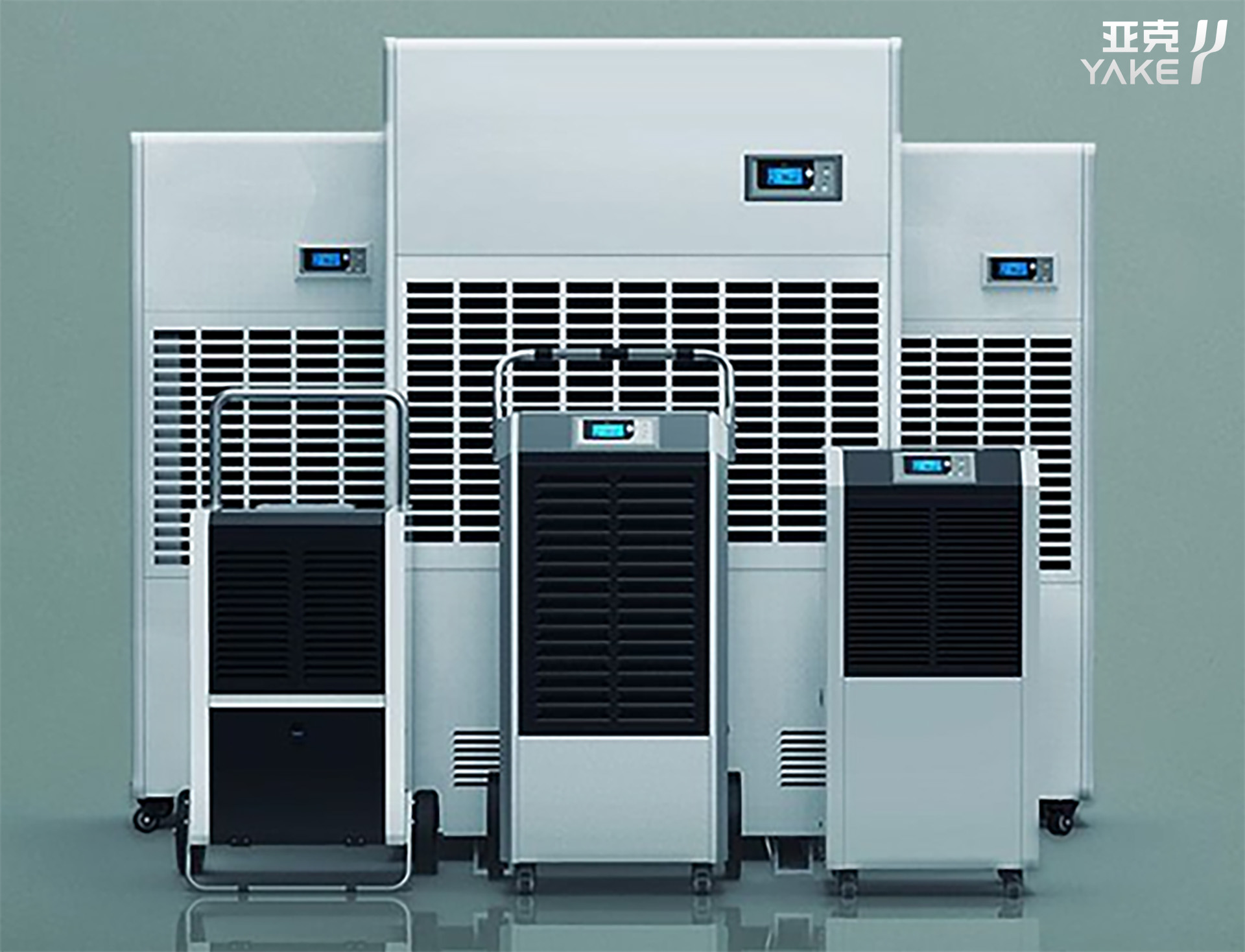
Contact us to find the best place to buy your Yakeclimate solution today!
Our experts have proven solutions to keep your humidity levels in check while keeping your energy costs low.