
Building 34, No. 535 Shunfeng Road, Hangzhou, Zhejiang, China
[email protected]
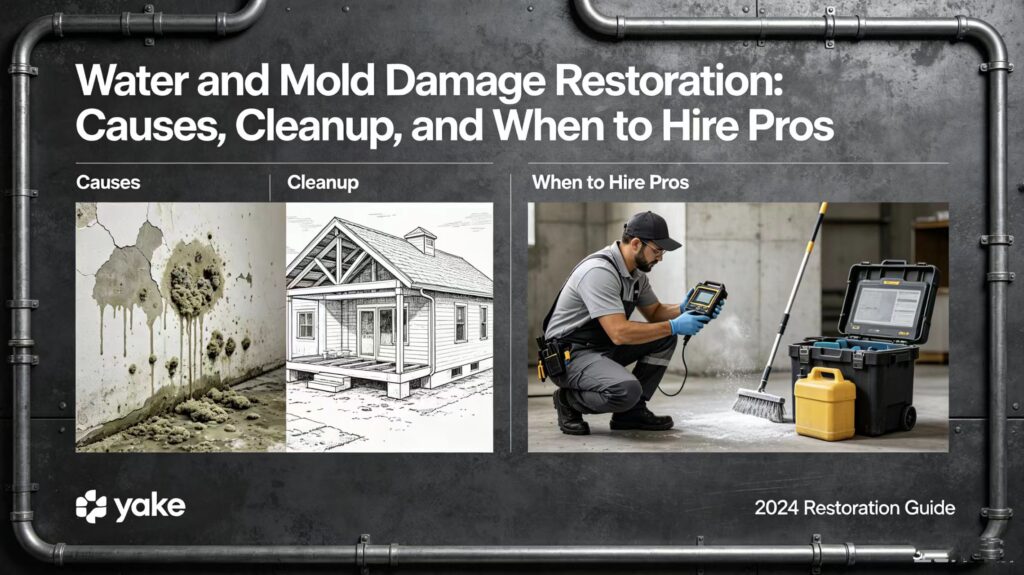

Water and mold damage restoration involves eliminating water, drying the affected structures, and addressing mold in order to restore a building to a safe, functional condition. It includes water extraction and drying with dehumidifiers, cleanup and sanitizing, and targeted mold remediation. Experts utilize moisture meters, thermal imaging and containment to restrict dissemination and device repairs. Costs and timelines depend on the water source, material type, and contamination extent, with clear documentation key for insurance claims. Homeowners and building managers alike are confronted with health risks from mold spores and structural weakening from prolonged moisture. The body details what to do, when to hire professionals, and prevention tips.

Water entry and excess moisture create the perfect environment for quick mold development and rot. Early recognition of common causes directs inspection, mitigation, and repair priorities. Below are common causes of water damage and why timely response is critical to avoid mold that can start within 24 to 48 hours.
Getting ahead of the damage is important to minimize structural damage and health risks from water damage and mold. Full evaluation aims at walls, floors, ceilings and voids where moisture lurks. Employ tools and visuals in tandem. Surround drying can at least minimize hidden damage and mold and mildew growth.
Look for visible mold spots, water stains, and wall discoloration as early signs of hidden damage. Inspect floors, carpets, and baseboards for warping, bubbling, or softness. These usually signify hidden saturation or rot. Peeling paint, cracked drywall, and sagging ceilings indicate long-term leaks and could be hiding mold colonies within. Photograph and keep a log of each spot, and record measurements and dates for the insurance and repair crews.
Mold or musty odors typically expose growth behind walls or beneath flooring. Stubborn damp odors in rooms when walls or floors may appear dry need to be checked for slow leaks that trap moisture. Portable air scrubbers and HEPA filtration minimize airborne spores during evaluation and remediation and assist in quantifying air quality improvements. Follow the strength of the odor through the days to determine if drying and remediation efforts are proving effective or if additional treatment is necessary.
| Technique | Use | Benefit |
|---|---|---|
| Moisture meters | Surface and in-depth scans | Pinpoint damp pockets not visible to eye |
| Infrared thermal imaging | Scan for temperature anomalies | Reveals wet areas behind finishes |
| Borescope inspection | Small camera into cavities | Visual check inside wall and ceiling voids |
| Air and surface sampling | Lab tests for spore counts | Quantifies contamination levels |
Engage a certified mold remediation company for thorough inspections and these specialized techniques, particularly for regions beyond 10 square meters or if health hazards are present. Map damaged areas with digital tools to design focused rebuilds and prioritize drying and extraction. Test air and surface samples to guide cleanup and confirm results afterward.
Wear gloves, goggles, and an N95 respirator when dealing with mold. Deploy dehumidifiers and maximize airflow to assist in maintaining dryness. Small mold patches under 1 square meter can be treated by a competent homeowner, and larger infestations will require professionals and can take days to clear.
Water intrusion and unchecked mold growth create stacked issues that multiply rapidly. Instant wet can turn into rot, mold, and permanent depreciation. The following subsections describe how those risks play out and what to verify first.
Water softens wood, warps, and rots alter load paths, and drywall loses its strength once soaked. Rotted joists and compromised foundations might not exhibit significant shifting initially but can collapse over a matter of months. Replace warped surfaces and unsalvageable drywall instead of patching. This returns the building to pre-loss condition and avoids failure loops.
Typical mold symptoms are ongoing cough, sneezing, eye irritation, headaches, and exacerbated asthma. Mold spores are airborne and increase the risk of respiratory illness among both allergic and non-allergic people, while immunosuppressed people can have dire outcomes.
Use EPA guidance and OSHA rules for containment, air handling and clearance testing. Wear PPE—respirators, gloves and eye protection—while cleaning to minimize exposure to mold, bacteria and potential biohazards. Remediation that disregards health guidelines can disseminate spores via HVAC systems, increasing occupant disease risk and legal exposure.
Soft, crumbling drywall, discolored ceilings and deteriorating carpet or upholstery are early indications of significant material damage. Porous materials, such as insulation, fabrics and certain furnishings, are rarely able to be completely remediated after colonization and must be discarded. Mold can allow fungi to begin colonizing within 24 to 48 hours, while mildew forms soon after, creating odors and stains.
Ditch soggy materials and toss tainted goods to stop mold in its tracks. If restorable, apply professional cleaning, drying, and antimicrobial treatments. If not, replace to get rid of sources of lingering smell and future outbreaks.
An organized, methodical approach guides professional restoration: assessment, mitigation, remediation, and final restoration. Each phase answers what must be done, why it matters, where work will occur, and how steps are verified. Documentation and adherence to industry and environmental rules are kept from start to finish to support insurance claims and safety.
A full inspection is the first step to judge the scope and source of damage. Technicians use moisture meters, infrared imaging, and visual checks to find wet walls, floors, and hidden cavities. The inspection notes materials, water category, and structural risks. From that data, a detailed plan is written with timelines, estimated equipment needs, and expected outcomes. Technicians explain the plan to owners and note safety issues like live circuits or sagging ceilings that must be addressed before entry.
Take out any standing water right away with pumps and professional extraction units. Household vacuums are dangerous and will short or shock. Following bulk removal, industrial dehumidifiers and air movers reduce drying time, typically just a few days to a week depending on material porosity and humidity. Non-salvageable items like soaked insulation or drywall are removed to prevent mold growth. Ongoing moisture monitoring with logged readings indicates when drying targets have been achieved and remediation can safely begin.
Isolate the work space with plastic barriers and negative air machines to prevent spore transmission. Any visible mold is removed by scraping and HEPA vacuuming. Surfaces are cleaned with EPA-approved agents and biocides when needed. HEPA filtration continues until airborne spore levels reach acceptable concentrations. Remediation adheres to IICRC, CDC, and EPA guidance. Licensed, IICRC-certified technicians perform the work and confirm with clearance testing.
Repair work restores the property by replacing drywall, flooring, insulation, and finishing surfaces to pre-loss condition. Painting, refinishing, and sanitizing complete the image and cleanliness makeover. A final walkthrough verifies that water and mold remediation is complete and that the space is safe to occupy. All steps are documented with photos, logs, and reports for insurance and future prevention planning.
The restoration crossroads is the point where choices determine outcomes. It is where property owners decide between quick fixes and thorough recovery, minor repair or full renovation, DIY or hiring specialists. Those choices shape costs, timelines, and the long-term health of the building. Clear assessment, goals, and communication among owners, restoration firms, and insurers help prevent costly missteps and recurring mold or water issues.
DIY work can look like a money saver. Untrained people overlook hidden mold that lurks behind walls, beneath flooring, and in air ducts. Poor PPE and containment increase exposure risks for occupants and workers. Attempting to dry or sanitize without moisture meters, thermal imaging, or appropriate antimicrobials frequently leaves residual dampness. Mold returns. Transporting tainted materials without protection disperses spores to uncontaminated locations and can proliferate the remediated zone.
Insurance issues are a dime a dozen post DIY efforts. Insurers can refuse claims if work is not professional standard or documentation is shoddy. For the unsure, the crossroads is a dangerous impromptu; what appears to be a minor blemish may be the early stages of a significant building or medical issue.
Certified restoration teams bring training, standards and specialized tools. IICRC-certified technicians follow stepwise protocols: inspection, containment, drying, cleaning, and verification. Tools include industrial dehumidifiers, HEPA-filtered negative air machines, moisture meters, and infrared cameras that discover lurking wetness. Pros give you plans, updates, and sign off on moisture levels before finishing work.
Experienced companies provide warranties, monitoring after work, and transparent transitions to builders for renovations as well. At this restoration crossroads, opting for a trusted company minimizes risk, aids insurance claims, and can enable homeowners to combine restoration with strategic renovations for enhanced long-term value.
Record damage with dated pictures, videos, and inventories right away. Save receipts and a mitigation log, whether by you or a hired firm. Early contact with your insurer helps to clarify covered losses and any required vendors or standards. Submit organized claims packets: forms, photos, contractor estimates, and receipts.
Partner with restoration companies who are used to dealing with claims. They can share scope of loss reports and do direct billing. Good coordination trims approval time and helps restoration stay on course. Smart planning at this crossroads stops procrastination, guarantees coverage, and determines repair priority.
In this section, we describe hands-on strategies to proactively prevent water intrusion and mold growth with a risk-reduction checklist, humidity guidelines, tech options, and tenant education.
Checklist (quick reference)
Employ dehumidifiers in basements and humid climates and operate exhaust fans in kitchens and bathrooms during and post use. Keep indoor humidity at 30 to 50 percent using a hygrometer. Levels above 60 percent increase the risk of mold. Condensation on windows or cold pipes means trouble; wipe it dry and follow it back to banish lingering damp. Change HVAC filters and service on schedule and keep those systems moving air and controlling moisture. Keep in mind mold can flourish 48 to 72 hours following water exposure, so immediate drying counts. For minor mold infestations, scrub down with water and detergent or a 10 percent bleach solution, taking care to use gloves, eye protection, and ventilation.
Place water leak sensors close to water heaters, beneath sinks, and near appliances. Connect with humidity sensors and smart thermostats to get notified when it’s too much. Establish flood alerts or leaks so you can be quick. Prompt mitigation stops mold and damage. Where you can, share device data with service providers. Common logs enable restoration teams to identify trends and prioritize maintenance. Transform reactive repair into scheduled maintenance with actionable data.
It’s repair and cleanup that counts. Quick response controls damage, reduces cost, and keeps health risks down. Early small leaks halt mold growth. Use clear checks: look for stains, damp smell, and warped floors. Call a certified pro for cabinet loss, long water, or visible mold. Water and mold damage restoration is what gets your home back to safe use – proper drying, mold removal, and repair. For maintenance, perform regular inspections, repair seals, and maintain humidity under 60 percent using a dehumidifier or exhaust fans. A snap strategy, consistent care, and expert assistance go a long way. Read local guides, compare contractors, and choose one with concrete steps and work evidence. OK, so we’re ready to proceed? Request a quote from a trusted restoration team today.
Leaky roofs, burst pipes, inadequate drainage and indoor humidity levels that are too high are often the cause. Flooding and slow leaks concealed in walls or beneath floors provide ideal conditions for mold growth.
Check for musty smells, patchy stains on your walls or ceiling, peeling paint, warped floorboards, and mysterious allergy bouts. Use a moisture meter or arrange a professional infrared inspection for hidden pockets.
Call a pro if water covers more than a small area, if mold is extensive, or if the source is unknown. Our experts encapsulate contamination, eliminate damaged content, and restore structure safely.
Mold can cause allergies, asthma, and respiratory irritation. Anyone with a compromised immune system is especially at risk, as are young children and the elderly. Fast removal minimizes health hazards.
Little jobs can take days. Significant structural or mold remediation can require weeks. Time depends on the extent of the damage, drying needs, and the repair or replacement of materials.
Yes. Tip: Shut off the water, dry everything within 48 hours, remove wet porous materials and control indoor humidity to less than 60%. Routine inspections and maintenance mitigate risk.
Coverage differs by policy and cause. Sudden, accidental events tend to be insured. Long-term neglect or flood damage often is not. Document damage and call your insurer promptly for direction.


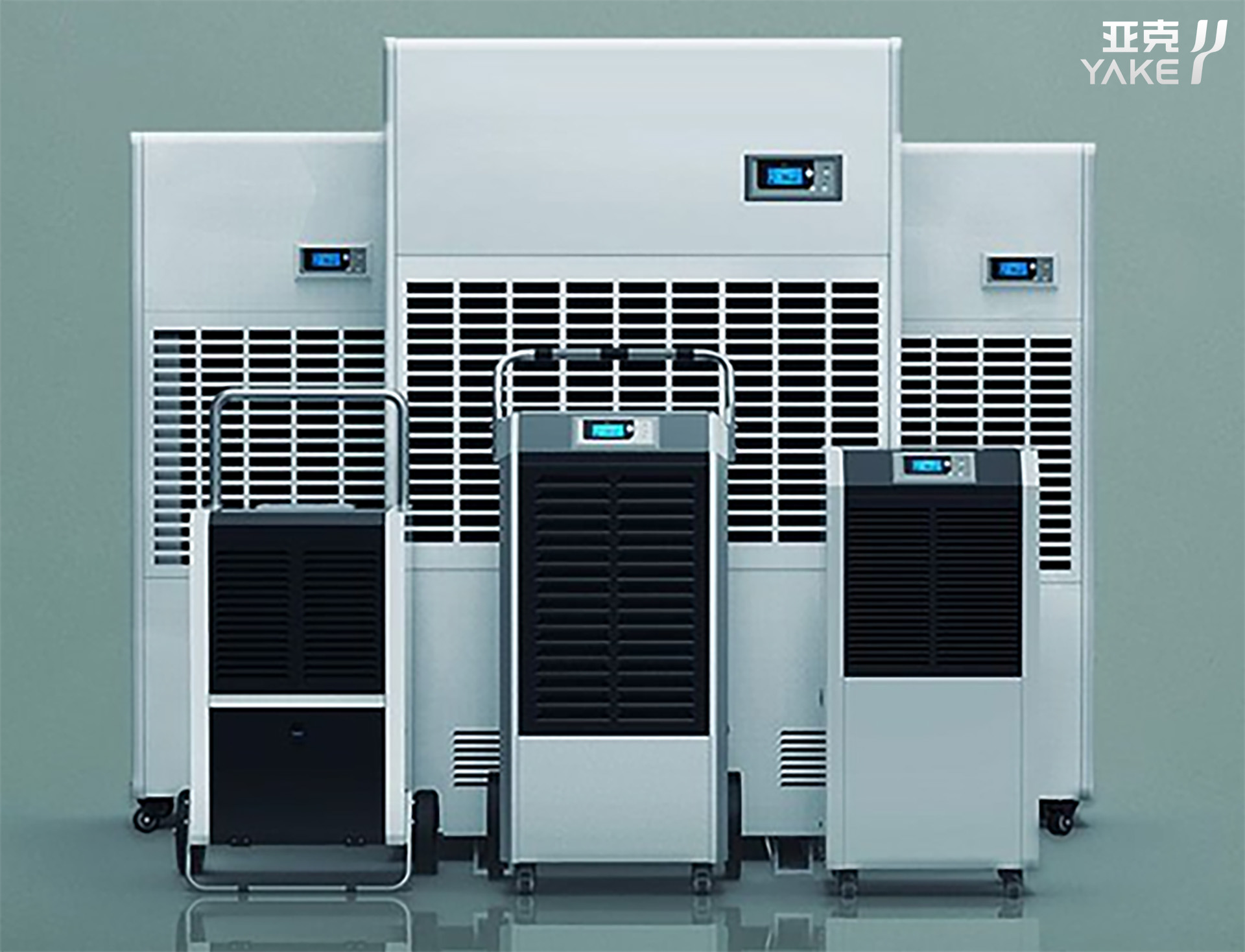
Contact us to find the best place to buy your Yakeclimate solution today!
Our experts have proven solutions to keep your humidity levels in check while keeping your energy costs low.