
Key Takeaways
- Urban greenhouses enhance food security by allowing for perennial crop growth, promoting dietary variety, and lessening dependence on remote supply networks.
- These projects generate economic opportunities, foster entrepreneurship, and support local markets with fresh fruits and vegetables and employment within urban communities.
- Urban greenhouses are a game changer for the environment by promoting biodiversity, reducing carbon footprints, and cultivating sustainable cities with their resource-efficient designs.
- On that note, here are some tips for successful urban greenhouse designs to get you started.
- Smart technology such as automation, data analytics, and energy-efficient solutions optimize processes, support sustainability, and bring urban farming to the masses.
- Community engagement and human elements turn greenhouses into centers of learning, social connection, and enhanced quality of life for city dwellers.
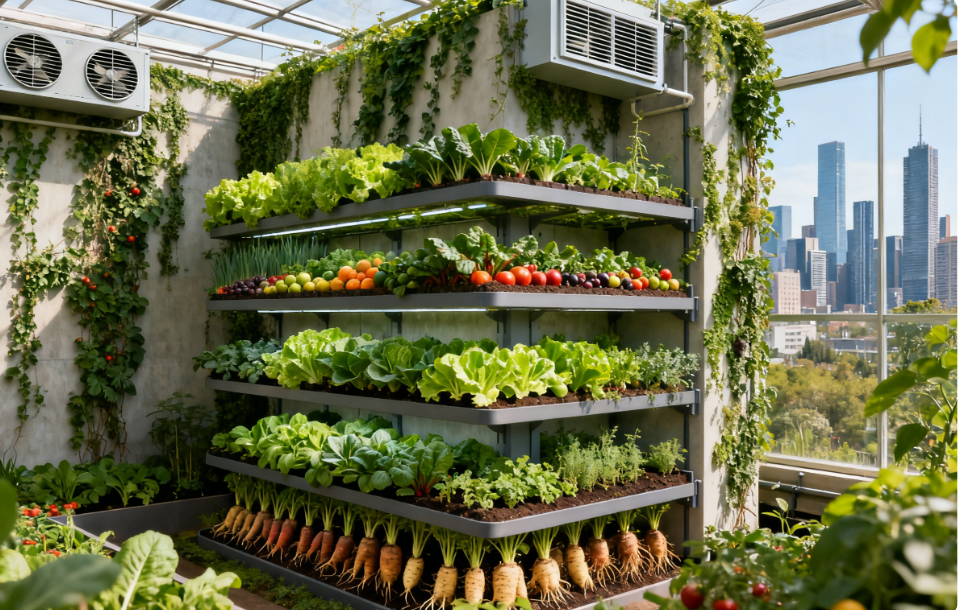
Urban greenhouse design is the process of designing and constructing greenhouses within urban environments to cultivate crops in a controlled manner. A lot of these cities utilize rooftops, abandoned lots, or tiny indoor spaces to establish these greenhouses, which assist in bringing fresh food right near where the action is. Like most urban greenhouses, it relies on smart controls to regulate light, air, water, and heat. This facilitates better plant growth and conserves space. Urban greenhouse design includes simple layouts, clear air flow, and strong but light frame materials that matter most for city setups. Most growers opt for hydroponics or vertical racks to cultivate more food in less room. To select the ideal design, cultivators monitor regional climate, architectural regulations, and the particular species they wish to cultivate. The next part shows design highlights.
Rethinking Urban Food Systems
Rethinking urban food systems With the increasing urbanization of our population, the difficulty of feeding everyone equitably, healthfully, and in an environmentally sustainable manner that can withstand shocks only intensifies. Urban agriculture, including greenhouses, can help plug holes in food deserts where the most vulnerable are without access to healthy fare. Bypassing food production near cities can reduce emissions from transit, relieve strain on worldwide supply chains, and perhaps even repurpose neglected spaces. These initiatives require insights from disciplines such as urban design, agriculture, and sociology to be effective across the board.
- Boost local food supply, lowering reliance on imports.
- Improve access to fresh produce in underserved communities.
- Create jobs and new skills in urban farming.
- Cut emissions by shortening food transport routes.
- Make cities more resilient to supply chain shocks.
- Offer learning and engagement for all city residents.
Food Security
| Urban Greenhouses | Traditional Farming |
|---|---|
| Grows food year-round | Limited by seasons |
| Close to consumers | Often far from cities |
| Can be placed in unused spaces | Needs large, open land |
| Less affected by weather | Vulnerable to climate extremes |
Urban greenhouses enable cities to cultivate a wide variety of crops year-round, promoting improved nutrition. By establishing greenhouses in food deserts, cities can help combat the scourge of food deserts. They assist low-income families to access healthy food. Localized production keeps cities less reliant on long supply chains, which break down during crises.
Local Economy
Urban farming creates new professions, from growers to vendors. It provides them with a path to entrepreneurship, such as selling produce or conducting gardening workshops. A bunch of cities now provide training and assistance to teach residents these skills. When local stores and restaurants purchase from city farms, dollars circulate through the community. With school and nonprofit partnerships, these programs can extend their reach and local connections.
Environmental Impact
Integrating greenhouses and gardens into cities provides wildlife with habitats and promotes urban biodiversity. More critically, plants in these spaces absorb carbon, a key element in combatting climate change. Greenhouses could help to cool down hot urban zones, making them more livable. Recycled materials, rainwater catchment and organic pest control keep these projects green and sustainable.
Key Urban Greenhouse Design Principles
They have to squeeze into dense city spaces, optimize the available resources and yet support healthy plants. A great greenhouse will find an equilibrium between plant requirements, durable materials, and human comfort. Here are five core principles to guide urban greenhouse design, along with actionable steps and real-world examples.
1. Light Management
Greenhouses should receive as much natural light as possible. Sit them where tall buildings least block the sun. Use clear glass or polycarbonate panels with high light transmission. Shading systems, such as retractable screens, assist with managing excess sun and prevent plants from overheating. Reflective surfaces on the inside bounce light around, so even the darkest corner gets enough. On cloudy days or in winter, LED grow lights fill in the gaps, keeping plants thriving.
2. Climate Control
Consistent temperature and humidity are essential. Include vents and fans for fresh air and to keep mold at bay. Massive walls or concrete floors absorb heat, moderating large temperature fluctuations. Automated control systems, similar to smart thermostats, regulate temperature and humidity for each crop’s individual requirements. Include roof vents or thermal curtains to reduce energy consumption.
3. Space Optimization
Space is tight in the city, so incorporate vertical racks or stacked planters. Modular units allow growers to easily expand space as needed or rearrange their configuration. Other greenhouses intermingle growing spaces with seating or educational areas for the community to come in. Paths need to be wide and uncluttered, particularly if people will be working their way through with implements or wheelbarrows.
4. Water Systems
Catch roof rainwater and conserve it for droughts. Drip irrigation or hydroponics conserve water and prevent runoff. Aquaponics, connecting fish tanks and plant beds, is a second way to recycle water. Systems require convenient access for cleaning and inspecting water quality.
5. Material Selection
Choose materials that endure sun, wind, and urban tempest. Recycled steel, sustainably harvested wood, and low-carbon concrete reduce the greenhouse’s environmental impact. Insulated panels trap in heat or cool air, conserving energy. During component replacement, utilize recyclable materials or repurpose.
Integrating Greenhouses into Cityscapes
City greenhouse design mixes contemporary agriculture with the urban lifestyle. These greenhouses nestle into urban environments, providing fresh food and nature right where people are. Today’s designs intelligently integrate greenhouses with city buildings, public spaces, and community needs. This assists cities in growing more food with less land and water. These urban greenhouses enhance wellness and unite communities, infusing city living with vitality and health.
Rooftop Models
Rooftop greenhouses utilize space that would otherwise typically go unused. They’re ideal for urban areas, in which free ground space is limited. By growing food on rooftops, it eliminates the requirement for long transport and reduces the temperature of the building below. When constructing these, it’s essential to verify the load-bearing capacity of the roof and create safe, easy access for both workers and the local community. A little bit of plants and glass can make the roof more attractive from the street. Rooftop greenhouses can connect with building systems, sharing heat, water, and even CO2 to reduce waste. They could be sunrooms or petite community gardens, providing residents a spot to gather or unwind.
Vertical Farms
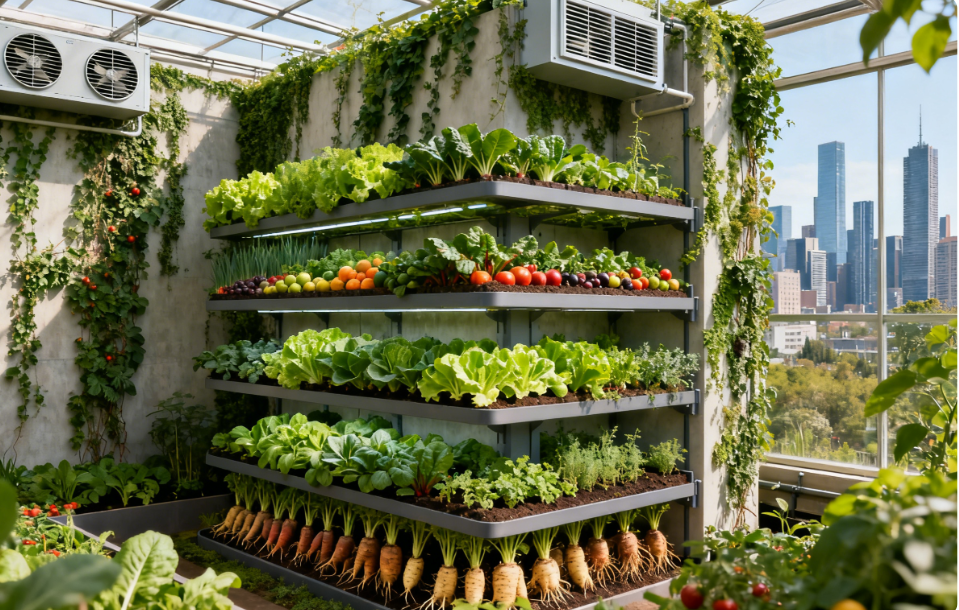
Vertical farms pile grow-spaces up high, squeezing the most from cramped locations. With shelves and walls, they let cities grow more food in less space. These farms employ drip irrigation and other water-saving implements to reduce waste. They’re most effective when they use controlled environments for light, heat, and air, like greenhouses. We should design our farms to scale as a greater amount of food is required, with modular components that can be added in the future. Several vertical farms operate tours or classes, assisting individuals in understanding how food is cultivated indoors.
Building-Integrated
Others are integrated into new or existing structures, such as malls or educational facilities. These greenhouses frequently tap into the building’s heating or cooling for energy savings. Green walls and glass grow spaces can really make a building pop in the city. When greenhouses are accessible, you can drop by, work, or attend a group activity and transform the building into a genuine community asset.
Detached Greenhouses
Free-standing greenhouses are located in parks or adjacent to community centers, where they receive the most sun and fresh air. These greenhouses can toggle between growing food, flowers, or even conducting classes. Wide doors and paths facilitate the transport of goods. Around them, open-air spaces can be configured for meetups, bazaars, or classes, fostering tight-knit communities.
Smart Greenhouse Technologies
Smart greenhouse technologies redefine how growers cultivate crops in urban environments. They make greenhouses grow food quicker, more efficiently and with less waste. They thrive in a wide variety of climates, perfect for city centers, homes, and even unconventional spaces that were never intended for farming. With expert piping configurations, such as the Tichelmann design, heat circulates evenly throughout the greenhouse, reducing energy costs and ensuring consistent growth. These systems aren’t simply technical solutions—they fundamentally influence the way cities are designed, operate, and even how they design for the future.
Automation
These smart greenhouses are designed to feed themselves with automated watering, light adjustments and temperature-controlled air. They nourish plants when required, freeing laborers to tackle alternative tasks or operate remotely via controls. Here, plant health is monitored with sensors and cameras that detect issues early, like dry soil or infestation. The outcome is less error and more robust plants without as much manual labor. In small city greenhouses, automation enables operators to control multiple grow zones simultaneously, optimizing labor efficiency and facilitating the scaling of food production.
Energy Solutions
Solar panels provide clean power, reducing greenhouse gas emissions and expenses. Energy-efficient LED lights and heating units consume less energy and have a longer lifespan than traditional forms. A few growers I talked to use batteries to store surplus power from sunny days, so they can keep things going at night or during storms. For consistent heating, geothermal systems draw heat from the ground, which is dependable and less expensive over time. Using the Tichelmann piping method, heat is distributed uniformly, ensuring plants on every row receive consistent attention, minimizing resource waste and maximizing growth.
Data Analytics
- Growers gather many types of data, including temperature, humidity, light, soil moisture, water use, nutrient levels, and even plant growth rates.
Data from sensors is checked to observe trends in plant health, water consumption, and energy usage. By recognizing patterns, cultivators adjust conditions to cultivate additional food with less consumption. Smart Greenhouse Technologies
Read More Predictive analytics help plan for issues like disease or weather changes, so growers can act before problems spread. Sharing this knowledge with other growers, companies, or the public instills faith and helps us all become more knowledgeable, smarter, and more transparent urban farmers.
Overcoming Urban Constraints
Urban greenhouse design is constrained by dense construction, limited land, and air pollution. Innovation is critical in cities, where space is limited and resources are more expensive. Designers are toying with indoor farming, hydroponics, aeroponics, and vertical farming. Such systems allow cultivators to pile plants or employ tiny plots, converting rooftops or empty rooms into fertile ground. Flooring for food and fun maximizes city buildings. Greenhouse projects have to cooperate with city planners, so they fit with roads, parks, and housing. That aids urban farms in delivering fresh food to those nearby, reducing food insecurity.
Policy support for urban farms can assist with land use, food safety and building code regulations. These rules tend to vary from city to city. Advocates can collaborate with administrators to streamline starting new greenhouses or utilizing circular building materials. Others advocate for green roofs or collapsible greenhouses, providing more opportunities for crops to be grown year-round even on a limited footprint. When urban agriculture became increasingly significant at times of crises, such as the Covid-19 pandemic, we understood the importance of these ecosystems to our local food and security.
Microclimates
Every city consists of numerous microclimates. Greenhouse designers have to consider factors such as wind, sun, and shade in order to select an optimal location. A greenhouse on a sunny roof will require different insulation than one in the shadow of buildings.
Designers can contour the landscape around greenhouses with trees or green walls to deflect wind, provide shade, or introduce additional sun. This aids crop growth and reduces heating and cooling expenses.
Getting an eye on the microclimate with sensors allows growers to shift how they grow. If the weather changes, they can trade crops or tweak humidity and light. Occasionally, simply moving beds or deploying simple shades can go a long way.
Air Pollution
| Plant Type | Air Quality Impact |
|---|---|
| Spider plant | Removes formaldehyde |
| Peace lily | Absorbs benzene |
| Snake plant | Filters nitrogen oxides |
| Bamboo palm | Dust reduction |
Urban greenhouses could assist in cleaning the air by cultivating vegetation that captures pollution and absorbs toxic gases. Some plants perform better than others, so choosing varieties such as peace lilies or snake plants can assist significantly.
Growers select crops that can withstand harsh urban air. Greenhouses have filters and sealed walls that block outside smoke or chemicals.
These projects demonstrate for city dwellers that air can be made cleaner by plants. Once additional individuals recognize the advantage, city backing tends to expand.
Structural Loads
Greenhouses in cities have to be subjected to building codes and must be checked for wind, snow, or an earthquake. Old roofs or abandoned lots require attention to keep them secure for all.
Light and strong components, such as aluminum frames or plastic cladding, prevent overloading of old structures. Foldable greenhouses are useful for real estate-challenged sites or if they need to be portable.
Don’t stop checking for problems. Frequent inspections capture leaks, rust, or jostled components early before they become a hassle.
Beyond Food: The Human-Centric Design
It is no longer solely about food production when it comes to urban greenhouse design. It now influences what it means for humans to connect, learn, and feel in cities. The more-than-human view confronts ancient food traditions that center on just profits and people. Instead, it calls on us to nurture all beings, not just plants and people.
Spaces that unite us are important. When greenhouses include classrooms, open meeting spaces, or tiny cafes, they become neighborhood hubs. These places assist humans in exchanging concepts of cultivating, preparing, and tending to the earth. Urban farms are excellent laboratories for experimenting with human-centric ways to cultivate food. Between events, gardening lessons, and group planting days, it’s hard not to feel a part of the project for anyone. This belonging fuels learning and unites disparate individuals.
Greenhouses can provide folks locations to decompress. Benches, gardens for walking, or shady corners all aid people to relax. These silent places are salubrious. Proximity to plants, the feel of soil and the magic of seeing things grow can boost moods and reduce stress. Gardening provides urbanites a respite from digital overload and the crush of humanity, enabling them to re-engage with the natural world. There are many studies demonstrating how time with plants reduces anxiety and boosts well-being.
Designers need to start thinking about what places look and feel like, not just foods. Art makes greenhouses more than utilitarian. By inviting local artists to paint murals or construct monuments, each location gains its own distinctive character. It can tell the stories of the neighborhood or the multitude of lives—plants, bugs, humans—that co-inhabit the greenhouse. Some artists employ sound, light, or even scent to emphasize the lush, communal world within. This turns each visit into a feast for the senses, not just the eyes.
Greenhouse teams can borrow from the ‘perspectival approach.’ Staff and volunteers observe things such as the flavor of soil, the hum of bees, or the feel of leaves. This kind of attentiveness cultivates a profound reverence for the human and nonhuman lives that populate life. It fosters a responsibility to nurture the land and everyone who relies on it.
Conclusion
Urban greenhouse design continues to sprout like crazy all over town. They seek fresh food locally, and novel concepts are transforming urban landscapes. Greenhouses can be placed on rooftops, in vacant lots or even within buildings themselves. Easy plans, clever climate tools, rugged construction designs help crops flourish in compact locations. Multi-purpose spaces are flexible setups that mean spaces work for food, work, and education. These spaces inject nature into everyday life and nourish more than just the body. To innovate, experiment, celebrate successes, and collaborate with urbanites to achieve optimum outcomes. Any interested in increasing urban agro-food systems can begin modestly, experiment, and expand. Contact to connect with others who care about fresh city fare.
Frequently Asked Questions
What are the key principles of urban greenhouse design?
Some of the key principles are to maximize sunlight, use space efficiently, conserve water and use sustainable materials. The designs need to be specific to the local climate and enable year-round food production in urban areas.
How can greenhouses be integrated into city environments?
Greenhouses can be rooftop, community garden, or integrated into a building’s facade. This not only conserves space but relocates food production closer to the urban dweller.
What smart technologies are used in urban greenhouses?
Smart tech encompasses automated climate control, LED grow lights, remote monitoring, and humidity, temperature, and soil sensors. These tools increase productivity and production.
What are the main challenges of building greenhouses in cities?
Space constraints, prohibitive expense, and heavy regulation are typical. There’s the question of access to sun and water and how this might affect the urban environment, which designers will have to grapple with.
How do urban greenhouses benefit city communities?
Urban greenhouses deliver fresh food, cut transportation pollution, generate jobs and provide educational experiences. They enhance air quality and promote local food security.
Can urban greenhouses be designed for purposes beyond food production?
Yes, they can act as community hubs, educational facilities, or green sanctuaries. Human-centric designs promote well-being and social interaction.
What is the importance of sustainability in urban greenhouse projects?
Sustainability is what makes it all last by minimizing energy and water consumption, decreasing carbon footprints, and supporting surrounding ecosystems. For me, sustainable design supports people as well as the planet.