
Building 34, No. 535 Shunfeng Road, Hangzhou, Zhejiang, China
[email protected]


Post-harvest drying techniques refer to strategies that remove moisture from crops after harvest to maintain quality, reduce losses, and prolong storage life. Farmers and processors employ a variety of drying techniques including sun and shade drying, heated air drying, solar dryers, and low-temperature dehumidification systems. Each technique impacts product moisture, color, flavor, nutrient levels, and mold risk differently. The technique used depends upon crop type, climate, energy cost, and scale of farm or facility. In today’s controlled indoor spaces, growers will often combine air flow, temperature, and humidity control to achieve safe and sometimes even curing drying. The following analyzes critical strategies, advantages and disadvantages, and implementation considerations for each in greater detail.
Post-harvest drying extracts excess water from crops so that microbes cannot thrive easily, which delays decay and preserves food quality. When your growers dry at the right speed and final moisture, they increase shelf life, protect product value, and minimize loss in storage and transit. For many farms, particularly in humid areas, drying is one of the primary mechanisms that connects a quality harvest to real earnings and sustainable food stocks.
Drying intends to reduce moisture to a level at which molds, bacteria, and storage pests can’t survive. Take maize, for instance. Maize stored above approximately 14% moisture typically exhibits mold growth within weeks of storage in warm climates, whereas maize dried down to 12 to 13% can store considerably longer. Comparable thresholds exist for wheat, beans, and oilseeds at their respective safe moisture ranges.
Uneven drying is the Achilles heel. If the surface dries but inner layers remain damp, concealed moisture pockets become “hot spots” of mold and rot. This is a common occurrence in bulk grain heaps, compact herb bunches, or heavy nut layers. Airflow that contacts every part of the crop and frequent turning or mixing helps balance moisture.
Drying doesn’t conclude when the heat or air flow ceases. If RH is high, ambient air will rehydrate it during storage. Post-harvest drying is crucial because sealed storage and humidity control, like dehumidifiers in indoor facilities, maintain sub-moisture-wicking conditions.
Most producers rely on a combination of visual inspections and rudimentary instruments to verify dryness. Grain should be hard and free flowing. Herbs should snap instead of bend, and there should be no musty odor. Inexpensive moisture meters bring an additional measure and eliminate guesswork prior to crops entering storage.
Quality drying is not just about halting spoilage; it’s about maintaining color, flavor, texture and nutrients as close to the fresh product as possible. Temperature and time are a big deal here. For example, drying chili peppers too hot can darken the skin and squelch flavor. Moderate temperatures maintain the red color and aroma. The same goes for tea leaves, coffee cherries, medicinal herbs, and a lot of fruit.
Going over-dry causes a whole other set of problems. When moisture dips much below this range, grains become more prone to cracking during handling and milling, nuts become overly brittle, and herbs may lose essential oils that provide aroma and active compounds. This can decrease costs and diminish efficiency at processing, whether it is oil extraction or roasting.
Physical damage impacts perceived quality as well. Rough loading, thick uneven layers, or sharp drying racks cause broken kernels, bruised fruits, and crushed leaves. We’ve learned from experience that simple measures, such as smoother surfaces, moderate layer depth, and careful turning, often reduce losses with no significant added expense.
Once crops are dried to target moisture, packaging seals in that quality. Airtight or low-permeability bags, sealed bins, or food-grade containers combat oxygen, moisture, and bugs. Adding inner liners or vacuum or modified-atmosphere packs can extend this even further, especially for premium spices, coffee, and dried fruit.
Drying is directly tied to farm income. Every kilogram lost to mold, pests, or quality downgrade is money lost. A grain lot that can fall from food to feed grade because of poor drying can still sell, but frequently at a significantly lower price, wiping out razor thin profit margins. Consistent drying reduces these hazards in a measurable manner.
When crops store well, farmers and traders have a lot more flexibility in terms of when to sell. Rather than having to push product to market immediately post-harvest when supply is abundant and prices tend to be low, they can hold inventory for weeks or months and wait for more optimal price windows. This scheduling flexibility can be essential for small and medium cultivators.
Moisture elimination lightens weight and sometimes volume as well. This translates into lower transport costs per kilogram of marketable product and fewer issues with perishability during long-distance shipping. For coffee, cocoa, or oilseed exporters, controlled drying to meet strict moisture and quality requirements opens access to higher-value markets and longer contracts.
Post harvest drying ranges from open air to sophisticated controlled systems. All have their place for specific crops, climates and budgets. The decision often begins with a reality check of your local weather, labor, space and energy availability.
Farmers layer grains, spices, nuts, or sliced fruits thinly on mats, tarps, or concrete yards, then rake to turn and dry in the sun. Raised racks or mesh tables keep produce off the ground and limit dust and animal contact, while simple covers or quick shelter assist when rain comes unexpectedly.
Sun drying is optimal in arid regions with reliable weather and abundant labor, such as many semi-arid climates. It tends to have problems in humid tropical regions, where slow drying can induce mold. Quality is about close monitoring, rapid removal when cloud or rain arrives, and basic hygiene.
Solar dryers contain the crop inside a transparent cover and in a closed or semi-closed chamber to trap solar heat and circulate the warm air across the crop. Others include an additional solar collector and fans to accelerate the airflow. This rig dries herbs, fruits, and vegetables quicker than open sun and keeps off bugs, birds, and dirt.
Solar drying fits sunny locales with limited electricity where you want a grade above sun dried. It frequently suits tiny to medium sized cooperatives drying mango slices, chilies, or medicinal herbs.
Mechanical dryers employ fans and heaters, typically powered by electricity, gas, or biomass, that force controlled hot air, usually between 35 and 80 degrees Celsius, through grain or other produce. Operators control temperature and airflow to maintain even drying and prevent overheating. Routine maintenance and calibration ensure consistent operation.
These systems fit staple grains in muggy or wet harvest seasons or massive operations that simply can’t stand drying to clear skies. They are perfect near storage or milling points where capacity and dependability are worth more than the lowest energy expense.
Freeze drying freezes the product well below 0 °C, then sublimates ice directly into vapor under vacuum. It maintains cell structure, shape, color, and volatile flavors, so berries, instant coffee, and specialty herbs stay high quality and rehydrate well.
Because of costly vacuum chambers, refrigeration, and extended cycle times, freeze drying is generally limited to high value segments. It is typical in export snacks, nutraceuticals, or ingredients where high prices compensate for overhead.
Osmotic drying immerses sliced fruits or vegetables in concentrated sugar or salt baths that draw out moisture through their cell walls. This preserves vivid color and gentle bite while introducing some solution solids, typically prior to a brief final drying phase using hot air or a solar dryer.
This method suits high-moisture fruits such as pineapple, papaya, apple, or tomato and frequently aims at snack or ingredient markets. It requires food-grade addressing, sanitation management, and recuperation or recycling of syrup or brine to maintain economy.
Choice of drying method ties closely to crop characteristics, local weather, scale of operation and your target end-market. Each of these constrains or expands what is feasible, safe, and profitable.
| Crop type | Key traits | Suitable methods |
|---|---|---|
| Cereal grains | Hard, low oil, moderate heat-tolerant | Sun, ambient forced air, batch or continuous dryers |
| Pulses | Hard seed coat, crack risk | Low–medium temp hot air, mixed-mode solar |
| Leafy herbs | Very delicate, aroma-sensitive | Shade drying, low-temp forced air, dehumidifier |
| Spices (whole) | Aroma, oil-rich | Indirect solar, low-temp hot air, heat-pump |
| Fruits (slices) | High sugar, sticky, color-sensitive | Solar tunnel, tray dryer, freeze-drying (premium) |
| Nuts | Oil-rich, rancidity risk | Ambient or slightly warmed air, low RH control |
Drying temperature, air speed, and light exposure require fine tuning for every crop. Herbs, green tea, and leafy vegetables do best at lower temperatures of 30 to 40 degrees Celsius and low light to preserve color and volatile compounds, while roots such as cassava can sustain temperatures of 60 to 70 degrees Celsius without any great loss in quality. A number of spices and oilseeds require slow, gentle drying or they risk case hardening and off-flavor development.
Certain crops require additional attention as well, like turning cocoa beans during fermentation and drying or blanching vegetables prior to dehydration or using food safe trays for sticky fruit leather to prevent contamination and product loss.
Mean temperature, humidity, wind and rainfall determine what is feasible. In hot, dry seasons, sun or solar drying can work well for maize, rice, and chilies. In humid or rainy zones, you generally require covered, forced-air, or dehumidifier-assisted setups to prevent mold.
Weather data assists in choosing drying windows and daily schedules. Growers typically load trays late morning after surface moisture from dew has gone. They then schedule batch changes before evening when humidity rises once more.
To mitigate risk from storms or unexpected rain, several farms pair rudimentary solar dryers with backup fans, heaters, or dehumidifiers. They employ covered yards, raised platforms, and quick-move racks to shield product.
Scale determines what kind of equipment, labor, and degree of control are logical. A family might spread fruit on mats or small racks. A village cooperative could purchase communal solar tunnel dryers. Industrial plants use continuous-flow or tray dryers with automated controls.
Equipment size and airflow must correspond with daily harvest volume, or bottlenecks pop up and quality sinks. Cost per kilogram dried typically declines with larger systems, but only if sufficient throughput and good management keep them loaded.
After drying, figure out how you transport, sort, package, and store product. Mistreat this step and you’ve just wasted nearly all the progress of a perfect drying strategy.
Target shelf life, texture and appearance whittle down the method list. Crispy snack fruit, chewy dried mango, instant rehydrating vegetables or seed-grade grain all require quite different moisture endpoints and process curves.
Aroma-critical products like coffee, cocoa, and herbs typically prefer slower, gentler drying even if that increases unit costs.
Most markets have defined standards on moisture, defects and contaminants, thus drying procedures have to remain below those limits. Export buyers might want traceable batch records and repeatable moisture readings.
The future of post‑harvest drying is heading towards systems that are more rapid, more accurate, and less complex to operate at scale. These new tools strive to preserve flavor, color, and nutrients while reducing energy consumption and manual labor, allowing both smallholder farms and larger processing plants to achieve stable, repeatable quality.
Smart sensors monitor moisture, temperature, and even the relative humidity inside dryers — all in real time. Rather than a sample of one or two manual reads per batch, growers can view minute-by-minute readings at various points in the chamber or along a conveyor. For fast spoilage crops like leafy herbs or chili peppers, this tighter control helps keep product in the safe zone and reduces mold risk.
Connected to a controller, these sensors can alter drying conditions without waiting for an operator. If grain moisture at the outlet remains above this setpoint, the system can increase air temperature by 2 to 3 degrees Celsius or increase residence time. With medicinal plants, it can reverse and decrease temperature to preserve volatile oils once the target moisture is near. This type of closed-loop control keeps the process closer to the optimal curve for each item.
Automated readings reduce human error. No more having staff judge dryness by feel or extrapolate from one sample. Sensor information provides a more average perspective to the entire batch, which is key in mixed-variety loads or large industrial dryers where edge and center can act quite different.
Eventually the sensor-accumulated data becomes a knowledge base. Operators can compare batches by season, inlet moisture or dryer load and adjust schedules for the next harvest. Even small farms with compact cabinet dryers can record simple temperature and humidity curves and gradually calibrate their own ‘house recipe’ for coffee, spices or nuts.
Today’s dryers leverage automated controls to optimize temperature, airflow, and timing as one system. A controller can ramp temperature in stages, vary fan speed, and switch from high-flow to gentle finish drying without any manual intervention. For delicate products such as tea or cocoa, this phasic method keeps cellular damage to a minimum and still evaporates water at a consistent pace.
Such automation generally increases consistency and reduces labor expenses. An operator can run multiple lines while mostly monitoring alarms and setpoints rather than making continuous small adjustments. This is significant in areas where qualified workers are seasonal or short.
A lot of them handle remote operation. Via a secure web panel or app, managers can check batch status, modify setpoints, and monitor energy consumption from across campus or across town. This assists bigger processors in organizing intake, packaging, and shipping as they know when a batch will complete to desired moisture.
Automated alerts and maintenance schedules minimize downtime. If a fan begins to pull more current or heaters run hotter than usual to achieve the same output temperature, the system may flag a probable failure prior to a breakdown. In sprawling grain facilities or herb dryers that run close to 24/7 during harvest weeks, this heads-up can save both equipment and product volume.
Data analytics leverages sensor and automation data to identify patterns and losses that are difficult to detect visually. By recording batch ID, crop, initial moisture, drying curve, and quality outcomes, it can demonstrate how different parameters impact the yield, color, aroma, or damage.
With enough data records, operators can optimize drying plans for every crop and even subgroups, such as different rice varieties or organic versus conventional fruit. They can discover that a slower final phase at a lower temperature reduces cracking in nuts while only increasing drying time by one hour.
Analytics tools may generate straightforward dashboards which monitor important KPIs such as average drying time, energy per kilo of water removed, or quality control reject rates. These reports assist everything from smallholder cooperatives to large plants in explaining costs, planning investments, and satisfying buyer standards.
Over time, this evidence-based view of drying helps with many choices: which dryers to buy, how much to invest in insulation or dehumidification, and how to schedule loads when the weather is very humid. Data makes those calls less about guesswork and more about focused outcomes.
Post-harvest drying accomplishes more than simply preventing spoiling. It influences how farms consume energy and water, how they access markets, and how sustainable local food systems may be.
It makes for energy-efficient drying, reducing the carbon footprint of storage. When farmers transition from sun drying on bare ground to controlled dryers, they’re able to reach target moisture more quickly and with less rework. Small improvements such as enhanced insulation, airflow regulation, and humidity sensors ensure that vents and heaters operate only the necessary amount of time instead of all day by tendency. This type of practical benefit is significant at scale, as 87.7% of examined interventions were physical technologies, with the majority targeting on-farm storage.
Solar dryers and hybrid solar-biomass units provide an additional benefit. In sun-rich areas, inexpensive solar cabinet dryers manage fruits, vegetables, and herbs, while larger tunnel systems accommodate cereals and legumes. Many solutions in Sub-Saharan Africa dry maize, which accounted for 26.3% of cereal interventions on its own, and they seize abundant solar energy in peak harvest months. In places where grids are shaky or where fuel is expensive, solar reduces both hazard and operating costs.
Drying promotes smarter resourcing. By bringing moisture down to safe levels, farmers increase the shelf life of grains, roots, and tubers, all without needing to store them in near-constant cold temperatures. Research indicates a particular focus on potatoes in India, where drying or partial drying for chips and flakes mitigates spoilage in hot climates.
Drying is the first aid kit in the war on post-harvest losses. When grain, fruits, or tubers linger above safe moisture, mold and bugs multiply rapidly, and tons never make it to market. Across 457 studies and 2,187 interventions, storage technologies for farmers, which constituted 71.3 percent of interventions, often combine enhanced drying with better bags, bins, or silos. Cereal systems in SSA, for instance, now pair batch dryers with hermetic storage to protect maize throughout extended wet seasons.
There are by-products from drying that have value. Broken kernels, dried mango peels, or subpar veggie bits all end up as feed or compost. This keeps organics in the local system and reduces the portion that ends up in dumps or is incinerated. Fruit work in India, where citrus and mango make up much of the 20.8% fruit emphasis, frequently combines solar dryers with small feed and compost units close to orchards.
Waste tracking saves scraps. Others tack on basic record sheets or phone apps so farmers record moisture levels, shrink, and visible mold. That information demonstrates actual loss reductions throughout a season and supports requests for funding or grants. Processing practice changes accounted for just 10.1% of interventions, but in cases where training occurred, such as improved sorting prior to drying or thinner product layers on trays, loss reductions were frequently quick and inexpensive.
Drying lends itself well to circular economy concepts on farms and in small agro‑industries. Heat from one can warm another, packaging can be recycled, and damaged dried goods can go to alternate uses instead of landfills. The diversity of crops examined — vegetables (11.4%), grains (8.4%), and many more — suggests that there’s not one solution for everyone. Every crop, climate, and market requires its own combination of tech and handling practices.
Good drying is a marketeer, too. Domestic and export buyers demand obvious moisture limits, clean product, and low pest risk. When farmers reach these thresholds with consistent drying cycles, they can satisfy safety regulations with reduced risk of denial. That is the case for maize entering SSA’s giant mills, potatoes going into Indian chip factories, or dried mango and citrus fruit bound for urban or export customers.
Extended shelf life creates new selling windows. Dried grains, roots, and fruits can go from flash sale at harvest time, when prices plummet, to scheduled sales in the off-season. This shift helps food system resilience, as stocks keep in rural communities longer and urban consumers still encounter product when fresh availability is low. Farmers can transition from selling raw crops to selling dried flour, flakes, or snack products that store better and go farther.
Drying encourages product variety. A citrus grower can slide down lower-grade fruit into peel or slice drying. A vegetable farmer can dehydrate excess tomatoes or greens for soups and sauces. A legume farmer can market dried whole beans and milled products. This type of value-adding connects to rural development by generating work, including grading, cutting, packaging, and basic quality control, right near where crops are grown.
Trust Beyond Preservation Once buyers understand that a co-op or small firm maintains moisture within spec and controls defects, they sign longer-term contracts and are more amenable to pre-harvest deals. Above preservation: The unseen benefits The 2024 update, which added 123 new studies, reveals a consistent increase in attention to these hands-on connections between drying efficiency and sustainable commerce.
Drying after harvest often runs into the same set of problems: energy costs, product quality, and safety rules. A clear checklist helps: know your target moisture level, match the method to the crop, track air temperature and humidity, confirm moisture with measurements, and record every batch. That system keeps quality consistent and provides evidence to customers and regulators.
Post-harvest drying is energy intensive, so measure it first. Measure kilowatt-hours per kilogram for each batch, monitor peak demand on your bill, and record air temperature and fan settings. Plug-in power meters or sub-metering on heaters and fans are simple tools that reveal when you’re wasting energy, such as heaters running with no product in the chamber.
A basic comparison of typical energy demand:
| Drying method | Typical energy use (kWh/kg water removed) |
|---|---|
| Sun / solar-assisted | 0.1–0.5 (mainly fans) |
| Ambient forced-air | 0.5–1.0 |
| Hot-air mechanical | 1.0–1.8 |
| Heat pump dryer | 0.5–1.2 |
| Freeze dryer | 3.0–8.0 |
Energy-conscious selections save money in the long run. High-efficiency fans, good insulation, variable-speed drives, and heat pump systems can reduce the energy per kilogram while maintaining close control of temperature and humidity. Even basic air-leak sealing in ducts typically provides prompt savings.
Where electricity is costly or unreliable, cultivators can supplement with renewables. Solar thermal air heaters, clean crop residue biomass burners, or solar PV to power fans can compensate for increasing tariffs if you maintain good combustion control and emissions monitoring.
Quality control in drying begins with documentation of standard operation procedures. These should specify pre-cleaning steps, loading pattern and depth, target inlet and outlet air temperature, air velocity range, and safe moisture bands for each crop, for example, 12 to 13 percent for most cereal grains or 8 to 10 percent for certain nuts.
Staff training keeps these regulations real on the floor. Operators should know warning signs such as case-hardening on fruit skin, color shift in herbs, overdried edges on trays, or musty smell in stored grain. Short, dry checklists at the dryer help them act early instead of after a batch fails.
Objective checks validate what people see and smell. Sample different places in the batch with calibrated moisture meters and for premium products, include some water activity and even easy color or bulk density tests. Pull and log samples by batch number, time, and dryer ID so you can trace any complaint back to a run.
Precise documentation completes the cycle. Maintain records of setpoints, actuals, tests, and rework. These logs aid audits, foster customer confidence, and emphasize when process drift boosts energy consumption or scrap.
Drying needs to satisfy food or feed safety regulations at every juncture. That means hazard mapping, which includes biological, chemical, and physical factors, designating critical control points such as final moisture and storage temperature, aligning with standards like HACCP or applicable national codes.
Taking hygiene to the floor keeps contamination on the outside. Regularly clean and sanitize contact surfaces, physically separate raw and finished product zones, and manage pests near drying and storage sites. Operators should observe gowning, glove, and hand-wash protocols commensurate with the risk of the product.
Safety encompasses the hardware as well. Check burners, electrical panels, fans, and belts regularly for overheating, dust build-up, and wear that could ignite fires. For fine powder dryer rooms, evaluate explosion hazards and provide adequate ventilation, dust collection, and emergency stops.
Documenting all these inspections, maintenances, and non-conformances assists in demonstrating compliance and informing improvements. Sharing these records with buyers, technical partners, and regulators builds a common view of risk and enables collaborative improvement initiatives.
Post harvest drying is at the center of crop quality, food security and farm profitability. There’s a time and place for both. Simple sun drying still works in dry, safe sites. Solar dryers introduce some extra control. Hot air, low temperature and freeze drying suit high value crops. Hybrid and smart dryers begin to converge control, affordability and scale.
A small herb grower in a shed, a grain farm with huge bins, and a high tech fruit plant all face the same core task: pull out water at the right pace, hold flavor, color, and weight, and keep energy use in check.
To plan your next step, map your crop, climate, budget and risk. Then select one obvious upgrade to try at your next harvest.
Post-harvest drying extracts residual moisture from crops post-harvest. It impedes microbes, keeps away mold, and minimizes rot. Drying, if done correctly, not only increases the shelf life of your crop but shields its quality and nutritional value, promoting both food safety and marketability.
Among the popular methods are sun and shade drying, solar dryers, hot-air mechanical drying, low-temperature drying, and freeze-drying. All of the methods vary in terms of cost, speed, energy consumption, and influence on color, flavor, and nutrient content. Selection is based on crop and local resources.
Pair method up to your crop’s moisture content, heat sensitivity, volume and budget. Low-temperature or solar drying works well for heat-sensitive crops. At large commercial volumes, mechanical dryers are frequently used. Just remember to compare energy costs, equipment requirements and final product quality.
Improper drying leads to mold and off-flavors, discoloration, nutrient loss, and shrinkage. Overdrying makes them brittle and light. Underdrying makes the product more prone to spoilage and toxins. Careful control of moisture and temperature is crucial to prevent these quality defects.
Good drying means less loss, more shelf stability, and enhanced taste and aesthetics. It may increase prices and enable reach to far markets. For growers, improved drying translates to more stable revenue, more secure commodities, and increased confidence with purchasers and end-users.
Drying technology to energy-efficient and smart systems. Think heat-pump dryers and hybrid solar-mechanical units, as well as automated controls for airflow and temperature. These innovations seek to reduce energy consumption, enhance quality uniformity, and enable sustainable large-scale operations.
The main problems are expensive fuels, irregular drying, reliance on climate for solar drying and lack of access to modern technology. Smallholders may not have access to good power or capital. Good design, appropriate airflow and maintenance can minimize these technical and economic obstacles.


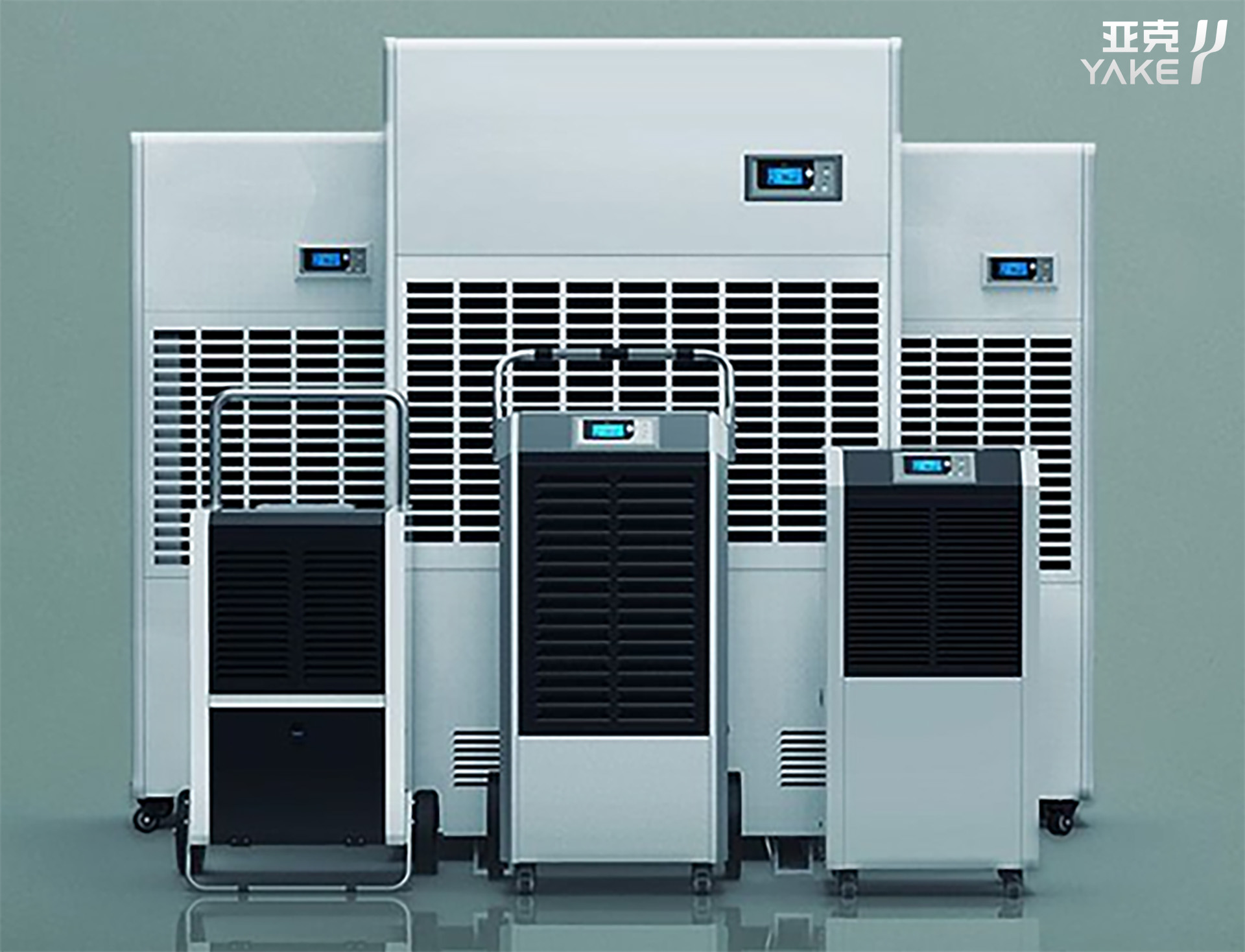
Contact us to find the best place to buy your Yakeclimate solution today!
Our experts have proven solutions to keep your humidity levels in check while keeping your energy costs low.