
Building 34, No. 535 Shunfeng Road, Hangzhou, Zhejiang, China
[email protected]
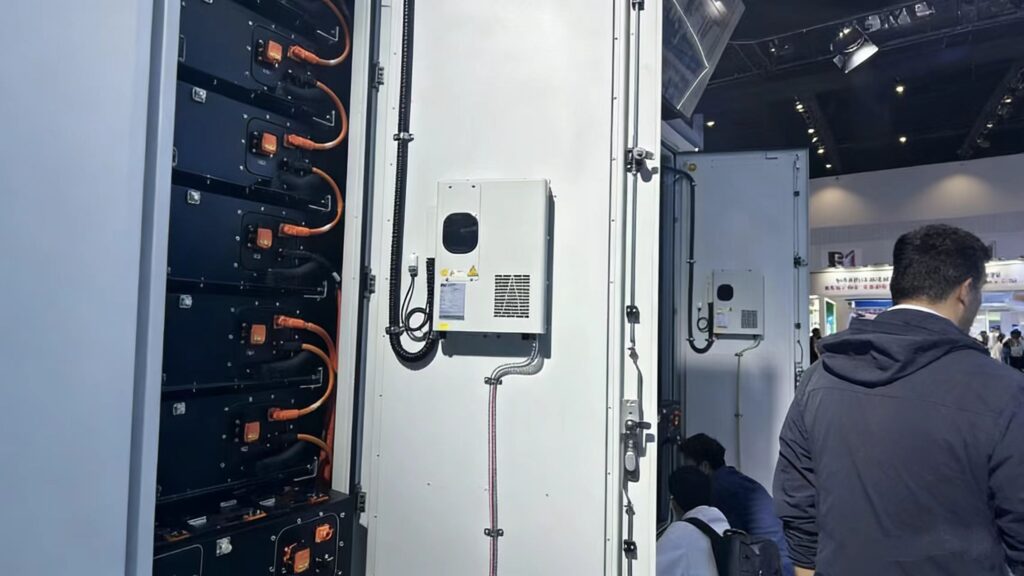

Electrical cabinet moisture control systems protect cabinets by preventing water accumulation which can lead to rust or short circuits. These systems deploy devices such as heaters, dehumidifiers, or specialized fans to reduce humidity inside the cabinet. Proper moisture control ensures wires, switches, and control panels operate correctly, even in environments of high humidity and drastic temperature changes. Wet air can damage sensitive equipment quickly, so consistent moisture control leads to less downtime and reduced repair expenses. Many factories, farms, and data centers use these to protect their equipment. For growers and indoor farms, maintaining dry control panels is primary for seamless climate control. The following sections highlight principal types and advice for choosing the optimal system.

Moisture inside electrical cabinets is a genuine nightmare that can destroy delicate components and stall plant operations. It comes from more than one source: condensation, water from outside, and even the cabinet construction or usage. Each of these presents its own hazards and must be carefully regulated. Discovering moisture sources is the first step to preventing moisture before it creates expensive downtime.
Condensation occurs when warm moist air comes in contact with a cool surface inside the cabinet. This can cause the air’s moisture to condense into water droplets that rest on wires, circuit boards, or contactors. When this runs unchecked, it causes short circuits or initiates corrosion, which can destroy equipment quickly. The easiest way to control this is by maintaining an indoor temperature. If you’re adding heaters or fans, they can assist in evening the highs and lows out. Humidity sensors are clever devices that indicate when air is becoming excessively moist. That allows you to take action before water develops. Try insulating the cabinet walls as well. Foam or rubber sheets do a nice job of maintaining a consistent temperature inside and minimizing the chances of condensation.
Water and humidity can creep in via cracks, door seals, or unused cable inlets. Cabinets close to wash areas, in basements, or with heavy rainfall are most vulnerable. Examine all seams and hinges as well as every cable port for openings. Seal these weak spots with strong rubber seals and tight gaskets. Select cabinet styles with angled tops if rain is an issue. UNMASKING MOISTURE SOURCES: Inspect old seals and doors every couple of months. Even a tiny tear allows a significant amount of moisture in. Uncovering moisture sources is important and do not delay changing worn parts to maintain dryness.
Moisture can sneak in during the build or repair as well. Washing with water-based cleaners or placing parts in damp locations exacerbates the issue. Make sure to always dry sections completely prior to placing them in the cabinet. Educate crews to maintain dry tools and hands and to apply coverings while working. Record steps that can unearth moisture sources so you can address them over time. Incorporate this into ongoing training so everyone recognizes and stops soak zones.
Electrical cabinets require a steady inner climate to avoid faults and prohibit corrosion. Moisture control systems exist in many varieties, each with specific applications, price points and advantages. Choosing the correct configuration is based on the dimensions, air flow and moisture levels in the area where the cabinet is located.
Heaters function by increasing the internal temperature to prevent water drops from forming on cold surfaces. This is critical in locations with large temperature fluctuations or outdoor configurations. Select between strip, fan, or panel heaters all sized to match the cabinet. Assuming you’re not installing the units on floors, mount heaters close to the floor for optimal air circulation. A checkup every few months helps spot problems early and keeps the system running.
Dehumidifiers suck water out of the air, which makes them ideal for cabinets in damp locations or where heaters aren’t enough. Small rooms demand compact units, while bigger cabinets require higher capacity. Put them where there’s air movement, not jammed into a corner. To get the most out of your essential moisture control systems, leave clean filters, empty trays, and check sensors often. Dehumidifiers are great when you need to reduce moisture quickly, such as in coastal or basement situations.
Desiccants absorb water vapor in enclosed spaces where power isn’t accessible or as redundancy in large systems. Silica gel and clay packs are popular choices. Change them on a schedule because they weaken as they fill. These desiccants paired with a heater or dehumidifier work best when cabinets experience wide swings in humidity.
Ventilation allows air circulation, reducing trapped moisture. Basic vents or small fans both assist. Vents must be positioned for optimal effectiveness. Dry air should enter low and wet air should exit high. Fans increase this action when applied properly. It’s clever to clean screens and inspect for dust or clogging every season.
Now, purge systems replace humid air with dry air, frequently compressed air or nitrogen. Cycle times are controlled by timers or sensors to keep the air inside dry. These configurations are ideal for large or mission-critical cabinets where even short periods of moisture exposure represent significant danger. Ensure that the purge system is appropriate for the size of the cabinet and the specific application.
| System | Main Use | Cost (€) | Upkeep | Effectiveness |
|---|---|---|---|---|
| Heaters | Stop condensation | 50–200 | Low | Good |
| Dehumidifiers | Lower air moisture | 100–400 | Medium | Very Good |
| Desiccants | Small spaces, backup | 5–40 | High | Fair |
| Ventilation | Air flow, passive/active | 30–200 | Low | Good |
| Purge Systems | High-risk, critical use | 300–1000+ | Medium | Excellent |
Preventing moisture in electrical enclosures begins with good design decisions. Keeping dry systems keeps your gear safe, reduces downtime and extends component life. Every decision, from what you construct the cabinet out of to how you seal and wire it, contributes to combating moisture.
Moisture-resistant materials are critical for cabinet bodies and doors. Stainless steel and aluminum tend to fare best. Both provide powerful armor against moisture. Plastic blends, such as polycarbonate or ABS, fare well too. They don’t absorb water and resist rust.
| Material | Moisture Resistance | Common Use Case |
|---|---|---|
| Stainless Steel | High | Industrial/outdoor systems |
| Aluminum | Moderate to High | Light enclosures |
| Polycarbonate | High | Indoor/outdoor cabinets |
| ABS Plastic | Moderate | Small indoor cabinets |
| Powder-Coated Steel | Moderate | Indoor, low-humidity zones |
Finishes add another layer. Powder coatings or epoxy paints slow down rust and keep water out. Choose finishes based on the weather or room where you will put the cabinet. Humid places or outdoor spots call for tougher coatings.
One cracked seal can allow moisture to sneak inside. Get in the habit of checking seals for cracks or wear. When seals begin to break down, replace them. Silicone or EPDM rubber do nicely. They outlast heat, cold, and even time.
Dryness by Design – Pressure and leak tests help find weak places. Some opt for water spray tests, others employ air pressure or even smoke to indicate leaks around doors and panels. How frequently you check depends on location. Outside cabinets require more frequent inspections than those kept indoors.
Cable entries are a typical weak point. Design them so water doesn’t puddle or drip by the holes. Fit grommets or bushings tight around cables, sealing out moisture. Design for dryness.
Seal them here often. If they get stiff, cracked, or loose, change them quick. Running cables from below rather than overhead can reduce water collecting at the entry.
Smart humidity solutions in electrical cabinet moisture control leverage a combination of sensors, automation, and analytics. These are systems designed to protect equipment vulnerable to damage from moisture or condensation. With the right technology, operators can detect variations early, reduce hazards, and maintain systems downtime-free.
Humidity sensors nestle inside the cabinet to monitor moisture levels continuously. These sensors detect when moisture levels are either too high or too low, allowing for prompt action to be taken. Selecting sensors with appropriate accuracy is important. A sensor that is too slow or insufficiently sensitive can overlook critical changes.
Install sensors in areas where air tends to stagnate, such as corners or near heat sources, to detect pockets of elevated humidity. Distribute sensors for larger cabinets. This aids in providing a clearer image of the internal goings on. Each sensor needs to be checked and calibrated occasionally. Otherwise, the readings can drift and provide inaccurate data, resulting in subpar control and increased hazards.
Automated humidity control allows the system to respond independently to sensor readings. When sensors detect excess moisture, controls can activate fans, heaters, or dehumidifiers. Establish humidity thresholds for the system to be active.
Integrating these controls with the primary building management system streamlines operations. That’s less grunt work and speedier remedies when readings fluctuate. After you’ve checked the settings once or twice, go back and check now and then. If the external or internal building climate shifts, adjust the controls to compensate. Certain cabinets require more adjustment than others depending on the stored contents.
Analytics solutions pull data from sensors over weeks or months. These instruments indicate whether there are any trends, such as if humidity surges throughout the day or when machinery heats up. Analytics reports simplify whether the system functions as intended or requires adjustment.
Forecasting with analytics is solving small problems before they become big. If the data reveals humidity tends to sneak in during the evening, strategize for it. Apply the intelligence to adjust the system operation. This could involve adjusting when fans operate or the location of sensors. Analytics assist in adjusting the configuration, so there is less unexpected downtime.
Selecting your method of moisture control in electrical cabinets requires considering many factors. Every cabinet stands in a different location, carries varying components, and accommodates different budgets. A strategy that succeeds in a temperature-regulated factory might flounder in the freezing rain. Tailoring solutions to the environment, medicine cabinet, and budget ensures systems remain secure, effective, and respected.
Let’s begin by considering where the cabinet rests. Temperature and humidity swings inside are typically mild, but external cabinets may be exposed to rain, snow, or heat. A cabinet control in a dry, cool warehouse is far less complex than one on a pole outside.
If your cabinet is outdoors, factor in storms, rapid temperature drops or spikes, and humidity fluctuations throughout the year. Every once in a while, the monsoon or cold snaps will drive it a little higher. In a warm, humid environment, moisture forms in even closed cabinets. All these factors drive toward more aggressive moisture control such as sealed heaters or high-end desiccant systems.
Seasonal change is frequently overlooked. For instance, cabinets in temperate areas could remain dry in summer but require additional safeguards in winter when condensation danger rises. Be sure to check humidity data throughout the year, not simply on setup day.
Consider what’s within. Certain components, such as PCBs, rust quickly when wet. Others, like relays and switches, might work temporarily but will fail prematurely if moisture lingers. Understand which bits are the most sensitive.
High-value or mission-critical parts deserve more protection. Cheap may work for hardy, minimal equipment, but sensitive electronics typically require more than a hole in the side and a handful of silica gel packs. Select a strategy that corresponds to the weakest link in the cabinet.
The wrong one stings more than your skin. It can stall or snap the entire mechanism. Downtime and repairs are more expensive than doing it right the first time.
Establish a budget that includes purchasing and maintaining the system. Items such as silica gel packs are inexpensive initially but require constant replacement. Items such as active dehumidifiers or cabinet heaters are pricier up front but conserve time and cash in the long run.
If your system is crucial to daily work, consider the price of a failure. Investing a little more today to prevent big repairs tomorrow is logical. Don’t take the cheap way out. Quick fixes usually translate to higher prices later.
Retrofitting older electrical cabinets with moisture control requires design and attention. Most cabinets still in use were not constructed with humidity in mind. Retrofitting them with new controls means squeezing solutions into tight or otherwise not-so-convenient spaces. The first thing is to PLAN. This means examining the location of the cabinets, what equipment they safeguard, and the amount of downtime you can afford for the task. Good planning prevents errors that can cause compounding damage down the line.
Next up, take a moisture reading and look for trouble spots. Take readings in various parts of each cabinet with a portable humidity sensor. Elevated readings around doors or cable entry points indicate where air and water can creep in. Rust on metal hardware, fogged windows, or water stains are indicators that moisture is an issue. Note these results for each of your cabinets. For instance, a cabinet in a basement or a humid area might require significantly more assistance than one in a dry, climate-controlled environment.
When it comes to selecting the appropriate solution, align the system with your audit findings. Small cabinets might require nothing more than a mini heater or a silica gel pack. Bigger or higher-stakes cabinets fare better with an automatic dehumidifier or integrated dryer. Just verify that this new system will fit in your space. Others require low-profile heaters that sit underneath wiring shelves or slim dehumidifiers that mount to the door. Choose systems that plug into the power and voltage you already use. For example, a high-voltage cabinet will require a moisture system designed for those types of loads.
Go cabinet by cabinet when you install the new moisture controls. Turn off power prior to beginning any work to ensure employees’ safety. Adhere to the maker’s guide for each product and use the appropriate fittings for your cabinet. If possible, complete one cabinet at a time to avoid confusion and swapping of parts. Once done, test run and see if the new system maintains the moisture low, below 60 percent relative humidity in most climates.
About us electrical cabinet moisture control systems Tight seals, smart sensors, and steady airflow stop wet air from making things rust or short circuit. Even minor leaks or penetrations can introduce moisture and damage equipment inside. If you’re desperate, dehumidifiers and heaters will keep the interior dry for quite a while. These upgrades fit old and new cabinets alike, so nobody has to start from scratch. Factories, farms, and shops experience fewer breakdowns when they use the appropriate systems. To choose a strategy, consider the enclosure, the regional climate, and the hazards. Need more tips or help selecting a system? Contact a trusted expert or request a demo to experience real results.
Cabinets become moist from condensation, leaks, or simply being stored in a humid location. Bad ventilation and temperature fluctuations play a role. Pinpointing sources of moisture as early as possible can help prevent damage.
Moisture leads to corrosion, short circuits, and equipment failure. Protection is what effective control systems do, protecting sensitive electronics and saving maintenance expenses.
Typical systems are dehumidifiers, heaters, desiccants, and ventilation. All systems combat moisture and assist in keeping conditions safe and dry.
Smart, IoT-enabled solutions monitor humidity in real time and adjust controls automatically. They inhibit moisture and prolong the life of electrical components.
Sure are, the vast majority of moisture control systems are retrofittable to existing cabinets. Pick what is right for your cabinet size and environment.
Think about the cabinet size, location, local climate, and the sensitivity of your equipment. Choose the system that fits your needs for dependable and lasting protection.
Moisture is gauged with humidity sensors or hygrometers. Precise measurement aids in monitoring conditions and verifies that the selected control system is functioning properly.


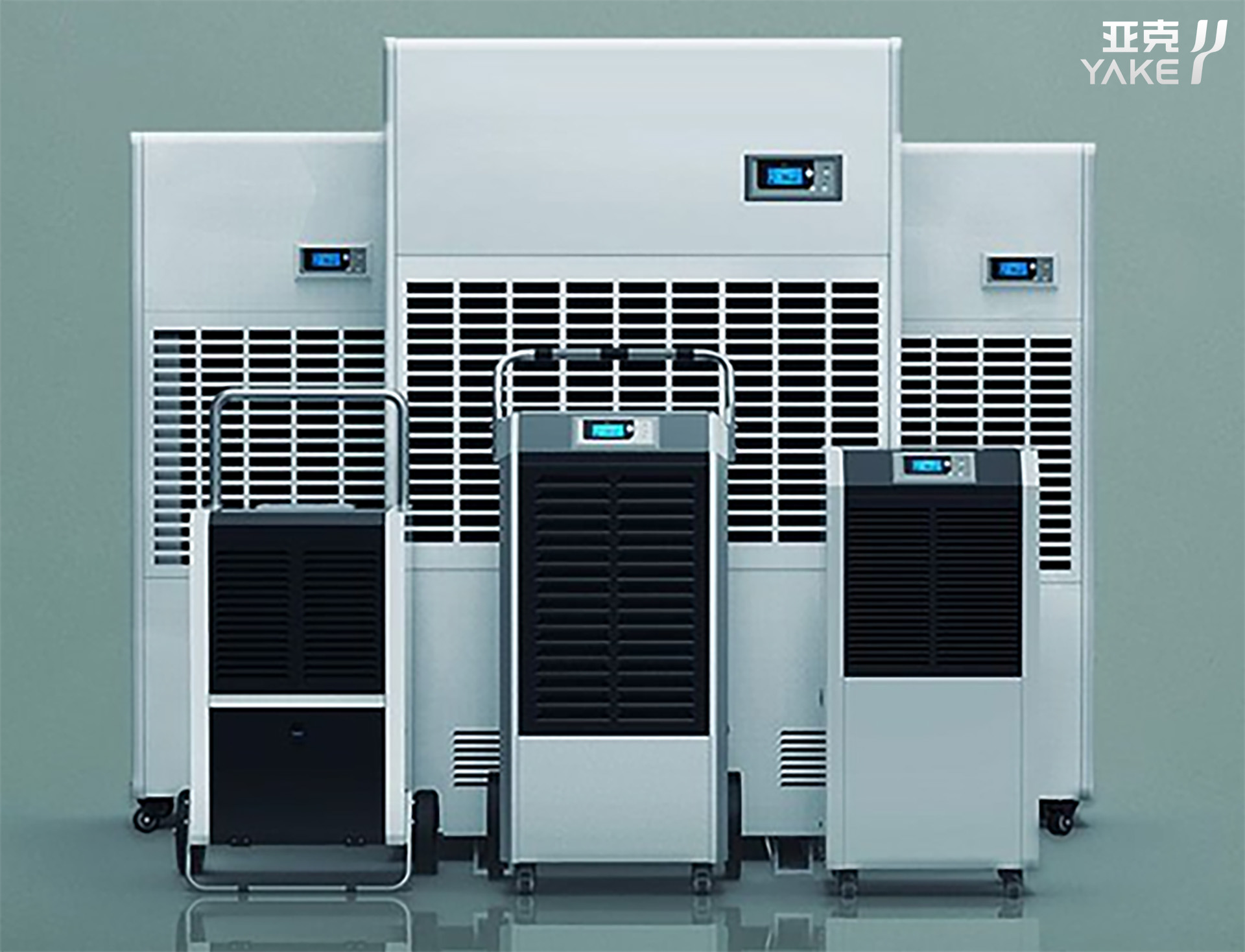
Contact us to find the best place to buy your Yakeclimate solution today!
Our experts have proven solutions to keep your humidity levels in check while keeping your energy costs low.