
Building 34, No. 535 Shunfeng Road, Hangzhou, Zhejiang, China
[email protected]


Moisture analysis in food products refers to the determination of how much moisture is contained within a raw material or finished product in a definitive, reproducible manner. Food teams rely on it to manage texture, flavor, weight and shelf life and to ensure products remain within strict legal and label boundaries. Labs and plants follow moisture to control drying curves, energy consumption and yield as well as limit mold, microbial growth and spoilage. Various techniques like oven drying, Karl Fischer titration and infrared sensors best suit distinct foods, ranging from high-sugar pastes to low-moisture powders and snacks. The next sections focus on essential techniques, real plant examples and how smarter moisture control underpins consistent, large-scale manufacturing.
Water in food is not inert, it’s an active force behind texture, flavor, safety, and shelf life. Moisture governs energy consumption in dryers, chillers, and dehumidifiers, so precise control is directly tied to output, spoilage, and overhead in any CEF.
Texture determines how a product feels, looks, and disintegrates in the mouth. Too much water in a cracker gives it a rubbery bite and a stale note, while too little in a soft cheese produces a chalky, crumbly body and a flat flavor release. In milk, too much added water lessens fat and protein concentration, affects freezing-point depression measurements at the lab, and makes it difficult to maintain a consistent, reproducible quality profile. These same impacts manifest in high-value crops dried indoors, where water present during drying determines color and aroma losses.
Even moisture is what prevents one batch from another looking the same. If dryers, cooling zones or room dehumidifiers operate with bad control, you end up with wet cores and dry edges or over-dried surface layers. That distributes weight, texture and even seasoning pickup over a batch. From moisture content in products such as homogenization for mixed foods to dryer curves and room humidity, dehumidifier setpoints align with the actual product target rather than ballpark figures.
As soon as this control is lost, whining escalates quickly. Soft “crisps,” sugar bloom on chocolate-coated snacks, or frozen fruit ice crystals all have moisture swings to blame. In regulated lines, such as poultry in the EU where it cannot be in excess of 7% by law, poor control risks legal issues and mandatory product withdrawal.
| Food category | Too low moisture – key effect | Too high moisture – key effect |
|---|---|---|
| Baked goods | Hard, brittle, rapid staling | Loss of crispness, mold growth |
| Dried fruits | Tough, leathery, poor flavor release | Stickiness, clumping, yeast and mold growth |
| Dairy (cheese) | Crumbly, cracked texture | Soft body, short shelf life, higher spoilage risk |
| Meat/poultry | Dry mouthfeel, weight loss | Purge in pack, microbial growth, legal non‑compliance |
| Powders (flour) | Dusty, poor flow | Caking, lump formation, handling and dosing problems |
Too much water, particularly at moderate temperatures, provides bacteria, yeasts, and molds with the perfect breeding ground. Above critical water activity levels, pathogens can slip from lethargic survival to full growth, and that transition doesn’t always look like obvious visual spoilage in the beginning. For milk and other high-moisture foods, that additional water can carry bacterial numbers that trim safe shelf life and cause plants to waste or remix big quantities.
Low moisture isn’t necessarily safe by default. If water distributes unevenly, some micro-sites in a food matrix may retain enough moisture for microbes, while others desiccate and induce unwanted reactions such as oxidation, non-enzymatic browning or texture collapse. True control is aligning both total moisture and water activity to product and process, not simply drying ‘as much as we can’. Moisture analysis during routine quality testing, which is commonplace in areas such as construction and pharmaceuticals, provides the information required to establish specific humidity and temperature goals in the room and within process equipment.
Shelf life is, in large part, a story of how water migrates over time, both inside the product and between the product and the air. Moisture migrating from a wet filling into a dry crust can render a crisp snack soggy in a matter of days. Hygroscopic powders cake and clump in humid air, gumming up feeders and dosing heads. For most plants, this is where accurate dehumidification in packaging and storage areas really comes through because consistent air humidity reduces these fluctuations and makes product performance more consistent during shipping.
Managing moisture effectively reduces waste and smooths logistics. When high-moisture foods such as fresh dairy or cut fruit absorb additional water, that leads to higher rates of spoilage and places additional stress on cold chains. For powders, spices, and many nutraceuticals, too much ambient moisture can likewise diminish active ingredient stability, just as in pharmaceuticals where water content impacts drug efficacy and can instigate degradation or contamination. Moisture measurement techniques, from basic oven drying to freezing-point depression in dairy laboratories, provide a quantitative foundation to scale and adjust dehumidifiers, air handlers, and packaging lines instead of guessing.
Packaging must correspond to the product’s sensitivity to moisture. A low-moisture snack that has to stay crisp typically requires high moisture-barrier films and, in some cases, low-humidity packing rooms. High-moisture foods, including fresh meat, yogurt, or certain plant-based foods, require films and headspace conditions that restrict condensation inside the pack and maintain water activity at a safe level. In practice, high-moisture foods typically have a short refrigerated shelf life and a heavy reliance on cold chain and climate control, whereas low-moisture foods such as dry grains or milk powder can store for months if humidity is managed, yet still spoil quickly if exposed to humid air.
Food moisture is analyzed using a blend of both classic gravimetric and newer rapid tools. Method selection is based on product and desired accuracy, sample throughput, and output feedback into process or climate control such as dehumidification in drying and storage areas.
| Method | Pros | Cons |
|---|---|---|
| Oven loss‑on‑drying | Simple, cheap, widely standardized | Slow (8–16 h), volatile loss, thermal degradation |
| Microwave drying | Much faster, AOAC‑approved, good for production | Higher capex, needs calibration per product |
| Karl Fischer titration | Highly specific to water, very accurate | Chemicals, trained staff, limited throughput |
| Distillation | Handles interfering volatiles, robust for some fats | Labor‑intensive, slower, more manual handling |
| Spectroscopic (NIR/FTIR) | Rapid, non‑destructive, in‑line possible | Heavily calibration‑dependent, matrix‑sensitive |
| Dielectric | Real‑time bulk or in‑line monitoring | Strongly affected by composition and density |
| Freezing‑point depression | Good for some liquids (e.g., milk) | Narrow use, indirect measure |
Loss-on-drying is the workhorse gravimetric method in many food labs. A weighed sample is dried in an oven or rapid dryer and weighed again. The loss is reported as moisture. This can be performed using either classic convection ovens or more rapid microwave units, which are AOAC-approved for numerous products and integrate well into near-line QC. Oven drying is the formal reference, but it can take 8 to 16 hours, a clear bottleneck when a plant needs immediate feedback to adjust drying curves, air flow, or dehumidifier setpoints.
The method does not discriminate water from other volatiles, so some sugars, flavors, and organic acids can evaporate and exaggerate “moisture.” It matches up best with relatively simple matrices like cereal grains, flours, many baked goods, and dried fruits where volatiles are minimal and a slight bias is tolerable. For high-value indoor-grown products that bear aromatic terpenes or heat-sensitive actives, many operators use loss-on-drying as a screening tool and then back up critical specs with more targeted methods.
Karl Fischer titration remains popular when the lab needs a precise amount of water, not “all evaporables.” It depends on a specific chemical reaction between water and iodine in the Karl Fischer reagent. The reagent consumed is proportional to water in the sample and is measured either volumetrically or coulometrically. The reaction is specific to water and circumvents the overestimation inherent in high‑temperature drying. It performs well in the presence of volatile solvents or flavors.
This technique works best for low-moisture or high-fat foods, such as oils, nuts, chocolate, powders, and certain freeze-dried indoor crops. Homogenization is often used first. The product is finely ground or pulverized, sometimes with a solvent, and then the titration starts so water is released and fully accessible. The trade-off is higher equipment and reagent cost, along with the need for trained staff and good safety practices, so many plants keep Karl Fischer in stock for final release tests or calibration of quicker in-line instruments.
Core distillation methods determine moisture by boiling the sample with an appropriate solvent and capturing the condensed water in a graduated receiver. The classic example is Dean‑Stark distillation with immiscible solvents. Water is separated as it condenses, so interfering compounds that would decompose or volatilize in simple oven drying are less of an issue. This can be helpful for items with abundant important oils, resins, or heavy fats where loss on drying offers unstable effects.
Compared with Karl Fisher or NIR, distillation is slower and more labor-heavy, which restricts its application in high-throughput indoor farming operations. It’s mostly encountered in fat and oil QC, certain formulations of spices and complex seasonings, and perhaps as a check method to verify quicker day-to-day methods.
Spectroscopic methods, primarily near-infrared (NIR) and Fourier-transform infrared (FTIR), infer moisture based on the sample’s absorption of certain wavelengths of light. NIR photometric analyzers utilize discrete wavelengths or bands associated with water’s overtone and combination bands and can measure other components like protein or fat simultaneously. Measurements may be in reflectance for solids and powders or transmission for more translucent samples and slurries, offering versatility across a wide variety of foods.
These instruments are fast and non‑destructive, making them appealing for in‑ or at‑line inspections in drying tunnels, pack lines, or climate‑controlled grow rooms where moisture needs to be maintained within narrow ranges. The key limitation is that NIR and FTIR are secondary methods: they need strong calibration models built from primary data such as Karl Fischer, microwave, or oven results. Calibration can drift when product formulation, particle size, or process conditions change, so users require an ongoing program of reference testing and model refresh to maintain prediction reliability.
Dielectric techniques monitor shifts in a food’s electrical properties with water content, typically by sensing capacitance, impedance, or microwave emission. They correlate with bound and free water, temperature, and density, so after good calibration, the signal can be converted to bulk moisture content. As measurement heads can sit directly in ducts, silos, or conveyor lines, dielectric systems lend themselves to continuous control. For instance, they can guide dryer residence time or fine-tune dehumidifier load in large-scale indoor farms or storage rooms.
Accuracy is quite sensitive to product composition, bulk density, and even ion content, so a calibration that works on one crop variety or substrate may not transfer cleanly to another. Dielectric sensors are popular in cereal, grain, and seed conditioning and even a few RTE snack lines where the objective is consistent average moisture for mouth feel and shelf life versus single-sample lab accuracy.
Fast, dependable moisture measurement is at the heart of contemporary food manufacturing because moisture controls shelf life, texture, safety, and raw materials utilization. Traditional oven drying can require eight to sixteen hours, which is typically too sluggish for a bustling plant that must adjust dryers, roasters, or evaporators in almost real time. Rapid analyzers reduce this lag time from hours to minutes, allowing operators to modify belt speed, air temperature, or dehumidifier setpoints while the batch is still underway instead of after an entire shift is sacrificed. This type of speed is essential in high-value lines like dairy powders, snacks, and ready-to-eat meals, where precise moisture management can optimize yield and, in industries such as dairy, save tens of thousands of dollars annually. Fast works with homogenization and Karl Fischer titration when plants require cross-checks or more specific water data, so the entire system remains both rapid and traceable.
Halogen moisture analyzers use a halogen heating element to drive off water and a built-in balance to track mass loss in real time, so they deliver precise moisture readings in a typical range of 3 to 15 minutes instead of hours. They’re great in quality control labs that release lots, but they are also right on the production floor where techs need fast go/no-go product checks on snack pellets, pet food, or dehydrated veggies before they go to packing.
Sample prep is easy in most, just grinding or homogenizing for more even heating, which keeps workflow spartan in plants that already run lean-staffed. When compared with standard oven drying, halogen units provide quicker test times, less energy consumed per test, automated end-point detection, and a smaller footprint. They remain easily calibrated to the official oven benchmark when required.
Microwave analyzers utilize electromagnetic energy at microwave frequencies to vaporize moisture rapidly in the entire volume of the sample rather than heating from the surface outwards. That volumetric heating makes them ideal for high‑throughput labs and inline systems processing hundreds or thousands of samples per hour in grain milling, powdered dairy, and starch industries.
They are particularly powerful with bulk and granular foods, such as wheat, corn, coffee, or sugar, where fast, typical moisture measurements direct dryer operation or silo ventilation. Others hook their outputs into plant SCADA or PLCs, so real-time moisture information can drive automatic control of heat, airflow, and even dehumidification capacity in large drying halls. There are limits though: very large or highly inhomogeneous samples can lead to uneven heating. Products with high salt or fat content may need method adjustment because their dielectric properties change how microwaves interact with the matrix.
Infrared analyzers employ IR radiation to identify moisture content, either by quantifying typical absorption bands in the near-infrared spectrum or by following variation in light reflected from the specimen surface. Near-infrared photometric analyzers specifically utilize discrete NIR wavelengths to determine the levels of one or more ingredients, typically moisture, fat and protein, in foods such as cereals, milk powders, oils and meats. These are non-contact systems and are incredibly fast, frequently providing a reading in seconds as product moves on a conveyor or through a chute.
As they primarily ‘view’ the surface or near-surface layer, they are ideal for surface moisture detection in baked goods, coating lines or post-drying checks where surface dryness dictates texture and browning. Typical IR applications are bread crust, cereal flakes, potato chips at fryer exit and cocoa or coffee during roasting while inline NIR heads monitor trends and enable small, frequent process changes. IR data is commonly combined with other techniques like KF titration for total water or homogenization-based testing for trickier matrices to develop strong calibration models that can withstand shifts, seasons and raw material variations.
Moisture analysis in food isn’t just a lab geek exercise. It drives shelf life and safety and makes sure raw materials are used optimally, which all trace back to how tight you run humidity and drying in the plant or grow room. Intricate matrices, rapid production timelines, and heavy regulations require you to have approaches that are both scientifically rigorous and feasible on the line.
To keep it usable, here is a short checklist of common hurdles and matching solutions:
Good sample prep begins with proper homogenization such that every test portion contains the same proportion of water, fat, and solids as the entire lot. This is extremely important when you later compare thermogravimetric oven results with NIR or density-based methods. For high-value goods, such as dried herbs or powdered proteins, for indoor-grown crops, inconsistent particle size can alter drying rate and simulate a low moisture value. This then propagates into incorrect target values for dryers or dehumidifiers.
Weak prep tends to hide in small steps: a grinder that heats the sample, a scoop that takes only surface particles, or holding wet material open to room air near a warm process line. Temperature and ambient humidity in the prep room matter, as hygroscopic powders can absorb or desorb water in a few minutes, particularly when room relative humidity varies wildly with inadequate dehumidification. Best practice is simple: cool grinding when needed, fast sealing of prepared samples, and clear protocols by food type—fats and oils paired with Karl Fischer and careful homogenization, high-sugar snacks handled with lower-temperature drying or chemical methods, and dairy products often checked with freezing-point depression to cross-validate routine moisture tests.
Fats, sugars and volatile flavor ingredients can skew these “simple” moisture tests which measure loss of mass by heating. The method cannot distinguish water from lost oil, sugar degradation or aroma loss. High-fat matrices, such as cheese or nut butters, might develop an oven surface crust that entraps moisture and causes under-drying, whereas high-sugar or caramelized products may chemically decompose, creating mass loss that mimics excess moisture.
Choosing the right method means matching it to the formulation. Karl Fischer titration is often better for high-fat or high-sugar samples. NIR photometric analyzers are great for stable, high-throughput products once you develop a solid calibration set. If you need quicker feedback than a typical 8 to 16 hour oven test, microwave moisture analyzers come to the rescue. Additives like polyols, gums, and salt substitutes can require method tweaks or matrix-matched calibration curves because they affect how water binds and how energy input heats the sample. A pragmatic approach is to start by outlining all ‘tricky’ components in your product portfolio, then associate each category – high fat, high sugar, high volatiles, high salt – with a favored primary technique and at-line or in-line instruments such as NIR or density-based sensors.
Typical errors are insufficient drying, applying incorrect oven temperature profiles, neglecting equilibrium controls and operating equipment with outdated or inappropriate calibration factors. In day-to-day work, operators might expedite runs to catch up sample queues, fail to notice a balance is out of calibration, or overlook that humidity near the instrument is excessive, particularly where there is no permanent dehumidification in the laboratory.
Equipment needs consistent care: verify temperature uniformity in ovens, inspect seals on Karl Fischer cells, check lamp intensity on NIR units, and keep microwave analyzers free of splatter that can bias weight readings. Basic operator training and brief written SOPs minimize variance between shifts, which counts when moisture ceilings are connected to safety or standards, like the 39% maximum moisture for cheddar cheese.
Strategic moisture control bridges lab data to daily plant decisions. It lives within the larger quality ecosystem, connects to HACCP and lean initiatives, and transforms moisture metrics into impact that safeguards yield, safety, and brand confidence.
Our formulation begins with a defined target moisture range for each product, not a single point. Indoor and hybrid food operations, such as ready-to-eat salads or plant-based snacks cultivated from controlled-environment sources, require these objectives linked to texture, shelf life, and water activity. Too much water fuels microbial hazard and limited shelf life. Too little water delivers subpar mouthfeel, crumbly texture, and increased cook loss. Moisture testing during bench and pilot trials should sit alongside sensory panels and texture tests as a standard step, not a sidebar check.
Fast, accurate instruments like microwave moisture analysis or NIR help accelerate these trials. Standard oven drying requires 8 to 16 hours, while microwave moisture analysis, an AOAC-approved method, delivers results within minutes, enabling teams to conduct multiple iterations in a day. As with any complex matrix, such as emulsions or mixed matrices, a homogenization step prior to analysis enhances repeatability and provides a more accurate representation of bound and free water. It’s not just about ‘hitting spec’ one time; it’s about figuring out how ingredient ratios, pre-treatments, and processing steps move moisture around over time.
Formulation tips by product type:
Moisture analytics are more powerful when they inform process adjustments in real time. Real-time or near-line monitoring at critical stages, such as mixing, drying, frying, cooling, or packaging, enables technicians to adjust temperature, air speed, residence time, and dehumidification rate. In food, too much moisture or not enough can ruin quality, consistency, and safety. The control target is a stable, narrow operating window, not the absolute lowest water level.
When upstream conditions change, like inconsistent incoming raw material moisture or humidity, rapid techniques like thermogravimetric, spectroscopic, or microwave analysis allow the group to respond promptly. Fast, precise moisture measurement is critical to maximizing yield and minimizing out of specification product. Strategic moisture control optimizes raw material use, increases first-pass yield and minimizes rework, which reduces the energy consumed by ovens, dryers and dehumidifiers. Thoughtful incorporation of industrial dehumidifiers into process air handling, for example, smooths drying curves and prevents over-drying that squanders energy and mass.
Just like plants use automation, moisture information can be fed directly into control loops. That can be closed-loop dryer control, automatic adjustment of dehumidifier set points, or recipe-based control in batch systems. A simple process flowchart, built into the quality manual, should mark every step where moisture data matters: raw material receiving, pre-treatment, primary drying or concentration, intermediate holding, final conditioning, and packaging. For each, determine method, such as microwave or NIR, sampling plan, target range, and action limits that initiate parameter adjustments or product hold.
Moisture analysis is as much a regulatory task as it is a process tool. Most labeling regulations in large markets restrict moisture content or associate it with particular product titles, such as certain types of cheese or butter, dried milk or concentrated juices. Proper moisture figures underpin proper nutrition panels and legal descriptions of the product and fair trade because moisture shifts net solids per kilogram. Exporters must match Codex and regional standards, so a standardized method suite is in any global quality program.
Regulators and trade organizations will sometimes designate approved methods or point to AOAC, ISO, or national standards for moisture in certain products. Microwave moisture analysis, as well as classic oven and chemical methods, rests in this toolbox when validated and calibrated for the product matrix. The homogenization procedure aids in conforming to sampling method accuracy standards in composite dishes like soups or frozen meals by providing more individual test aliquots. Plants should map their markets and then enumerate the key rules for moisture content and methods, including food safety rules linked to water activity, to ground their moisture control strategy within a documented, auditable quality system.
Food moisture analysis is heading toward rapid, non-destructive, and fully connected approaches that integrate into real-time process control, not isolated lab verifications. For indoor growers and processors, this shift ties climate control, drying behavior, and product quality into a single feedback loop.
Near-infrared (NIR) spectroscopy will probably sit at the heart of this transformation. It listens to how a sample takes in and bounces back light in the near-infrared, then applies chemometric models to connect that signal to moisture. Since NIR is non-destructive and requires minimal or no sample prep, it can produce results in seconds instead of hours. Inline NIR across a conveyor or on a fluidized bed dryer can monitor surface and near-surface moisture content and modulate air temperature, airflow, or dehumidifier load on the fly. For indoor farms that dry herbs, cannabis, or leafy greens, this equates to less guesswork and more precise control of texture, color, and shelf-life.
Other fast tools are hot on their heels. Microwave moisture analyzers can go deeper into bulk products, so they fit dense powders, nuts, or dairy concentrates. Current efforts seek to slash their cost and enhance calibration stability. IR imaging can generate moisture maps across a tray of leaves or fruit slices, showing uneven drying or localized wet spots that fuel mold risk. Other studies highlight equilibrium relative humidity methods, where water activity and moisture content are connected more closely. This would be valuable when climate set points and food safety have to cooperate.
Sample prep will still be important. Improved homogenization combined with clever titration techniques like Karl Fischer variants will help establish strong benchmarks for validation of calibration and methods. Dry basis versus wet basis reporting will maintain its heft, as dry basis is critical when comparing products with very different inlet moisture or modeling mass balance in dryers and dehumidification equipment.
Calibration transfer, standardization across devices, and integrating these data streams into digital quality systems that can communicate with HVAC, dehumidifiers, and process controllers are the key challenges ahead. The upside is clear: more precise control, lower energy use, and less waste across food chains and controlled environment agriculture.
Moisture work in food never feels complete. Water migrates with every batch, every process, and every storage room. Growers, processors, and lab staff all get to see that up close.
Gravimetric tests provide good baseline data. Instrument methods such as NIR or moisture analyzers provide speed at the line. Both tools have a sweet spot. Every tool has blind spots. High sugar, high fat, or a porous structure can screw up a quick read. Good teams know that and construct intelligent verifications.
Rigorous moisture management reduces waste, increases freshness and preserves safety. It keeps labels honest. For your own plant or grow space, begin with one product, one method and one defined goal. Experiment, record the results, then multiply the successes.
Moisture analysis tells you how much water is in a food. It’s critical for safety, shelf life, taste, texture, weight control, and legal compliance. Correct moisture regulation helps avoid spoilage, microbial growth, and expensive product recalls.
Typical methods are oven drying, Karl Fischer titration, IR drying, and loss-on-drying analyzers. Each method varies in terms of speed, accuracy, cost, and whether they are more suitable for certain types of food like high-sugar, high-fat, or protein-based products.
Begin with your product and regulatory requirements. Then take into account accuracy needs, sample throughput, budget, and personnel expertise. For routine QC, quick IR methods work fine. Reference results and validation by oven drying or Karl Fischer titration.
Newer infrared and halogen moisture analyzers can often produce results in 2 to 10 minutes. Speed is a function of sample size, composition, and method settings. These tools are a lot quicker than oven drying, which can take hours for stable readings.
Difficulties are: volatiles evaporating with water, burning of sample, non-uniform heating, crust formation on surface, inhomogeneous samples. Fatty, sugary or porous foods can be tricky. Good method development, sample preparation, and calibration go a long way in minimizing these errors.
Excess moisture promotes the growth of bacteria, mold, and yeast. This causes spoilage, off-flavors, and potential health concerns. Too little moisture can ruin texture or result in weight loss. Moisture control helps products remain stable, safe, and consistent during shelf life.
Hot trends: inline and real-time sensors, non-destructive methods, improved data integration, and automation. These technologies enable real-time monitoring, quicker process optimization, and enhanced traceability, assisting manufacturers in keeping quality high while minimizing waste and production costs.


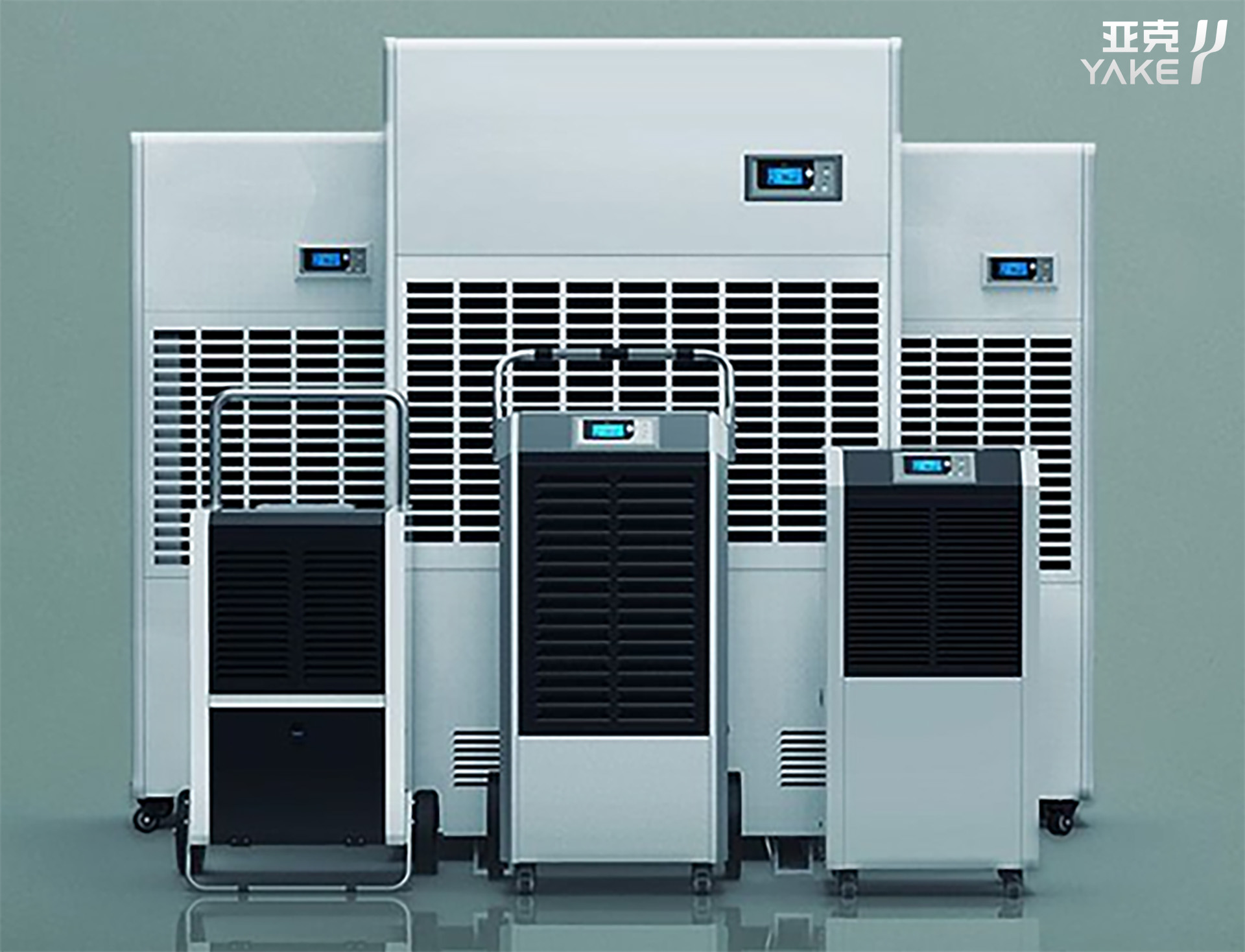
Contact us to find the best place to buy your Yakeclimate solution today!
Our experts have proven solutions to keep your humidity levels in check while keeping your energy costs low.