
Building 34, No. 535 Shunfeng Road, Hangzhou, Zhejiang, China
[email protected]
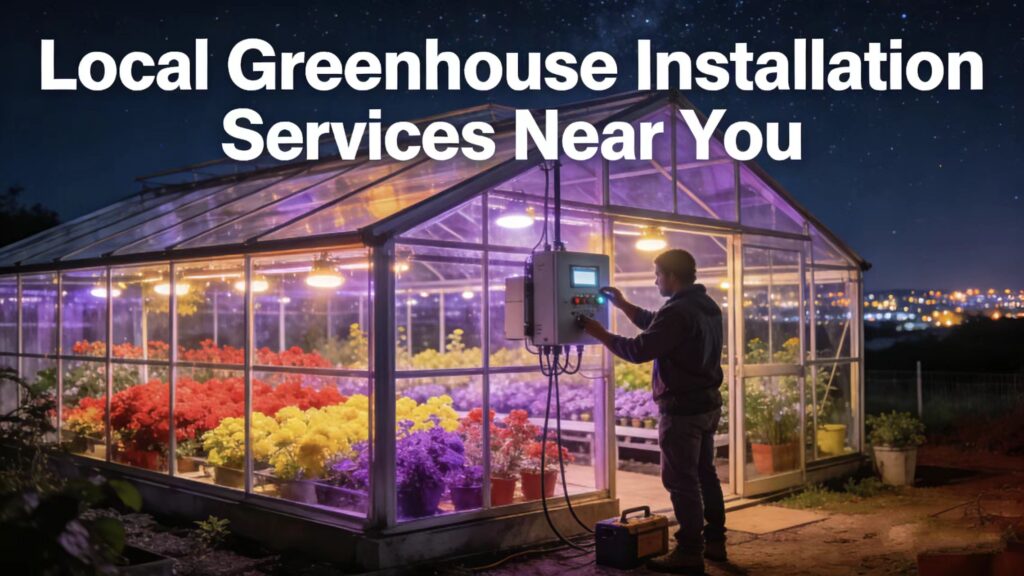

Local greenhouse installation services assist farms and growers in establishing controlled environments for crops in their vicinity. These include everything from design and ground surveys to erecting the frame and ensuring water and power functionality. Several teams employ hardy frames, rugged glass or plastic, and savvy microclimate adaptations to local weather. A few teams advise on cultivating tips or assist with maintenance post-installation. Local experts deliver quicker installation, transparent pricing, and assistance near you if something breaks or requires adjustment. To demonstrate how they work and what to look for, the following sections describe steps, questions, and means to save with local help.

Local greenhouse installation is about more than just installing something. It begins with preparation, complies with local regulations, suits the weather, and navigates location challenges. Every decision determines the greenhouse’s efficiency and durability.
Local greenhouse installation knowledge Site prep means clearing debris, leveling, and checking soil for drainage. Foundation types such as concrete, gravel, or compacted soil are selected depending on greenhouse size. Construction takes over from there, with proper tools such as levels, drills, saws, and safety equipment. Most projects require expert greenhouse installers for easy and secure operation. Inspections at each stage, including foundation, frame, and covering, help catch errors early. These inspections are important for safety and durability.
Permits and paperwork can’t be skipped. Local greenhouse installation is governed by local building codes and zoning laws. We, as homeowners, usually have to present plans and specs, including structure and utility hookups, to obtain required approvals. Agreements between owners and contractors prevent arguments. They articulate costs, scope, and timelines explicitly.
Climate determines greenhouse design from the outset. Hot locations require exhaust fans, ridge vents, and shade cloths to cool plants. In frigid areas, insulation and double-glazing trap heat and reduce heating costs. Sun exposure determines where the greenhouse stands; south-facing, in most places, gets the most light. Hard winds or rain require strong frames and anchoring. Selecting materials based on local conditions, such as UV-resistant panels, helps reduce repair costs in the long run.
Greenhouse frames may be made from aluminum or steel and coverings can be polycarbonate, glass, or polyethylene film. Polycarbonate is more expensive but more durable than film, which is low in cost and very easy to replace. Glass feels traditional and insulates nicely but can be cumbersome and costly. Large greenhouses are cheaper per square meter than small ones. Quality materials from reliable providers translate to less wear and maintenance.
Site preparation can hold up things if drainage is poor or soil is weak. Wet sites might require French drains to prevent waterlogging. Weather delays, such as rain, wind, or heat, may delay deadlines. A transparent Plan B keeps all of us on the same page. Nice things about good communication between the homeowners and crews address minor problems quickly and keep the project going. Addressing issues promptly keeps expenses low and breeds confidence.
Selecting a local greenhouse dealer simplifies receiving customized support and helpful tips for your region’s weather. Trust me, your local dealer knows your climate and can help you select a greenhouse for whatever you grow — vegetables, flowers, or specialty crops. A quick search in any online directory or greenhouse supplier platform provides you with a rundown of local contractors and allows you to compare their offerings. A lot of folks depend on friends or garden clubs for recommendations, as word of mouth can direct you to dependable dealers who have provided good service in your area. Distance is key: the closer your dealer, the faster the support and service, particularly if you require repairs or wish to scale your operation. Local dealers can offer installation, upkeep, and upgrades as well, making it easy to develop a long-term relationship.
Begin by seeing how long the dealer has been working on greenhouse projects and read customer reviews for genuine input. Certain dealers specialize in particular greenhouse styles, such as hydroponic or hobby, so ensure their selection matches your requirements. Research their reputation in the landscaping or horticulture community. A reputable dealer is far more likely to provide consistent results. Pricing matters too; see if their prices fit with your budget and inquire about what’s included in their packages.
Seek out actual customer reviews online, particularly those addressing service, build quality, and support after the sale. Request references from dealers and discuss with former clients their experiences with installation and aftercare. A few dealers can even show you case studies from completed projects, which gives you a better idea of what to expect. Ensure the dealer is properly licensed and up to industry standards, which safeguards your investment.
Most local dealers provide support well after installation, which is key if you intend to grow or modify your greenhouse setup down the road. Warranties on materials and installation demonstrate that the dealer believes in their work. Certain dealers perform routine maintenance or provide repair, so inquire about these services up front. Being able to get fast answers to questions or service calls can make a big difference, especially when you need help with climate control or system upgrades.
Budgeting your greenhouse project is about more than just adding up the cost of a kit. A good budget accounts for all of your fixed and variable costs, and the frills and the unforeseen. Planning saves you from budget blowouts and ensures your greenhouse serves short-term and long-term needs.
A comprehensive budget should include these components:
| Hidden Cost | Description |
|---|---|
| Utility Upgrades | Electrical service (e.g., 480-volt, three-phase) |
| Drainage | French drains or other water management systems |
| Professional Cleaning | A few hundred dollars if not DIY |
| Permits | Varies based on local regulations |
| Pest Control | Ongoing supplies and services |
Landscaping might require additional spending on paths or buffer zones. Seasonal heating and cooling expenses fluctuate with local weather, particularly in areas with severe winters or scorching summers. Remember that pest control and plant care supplies are monthly costs.
A greenhouse allows you to harvest fresh food throughout the year and can ultimately reduce grocery costs. These babies often command a nice bump in property value and buyers come knocking because they want to live green. You can cultivate your own herbs and vegetables, slashing household expenses while decreasing your carbon footprint. Eco-conscious touches such as rainwater collection and natural pest deterrents further promote greener living.
Smart greenhouses employ cutting-edge technologies such as IoT sensors, automation, and data analytics to regulate climate, lighting, and nutrients. They’re designed to assist cultivators in conserving assets, achieving higher returns, and cultivating in a more eco-friendly manner. With the world’s population on track to hit 10 billion by 2050, these setups are defining the future of food.
In smart greenhouses, automated systems take care of many of the day-to-day chores, making it simpler for growers to oversee greenhouses. They control and manage temperature, humidity, and light with minimal manual effort. That translates to growers doing less mindless grunt work and more higher-level planning.
Sensors are a major factor here. They monitor the environment every second, detecting fluctuations in air, water, and soil. The information they capture enables the system to respond quickly when conditions change, ensuring the plants stay healthy.
Automated irrigation is a big bonus. Plants receive water when necessary, neither too much nor too little. This keeps them growing steady and strong, and it saves a lot of water, sometimes up to 95% less than open-field farming.
For busy folks or big operations, that translates to less manual labor and less error. It is easy, dependable, and allows cultivators to concentrate on loftier objectives.
Smart greenhouses increase energy efficiency by consuming just what’s necessary. Climate control systems reduce energy consumption by heating, cooling, and lighting only the necessary areas at the necessary times.
They reduce waste. For instance, vertical farming in smart greenhouses enables individuals to cultivate more food with less land, water, and fertilizer.
With precise controls, crops thrive in optimal conditions, rain or shine, all year. In other words, there are more bountiful crops, reduced rot, and smaller water and electricity statements.
Over months, all these savings multiply. For small-scale or large-scale operations, the cost advantages of smart greenhouses are obvious.
Data capture is key. Systems log everything: temperature, light, moisture, and even plant growth. This provides a complete perspective on what’s going on inside.
By reviewing this data, cultivators detect trends or issues quickly. If a crop isn’t doing well, the data can identify the reason, like excess heat or insufficient light.
Monitoring plant health is simpler with smart technology. Automated alerts notify growers when to act, so fewer plants are wasted.
This data-powered approach leads to smarter decisions, higher yields, and improvements every season.
The homeowner to greenhouse contractor bond doesn’t cease after the final bolt is tightened. Beyond the build, maintenance is key, as ongoing attention and scheduled check-ups keep the foundation strong and preserve asset longevity. This is particularly crucial as approximately 75% of greenhouses are installed by homeowners or local crews, who might encounter specific difficulties not common in crew-managed builds. Constructing a sturdy foundation is the secret to using it year-round. Making sure glass panels overlap properly, with a half-inch overlap being best for 3MM panes, is important. The little things, both during and post-build, are what make this greenhouse weather the seasons.
Homeowners participate daily in greenhouse triumphs. Tracking plant health, humidity, and temperature allows you to identify minor problems before they escalate. This is key because the rookie season might be all about figuring out how to balance climate and plant requirements. Investing time to understand watering cycles, pest sources, and light requirements accelerates your indoor growing all year long. Even for an 8 by 12 greenhouse, it takes two people two to three days to assemble. Then hands-on care is equally important.
Joining local gardening groups or online forums gives you a place to share tips and compare notes. They provide communities that give tips on soil quality, build questions and how to optimize yields. It keeps you engaged, which helps with troubleshooting and keeps motivation high when things get hard.
Contractors and homeowners do wonders when they communicate transparently. Obvious in-assembly updates, particularly with glass or soil placement, prevent errors. When directions are vague, contacting technical support is clever. Feedback on the build or finished product allows contractors to provide better services in the future.
Even when the greenhouse is up, ongoing questions might arise about upgrades or repairs. Staying in touch keeps the dialogue open and simplifies troubleshooting or new-feature planning. Business built together.
Garden interests can move around and turn into upgrades or larger projects. There is space to grow more crops or experiment with new varieties, from tomatoes to orchids. Bigger greenhouses require additional construction effort, but they provide space to expand with your requirements.
Doing some research into new greenhouse technology can help make things flow. Think climate controls or water-saving systems. Remaining trend-curious and talking with experts assists you in making wise decisions for upcoming seasons or big transformations.
Local greenhouse installation services aren’t simply about creating a nursery for growth. They provide incredible benefits for our health, our communities and our real estate. A lot of these benefits are not so obvious. They extend to mental health, social connections and even a house’s long-term value.
There’s a peace and concentration in gardening in a greenhouse. There’s something purposeful about planting, watering, and watching seeds sprout that many individuals enjoy. Studies connect frequent gardening with reduced anxiety and depression. Being surrounded by green plants and natural light has been proven to enhance mood and increase emotional equilibrium, particularly when daily stress is elevated.
Greenhouses can be quiet sanctuaries. Homeowners love to add window-seat nooks or small benches inside, convenient places to pause and contemplate. Others opt to curate a mindfulness or yoga nook, flanked by air-filtering plants that absorb noise and soften the space. This stillness can cultivate habits for a healthy mind and nurture peace of mind.
Thoughtfully positioned, a greenhouse can enhance indoor air quality by increasing humidity, a boon in winter when furnaces tend to parch the air. Attached greenhouses can utilize passive solar heating, lowering energy costs and providing a cozy retreat.
Greenhouses can bring neighbors together. Passing along surplus or seedlings to others creates goodwill. In several regions, neighborhood gardening circles coalesce around communal plots, exchanging advice and assisting one another to overcome cultivation obstacles.
Collaborating on a community greenhouse or hosting a workshop for one of your interests can bring like-minded people together. They frequently inspire sustainable methods of growing, like composting or water-efficient irrigation. Neighbors could collaborate on activities that serve the entire street or block, such as constructing an underground greenhouse to lengthen the growing season for all.
Greenhouses can be centers of education and community. They assist in advocating for actions that care for the planet and foster long-term habits for families and friends.
Adding a greenhouse to your home can increase its value. Buyers in the market for sustainability or garden space love greenhouses as a perk. A beautifully constructed greenhouse, attached or underground, is amazing in a listing.
Buyers who appreciate energy efficiency will like the possibilities of passive solar heating in attached greenhouses or the stable insulated conditions of underground designs. Underground greenhouses in Mongolia and Ladakh demonstrate how resilient and bountiful these structures are in harsh climates.
There are hidden advantages too. Growing your own food can reduce your grocery bill and the landscaping adds to your curb appeal. A greenhouse is an investment that increases a property’s value.
Local greenhouse installation puts growers one step closer to fresh food and reliable crops. Experienced crews take care of every phase, from initial discussions to finishing touches, so every construction goes smoothly. Smart greenhouses use basic instruments and sensors that function well in various climates. Pricing remains transparent with fair estimates and easy maintenance. Outside of the walls, these constructions support local employment and reduce food miles. Growers get increased yields and use less water. Every greenhouse forges a powerful connection between individuals and their soil. On the project side, contact a local installer or browse trusted dealer lists. Discover your space and your dream. Inquire and create a solution that fits you and your neighborhood.
Opt for one with experience, good reviews, and easy communication. Ensure they comply with local laws and provide post-installation assistance.
Prices differ by size, materials, and features. On average, you will pay between €1,000 and €10,000. Get several quotes and compare prices.
Indeed, a number of installers provide smart climate control, irrigation, and lighting systems as well. Intelligent features assist in automating care and fostering growth.
Majority of greenhouse installations are completed in one to three days based upon the size and complexity. Custom projects might take a little longer.
Permits are often necessary depending on your location and greenhouse size. Consult your local officials before beginning your project.
Local installers know your area’s climate and codes. They can provide personalized consultation and more immediate assistance if problems occur.
Regular inspections of the ventilation, heating, and watering systems. Wash the glass or plastic panels to keep the plants healthy.


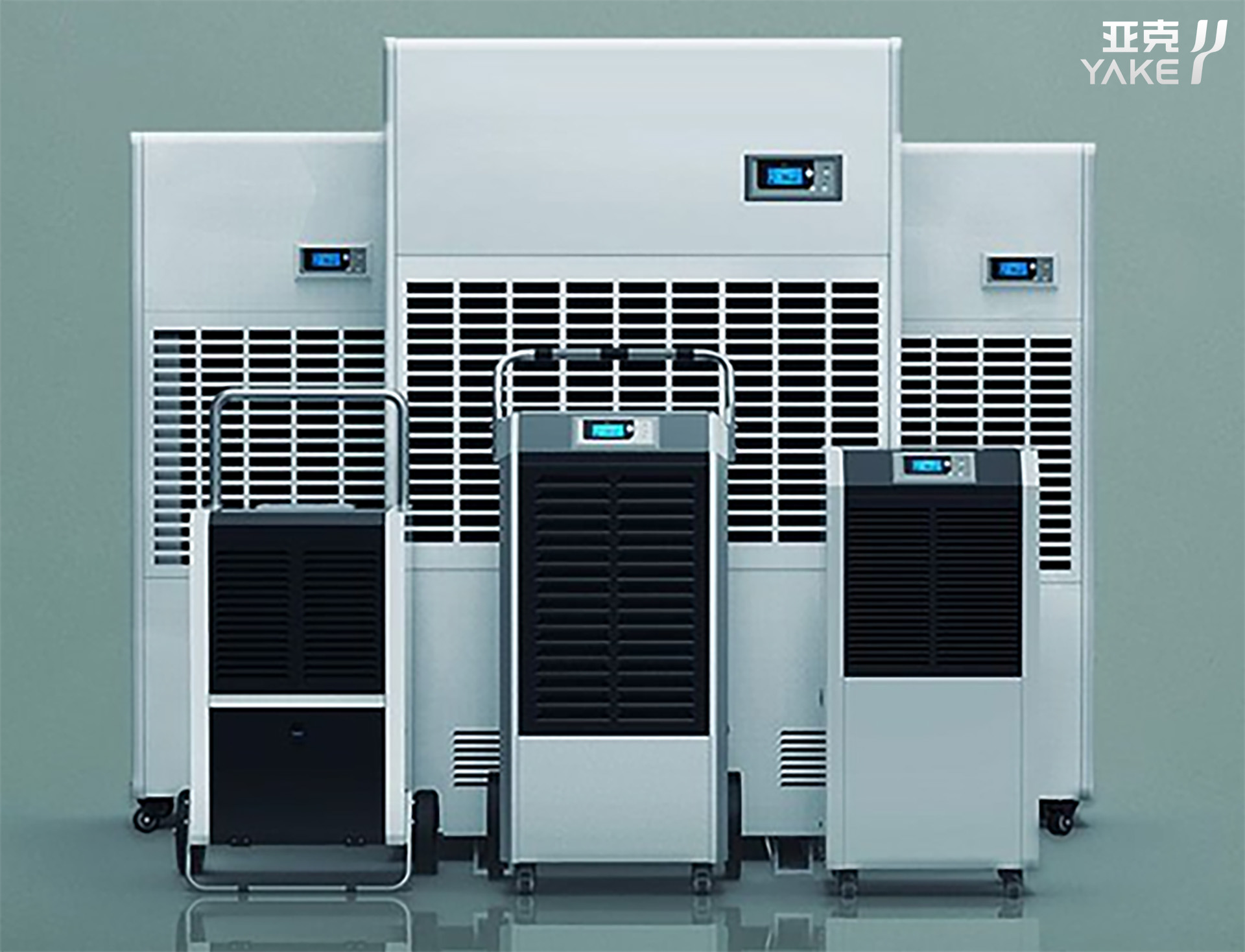
Contact us to find the best place to buy your Yakeclimate solution today!
Our experts have proven solutions to keep your humidity levels in check while keeping your energy costs low.