
Building 34, No. 535 Shunfeng Road, Hangzhou, Zhejiang, China
[email protected]
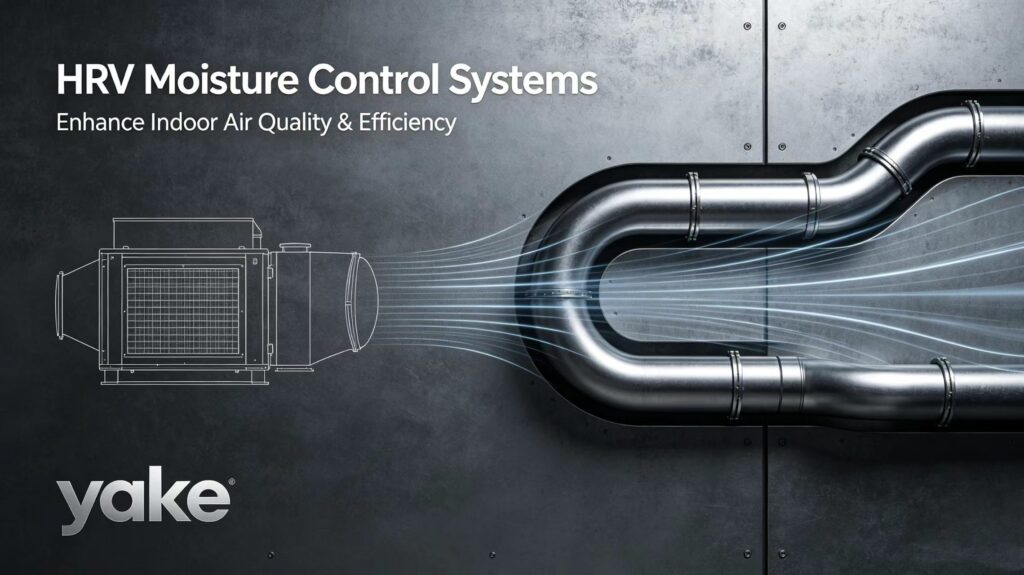

HRV moisture control systems utilize heat recovery ventilators that preserve air freshness and reduce surplus moisture in the air. These systems introduce outdoor air and exhaust stale air and retain most of the heat to conserve energy. Well-positioned HRV moisture control systems reduce mold risk, prevent saturated walls and extend appliance life. In crank-it-up places such as factories, laboratories or workshops, HRV systems translate to less downtime due to moisture or corrosion. For sites with rigorous requirements, consistent moisture content serves to maintain regulations and protect products. Newer systems employ smart sensors and high-quality fans for superior control and reduced energy consumption. More on HRV moisture control industrial fits next.

About HRV Moisture Control They take in fresh outdoor air, exhaust stale indoor air, and exchange heat between these airstreams to conserve energy. HRVs aid in moisture control, enhance indoor air quality, and maintain production spaces cleaner and more secure. In most climates, HRVs provide superior solutions for cold-dry or mild situations, and ERVs typically offer better actual humidity management in humid and mixed climates.
In an HRV, the central heat exchanger allows exhaust air to warm or cool incoming fresh air. This reduces energy loss and helps keep indoor temperatures consistent. Sensible heat recovery is crucial, in particular for comfort and energy savings. HRVs don’t directly manage moisture, so indoor humidity can increase if the cooling system or a dehumidifier can’t keep pace. In summer, HRVs allow some of the cool indoor air to pre-cool incoming hot air, but they introduce outdoor humidity and vent some indoor moisture outside. This isn’t as good at preventing outdoor humidity compared to winter, when HRVs excel at reducing cold drafts and controlling moisture. Airflow balance is key. Too much can over-dry a space in winter or swamp even an ERV in humid seasons.
Balanced ventilation, in other words, is equalizing airflow going in and out. This equilibrium is crucial to healthy indoor air and comfort. HRVs keep air flowing so stale air doesn’t accumulate. Fresh air intake increases comfort and can assist plant managers and facility engineers in meeting code requirements.
Key factors for airflow rates in HRV systems:
Dry, balanced air prevents building materials from swelling, rusting, or decaying. In humid climates, proper moisture management prevents metal corrosion and mould. Getting the most out of HRVs or ERVs requires proper sizing, setup, and regular maintenance. Wrong sizing or poorness can cause moisture problems or energy waste.
HRV systems are crucial for manufacturing and process industries that require stringent indoor air and moisture control. They offer a combination of energy efficiency, enhanced air quality, and robust protection for occupants and structures alike. The table below summarizes our primary advantages, with data-proven results in energy consumption and indoor air quality.
| Benefit | Energy Savings (up to) | Air Quality Improvement | Comfort & Health |
|---|---|---|---|
| HRV System | 95% heat recovery | Reduces CO2, VOCs, PM2.5 | Balanced humidity, fresh air |
| Regular HVAC (No HRV) | 30 to 40 percent heat recovery | Elevated contaminants, trapped air | Uneven humidity, drafty or stuffy |
HRV systems filter dust, pollen, and airborne pathogens while exchanging inside and outside air. They catch small particles and reduce allergens, so air is fresh. Continuous ventilation prevents the accumulation of CO2 and VOCs. This translates to reduced odors and less exposure to fumes or detergents.
Fresh air flow eliminates the opportunity for bacteria and mold to develop. In factories or labs, where particles and fumes can ascend, HRV units circulate air and minimize indoor accumulation. For your airways, it means less irritation and improved health. Clean air keeps employees sharp and attentive.
At the heart of HRV’s energy savings is its heat exchanger. It transfers up to 95% of heat from expelling stale air to incoming fresh air, so less energy is required to heat the space. This translates to huge savings, particularly in colder climates.
By reducing the strain on primary heating and cooling, HRV systems maintain low costs year-round. Long term, less run time means lower upkeep and fewer repairs for HVAC. In new builds or upgrades, HRV helps you meet global energy codes and green building goals.
Moisture is tough on buildings. HRV systems extract additional moisture, preventing mold and mildew before they begin. By keeping air circulating, it prevents water from pooling in walls, ceilings, and floors.
This safeguards concrete, wood, and steel from rot and rust. Roofs and insulation last longer with no damp spots. In homes and plants, drier air means wiring, plumbing, and every surface withstands abusive use.
HRV maintains air at a constant temperature, expelling moisture in summer and heating the air in winter. This prevents cold drafts and stuffy rooms. When humidity is balanced, your skin feels comfortable and you get fewer static shocks.
Staff and residents feel better all year round. There are no sticky summers and no dry winters. It’s just easy, consistent comfort that makes everyone work or live better. Clean, fresh air improves mood and health.
Frequent air exchanges flush away dust, smoke, and chemicals. HRV units draw in fresh air and expel odors and fumes. This is especially important in labs, paint shops, or anywhere with heavy airborne waste.
Fewer VOCs and particles create a safer space. Less exposure over time slashes health hazards and makes environments tidier. HRV is an easy solution for hectic locations with tight air regulations.
HRV (Heat Recovery Ventilator) and ERV (Energy Recovery Ventilator) systems both help control air quality and moisture in industrial spaces. Their fundamental task is to allow in fresh outdoor air and to expel stale indoor air while doing so energy-efficiently. The major distinction lies in how they manage water vapor and interior moisture. HRVs are engineered to reduce indoor humidity by exhausting damp air, making them an excellent choice for locations where excessive moisture is an issue, such as production lines with copious open water or areas where condensation can spoil products. ERVs exchange both heat and moisture between indoor and outdoor airflows. This allows ERVs to assist in maintaining balanced humidity all year long, which is important in climates with significant wet and dry seasonal variation.
HRVs shine in cold climates or in areas where indoor air becomes moist, like foggy windows or continuous water usage. For instance, electronics plants and pharmaceutical cleanrooms tend to use HRVs to prevent problems associated with excessive moisture, such as static buildup or corrosion. These systems contribute to helping keep the air dry, which safeguards both products and equipment. ERVs perform best in hot, humid regions where you are trying to prevent outdoor moisture from entering. They further aid in retaining adequate moisture levels throughout dry winters, thus benefiting plants in arid regions or wherever the air becomes overly dry as a result of nonstop heating.
The chart below shows how HRVs and ERVs compare on key features for humidity control:
| Feature | HRV | ERV |
|---|---|---|
| Moisture Transfer | No (expels indoor moisture) | Yes (balances indoor/outdoor humidity) |
| Best For | Cold/humid climates, excess indoor vapor | Hot/humid climates, dry winter conditions |
| Prevents Over-Drying | No | Yes |
| Reduces Indoor Humidity | Yes | Limited |
| Suited For Airtight Buildings | Sometimes | Sometimes (can raise winter humidity) |
| Risk of Excess Humidity | Low | Medium (in airtight, cold-climate spaces) |
Choosing HRVs provides an obvious advantage for locations with excess indoor vapor, such as food processing or paint booths. They release additional moisture, reduce window fog, and assist in preventing mold. ERVs shine in environments where maintaining a consistent, balanced indoor environment is crucial, such as offices or labs where extreme humidity on either end can damage delicate work.
Choosing the right HRV system for you begins with knowing your space, climate and performance objectives. Every property is unique in terms of design, occupancy and moisture sources, which are all variables that influence humidity management approaches. In cold dry air climates, HRV units really shine due to their ability to handle fresh air exchange without introducing moisture. ERV systems perform better in humid locations or where excessive indoor drying occurs during winter. Consider your location’s temperature swings and average humidity before selecting.
Key features to consider when selecting an HRV system:
Critical is system sizing. Right sizing promotes balanced air change, moisture control and consistent comfort. Determine the airflow needed by taking home volume divided by 60. For example, a 300 cubic meter home requires a minimum 5 cubic meters per minute airflow. Oversized units are more expensive and can overdry the air. Undersized units leave stale air and humidity. Open concept layouts might require increased airflow, while tight, compartmentalized spaces demand distributed ventilation points. As always, check the manufacturer’s sizing guide against your home’s shape and occupant load.
Energy efficiency reduces operating expenses and promotes sustainability. Ann’s top-rated HRV systems utilize high-performance heat exchangers, EC motors and variable speed drives to optimize recovery and minimize loss. The top-of-the-line ones adjust fan speeds to demand, conserving energy during low-occupancy periods. High-efficiency models tend to provide the fastest payback in climates with particularly cold or hot temperatures or high ventilation requirements.
Seek out systems with variable speed fans so you can dial in just the right amount of air. Integrated smart controls enable remote monitoring and scheduling. Quality filters, like HEPA or activated carbon, purify air and minimize allergens. User-friendly interfaces streamline configuration and daily operation. With a little regular maintenance, like cleaning the core every 6 to 12 months, it runs really smooth. All of these features combine to promote improved air quality, reduced energy costs, and lasting dependability.
Industrial HRV moisture control systems require meticulous installation and consistent maintenance to function correctly. Installation and maintenance play a role not just in system performance, but in its longevity, safety, and energy savings. Expert labor and routine inspections keep air dry, minimize waste, and enable healthy, sanitary manufacturing for every sector.
Getting a trained technician to install your HRV ensures the job gets done to code. These pros are current on the newest codes, catch changes in local safety regulations, and make sure installation complies with all specs. They verify capacity, efficiency, and unit fit to application, so it’s right for both site needs and budget. When pros design ductwork, they’re thinking smooth airflow, even pressure, and avoiding any stopping places where moisture might accumulate or air might leak. It’s this design work that keeps the entire line running well. A quality install prevents typical issues before they occur, such as condensation, mold, or a reduction in system output. If done right, it keeps the device warrantied and avoids mistakes damaging it.
Every HRV system requires consistent maintenance to remain efficient. Maintain for best results, although a vacuum on all four sides and 15 minutes of warm water will do as needed, and clean it four times a year. Be sure to always dry the core all the way before reinstalling, particularly during the colder months. Replace filters on a regular schedule to maintain air quality and airflow. Check parts annually, checking for obstructions, dirt, or deterioration that might slow down the system. A few units feature a timer that kicks up to high speed for 20, 40, or 60 minutes to puff out excess humidity. Owners should peruse the handbook to maximize their HRV and identify indications, such as weird noise, light airflow, or a warning light, that it’s time for service.
Good care keeps units running right, prevents major overhauls, and helps maintain clean air for employees and product. If checks slip, little problems can escalate and become more expensive in the end. The right steps safeguard both the system and the warranty.
We argue that the next wave of ventilation will focus on health, energy and adaptability. As we all live the majority of our lives inside, we’re seeing a steep drive toward fresher, safer air and smarter, more efficient means of maintaining it. HRV (heat recovery ventilation) systems are leading the charge by equilibrating fresh air exchange without significantly increasing your energy bill or allowing moisture to become an issue. The problem of modern airtight buildings that trap pollutants and humidity is relevant for engineers, plant managers and facility teams worldwide. New HRV trends are all about tight control, energy savings and adaptability to shifting climate and usage patterns.
Smarter tech connects HRV to sensors, apps, and whole-home platforms. These connections allow users to monitor and adjust airflows remotely, wherever they might be. Homeowners and building managers can detect filter problems, book service, or adjust comfort with a few taps. Sensors read CO2, humidity, and VOCs and then tell the HRV to accelerate or decelerate. This maintains air quality, even as building occupancy fluctuates throughout the day. Smart controls eliminate energy waste by matching ventilation to actual need, not just running on a timer. The outcome is air that remains fresh, energy bills that remain low, and a system that can learn and adapt to the habits of each room.
Ventilation design now leans on hard science. Engineers model the airflow to map out where air moves and where it stagnates and moisture hides. Materials matter as well. Tight envelopes and vapor barriers hold moisture at bay, but they require accurate ventilation to prevent stale air. HRVs serve this need by exchanging heat between outgoing and incoming air to maintain temperature. For wet climates, ERVs can add or remove moisture, making spaces comfortable all year. Future buildings will probably combine these systems with data-driven controls and materials that assist in pushing air to where it is needed most, reducing mold risks and maintaining comfort.
HRV moisture control systems deliver powerful, low-complexity tools to maintain fresh, dry air in bustling nurseries. Proper ventilation and consistent moisture control lead to less chance for mold or rust. HRV systems perform well in hard places such as paint shops or cleanrooms. Quick installation and simple maintenance reduce waste and delays. In laboratories, HRV maintains air security for personnel and equipment. In food lines, it keeps items dry and secure for packaging. Distilled down, it results in less mess, fewer stops, and lower bills each month. To get the right fit for your floor or process, check the needs and chat with a trusted team. Want to test what works for your site? Contact us for a fast chat or quote.
An HRV (Heat Recovery Ventilator) moisture control system manages indoor humidity by exchanging indoor and outdoor air while retaining heat. This keeps the house free of excess moisture and mold, which creates a healthier environment.
HRV systems suck stale indoor air out of the home and introduce fresh outdoor air. They reduce indoor pollutants and excess humidity, resulting in cleaner, healthier air in your home or building.
HRV systems exchange heat and mostly remove moisture, so they’re perfect for cold and soggy climates. ERVs transfer heat and moisture, so they can be helpful in regions with hot and humid seasons.
Yes. By managing indoor moisture and enhancing air circulation, HRV systems reduce mold growth potential, preserve your home, and promote healthier lungs.
Every 3 to 6 months, you should check and clean the HRV. Proper maintenance keeps them running efficiently, extends their lifespan and maintains the air quality.
Yes. Hrv moisture control systems
Hrv systems recover heat from outgoing air, cutting heating and cooling costs. This keeps things comfortable with less energy.
Expert installation is highly recommended. Professionals guarantee proper sizing, location, and installation, which are key for effective moisture management and system efficiency.


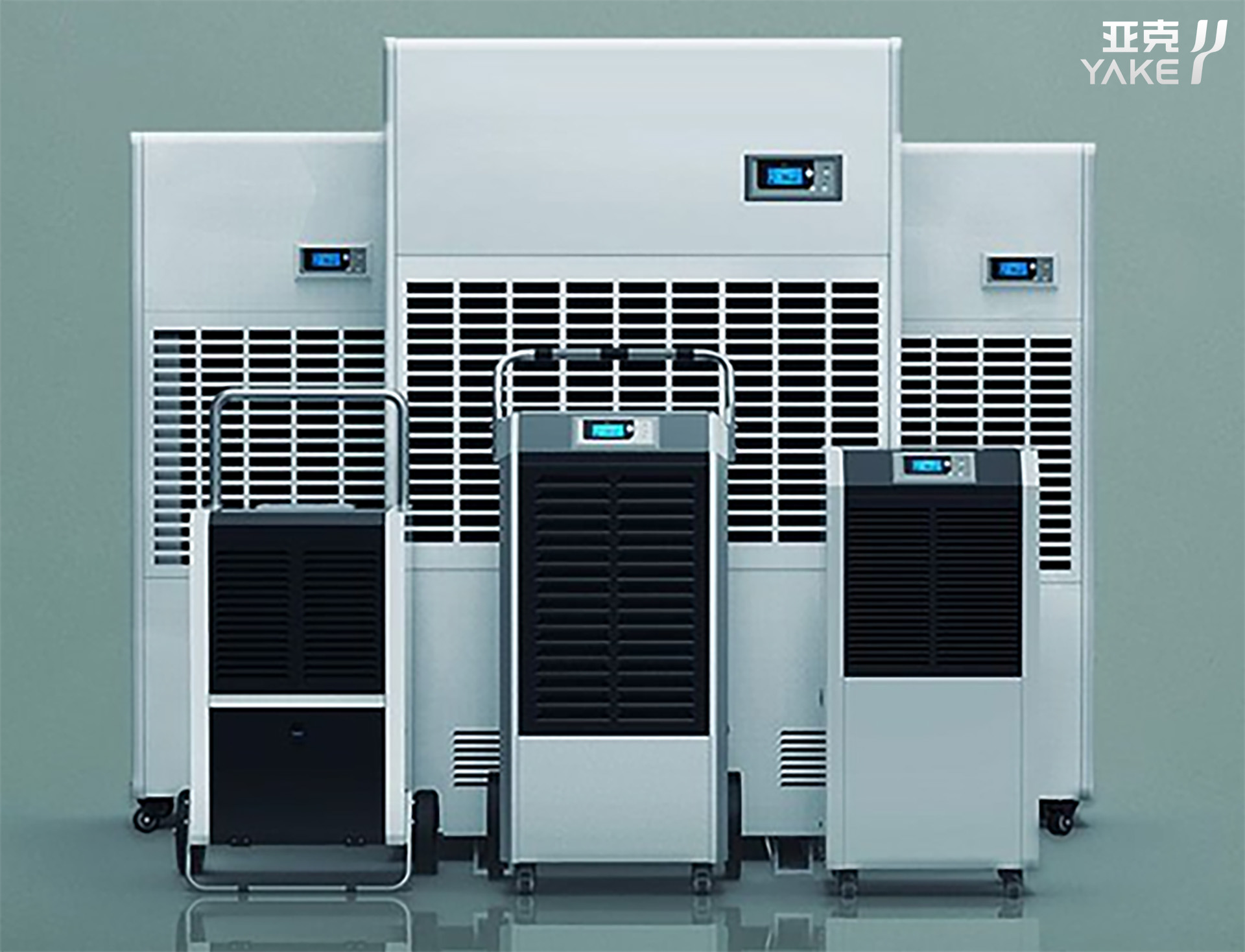
Contact us to find the best place to buy your Yakeclimate solution today!
Our experts have proven solutions to keep your humidity levels in check while keeping your energy costs low.