
Building 34, No. 535 Shunfeng Road, Hangzhou, Zhejiang, China
[email protected]
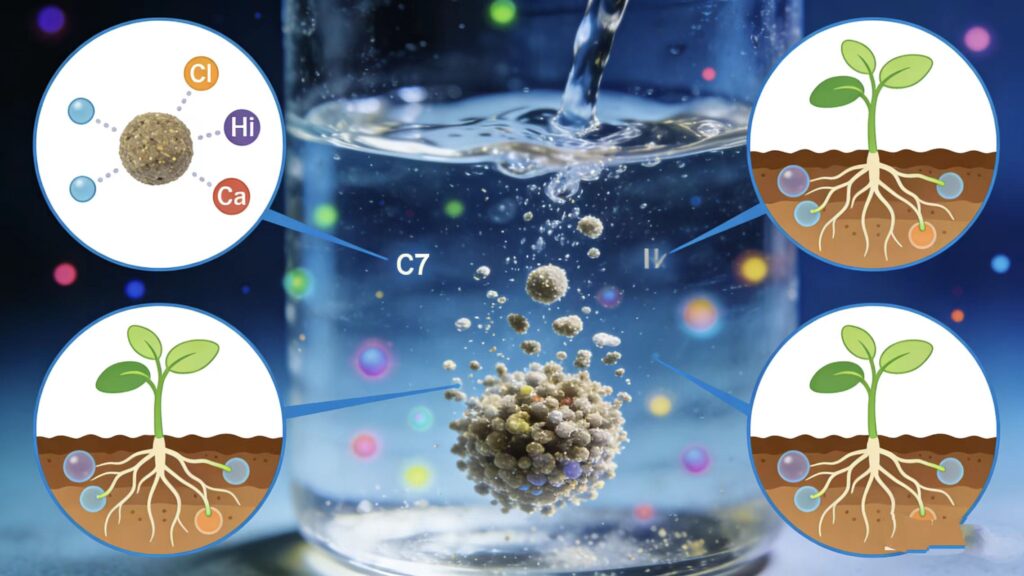

Hydroponic DIY fertilizers are homemade plant food blends for water-growing systems. Growers select these mixes to suit the requirements of various crops and achieve more precise nutrient control. Common substances such as calcium nitrate, magnesium sulfate, and potassium nitrate make up the bulk of a great many recipes. Mixing these at the right dose can help keep plants strong and healthy. Home growers save money, reduce waste, and customize the nutrient mix for every growth phase. The right blend helps pH balance and prevents salt buildup. Doing your own mix applies to small test setups and large growing rooms alike. The second section provides concrete guidance for selecting and mixing optimal DIY hydroponic fertilizers.

Plant nutrition in hydroponics is understanding what nutrients plants require and how to provide them in the appropriate form. Plants require both macro and micronutrients to develop, photosynthesize, and maintain health. Both the NPK ratio and the pH of your nutrient solution have a significant influence on how plants absorb these nutrients. Each plant and growth stage requires a unique blend, so nailing the balance is crucial for consistent yields and hardy plants.
Plants depend on three main macronutrients: nitrogen, phosphorus, and potassium. Nitrogen causes plants to grow leaves and stems. It is essential for producing chlorophyll and amino acids. Phosphorus is required for root and flower development. It mobilizes energy within the plant and creates DNA. Potassium is important for water transport in plants and aids them in combating stress.
How much of each macronutrient a plant needs varies by crop and growth stage. Leafy greens require additional nitrogen, while fruiting plants require additional phosphorus and potassium when they flower. An excess of any one nutrient can block others, so keeping them balanced is key. In testing the electrical conductivity (EC) and pH, you’re helping make sure the right nutrients are always there. Most hydroponic systems keep the pH between 5 and 6, so roots are getting a proper mix without anything being left out.
Micronutrients such as iron, zinc, and manganese are required in only small quantities but are no less essential. Iron is crucial to chlorophyll production. Zinc aids in the growth of stems and leaves. Manganese assists enzymatic functions. If plants lack micronutrients, they can become stunted, yellow, or produce a bad crop.
It’s simple to overlook micronutrients in DIY mixes. Adding a broad-spectrum supplement or chelated forms can assist. Observe your plants for symptoms such as a change in leaf color. Seasonal testing tells you if you’re lacking anything. If one micronutrient is too high, it can keep others from being utilized, so balance is key.
NPK refers to nitrogen, phosphorus, and potassium. Every crop and growth stage requires a different NPK combination. Leafy greens thrive with more nitrogen and fruiting crops like tomatoes require higher phosphorus and potassium when setting fruit. DIY fertilizer recipes need the NPK ratio to fit the plant’s stage and variety.
To get your NPK just right, do some reading on your crop, consult manufacturer charts, and tweak your mix as necessary. Mixes can be swapped as plants go from growth to bloom. For custom needs, slight variations in NPK can make a significant difference. Don’t forget to always monitor the pH and EC, as they both impact nutrient uptake. A pH shift from 6 to 7 makes nutrients ten times less available.
Hydroponic growers seeking both control and savings often give making their own fertilizers a shot. It requires a plan, precise ratios, and a taste for plant nutrition. The steps below outline how to start:
Begin with the right ingredients. Test the purity and nutrient levels of each input. Many growers source from agricultural outlets, but local sources reduce expenses and assist community enterprises. The staples are calcium nitrate, potassium nitrate, magnesium sulfate, and mono potassium phosphate. The NPK ratio, such as 2-2-4 for balanced growth or 6-24-24 for fruiting crops, indicates the percent of each primary nutrient. With a list in hand, you move quicker and make fewer errors.
Accuracy is what matters. A digital scale for dry components and graduated cylinders for liquids. Each batch should be measured the same to achieve consistent results. Jot down all of your quantities. A checklist helps avoid skipping steps or misreading scales. Tiny mistakes in mixing can cause bad nutrient uptake or imbalance.
Mixing comes next. Mix each ingredient into water one at a time, stirring after each until dissolved. Concentrated solutions require caution. Use gloves and goggles. After mixing, allow the solution to stand so that particulate matter can settle. Neglecting this can lead to clogging in hydroponic systems and patchy feeding.
Customize every recipe by what you grow. Leafy greens require more nitrogen and tomatoes love more phosphorus and potassium. Adjust nutrient levels as plants transition from growth to flowering. A few growers experiment with additives such as chelated iron or Epsom salt. Make notes so that you can duplicate and refine.
Homemade fertilizers keep best if stored in labeled, sealed containers in a cool, dry location. An aqueous solution can remain potent for months if stored correctly. Inspect storage regularly for signs of spoilage or leakage. Discard expired or leftover solutions in an environmentally safe manner.
PH and EC are two central metrics that shape nutrient uptake and plant health in hydroponics. These values work together. PH controls which nutrients stay available, while EC shows the strength of those nutrients in solution. Unlike soil, hydroponic systems are less forgiving, so careful tracking is crucial to prevent stress, lockout, or dwarfing. For professionals seeking high yields and system stability, these are factors they must keep in check to avoid waste, save energy, and get every ounce of return from their inputs.
The scale ranges from 0 to 14 and informs you of how acidic or basic your nutrient solution is. For most crops, 5.5 to 6.5 is the magic range, as it retains key nutrients in soluble form for easy root uptake. Certain crops, such as leafy greens or tomatoes, can have somewhat different requirements, so it’s best to consult crop-specific suggestions. Test pH every day using quality kits or digital meters, because minor shifts can immobilize nutrients and stunt growth. If it drifts out of range, adjust with pH up or down solutions, making changes in small steps for stability.
When pH drifts too far outside of the optimum range, some nutrients convert to unavailable forms, a condition known as nutrient lockout. You could observe yellow or curled leaves, purple stems, or stunted growth—indications that roots aren’t able to access what they need, even if it’s in the water. Calcium and magnesium usually get locked out first when pH is too low, while iron and manganese are affected at high pH. To fix lockout, you need to correct the pH, flush the system, and then feed with balanced nutrients again. Regular checks keep lockout at bay.
An EC meter measures the general salt concentration of your solution, indicating the nutrient concentration as a whole. Low EC means not enough nutrients for plant needs. High EC results in burned roots or toxic buildup. Modify feed strength with the addition or dilution of fertilizer, always tailored to the crop’s growth stage and unique EC requirements. Track your EC readings over time to identify patterns and adjust your recipe for optimal growth and minimal waste.
To maintain both pH and EC in the proper range, begin with clean water and blend nutrients meticulously. Make gradual adjustments. Abrupt changes stress plants and squander materials. Adjust pH up or down in small doses and always retest after any change. For EC, add nutrients gradually and stir well or add water if EC is too high. Check your logs regularly to identify trends, fine-tune your inputs, and achieve repeatable results with less danger and less labor.
Hydroponic systems require precise nutrient management to cultivate vibrant crops. Growers should consider both DIY and commercial fertilizers for their needs. Each has its advantages and obstacles. Here’s a nice table to summarize.
| Aspect | DIY Fertilizers | Commercial Fertilizers |
|---|---|---|
| Cost | Lower, especially long-term | Higher per unit, less flexible |
| Customization | High, can adjust for each crop | Fixed blends, less flexible |
| Consistency | Can vary, needs monitoring | Predictable, standardized |
| Environmental Impact | Lower transport, can be more eco-friendly | Higher transport, packaging waste |
| Difficulty | Requires technical skill, more effort | User-friendly, less technical skill |
| pH Stability | Often less stable, frequent checks needed | Stable, easier management |
| Longevity | May need more frequent changes | Longer-lasting in solution |
| Category | DIY Fertilizers | Commercial Fertilizers |
|---|---|---|
| Initial Investment | Medium (tools, stock ingredients) | Low (just product) |
| Ongoing Cost | Low per batch | High per use |
| Bulk Purchase Savings | High | Limited |
| Waste/Overuse Risk | Moderate | Low |
DIY fertilizer recipes can save money over time, especially on a large scale or in extended duration projects. Most of the cost is up front: buying scales, containers, and nutrients in bulk. Commercial fertilizers are more expensive per application but require less equipment, which fits the small-scale or novice grower. To save money, purchase dry salts wholesale and stash them in airtight bins or recycle containers. Growers who mix their own solutions can optimize nutrient quality and skip paying for unneeded additives.
With DIY fertilizers, you have complete control over the nutrient blends. Growers can tailor the solutions to the precise needs of their crop, for example, tweaking the formula for different plants or stages of growth. For instance, lettuce may require less potassium but more nitrogen than tomatoes. By recording each batch’s recipe and results, growers can refine their mix for subsequent cycles. Customization allows you to react quickly if you detect symptoms of deficiency or excess in your plants.
With DIY, mixing nutrients for seedlings, flowering, or fruiting is simple. You can trial different proportions, observe what works, and adjust your subsequent batch. This versatility can lead to better yields and healthier plants, especially if you log and iterate.
DIY fertilizers can reduce your grow’s carbon footprint. Some commercial products are transported hundreds of miles and come in tons of packaging. By obtaining your salts and minerals locally or in bulk, you reduce waste and transport emissions. Some growers use organic DIY ingredients, like compost teas or fish emulsion, which can swing in pH or strength, sometimes 100 ppm nitrogen to 150 ppm in a few days. This means tank changes and pH checks more often. All the same, with clean sourcing and a little care in monitoring, DIY is a sustainability winner.
The living soil-free system, known as hydroponics, is a method for cultivating without soil, where concentrations of roots are nourished directly via a nutrient-rich water solution. This method allows for up to 90 percent less water consumption than soil growing and enables growers to more precisely deliver plant nutrition, pH, and environmental control. Hydroponic installations can be programmed to inject water at specific intervals and then completely drain, reducing water consumption by up to 80 percent to 95 percent over conventionally field-grown crops. Lettuce, spinach, herbs, and strawberries are among the plants that tend to excel in this system, exhibiting robust yields and high quality. For best nutrient uptake, a slightly acidic solution with a pH between 5.5 and 6.5 works best, but growers need to be alert for dangers like root rot, which manifests as brown or mushy roots.
Good bugs are the best part about hydroponics. These microbes are able to convert organic matter in the water into plant-accessible forms, suppress harmful pathogens, and assist root growth. Adding microbial inoculants to the nutrient solution is a typical tactic. These products are blends of bacteria and fungi that enhance plant health and nutrient absorption. You can watch microbial activity by observing root color and slime buildup or using test kits that measure microbial counts. When the balance is right, microbes enter into a symbiotic relationship with plant roots, frequently facilitating the plants’ uptake of minerals and trace elements necessary for growth.
So many hydroponic growers turn to organic inputs to enhance crop health and sustainability. Things like kelp meal, fish emulsion, humic acid, and liquid seaweed can be added to hydroponic fertilizers for more varied plant nutrition. With organic super supplements, you don’t have to be so dependent on synthetic chemicals, which is great for the sustainable guys. It’s worth trying various inputs, as every hydroponic system and plant is a bit different. Always check that your preferred organic supplements are 100% soluble and pathogen-free, so they perform well in closed-loop systems without clogging lines or damaging roots.
Compost teas are brewed by soaking compost in water, occasionally oxygenated, to extract nutrients and helpful microbes. These teas can be added as a supplement to hydroponic nutrient solutions, supplying a consistent source of micronutrients and living organisms. By applying compost teas, you can support healthy roots, reduce disease transmission, and maintain robust growth. To use, sprinkle small amounts straight into the water, monitoring for foam or cloudiness to indicate active microbial activity. Watch plant health carefully post-application. Inspect leaf color, root growth, and overall vitality to adjust compost tea dosage and frequency.
Nutrient problems in hydroponics can inhibit plant growth, reduce yields, and cause resource wastage. To keep crops healthy, it’s crucial to identify and correct these issues quickly. Elements such as water quality, pH fluctuations, and even climate control can alter nutrient absorption in plants.
Common nutrient problems in hydroponics:
Check leaves for hints. Yellowing around the edges can indicate magnesium deficiency. If new leaves yellow but veins remain green, iron may be low. Manganese and iron deficiencies appear similar, but manganese usually affects older leaves first. Calcium gaps cause blossom-end rot, curled tips, and poor fruit set. Even leaf color typically indicates nutrients are okay.
Look out for patterns. At other times, the yellowing begins on older or younger leaves, depending upon the absent nutrient. Curling, small leaves, or distorted fruit can indicate nutrient issues. Follow these symptoms to customize your fertilizer blend. Record what you observe. Over time, this hones your method and prevents recurring issues.
Too much can burn roots or tips. Leaf burn, brown patches, and stunted growth can indicate toxicity. Spots or blotches, particularly accompanied by stunted roots, frequently alert to excess. Toxicity symptoms can strike quickly and extend over numerous plants.
It pays to recognize both deficiency and toxicity symptoms. For instance, excess nitrogen results in luxuriant but feeble growth, while too little causes stunted plants. Tip: Change immediately if you notice strange colors or dead patches. ABOUT: FIND NUTRIENT TROUBLE Avoid nutritional issues with frequent testing and by monitoring water quality.
Begin by testing your system’s pH and nutrients. Keep pH between 5.5 and 6.5 so plants are able to use what is there. Adjust your fertilizer mix if you notice deficiencies, and flush the system if residue is heavy. If water is overloaded on a particular nutrient, filter or use a new source. Go over your notes and tweak as necessary.
Inspect plants regularly. If you fix it early, you lose less. Discover tips for identifying nutrient issues to keep it all in check and safe for your crop.
To feed hydroponic crops well, growers need to understand what each plant desires. Doing your own mixes from base salts or simple blends keeps things transparent and inexpensive. Even little shops will sell you what you need: calcium nitrate, magnesium sulfate, and potassium nitrate. These salts dissolve quickly and allow you to customize the formula. Keep an eye on pH and EC. How both swing affects how roots take in food. If leaves yellow or growth stalls, check the basics first. While off-the-shelf mixes save a lot of time, home blends give more control. Each crop and setup behaves a little differently, so experiment, adjust, and monitor what works. For additional advice, innovative implements, or consistent cultivation, contact Yakeclimate. We support growers who grow smarter.
Hydroponic plants require macronutrients including nitrogen, phosphorus, and potassium, as well as micronutrients like iron, calcium, and magnesium. Balanced nutrition promotes strong growth and high yields.
Yes you can with water-soluble minerals and salts. Safe and effective, measure out each nutrient. While homemade solutions can save you money, they let you make custom blends.
Right pH and EC allow plants to absorb nutrients well. Tracking these levels helps avoid deficiencies and toxicities, resulting in healthier plants and more bountiful harvests.
These types of DIY fertilizers give you flexibility and can save you some money. Commercial fertilizers are convenient and balanced but can be more costly. Either way works if fertilizers are mixed and managed properly.
Yellowing leaves, sluggish growth and leaf spot tend to point to nutrient issues. Inspect plants and solution levels frequently to catch and correct deficiencies early for vigorous plant health.
Yes, hydroponics is soil free. Plants grow in a water and nutrient solution, frequently supported by inert media such as expanded clay pellets or coco coir or peat moss instead of soil.
Adjust with pH up or pH down for hydroponics. Never make a big change at once. Always adjust slowly and test the water after every change, so you’ll never hurt your plants!



Contact us to find the best place to buy your Yakeclimate solution today!
Our experts have proven solutions to keep your humidity levels in check while keeping your energy costs low.