
Building 34, No. 535 Shunfeng Road, Hangzhou, Zhejiang, China
[email protected]
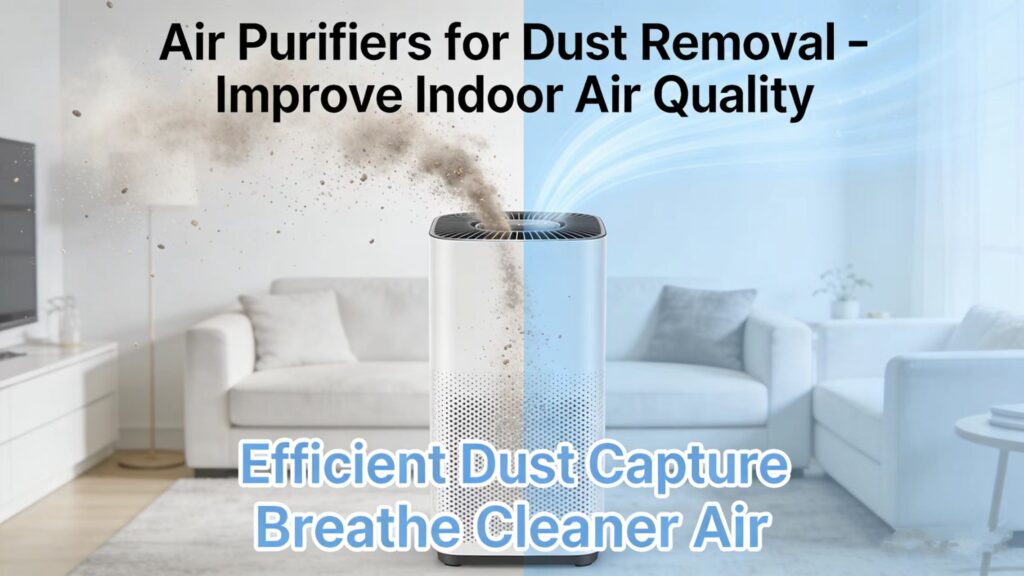

Dust air purification refers to eliminating particulate matter and dust aerosols from interior environments through filtration or sophisticated air purification technologies. Factories, workshops, and cleanrooms employ dust air purification to maintain safe air for workers and safeguard products from contaminants. Very fine filters, such as HEPA or ULPA, capture particles down to 0.3 microns in size. Automated systems with real-time sensors provide more consistent results and maintain dust under rigorous limits. Clean air reduces equipment wear, cleaning expenses, and increases quality control. Yakeclimate’s dust air purification units fit into spacious areas, providing potent and fixed dust removal for industrial requirements. Next, the blog will demonstrate how dust air purification works and how to select the appropriate system for your plant.

Healthy and clean air is essential for health and optimal work performance. Fine dust and airborne particles, such as PM10 or smaller, can enter the airways and cause lasting damage. World Health Organization figures reveal air pollution has become the number one environmental threat to health, causing around 7 million deaths in 2012. The result is tangible dust air purification results in the workplace and home, promoting respiratory health, brain health, improved sleep, and allergy relief. The following table highlights the key benefits and health consequences.
| Benefit | Health Outcome |
|---|---|
| Fewer allergens | Less asthma, allergy attacks, breathing issues |
| Lower particle load | Reduced risk of lung, heart, and vascular diseases |
| Cleaner surfaces | Better hygiene, less cleaning needed |
| Improved air quality | Enhanced focus, productivity, and sleep |
Dust air purifiers exist for a reason. These particles, often sub-10 micron, evade the nose and lodge in the lungs. Dust and PM10 exposure over time increases the risk of asthma, COPD, and even lung cancer. Plant managers and engineers understand that filtration minimizes this intake, helping to maintain regulatory compliance and protect their workforce. Implementing high-quality dust filter systems is one of the best ways to protect lung health and combat the disease load illuminated by global research.
Dust affects more than your lungs. Elevated airborne PM interferes with brain function, reducing focus and output. Research links bad air to mental exhaustion and delayed response times. Getting the dust and allergens out of work areas gets your staff thinking clearly. Yakeclimate solutions eliminate distractions by removing irritants from the air and increase concentration and productivity.
Dust and airborne allergens can exacerbate nasal congestion and inflammation, making sleep difficult. With an air purifier in bedrooms or staff rest areas, you’ll experience less disruption from sneezing or congestion. Clean air protects sleep cycles and deep rest. Several of them report that the cleaner air they get at night helps them stay alert and in good spirits during the day.
HEPA filters can protect against the typical indoor allergens such as pollen, pet dander, and dust mites. Regular air purification can reduce allergen levels by 50 percent, according to controlled tests conducted in kids’ bedrooms. This translates into fewer allergy flare-ups and more comfort at home and work. Proper allergen control leads to fresher air and fewer days lost to sickness.
Less airborne dust means fewer particles settling on desks, tools, and sensitive equipment. Less settled dust means less cleaning and sharper looking desks. A dust-free environment keeps your sensitive equipment reliable and extends its service life. Regular air purification and cleaning go hand in hand.
Dust is not simple specks of grime that you observe on your shelves. It obscures a cocktail of PM10 and PM2.5 particles that permeate the air, lodge into our lungs and permeate our bloodstream. These ultrafines constitute approximately 90% of airborne particles. They bypass the body’s usual filters. When humans inhale them day after day, the risk for respiratory diseases increases. Asthma, bronchitis and even heart problems can trace back to dust at home and work. We live in an age of invisible threats and mostly indoors, where up to 90 percent of our lives are spent, dust becomes a bigger problem.
Dust is not soil or sand. It consists of dead skin cells, dust mite droppings, and mite carcasses. Each of you drops around one and a half grams of skin flakes daily. That little bit can nourish a million dust mites. Each normal household harbors hundreds of thousands of mites in bedding, sofas, carpets, or curtains. Approximately 80% of US homes have dust mite allergen in a bed. These mites and their excrement are major triggers of allergies, asthma, and other respiratory issues. When dust collects and settles on surfaces or becomes airborne, workers and families unknowingly inhale these invisible threats.
Fine dust is the most difficult to manage. It enters deep into the lungs, bypassing the nose and throat. A few even sneak their way into the bloodstream. Once inside, it can ignite inflammation and chronic disease. In industrial contexts, the risks are more severe. Mechanical parts and delicate equipment can be clogged or harmed by dust accumulation. Dust in the air generates static, ignites fires and reduces product quality. Dusting isn’t always performed. They found similar results in simulations with dust carrying unseen dangers.
Active dust control is crucial. I don’t just mean an occasional cleaning. It requires next-level air filtration and intelligent humidity management. Yakeclimate’s solutions help prevent dust before it accumulates and maintain the air safe. With robust filtration and energy-wise systems, we assist plants and facilities in reducing health hazards, complying with safety regulations, and keeping equipment operating longer.
Dust purification sucks in air, passes it through filters and snatches dust from the air currents. Dust in industrial spaces isn’t dirt; it could be skin, fibers, pollen or dander. Air purifiers operate continuously, drawing air over their filters dozens of times an hour. In other words, purifiers can reduce the dust levels in a mid-size room in as little as half an hour or up to two hours depending on air flow, fan speed and the room’s air circulation. Using the proper filter is the trick. Not all filters collect the same and do not last as long. Filters need to be fit to the dust load and type. Below is an overview of common filtration technologies:
Sensors in many purifiers monitor dust levels on the fly and adjust fan speeds to optimize performance and conserve power.
HEPA filters have become the gold standard worldwide for controlling dust. Their fine mesh captures at least 99.97% of particles down to 0.3 microns, including pollen, dander, and fine dust. This arrestance level, the effectiveness of a filter to remove man-made dust, is important in environments requiring clean air such as electronics or pharmaceutical plants.
Allergens and pollutants get trapped before they can land or be breathed in. High-efficiency filters translate to less exposure for your staff and fewer dust-related problems with products or machines.
Different particle filters give different results. HEPA is best on ultra-fine dust. Pre-filters and electrostatic types assist with larger debris. Filter life is what counts too. HEPA could require changing anywhere from 6 to 12 months, but pre-filters can require more frequent swaps in dust-heavy environments.
Gas-phase filters extract odors, VOCs, and fumes that particulate filters miss. These filters, usually filled with activated carbon, absorb dangerous gases and chemical odors. For sensitive industries, combining both particulate and gas phase filters provides the broadest defense.
Activated charcoal is powerful for neutralizing smoke, solvents, or plant emissions. This combo freshens shop air, making it healthier and more comfortable. Filter life, contaminant levels, and airflow all factor into how these filters perform.
These new air purifiers use ionizers, UV-C light, and smart controls. Ionizers electrostatically charge dust so it clings to surfaces or filter plates. UV-C can kill airborne germs. Intelligent purifiers connect to apps, letting you monitor air quality, program schedules, and receive notifications when it’s time for a filter swap.
Some of the new systems can even target specific allergens or dust. Environmental impact is a big piece. Top-of-the-line systems are more energy-efficient, reduce waste, and support contemporary plants’ green objectives.
DUSTY CHOICES — When it comes to selecting your air purifier for dust control in industrial or commercial spaces, it’s a balance between technical specifications, practical requirements, and value for the investment. We believe decision makers require an easy checklist to compare models and find the best fit for their operation.
First, pair the purifier’s rated coverage to your room size. Measure its surface area in square meters. Larger rooms require more powerful units, typically providing more ACH. The higher the ACH, the more often the air gets purified, which is a crucial factor in dust-laden environments.
If you’re managing dust in a small lab or control room, seek out compact, portable units. These units consume less power. Massive production floors require permanent, high-output systems. Air purifiers should always list a coverage area and ACH, so make sure you pick a model whose coverage area and ACH match the size of your room.
Identifying dust sources allows you to customize your solution. High traffic areas, moving parts, or raw material handling all contribute to higher airborne dust loads. Do you have pets, construction in the area, or open windows to flush out VOCs?
Pick purifiers with filters designed for your dust types. HEPA filters catch fine particles, removing at least 99.97% of 0.3-micron dust, while carbon filters absorb VOCs and odors. In textile or woodworking shops, seek out units that capture both fibers and fine dust. For outdoor dust, find ones with pre-filters for coarse junk and HEPA for the rest.
Noise is a consideration, particularly in environments where they work or sleep. A few purifiers go as high as 71 decibels, which is more than a busy office. For silent sanctuaries, opt for units with quiet settings or variable-speed fans. Variable speed allows you to turn noise down at night or during important meetings.
Balance noise with airflow: the quietest units may not move enough air for heavy dust. Look at user reviews for real-world impressions, particularly if you require silence in the middle of your shifts.
A little maintenance keeps purifiers humming. Filters must often be changed every 6 to 9 months, and replacements can cost up to $90 each. Simple, tool-free filter swaps save you time.
Choose ones with filter-change alerts or easy-access panels. Check your manual for cleaning advice. Some require a monthly dusting on the inside. Energy use matters too. Some models draw as little as 8.1 watts on medium, which keeps running costs low.
Dust air purification crafts safe and clean air well beyond the sanctuary of homes. Out in the wild, in offices, schools, hospitals, and public spaces, the stakes are much higher. A large majority of us live the majority of our days indoors. Air quality affects comfort, health, and productivity. Bad air attracts dust, allergens, and combustion byproducts. Even innocent-seeming things like burning candles, cooking, or using fireplaces contribute particulates that can persist for hours. Cutting down on sources helps, but you can’t always. Practicalities such as opening windows for five to ten minutes multiple times a day, particularly in winter, or using doormats to trap dust make small yet significant inroads. These and engineered solutions together can make a huge difference in crowded public areas.
Construction sites present their own special air quality challenges. Cutting, grinding, and disturbing materials liberate fine dust that endangers workers’ lungs. These flying particles can carry silica, asbestos, or other hazardous materials. Prioritizing dust control protects workers and satisfies stringent regulations.
Water sprays and air scrubbers are two effective methods to control dust. Water bonds with dust, causing it to drop to the ground rapidly and air scrubbers pull particles from the air. Both methods keep site emissions under control and keep the work space clear.
Rules establish dust limits. Compliance isn’t merely about penalty avoidance; it’s about worker health. Real-Time Air Quality Monitoring specifically alerts to spikes in particulate matter, so you can act quickly. Site managers must be trained to identify hazards and react with appropriate mitigation.
Fresh air in offices enhances concentration and health. Air purifiers trap and eliminate dust and allergens that could make a space less comfortable or aggravate symptoms. Good indoor air quality means fewer sick days and increased morale.
Ventilation counts. Open windows flush with fresh air and pollutants, but on windy days, closed windows and entryway mats keep dust at bay. Office space design, such as desk location and air flow patterns, should collaborate with air purifiers for optimal effect.
Building an air-aware culture means inspiring your employees to take action with easy steps and backing continuous enhancements. Like well-kept machines and astute cogs, these act in combination to circulate fresh air and keep the workroom healthy.
Requiring air cleaning in environments constructed to be sterile is a true paradox. Our modern offices and homes employ sealed windows and HVAC to conserve energy, but it effectively traps dust and pollutants inside. Even in ultra-clean factories or labs, dust from shoes, clothes, and packaging finds its way past intake vents. Industrial areas can contribute to indoor dust when loading docks or product transfer allow particles to become airborne.
Here’s the irony: this pursuit of coziness and uber-productivity generates even more dust indoors, making purification essential. Air purifiers tout a cure, but occasionally compound the affliction. Certain ionizers or ozone generators, for example, can produce byproducts that affect health, such as ozone or secondary particles. Even HEPA filters and UV units can re-circulate dust or germs if not configured properly. The separation between the air outlet and the work’s face can alter the effectiveness of air jets in blocking dust.
Research identifies these defects. One states air purifiers can achieve up to 99.46% elimination of micro-particles. This is contingent upon filter type, air flow velocity, and configuration. Bad design or aging filters lose efficiency quickly. Particle filtration does reduce dust, but it works best when combined with HEPA or higher grade filters and when the room’s airflow complements the selected unit. Certain purifiers can provide a false sense of security. They neglect things like hand washing, mask use, or periodic cleaning, reasoning that the machines handle it all. This renders air purification just one piece of a larger strategy, not a standalone solution.
It’s going to take more than gadgets to clean our air. Sustainable habits, such as wet mopping, less clutter, good ventilation, and upfront maintenance, slash dust at the source. Utilizing energy-smart purifiers and adhering to rigorous filter changes assists as well. Working with climate control specialists enables teams to align solutions to the right problem, prevent overuse, and maintain systems in compliance with regulations and sustainability targets.
Dust builds up fast. It clings to air, sticks to machines, and slips into lungs. In plants, even a thin layer can wreck a batch or slow a line. Good air purifiers pull in dust, trap it, and keep air clear. Some use strong filters, others use ion technology. The right size and type matter for the best results. One size never fits all. Places like labs or car shops need tough, steady gear. Clean air means safer work, better products, and less downtime. To get more from your space, check your dust risks and pick tools made for your needs. Want to see what fits best? Reach out to Yakeclimate for a plan that works with your floor.
Dust air purification is the process of removing dust particles from indoor air using specialized filters or devices. Dust air purification
Dust is full of allergens, bacteria, and even toxic chemicals. Dust inhalation can induce allergies, exacerbate asthma, and damage respiratory health, particularly in vulnerable populations.
Dust air purifiers employ mechanical or electronic filters through which the air is passed. HEPA filters work great for dust.
Be sure to select an air purifier that has a TRUE HEPA filter, the right room size coverage for your location, and is super quiet. Look for the unit’s Clean Air Delivery Rate (CADR) for dust to guarantee effectiveness.
Yep, air purifiers in schools, offices, hospitals, and factories manage dust and enhance air quality, promoting healthier lives all around.
No, a lot of dust is microscopic. They linger in the air and slip into your lungs invisibly.
Air purifiers do a lot to lessen dust, they do not actually remove it from surfaces or prevent fresh dust from coming in. Regular cleaning and ventilation are important.


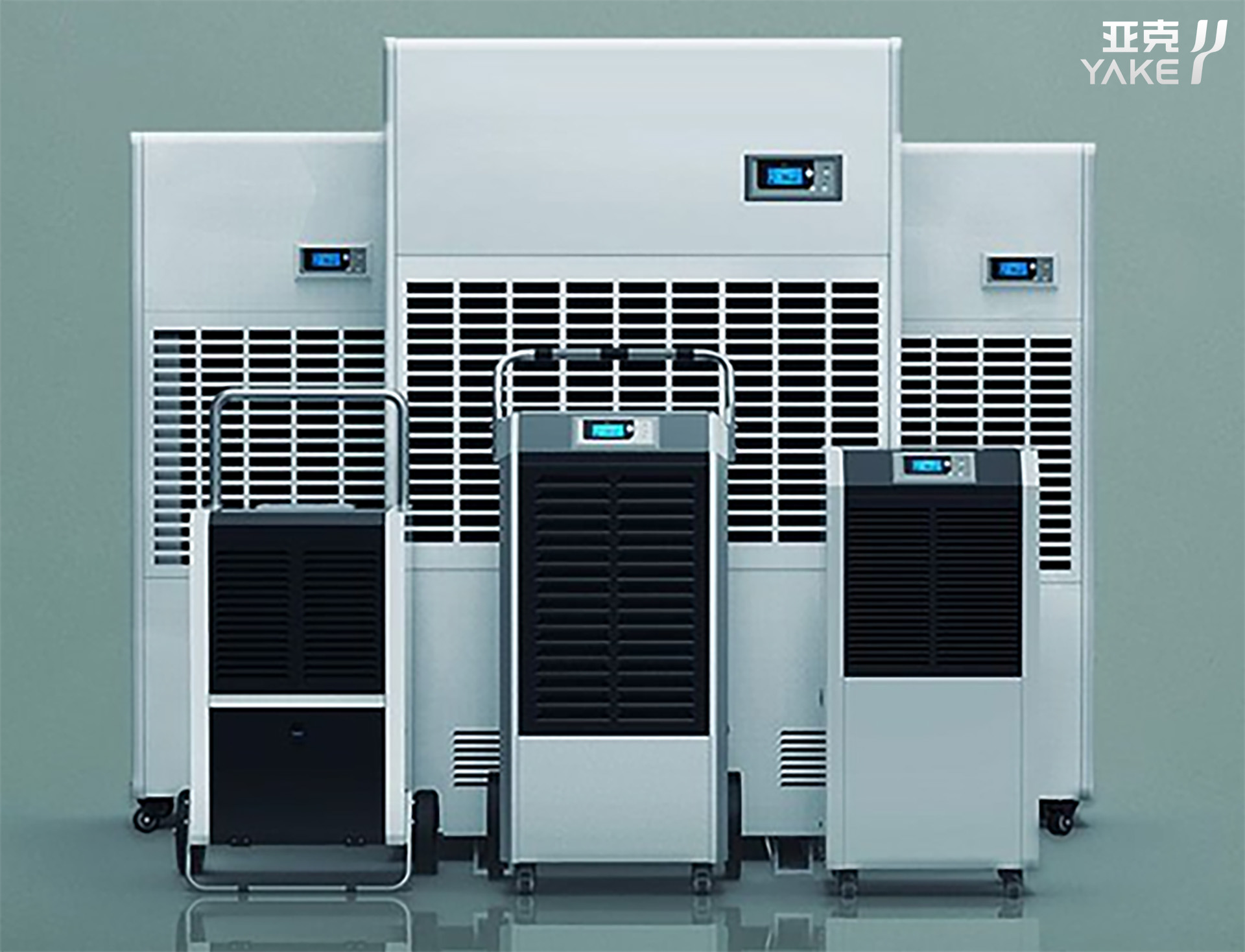
Contact us to find the best place to buy your Yakeclimate solution today!
Our experts have proven solutions to keep your humidity levels in check while keeping your energy costs low.