
Building 34, No. 535 Shunfeng Road, Hangzhou, Zhejiang, China
[email protected]


Soil moisture probe technology provides real-time information about the moisture content of the soil. Growers employ these probes to monitor fluctuations in soil moisture at varying depths, enabling them to determine the optimal timing and amount for irrigation. These sensors assist in water conservation, reduce waste, and maintain crop health by preventing dry spots as well as overwatering. With probe options that fit small pots to large fields, this tool works for indoor or outdoor farms. Soil moisture probe data can even connect to apps or greenhouse systems, so growers get updates on their phones or computers. As a result, growers achieve more stable growing conditions and higher yields. The meat will discuss how to select and deploy these probes in various farm configurations.

Soil moisture probe technology is a way to monitor the water sitting in the soil. These probes utilize sensors to obtain real-time data, highlighting areas where soil is overly dry or wet. By understanding the real moisture level, growers can make informed decisions on when and how much to irrigate. Probes can be installed at various depths, ranging from the surface to the entire root zone. Some take a single point measurement, while others display an entire vertical profile, commonly between 30 and 120 centimeters. Accurate readings mean more precise irrigation, saving water and increasing plant health. Sensor choice and placement depend on soil type, crop needs, and budget.
Capacitance sensors function through sensing the soil’s dielectric properties. When water occupies the space between the soil particles, the dielectric constant changes and the sensor notes this transition. These sensors transmit real-time data directly to a grower’s phone or control system. They react rapidly to change and enable rapid modification of irrigation schedules. Capacitance tends to hold up well, as long as the soil texture is known and taken into account. They operate in any soil from sand to clay. Most utilize these sensors for crops that require meticulous water management, like vegetables or greenhouse plants.
TDR measures the speed of an electrical pulse traveling through the soil. The pulse speed varies according to water content. TDR sensors provide precise, consistent measurements of volumetric water content and are invaluable to research and high-value horticultural crops. They can be configured at multiple depths, demonstrating how water travels through the soil profile. TDR is commonplace in agriculture and environmental monitoring, such as monitoring soil health in forests and wetlands.
Neutron moderation employs a radioactive source to irradiate soil with neutrons. The neutrons decelerate upon striking hydrogen atoms in water. By counting slowed neutrons, the probe estimates soil moisture. Neutron probes can measure large areas and are effective for research plots or large farms. Users have to adhere to rigid safety protocols, as these sensors employ radiation. They have long been the tool of choice in scientific research and in some commercial farming, particularly where large-scale data is required.
Tensiometers measure the effort plants need to “pull” for water, known as soil water tension. This value, soil matric potential, is critical for delineating irrigation times. Tensiometers provide real-time feedback, preventing under or overwatering. They perform well in moist soils and not very dry or sandy soils, where readings can be hit or miss. For fruit trees or field crops, tensiometers direct irrigation, ensuring plants never run dry.
Resistance sensors detect soil moisture by testing how readily electricity flows between two electrodes. The moister the soil, the better it conducts electricity. These sensors are affordable and excellent for gardens or small farms. Salty or hot soils affect their accuracy, and users need to be aware of local soil and weather. Many gardeners and landscapers rely on resistance sensors so that they don’t waste water or leave dry spots.
Soil moisture probe accuracy is not constant. A lot of things can affect it, from what’s under the ground to what’s over it. Understanding these factors aids growers and researchers in obtaining more accurate readings and making more informed decisions.
Soil texture is critical. Sandy soils drain quickly and retain less water. Clay soils retain water for a longer period of time but could baffle some probes to read either higher or lower than actual. Silt lies in between. This distinction affects when probes detect moisture in the ground. Organic matter is a huge factor. More organic material, such as roots or compost, can alter moisture dynamics and sensor readings. Sensors can pick up moisture where there is none, thanks to residual organic matter. Minerals, particularly salts, bounce around too. High soil salinity can cause certain sensors to read higher or lower water than there actually is. Salty soils interfere with the electrical signals that most probes measure, causing them to overestimate or underestimate. Each probe’s conversion formula can affect the ultimate water content result. Due to the greatly varying soil types, one calibration does not fit all. Every type of soil—loam, sand, clay—requires a different sensor configuration.
Temperature swings can destabilize sensors. When it gets hot or cold, the electronics inside probes can ‘drift,’ impacting how they read water. Moisture in the air, particularly in sealed indoor grows, could alter readings. Precipitation adds water fast, and hot sun and wind dry soil rapidly. These shifts can trick probes if not monitored closely. With different seasons, such as a wet spring or a dry summer, soil moisture is almost never consistent. Sensor readings will jump all over the place if you don’t take this into account. Where and how you insert the probe into the soil counts. If it is inserted in a wet patch or too close to the surface, the sensor may not read the actual average of the field or bed.
Calibration isn’t a once-and-done thing. Each probe type, such as TDR or capacitance, requires a separate technique. Manufacturer instructions eliminate error. If you skip steps or use an incorrect method, it can throw the readings way off. This can result in overwatering or underwatering, endangering the crop or wasting resources.
Soil moisture probe technology extends well beyond acres of farmland. These sensors are used in locations such as cities, labs, and homes. Its magic lies in providing immediate feedback on the moisture level of the soil, enabling humans and automation to make more intelligent decisions regarding irrigation and plant care. The techniques that once powered farms now power greener cities, improved science, and intelligent homes.
| Benefit | Crop Health | Water Usage | Waste Reduction |
|---|---|---|---|
| Data-driven irrigation | ✔️ | ✔️ | ✔️ |
| Real-time soil feedback | ✔️ | ✔️ | ✔️ |
| Integration with IoT platforms | ✔️ | ✔️ | ✔️ |
Sensors assist farmers in aligning water application with crop requirements. That means plants receive what they need to thrive and less water is wasted. Data-driven irrigation can reduce water consumption by up to thirty percent. Strong roots result in hardy stalks, improved harvests, and fewer incidences of blight.
Probes integrate with other tech, such as GPS mapping, weather stations, and LoRaWAN IoT nodes, to help make farm management more precise. Various sensor techniques, including neutron probes, GPR, and TDR, provide growers additional alternatives. Each comes with its own trade-offs in terms of price and speed.
Soil moisture sensors are important in monitoring water flow in these natural settings. Scientists use them to monitor droughts, observe wetland changes, and research plant and soil interaction. For instance, leaky Rayleigh waves and electrical resistivity find wet or dry spots without digging.
Data from these probes assists climate change research by demonstrating how soil moisture connects to weather patterns and ecosystem health. Moisture readings help model flood risk, drought impacts, and carbon cycling in forests or grasslands.
Sensors are now frequently biodegradable, so they can be left in the ground. This is particularly helpful for ephemeral research in delicate ecosystems.
Now, soil moisture sensors are making their way into home gardens and indoor plant arrangements. They integrate with sprinkler systems too, so plants get watered only when necessary. This means less guesswork and fewer dead plants.
Real-time readings help humans identify dry soil before it damages plant health. These sensors can be connected to smart hubs and apps, triggering notifications or initiating watering with a tap.
Smart Garden Beyond the Farm As technology advances, even casual gardeners will be able to sustain their plants with less water.
Implementing your system
Installing a soil moisture probe system is about more than just purchasing sensors and jamming them into the earth. These steps require pre-planning, site evaluation, and detail orientation to ensure you obtain actionable, dependable information for irrigation scheduling. Soil texture, crop type, and field layout all factor in. Costs can add up quickly, with sensors running between $250 and $350 apiece and data loggers between $500 and $2,500, so it’s critical to plan appropriately.
Getting the sensors at the correct depth is essential. One third and two thirds of the root zone depth allows you to monitor how water travels to where the roots really grow. Soil layering matters—a sandy layer over clay or the reverse affects water holding and flow, so positioning the sensor where it most closely represents root uptake is wise.
Sensors near root zones provide more meaningful data than those placed outside of areas with active growth. Environmental factors such as temperature shifts, high salinity, and bulk density can impact sensor accuracy. Don’t put sensors in field edges, low spots, or on steep slopes.
A checklist prevents errors. Dig holes with as little soil disturbance as possible, insert sensors vertically and backfill to keep good soil contact. Keep tools clean and do not sharply bend sensor cables.
Typical stumbling blocks are driving sensors into dry or compacted soil, neglecting calibration, or disregarding manufacturers’ instructions. Every step counts for getting good measurements. Use the right tools, like soil augers and access tubes for portable probes. Manufacturer instructions differ, so consult them carefully before and throughout installation.
Routine tasks are verifying sensor connections, cleaning probes, and ensuring data loggers function. Dust, mud, or buildup can skew reads, so clean sensors as necessary. Perform calibration checks at least once per growing season and more often if soil or crop conditions change.
Troubleshooting typical problems, such as erratic readings or data gaps, regularly involves inspecting for cable damage, loose connections, or software bugs. In high clay or salt environments, be prepared to recalibrate or relocate sensors to maintain data integrity.
Soil moisture probes are the spear tip of the smart data revolution in agriculture. With sensors working in concert and connected to the digital ecosystem, growers now leapfrog the antiquated method of guessing at water needs. Instead, they rely on facts and figures taken directly from their dirt. This transition from instinct to insight is transforming irrigation, making it leaner, greener, and better for yields. Networked sensors collect and distribute data in real time, enabling even small farms to monitor soil moisture over large areas and conserve water. More farms are adopting smart tech, even as they consider costs and the learning curve. The worldwide market for soil moisture sensors continues to expand, illustrating the rapid pace of this digital transformation.
IoT connects soil moisture probes to phones, tablets, and farm computers. Field data feeds directly into smart devices, where it is accessible and actionable. With this set-up, growers monitor soil and weather in real time without leaving their doorstep. IoT enables remote monitoring and control, allowing farms to adjust irrigation in real time from anywhere. This saves time and avoids overwatering. Farms can even have automatic starting or stopping of watering based on what the sensors report. IoT accelerates data availability, enabling teams to detect issues early and maintain records securely in the cloud.
Networked sensors provide a richer, more accurate portrait of soil moisture because they sample from multiple locations rather than a single point. This is important when soil varies across a field. Information from all sensors is considered simultaneously, resulting in control decisions that are consistent with reality rather than hypothesis. Farms with acreage use networked probes to monitor for dry areas or leaks. Water flows just where it is required, minimizing wastage and thus cost. In large operations, connected detectors monitor each section of the plot and allow employees to collaborate more effectively.
Data synergy is taking data from multiple sources and making it flow. When soil probes, weather data, and crop health all feed into one system, the aggregate is smarter than each part. Analytics tools can identify patterns, indicate how to adjust irrigation, and even predict the field’s next requirement. This allows farms to establish plans that balance both soil and weather instead of just the calendar. Given sufficient data, farms can make use of models to prepare for droughts, reducing potential losses and improving crop quality.
Selecting the appropriate soil moisture probe begins with comprehending your objectives for measurement. Probes don’t work equally in all soils or climates, so understanding your growing environment is crucial. Probe selection should suit your crop requirements, soil conditions and budget. Considerations in probe selection include probe length, measurement volume and compatibility with your logging system. Probe life counts, as well, because a high-quality probe can continue operating 10 years or more, even in challenging conditions. Be sure to verify whether the probe requires custom calibration for your soil. A soil-specific setup will allow you to obtain accurate readings. Your probe should be a touch longer—10 to 20cm—than the depth you desire to measure. This prevents errors from soil compaction or air gaps between probe and soil. Beware soil salinity and minerals, which can skew readings.
Soil moisture probes come in all varieties, from inexpensive, simple units to sophisticated and expensive arrays. Low-end sensors are more affordable, yet can sometimes be less precise or long-lasting, frequently requiring the swap out after a couple of years. High-end sensors are more expensive initially, but tend to last longer and provide more accurate readings, particularly when calibrated to your particular soil. In the long run, smart water use from quality probes can pay for themselves by reducing irrigation expense and increasing yields. To determine whether the investment is worthwhile, contrast these total long-term savings against the cost of the sensor and support equipment. It’s wise to compare these savings to the upfront cost, particularly if you’re operating on a big or commercial scale.
| Sensor Type | Accuracy | Best Use | Weaknesses | Durability |
|---|---|---|---|---|
| Capacitance | Good | General soils | Affected by salinity | Moderate |
| TDR | Very high | Research/precise | Costly, complex setup | High |
| Gypsum Block | Fair | Saline soils | Slow response, short life | Low |
| Resistance | Medium | Coarse soils | Needs frequent calibration | Moderate |
Capacitance probes are easy to install and work in most soils. Salt in the soil can make them less reliable. TDR sensors provide premium precision for researchers and those monitoring minute shifts. They come at a higher cost and require professional installation. Gypsum blocks fit salty or dry soils, but they degrade more quickly, so schedule replacements. Resistance sensors function well in sandy soils and are relatively inexpensive. They require additional calibration. It’s wise to always pair the probe with your soil and growing objectives. Match specs and real-world use cases before you purchase. It’s a must that it be compatible with your logging or control system to avoid future headaches.
Soil moisture probe tech keeps farm work crisp and constant. Good probes help growers check soil water with less effort. Fast checks lead to less waste and more growth. In urban areas, on athletic fields and in greenhouses, probes keep turf green and crops secure. Smart data tools now allow people to identify dry spots quickly and address them immediately. Each probe type excels in its own domain. Choose one appropriate for your soil, crop, and land. Test out a couple, then monitor how they perform over time. Smart data drives smart decisions and smart yields, whatever your location. Curious to dig deeper or see how these tools can assist your operation? Contact us for matching tips or a demo!
Soil moisture probe technology utilizes probes to detect the level of soil moisture. This offers real-time data to aid in more efficient irrigation management and healthier crops.
Readings will be different based on soil type, probe placement depth, and local environmental conditions. Calibration and proper installation assist with accuracy.
By using probes, farmers can better optimize irrigation, reduce water waste and increase yields. They deliver accurate information, enabling improved decisions and efficient resource use.
Yes, in landscaping, sports fields, environmental monitoring, and research. They can help promote efficient water use and healthier plants in a variety of environments.
Think about your soil type, desired measurement depth, data integration needs, and maintenance considerations. Select a probe for your unique setting and objectives.
Smart data provides you real-time monitoring, automated alerts, and historical analysis. This leads to smarter decisions, resource savings, and higher productivity.
Fortunately, the majority of these systems are fairly idiot-proof and clearly explained. Well installation results in accurate measurements and durable performance.


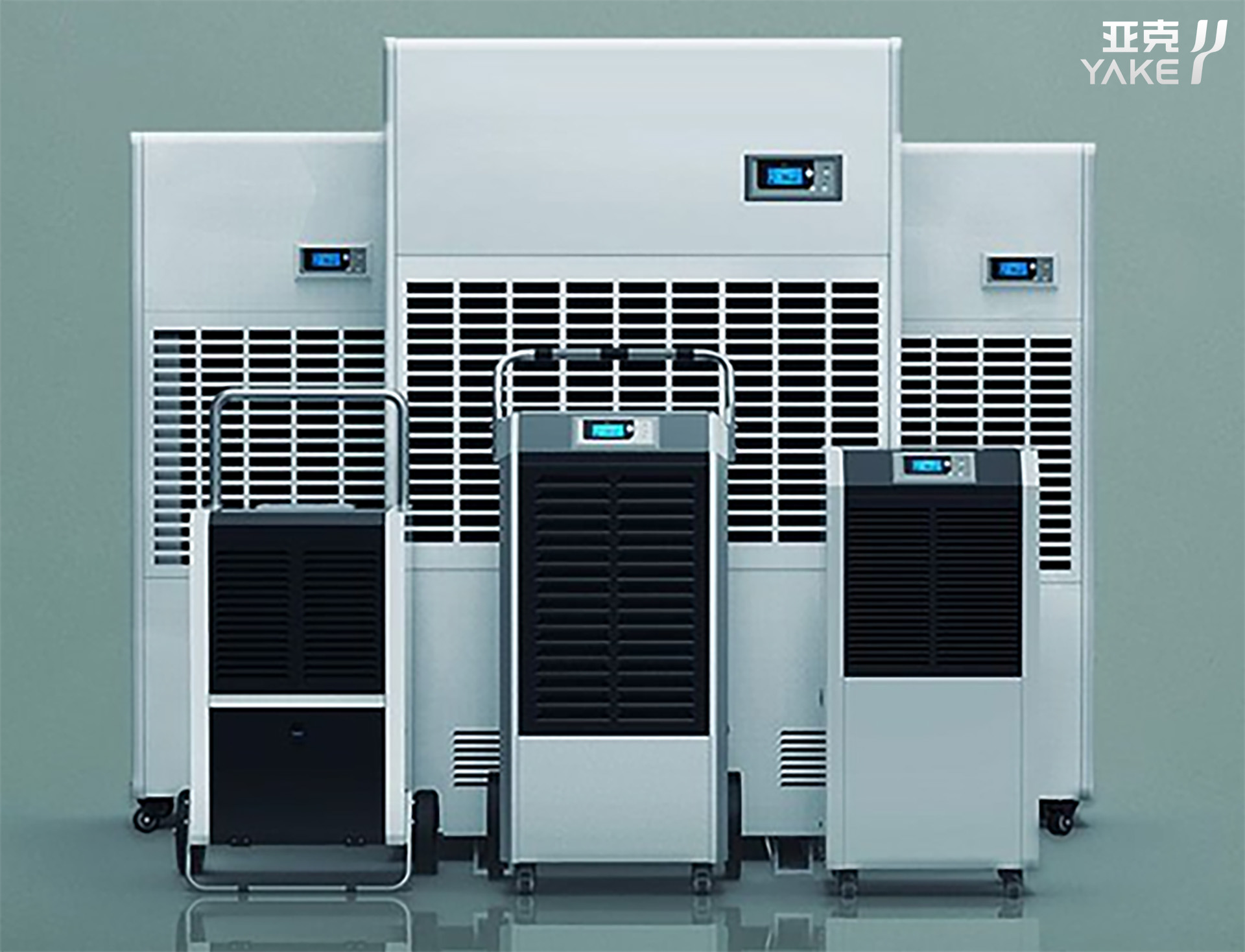
Contact us to find the best place to buy your Yakeclimate solution today!
Our experts have proven solutions to keep your humidity levels in check while keeping your energy costs low.