
Building 34, No. 535 Shunfeng Road, Hangzhou, Zhejiang, China
[email protected]


Warehouse humidity control systems protect storage spaces from excess moisture. Excess moisture may result in mold, corrosion, and damage to products or equipment. For food, medicine, or electronics processing industries, consistent humidity is important for secure storage or efficient processing. Current dehumidifiers employ sensors and controls to maintain air dry and stable. Energy-saving units reduce consumption and bring down expenses. Smart controls can link with building systems for additional gains. Yakeclimate creates warehouse humidity control equipment that adheres to severe regulations and is compatible with numerous warehouse sizes. Proper humidity control reduces shrink, maintains product freshness, and extends equipment life. The second will explain how to choose the best configuration and what to look for in terms of peak performance.

The hidden price of out-of-control humidity. From ruined inventory to increasing repair bills and even lost customers due to degraded quality, it can be costly. Stable humidity control isn’t a technical matter; it’s a business-critical concern.
Delicate items—electronics, medicines, packaged foods—take a hit pretty fast when humidity exceeds 60%. Mold begins to develop in less than 48 hours. Molded batches, faded packaging and warped components break trust, particularly for brands selling dependability. Most food producers can lose as much as 15% of their annual production to spoilage without humidity control. Routine inspections of both air and product conditions are as important as the original climate setpoint. For a multitude of industries, maintaining relative humidity within the range of 45% to 55% is essential to avoid loss and maintain brand integrity.
It bleeds into walls, floors, insulation, and even steel beams. Early symptoms, such as stains, musty smells, and spongy wood, are frequently dismissed. Mold and rot quickly follow, particularly when relative humidity remains above 60 percent. Repair expenses add up if destruction extends. Utilizing moisture-smart building materials and conducting routine checks safeguards both the structure’s worth and sustained security. Tackling these problems immediately can save you much more in the long run.
Unnoticed inefficiencies add up quickly. Employees waste time shifting or drying wet merchandise. Equipment slows or fails on account of corrosion or electrical shorts. Humidity, as it turns out, is frequently the invisible saboteur behind these interruptions. Downtime from inventory loss or equipment repairs decreases throughput and affects shipping schedules. By holding humidity in the 50 to 60 percent range, you keep both workflow and worker comfort, reducing wasted hours and lost output.
Excessive humidity isn’t just uncomfortable; it’s dangerous. Mold, dust mites, and bacteria flourish, particularly above 60% RH. Asthmatic or allergic workers bear the brunt, resulting in increased absenteeism and decreased output. Even healthy employees can feel lethargic or cranky in humid weather. Teaching teams to identify health symptoms, along with periodic air quality inspections, protects health and supports a safer warehouse.
Warehouses require consistent humidity to protect goods and their workforce. Diagnosing humidity begins with thorough inspections, proper utilization of technology, and continuous observation. A strategy informed by precise information prevents future damage and saves money.
Begin by ruling out leaks, backed up drains or bad seals around doors and windows. Check for any moisture stains on floors or walls, rust on metal shelves, or mold symptoms. These are your canaries in the coal mine. Bad ventilation keeps humidity in, increasing the chances for Sick Building Syndrome (SBS) and mold outbreaks, particularly if relative humidity remains above 70 percent. Build a checklist for each inspection: check the ceiling, plumbing, walls, and HVAC units. Don’t forget equipment that emits steam or heat, such as wash stations or certain production lines. Enumerate all potential sources and record what you discover along the way. Not all problems manifest immediately, thus frequent inspection assists in noticing drips or moisture that lurk under the surface.
Leverage premium humidity monitors – capacitive, resistive, or thermal. Capacitive sensors are most effective in the majority of warehouses. Place them on the floor, middle, ceiling, wall with a door, or near a window. This provides a comprehensive perspective on the warehouse environment. Pair sensors with intelligent controllers. These systems activate fans or dehumidifiers when relative humidity passes set points. Real-time alerts by phone or email allow teams to act quickly should moisture spike. Integrate sensor information with your warehouse management solution for simple monitoring and reporting. Make sure sensors stay clean for accurate readings.
Check climate records for patterns. Seasonal variations can push relative humidity over or under the desirable 45 percent to 55 percent range. Inside readings should be contrasted with outside weather to observe how the building reacts. When you see a trend, you can anticipate issues before they begin. Here is an example table to show how climate data connects to warehouse challenges:
| Month | Outside RH (%) | Inside RH (%) | Key Challenge |
|---|---|---|---|
| January | 40 | 48 | Static risk |
| April | 60 | 55 | Stable period |
| July | 80 | 68 | Mold risk |
| October | 50 | 52 | Optimal |
Warehouse humidity control systems maintain both the temperature and moisture levels. This is key because warehouses need to keep spaces safe and healthy for workers. Bad control means ruined product, dangerous work environments, and compliance exposure. Good systems combine technology and planning to reach target ranges, usually 45 to 55 percent relative humidity with a 5 to 10 percent tolerance. The right solution for you truly depends on warehouse type, goods stored, and your energy needs.
Warehouse humidity control technologies include:
Desiccant systems instead pull moisture out of the air with absorbent materials. They are perfect for cold storage or low-temp warehouses where refrigerant systems underperform. Desiccants are quite long-lasting with proper maintenance. Their lifespan is dependent on warehouse load and air circulation. Upfront costs can be more, but maintenance is straightforward and foreseeable. For pharmaceuticals, electronics, and other sensitive products, desiccant dehumidifiers provide consistent relative humidity, safeguarding against mold and corrosion. Don’t forget to always check your desiccants—spent material diminishes performance quickly.
Refrigerant dehumidifiers function by chilling air and drying it. They’re ideal for large, warm warehouses requiring the extraction of significant quantities of water vapor. These systems keep relative humidity stable, which is critical for regulatory adherence and security. Energy consumption is moderate, and new versions with variable speed drives reduce it even further. Establish a maintenance schedule to clean coils and inspect refrigerant levels. Neglecting maintenance results in greater expense and unpredictable performance.
Proper ventilation circulates fresh, dry air in and expels humid air. Leverage a combination of natural and mechanical ventilation for balance. Strategically located exhaust fans minimize humidity spikes and eliminate still air pockets. Even a couple of hours a day of fresh air ventilation can reduce overall relative humidity. Verify air flow routes and modify according to sensor information.
With our warehouse humidity control systems, HVAC humidity control systems enable you to manage both dimensions of comfort — temperature and moisture — seamlessly. Smart controls and sensors keep conditions ideal for goods and staff. Warehouses are common locations for these systems, and regular servicing will keep them running efficiently. Smart HVAC control upgrades can cut waste, boost monitoring, and simplify compliance.
Fans aid in breaking up humid pockets and increase drying times. They work best placed near trouble spots or in conjunction with dehumidifiers. Fans require maintenance cleaning to prevent dust accumulation and maintain vigorous airflow. Alongside other systems, fans keep warehouses away from the dangers of excess humidity, including mold, spoiled goods, and unsafe working conditions.
More than machines: warehouse humidity control operational adjustments It requires habits, checklists, and collaboration. Effective humidity control results in less damaged product, reducing wastage by as much as 15% annually. For things like produce or packaged goods, consistent moisture cuts rot by as much as 30%. Aiming for 45% to 55% relative humidity is ideal for most items, with food and beverage storage frequently residing at the upper bound, approximately 50% to 55%. The proper temperature counts as well; most merchandise needs 10°C to 24°C (50°F to 75°F), while fragile inventory such as frozen foods demands even more stringent regulation.
Best practices for humidity management beyond equipment:
Even warehouse shells have tiny openings or fissures that permeate outside moisture. Caulk and weather strip to cover door and window weak points. Use high-quality sealants and verify them semi-annually. If your warehouse is located in a humid climate, install vapor barriers and inspect wall seams regularly. Good sealing keeps humidity at bay and conserves energy.
Open doors and loading docks are the primary means of outdoor air infiltration, which increases humidity. Air curtains and strip doors keep the moist air out during the most active loading times. Implement routine closing by staff as soon as possible after use. Check entry points on a weekly basis to ensure that there are no leaks or gaps. Train employees to identify and immediately report drafts. Smart entry management maintains inside air stability, taking some of the burden off heating, cooling, and dehumidifying machinery.
Airflow is as important as sealing and door management. Don’t pack merchandise too tight; air needs to flow around pallets and shelving. Select racks with open sides or back mesh. Mix up layouts if you identify issue areas where moisture accumulates. Employ portable fans as necessary to keep air circulating. Go over storage plans following any significant inventory or warehouse usage changes.
Smart dehumidification control combines cutting-edge sensors, automation, and data analytics to maintain warehouse climates at an optimal equilibrium. These systems are particularly beneficial in massive plants where manual checks come up short and precise humidity control is critical for safety, product quality, and cost savings. Real-time monitoring means rapid adjustments so climate problems can be averted before they wreak havoc.
Smart humidity controllers automatically watch the air quality with sensors and microprocessors. When there’s a humidity shift, the system responds by opening or closing dampers, turning on fans, and modifying dehumidifier settings. This reduces manual monitoring and allows employees to get on with other work. For big spaces, such as warehouses or auditoriums, you may need a dehumidifier that can pull more than 94 liters in a day. They can manage multiple units simultaneously, ensuring your air circulation and moisture levels remain optimized throughout the entire area.
A quicker response to humidity spikes helps avoid damage to products and equipment. By integrating smart HVAC, it operates silently at times that won’t interrupt work. Automated facilities experience less human error and reduced energy costs. The upfront installation expense is frequently made up for by reduced monthly bills and minimized wasted energy.
Smart systems monitor humidity, temperature, and airflow. Facility managers utilize these figures to identify patterns and anticipate seasonal or weather-related shifts. Data can indicate which parts of the warehouse are vulnerable to excessive humidity or mold.
By communicating these results back to the team, everyone knows why we’re changing things. Because these adjustments are planned, not guessed, there are fewer blunders and more optimal outcomes. Warehouses with data smart strategies maximize their climate and sidestep expensive downtime.
Green systems save on budgets and waste, making both financial and environmental sense.
Self-storage has a particularly hard humidity problem. Unlike warehouses with consistent products, self-storage contains a hodgepodge of personal and commercial items. Each piece can require its own TLC. Humidity is the silent killer of stored stuff. It causes mold, mildew, vermin, and even warps or rots wood. The best way to prevent this is to maintain humidity around 50% and keep the temperature between 10 and 24 degrees. Most facilities use just plain air conditioning. These systems simply cool the air but do not control moisture. This gap frequently leaves units vulnerable, particularly when the system turns off overnight. In most climates, humidity sneaks in early in the morning. If the air remains moist for those periods of time, it can damage photos, electronics, furniture, and even clothes.
Puttin’ stuff in storage isn’t equal. Old books, antiques, wood furniture and instruments absorb moisture quickly. Photos can adhere to one another. Electronics can corrode or short out. Leather might develop mold, and mattresses end up containing that damp air. If these things get wet, most disintegrate or cease to work. Most customers don’t realize that humidity can be as big a threat as heat. Owners must educate customers on these dangers.
Here’s where smart self-storage units can help. Yakeclimate’s dehumidifiers maintain air stability, even when air-conditioners shut off. These devices detect and extract excess moisture from the air. They operate on low power and minimize pollution. With the right system, storage sites can prevent mold and pests. This reduces decay and extends shelf life across the board. Owners can control settings to fit the blend of items within. Some units might have a higher need for dry air for electronics, while others contain clothing and need less. Custom setups are the secret!
It’s a smart business move to educate renters about humidity. When people know their stuff is secure, they have more faith in the facility. Positive reviews attract new customers and satisfy existing ones. Bad Yelp reviews about mold or smells can damage business quickly.
To maintain warehouse air safe and dry, clever systems do the legwork. Warehouses contain more than products—they contain confidence and worth. Leaks, musty smells, and warped boxes all speak fast. Stray water hazards can strike inventory hard. For self-storage, constant air preserves for years, not days. Intelligent sensors and robust dehumidifiers reduce risks and save energy. Teams identify problems quickly through immediate data. Clean dry air keeps machines running and goods safe. You want to improve your warehouse humidity control systems. Take a look at Yakeclimate’s selection. Match to your space, large or small. Speak to our team to figure out the best fit for you.
Excess humidity leads to mold, product damage, rust, and safety risks. It drives up energy expenses and impacts worker comfort.
Watch out for condensation, musty odors, buckled packaging, or mold growth. Check the humidity with a hygrometer. Perfect warehouse humidity ranges from 40 to 60 percent relative humidity.
Desiccant dehumidifiers, refrigerant dehumidifiers, and integrated HVAC systems work. Which is best depends on your warehouse size, climate, and what you’re storing.
Yes. Sealing doors, improving ventilation, and restricting open dock times assist. Regularly servicing your HVAC systems contributes to humidity control.
Intelligent systems automatically calibrate humidity levels according to live data. This saves energy, safeguards inventory, and cuts manual monitoring.
Uncontrolled humidity in self-storage leads to mold, corrosion, and destroyed property. Good control saves your customer’s property and your facility’s reputation.
Yes. Effective humidity control reduces the demand for heating or cooling, thereby cutting overall energy use and overhead.


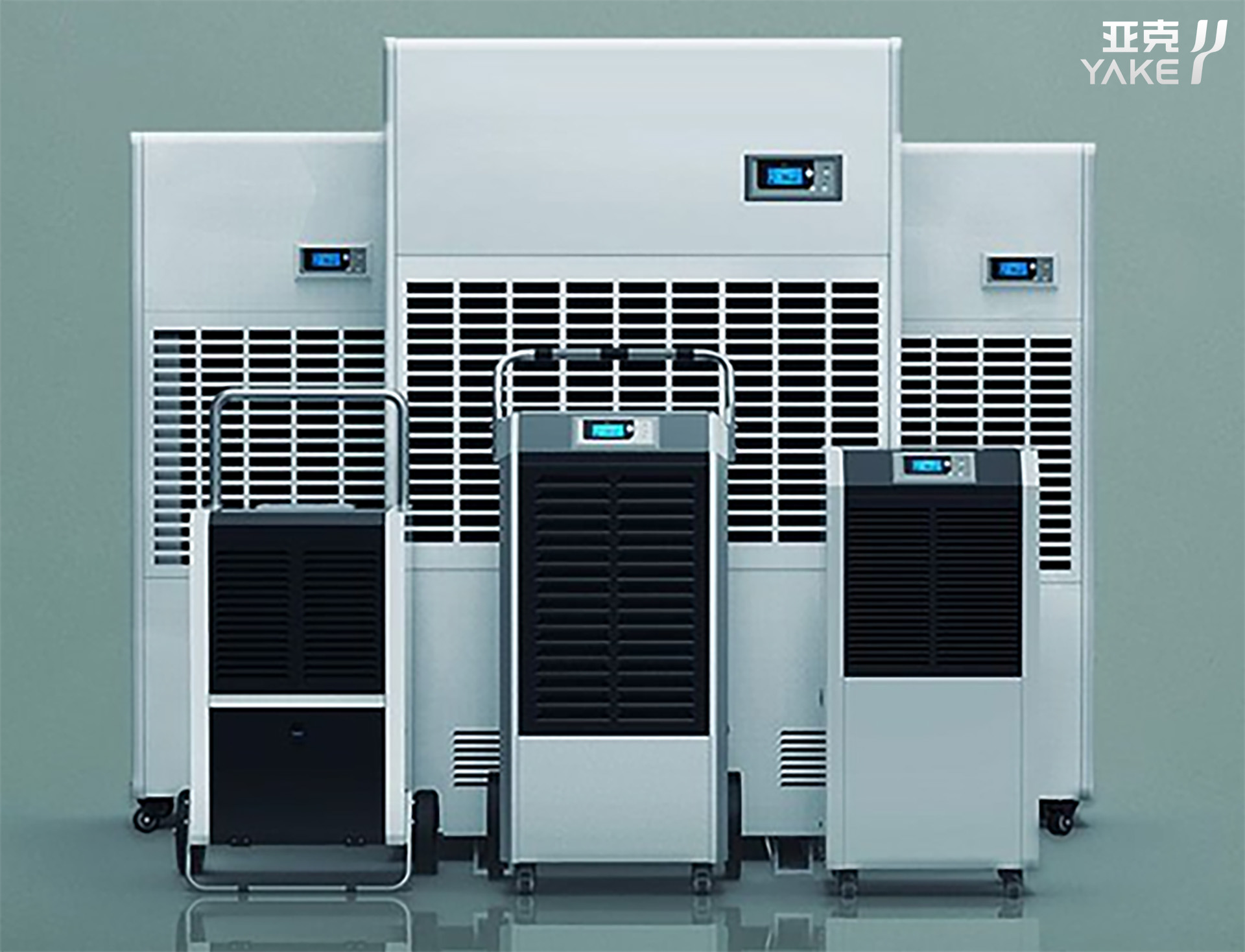
Contact us to find the best place to buy your Yakeclimate solution today!
Our experts have proven solutions to keep your humidity levels in check while keeping your energy costs low.