
Building 34, No. 535 Shunfeng Road, Hangzhou, Zhejiang, China
[email protected]


Non-circulating hydroponics for lettuce means growing lettuce in a stationary nutrient solution without pumps or water circulation. It employs a basic configuration, usually a tub with nutrient water, and allows roots to extend into the solution. It is ideal for small-scale and commercial cultivators looking to reduce costs, conserve energy, and minimize the risk of root shock. Keeping lettuce healthy requires careful attention to water, oxygen, and nutrients.
Non-circulating hydroponics means the plants grow in a nutrient solution that’s not moving and being pumped back through. You add the water and nutrients at the beginning and then leave it alone while the crop grows. It differs from conventional recirculating hydroponics, where pumps cycle water and nutrients through the root zone continuously. In non-circulating systems, as plants absorb water, the solution level falls, leaving a portion of the roots exposed to air and establishing a humid zone for oxygen exchange. The best part is that this method is perfect for leafy greens like lettuce because it’s simple, low maintenance, and incredibly water-efficient. These are the reasons why so many growers count on non-circulating hydroponics to minimize their labor, decrease their risk of disease, and preserve their input resources at a low-tech level.
Static solution means the water and nutrients sit in place, letting roots absorb what they need without disturbance. The solution level, of course, dips as the plant intakes it and a humid air gap develops above the water line. Maintaining the appropriate nutrient level is critical, particularly as the solution becomes increasingly concentrated. Periodic checking with a basic EC meter helps.
Lower water consumption is the main advantage. Circulating hydroponic systems use less than 20 liters of water to produce a kilo of lettuce, with figures reported as low as 11 liters per kilogram. For lettuce, a good rule of thumb is 1 gallon, which is approximately 3.8 liters, per plant. This renders the static system especially sustainable in regions of water scarcity.
Steps for preparing a static solution for lettuce:
The air gap is the volume between the solution surface and the bottom of the plant. As the water level falls and roots extend, this gap increases, allowing roots to extract oxygen directly from the humid atmosphere. This is crucial for root health.
Oxygen in the air gap increases nutrient absorption. Lettuce roots left to experience both water and air grow faster and stronger than in submerged systems. To make this gap, begin with roots barely touching the solution, then allow the level to fall as the plants imbibe.
This air gap prevents root rot and disease as roots never become water-logged. It’s basic yet efficient, providing lettuce with a consistent, thriving solution.
Non-circulating hydroponics doesn’t use pumps or moving water. In non-circulating systems, water is simply allowed to drain back into the reservoir. This constant flow maintains movement of nutrients and oxygen but requires more equipment, upkeep, and power.
| Feature | Non-Circulating | Recirculating |
|---|---|---|
| Water movement | Static | Continuous flow |
| Nutrient management | Initial fill, rare checks | Frequent checks & dosing |
| Oxygen supply | Air gap, static roots | Flowing water, aeration |
| Maintenance | Low | High |
| Energy use | Minimal | Moderate to high |
Certain growers will opt for non-circulating on lettuce type crops because it’s easy and reduces expensive equipment. It’s simpler to scale, up or down, from home to commercial farms. The resource efficiency is a huge benefit, with less water, fewer pumps, and smaller utility bills. That’s a perfect fit with the momentum towards sustainable, low-impact growing.
Non-circulating hydroponic systems represent an extremely water- and energy-efficient way to grow lettuce. It’s founded on satisfying the plant’s requirements, controlling environmental variables, and using pin-point cultivation techniques for consistent harvests and premium plants. The balance between nutrient supply and oxygen and the relationship between solution formulation and crop suitability are core principles professional growers must understand if they want to achieve the best returns.
Lettuce in non-circulating hydroponics relies on a static solution, so salt or nutrient depletion can rapidly cause growth to slow or leaves to yellow. Because water and nutrients are not always resupplied, monitoring is essential. Growers rely on tools like EC meters to monitor nutrient concentrations, applying a balanced granular fertilizer when planting or supplementing with liquid feed as necessary. Balanced nutrients avoid shortages of essential minerals such as nitrogen, potassium, and magnesium, all of which are important for leaf formation. To prevent burnout, monitor solution levels weekly and supplement with water or a light nutrient blend if the EC declines. A floating cover or support can keep roots from drying out or being injured as the solution level lowers.
Oxygen is essential for root respiration and robust lettuce growth. In non-circulating systems, stagnant water can restrict oxygen, particularly as roots use what is available. Oxygen deprivation manifests itself as slimy roots, stunted growth, or wilting. Floating covers assist by maintaining roots just above water, exposing them to air. Some growers incorporate air stones or leave a small air gap between the water surface and plant base for greater oxygen exchange. If plants appear stressed, widen the air gap or temporarily lift the cover to admit fresh air. Easy actions maintain oxygen where it is best. Ward off root rot and maximize yields.
Proper nutrient solution is the lifeblood of any hydroponic lettuce setup. It should contain all the macro and micronutrients, with pH maintained between 5.5 and 6.5 for optimal uptake. Frequent testing is crucial, because levels fluctuate as plants take up nutrients. Tailor concentrations to growth stage. Young seedlings require a low EC, whereas mature plants can take more. Fertilize every three weeks or as needed, but do not overfeed to avoid salt accumulation. Test and tune pH and EC always. Easy meters keep it stable and prevent lockout.
Not all lettuce varieties thrive in raft hydroponics. Leaf and semi-head types such as ‘Buttercrunch’ and ‘Grand Rapids’ do best. These varieties grow quickly and are highly water-efficient, generally under 20 liters per kilogram, and can be harvested within 6 to 7 weeks from seeding or around 5 weeks after transplanting. The proper cultivar choice translates into higher yields and reduced potential for bolting or tip burn. Adhere to proven varieties for consistent outcomes, particularly when expanding to commercial or urban farms.
For leafy greens such as lettuce, non-circulating hydroponics has emerged as the winner. This system uses a still nutrient solution, making it easy, scalable, and with fewer moving parts than recirculating designs. The fundamental components are buckets or tanks, net pots, a top lid, and an inert grow medium. Everything should be connected to maintain root moisture, keep the plant supported, and provide nutrients with the least amount of effort. Space planning is important as well. Whether in a commercial facility or a small urban plot, system design affects both workflow and output of yield. Simple adjustments, such as the spacing between net pots or how covers are propped up, can affect results. Optimizing it for your operation is critical for efficiency. Yakeclimate’s knowledge in climate control further enables consistent humidity, an often neglected component of quality plant care.
Choose from a range of containers: tanks, Styrofoam boxes, or plastic bottles. Tanks could be of food-grade plastic or even polystyrene, with depths ranging from 3.5 to 5.5 inches. For commercial applications, large containers can be very effective, such as 60.96 cm by 40.64 cm by 15.24 cm boxes. Home growers might choose a 4-liter plastic bottle, which sits nicely on a windowsill.
Container size determines both water retention and nutrient delivery. If it is too shallow, roots can dry out. If it is too deep, wasted solution drives up expense. Material selection is important as well. Food-safe plastic and polystyrene are both suitable options. Containers must be opaque to prevent light from encouraging algae growth. Utilize opaque containers or provide lining to keep water clean.
A judiciously selected container permits convenient water level checks. A monitoring tube or rudimentary markings inside aid growers in keeping track as the solution falls 15 to 25 centimeters over the course of the growing cycle. For optimal performance, select containers that are durable, opaque, and appropriately sized for your operation.
Lids minimize water loss and maintain a consistent humidity level in the tank. Covers of expanded or extruded polystyrene are favored. They’re light, insulate and even float if you want. For larger systems, styrofoam boards held by the tank frame provide reliable results.
The lid should fit snugly to constrain evaporation but permit some air exchange. A poor-fitting lid squanders water and admits vermin. Holes measuring 20 by 30 centimeters are spaced to fit 5-centimeter net pots and provide sufficient room for each plant. A tight seal around each net pot keeps light out of the water and suppresses algae.
Personalized lids are important. Install vents if the humidity is excessive. Use light-colored materials to reflect heat and keep things from overheating. Little tweaks such as these increase air circulation, control light exposure, and improve plant vigor.
The medium contains the seedling and nourishes roots. Excellent choices would be peat, perlite, rockwool, or coco coir. Soilless mediums do not compact, drain well, and let roots breathe, which is important for lettuce’s shallow roots.
Aeration and drainage are essential. Roots require oxygen or growth will dim. Peat blends provide balance and rockwool structure and airiness. Perlite is used for its light weight. Some growers use media that remains moist but not soggy so that you can easily transplant net pots.
A 5-cm net pot stuffed with medium and positioned such that 3 cm of it sits in solution works well. Maintain cleanliness of media to prevent pathogens. The proper selection will sustain consistent development, robust roots, and vigorous crops.
Hydroponic lettuce growers do more than plant seeds and wait. They dedicate themselves to creating a system that provides each plant with what it requires daily in an area that conserves water and energy. For non-circulating hydroponics, the grower’s schedule is based around consistent monitoring, meticulous setup, and continuous adjustment of the environment. Precision and planning are key for consistent high-quality yields, particularly as more view hydroponics as a path toward scalable, sustainable leafy green production.
Establishing a non-circulating hydroponic system begins with choosing the appropriate containers. Typical alternatives are 4-liter plastic bottles or Kratky styrofoam boxes. Each container contains a nutrient solution, flooding its bottom approximately 3 centimeters. The installation requires a sturdy rack made of wood, 600 centimeters long, with 60 centimeters between tiers to exploit wall space and adapt to various settings. Lettuce seedlings are placed into 5-centimeter net pots filled with perlite or peat moss for root support and then positioned into 20 by 30 centimeter hole spacings cut into polystyrene boards.
Planning is imperative prior to planting. Growers determine system size, plant spacing, and volume of nutrient solution per plant. Lettuce heads aim for a 150 to 250 gram harvest, meaning each plant will require 3 to 6 liters of solution to mature.
Checklist for Setup:
In the early stages, consistent observation is key. Monitor the solution level, targeting a 15 to 25 cm drop when the plant reaches maturity within 6 to 7 weeks. Early inspections catch leaks, imbalanced nutrient consumption, or dying seedlings.
Managing the environment is the essence of hydroponics. Temperature, light, and humidity all form growth. Lettuce thrives at 18 to 24 degrees Celsius, with 14 to 16 hours of light a day. Humidity should remain between 50 and 70 percent to prevent tip burn or fungal problems. Heat accelerates growth but also causes bolting. Low humidity desiccates roots.
Maintaining these factors involves using sensors and timers. Automated lights provide uniform coverage. Yakeclimate dehumidifiers, for example, stabilize humidity and prevent mold. Precise control results in more robust, consistent crops and less waste.
Technology saves time and money. Today’s systems log data and alert for spikes or drops, so growers can react quickly and prevent crop loss.
Good growers observe their crops. They inspect leaf color, root growth and the rate at which the solution level decreases. Pale leaves, slow growth or browning roots are early indicators of trouble, such as nutrient imbalance, disease or root rot.
Data-keeping is a habit that rewards. Growers record solution usage, growth rates, and any visible stress. These notes assist in identifying developments, optimizing habits, and solving issues before they proliferate.
Observing these minor early fluctuations allows you to more easily tweak nutrients or light. As these habits continue, they result in more consistent heads, less loss, and a more efficient growing cycle.
Nutrient and water management in run non-circulating hydroponics is the centerpiece of successful lettuce production. This method, made famous by the Kratky technique, uses one initial watering and nutrient dosing and leaves crops to grow dry until harvest. The system’s simplicity reduces labor and input costs and requires care in its initial installation and continued observation.
Nutrient formulation has to be in accordance with each growth stage of lettuce. Seedlings and young plants need reduced nutrient strength, with mature plants requiring more, particularly nitrogen and potassium. For instance, a typical technique employs a 14 cm nutrient solution tank covered by polystyrene with expanded or extruded foam holding the seedlings. In a typical formulation, 90 liters of water are mixed with 10 grams per liter of Polyfeed (19:19:19), providing balanced macro- and micronutrients. As the plants mature and solution levels decrease, the ratio of nutrients to remaining water shifts, necessitating adaptability in management. Some growers even go smaller, filling 4L bottles with water and stocking them with 5g of hydroponic fertilizer, which is great for home or research use.
| Growth Stage | N-P-K Ratio | EC (mS/cm) | Notes |
|---|---|---|---|
| Seedling | 10-10-10 | 0.6–0.8 | Lower strength, gentle for young roots |
| Vegetative | 19-19-19 | 1.2–1.6 | Supports fast growth |
| Maturation | 15-10-20 | 1.8–2.2 | Additional potassium for firmness, yield |
Nutrient management has to remain fluid. Plant health and growth rates should direct modifications.
Water quality is really important in hydroponics. Elements such as dissolved solids, pH, and contaminants all affect lettuce condition. High quality water allows plants to absorb nutrients efficiently and decreases the chance of disease. It is recommended to test the water source for pH, with a goal of 5.5 to 6.5, and contaminants such as chlorine or heavy metals. Clean water halts root stress and promotes vigorous growth. In practice, many growers use municipal water with pre-filtering or collect rainwater, but both should be tested for safety. For water quality, clean tanks and replace or flush lines between crops.
It’s unethical to dump used nutrient solution. Nutrient-rich water that penetrates into soil or is discharged into drains can contaminate. Eco-friendly disposal, such as using waste solution for decorative plants, reduces environmental load. Recycling or reusing them, like plastic bottles or foam sheets, can cut waste down even more. Growers should adhere to local regulations to prevent damage and where feasible, explore closed-loop or batch reuse systems. Being responsible in hydroponics is not just about following the rules but about establishing a level of trust with customers and the community.
Non-circulating hydroponics for lettuce is easy, but fine tuning is generally required to optimize yield and stability in different environments. This section explores practical tactics, system boundaries, and incorporating sustainability for pros seeking to extend efficiency and accuracy further.
Hydroponic lettuce systems have to be in tune with the local environment. Growers need to consider temperature, humidity, and light shifts, all of which can change quickly. Lettuce’s preferred growing seasons tend to be cool, so if you live in a warmer climate, it’s important to mitigate excess heat or invest in shade or climate control technology. In cooler regions or off seasons, additional lighting and heating will be needed for consistent growth. Industrial dehumidifiers can help you maintain a healthy range of humidity, which reduces disease and allows your plants to transpire freely. Precise pH balancing of the nutrient solution, held between 5.5 and 6, guarantees optimal nutrient uptake, independent of outside conditions.
By tracking local weather data and patterns, growers can prepare for shifts in climate. For instance, a plant in a humid area may demand more aggressive dehumidification, while a dry zone might necessitate constant vigilance of water evaporation and solution concentrations. Changing how often the nutrient solution is replenished or slightly tweaking the depth of submersion, keeping the bottom 25 mm of net pots in solution, can make up for these local variations. Supporting systems, like 5 cm risers in an 8.9 cm deep tank, provide stability and consistency from setup to setup.
Non-circulating hydroponic systems are easy but limiting. The absence of circulation can cause nutrient stratification, particularly as water levels recede throughout the lettuce growth cycle. This technique is not ideal for crops with high oxygen requirements or extended growing seasons. Stagnant solution can perpetuate root disease if environmental control is not in place. Water level monitoring is critical, as if the solution falls too low, plants will wither, resulting in crop failure.
A key challenge is scaling. The system is great for small batches, but commercial growers might find non-circulating methods to be too rigid for large-scale or multi-crop production. Growers should be prepared to transition to circulating systems if yields aren’t consistent or if plant size and density increase. Periodic testing of solution pH and nutrient strength is all that’s needed to avoid deficiencies. When issues come up, either replacing the solution more often or adding a basic air stone can keep roots healthy.
Think Beyond the Basics. You can minimize water and nutrient waste by utilizing closed-loop systems or by collecting run-off for reuse. When you can, choosing growing mediums like perlite or peat that are renewable and have a low environmental impact is great for supporting your eco-goals. With inputs added only every three weeks, the minimal input system reduces resource use and operating expenses.
Opting for energy-efficient appliances, like low-wattage LED lights and high-tech dehumidifiers, lowers the environmental impact even further. These techniques serve the cause of global food security by allowing us to feed more people with fewer resources. Easy things, such as recycled tanks or biodegradable net pots, can do wonders. All these measures create a more durable, sustainable business that fits into current agricultural demand and international conventions.
Non-circulating hydroponics provides lettuce growers with a transparent, straightforward means to cultivate vigorous crops. The system requires a robust tray, fresh water and an appropriate nutrient solution. Growers leave the roots in the mix, so the plants receive all they require without pumps or pipes. Lettuce grows quickly, consumes less water and reduces waste. Many small farms utilize this style to increase yields in limited spaces. Some employ it in schools or city plots where real estate is slim. To maximize the potential of this system, pay attention to water quality and maintain consistent lighting. For advice or assistance with climate control, contact Yakeclimate.

Non-circulating hydroponics is the easiest. Imagine lettuce roots growing in a bath of nutrient solution. There is no water pump and no constant flow. It is efficient and low-maintenance for newbs and pros alike.
It’s water-saving, lowers equipment costs, and is easy to implement. It’s perfect for lettuce, which likes still, oxygen-poor water.
You’ll need a container, a growing tray or lid, net pots and growing medium, water, and a balanced hydroponic nutrient solution. No pumps or complicated components are required.
Test water and nutrients weekly. With lettuce, you sometimes replace the solution every two to three weeks or if levels drop too far.
It works in both environments. Just make sure your lettuce has ample light, either from the sun (if you’re planting it outside) or from LED grow lights (indoors).
We don’t need an air pump. Lettuce roots are exposed to oxygen in the air space above the solution and the water’s surface, which keeps the system simple and quiet.
Don’t allow water to drop too low, use the wrong nutrient mixes, and expose roots to excess light. Check regularly for algae and nutrient deficiencies.


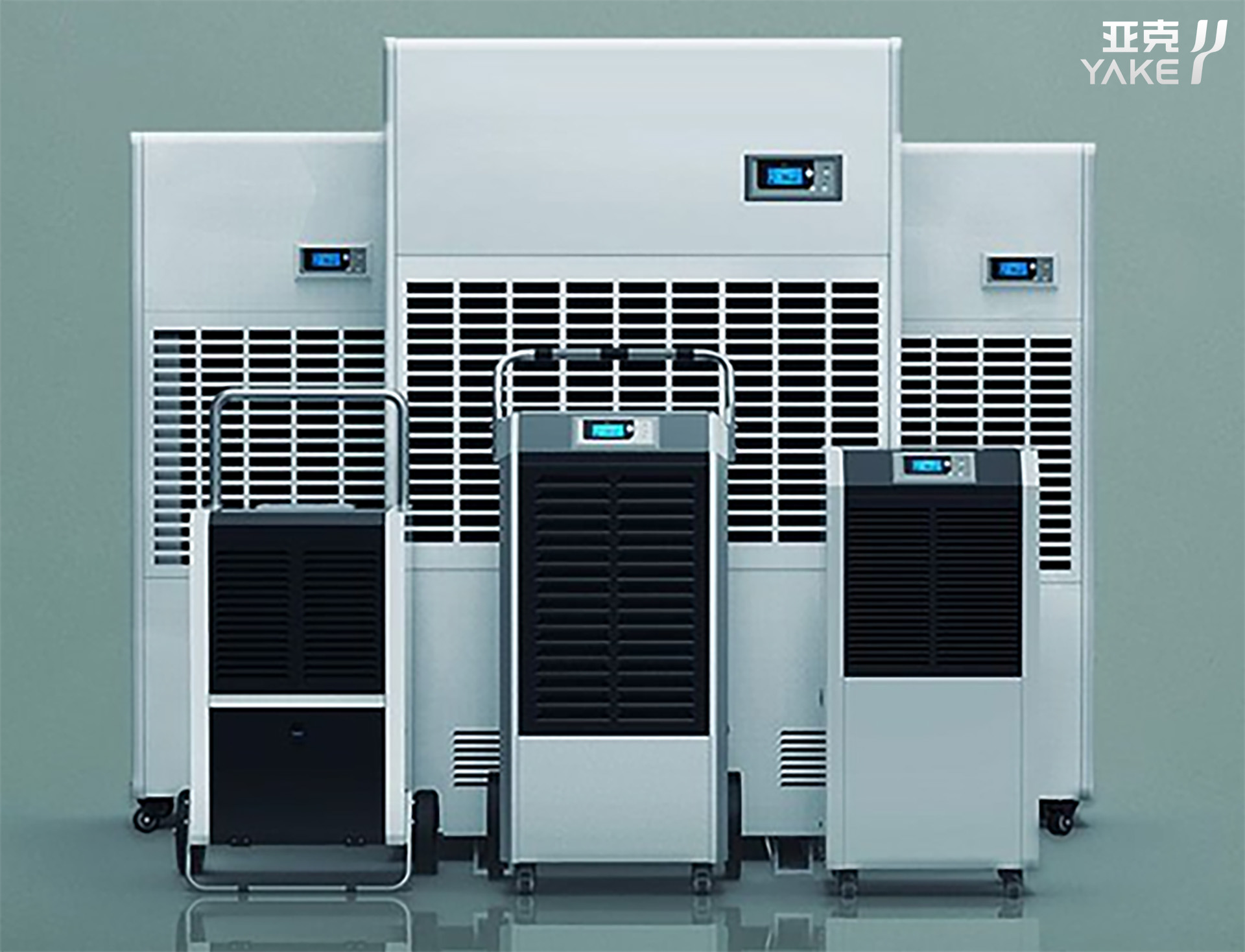
Contact us to find the best place to buy your Yakeclimate solution today!
Our experts have proven solutions to keep your humidity levels in check while keeping your energy costs low.