
Building 34, No. 535 Shunfeng Road, Hangzhou, Zhejiang, China
[email protected]


Strawberry greenhouse temperature control is maintaining the air and soil temperature at optimal levels to support the strawberry’s growth. Consistent temperature helps reduce strain on plants and allows berries to mature nicely. Most growers try for around 18 to 24 degrees Celsius during the day and a little cooler at night. Variations can stunt development or result in bad fruit set. Sensors, fans, and smart heat systems keep things steady. Good control minimizes the risk of mold and ensures dry leaves. Some farms implement climate tools based on humidity and light for optimal production. These tools help make yield more stable and conserve energy as well. To keep berries healthy and sweet, close watch on heat is key all year.

Strawberry growers understand that optimizing heat, illumination, moisture, and ventilation is everything when it comes to output and berry integrity. Precise climate control is crucial at every phase of growth, and greenhouse operators depend on reliable solutions to provide consistent outcomes. Little environmental variations affect plant vigor, fruit set, and flavor. The most efficient greenhouses employ expert controls and exact tactics to reach specific objectives at every stage.
Optimal Temperature and Humidity for Strawberries:
21-24°C (70-75°F) daytime temperatures assist strawberries in developing robust leaves and roots. Humidity maintained between 60-75% RH reduces water loss and minimizes stress. Airflow and dehumidification prevent disease before it begins, and high light (DLI 20-25 mol/m²/day) powers photosynthesis for rapid growth. Consistent watering in well-drained soil avoids root rot and encourages roots to grow deep, establishing a foundation for future bloom and fruit. About: The perfect strawberry weather
Maintaining air temperatures around 18–21°C (65–70°F) supports flower buds to set and open. The perfect humidity of 40–60% relative humidity repels mildew and mold, particularly during wet, cloudy periods. Long light cycles of 12–16 hours promote bloom and increase pollination. Plants during this period require higher levels of potassium and phosphorous, so adapt feed accordingly. Keep an eye out for pests and trim old leaves to maintain maximum airflow. Balance is key because too much heat or humidity can stall flowering or cause flowers to drop before fruit forms.
| Parameter | Optimal Range | Notes/Examples |
|---|---|---|
| Temperature | 21–27°C (70–80°F) | Sweetness and size peak in this zone |
| Watering | Consistent, even | Drip systems best; no waterlogged roots |
| Humidity | 60–70% RH | Lower risk of Botrytis and fruit rot |
| Cultivar Choice | Climate-adapted | Day-neutral, everbearing for varied conditions |
Fruiting strawberries require just a bit more warmth for optimal color and sugar. Consistent daytime highs, without extreme shifts, assist each berry in ripening completely. Maintain even watering and do not allow the soil to dry out, but be careful to avoid soggy roots. Dehumidifiers are a big part of keeping humidity stable, combating rot and conserving energy. Go with cultivars developed for your precise conditions, exhibiting a history of success in your type of climate. Carbon dioxide enrichment can increase yield by as much as 20 percent, particularly in hermetically sealed greenhouses.
Controlling temperature in a strawberry greenhouse requires a considered systems approach. The proper controls can yield more berries, fewer diseases, and improved energy usage. Use the checklist below to set up and run temperature control that works for strawberry crops worldwide:
Heating efficiently is the secret during the cold months. With hydronic heating and distributed pipes, you’re able to maintain a more stable root zone, which is far superior to blowing hot air and creating dry spots and rapid swings. Radiant floor systems dry leaves, reducing Botrytis risk. Plan heating to run only at the coldest time, not all day. Maintenance, including cleaning filters, checking valves, and calibrating thermostats, translates into fewer breakdowns and more dependable heat. Investigate local energy prices to time heating for savings.
Evaporative cooling pads can reduce air temperature by several degrees, even in humid climates. Shade cloths or reflective screens block direct sun and keep berries from overheating. Fans circulate air in rows, preventing heat pockets. If you live in an area with sudden heat waves, mix and match these methods and tweak as necessary according to the forecast.
Good airflow involves vents at the ridge and sidewalls, with automation to open at set temperatures. Venting the greenhouse at night cools the house without stressing the plants. Exhaust fans that pull out hot air quickly should be positioned opposite intake vents for cross-ventilation. Vent placement matters; higher vents let hot air rise and escape, balancing temperature.
Shading reduces stress and maintains high fruit size and sugar levels. Use 30 to 50 percent shade cloths, replacing them with the seasons. Position benches or rows so that plants receive natural shade from parts of the structure, but steer clear of deep shade because it reduces yield. Follow sun angles during the year for optimum arrangement.
Oscillating fans disrupt stagnant air to eliminate hot spots and reduce disease risk by approximately 70%. Connect air circulation to humidity sensors. If it’s too wet, activate dehumidifiers to maintain 65 to 75 percent RH. Clean fan blades and clear pathways. Dust blocks airflow and lets disease settle.
Advanced climate management matters for strawberry greenhouses if stable yields and high fruit quality are the goal. It’s about utilizing the optimal combination of tools and workflows to maintain those conditions perfectly day after day. It’s a fusion of tech, data, and practical expertise. Your goal is to design an indoor climate that promotes vigorous growth and minimizes energy consumption while preventing disease before it has a chance to get going. Some practical steps for growers:
Sensors are the foundation of any climate control system. With trusted temperature and humidity sensors, growers can know what’s happening in every corner of their greenhouse. These sensors provide what is called real time control. Heaters, coolers, and vents can all adjust automatically based on the sensors’ readings. This minimizes manual monitoring and human error.
To keep the sensors accurate, that means frequent calibration. If a sensor drifts, climate control systems can no longer respond appropriately. Sensor data isn’t only for real-time response. In the long run, it aids in detecting patterns such as temperature variations or specific periods of elevated humidity. It results in smarter decisions, such as modifying HVAC usage or shading at the moments it matters.
IoT devices and automation bring greenhouse management to the next level. Automated systems can adjust heating, cooling, and airflow without waiting for manual requests. This is crucial for maintaining strawberries within their daytime favorite range of 16 to 24°C. Remote monitoring systems allow managers to monitor conditions remotely, enabling them to identify potential problems before they become serious.
Labor costs fall, reactions accelerate, plant health thrives. Automation implies reduced energy turndown for heating or cooling when unnecessary. Immediate alerts allow growers to intervene before strawberries become stressed or disease spreads. Easy shifts, such as auto venting, can reduce Botrytis danger by more than 60%.
By gathering and analyzing data, growers can develop strategies. By reviewing historic temperature and humidity records, they can know to expect a heat wave or a cold snap and be prepared. These insights assist in planting schedules or when to rotate crops, optimizing the entire process.
Temperature shifts impact yield and fruit quality. Rendering historical with current data proves which tweaks work best. Sharing these insights with the team ensures best practices permeate all shifts. Over time, this results in increased yields, extended seasons, and energy savings, with up to 42% less energy used.
Temperature control is the holy grail for strawberry greenhouses for crop health, yields, and resource efficiency. Energy-smart strategies reduce expenses and support sustainability objectives. The ideal daytime temperature for strawberries is 16 to 24 degrees Celsius, and nights are best kept at 8 to 13 degrees Celsius. Flowering prefers 16 to 20 degrees, and fruit ripening occurs at about 15 to 16 degrees. Cool nights and warm days align with the crop’s natural growth cycle, but they have to be maintained stably or else you burn excess energy. Reducing temperature swings by exchanging hot air systems for distributed hydronics can reduce variability from plus or minus 5 degrees Celsius to plus or minus 1 degree Celsius, helping to keep energy under control.
Good insulation is step one to hold heat where it’s desired. Double glazing retains heat better than single. Thermal screens drawn at night provide a second level of defense. For example, foam panels or bubble wrap on walls or unused areas in cold climates. Inspect for leaks, gaps or worn seals regularly since even a minor draft can increase heating demand. Local weather matters: regions with harsh winters need more robust insulation than milder areas. A customized strategy keeps coverage and price in equilibrium.
Thermal screens keep heat in during the night and block excess sun during the day. They’re most effective when paired with sensors that react to actual temperature fluctuations. Operators can schedule screens to close as early as the sun sets or once outside temperatures drop below a certain point. Summer screens can reflect sunlight so they do not overheat. You’ll need to do regular walks around to make sure screens close completely and no fabric is torn. Setting for season maintains stability, which keeps yields steady and energy bills low.
By uniting heating, cooling, and ventilation control on a single platform, climate management becomes efficient. Centralized systems allow you to easily tweak temperature and humidity setpoints based on crop stage, such as increasing daytime heat at flowering or cooling during fruit set. Daily software updates may make the system faster and more functional. Employees should be educated to identify problems early and immediately adjust. Integrated systems enable exact matching of conditions to crop requirements, minimizing waste and optimizing both yield and sustainability.
The critical humidity factor Humidity is closely tied to temperature, influencing plant vigor, fruit development and crop disease resistance. The table below outlines how humidity affects main strawberry health markers as time goes by:
| Humidity (%) | Growth Rate | Fruit Quality | Disease Risk | Pest Pressure |
|---|---|---|---|---|
| 40-60 | High | High | Low | Low |
| 65-75 | Optimal | Optimal | Moderate | Moderate |
| 80+ | Stressed | Poor | High | High |
| 0-50 | Variable | Variable | Low | Low |
Temperature swings alter the capacity of air to hold water, causing rapid shifts in humidity. When temperatures are high, humid air can stress plants out, particularly if daytime humidity exceeds 80%. A temperature drop allows moisture to settle and increases the danger of disease. With the help of dehumidifiers and smart heating or cooling, the climate remains balanced. When sensors register over 75% humidity during a warm spell, dehumidifiers assist in drying the air and protecting plants. Watch strawberries’ appearance and development closely. Wilting, soft fruit, or leaf spots may indicate the need to adjust your temperature-humidity blend.
Disease fungus will propagate given sustained high humidity, particularly above 80 percent. Downy mildew and botrytis gray mold can devastate entire crops. Weekly inspections for leaf spots, fuzzy growth, or soft berries snag problems early. Growing disease resistant varieties is another defense. Teach your crew to identify stress and use climate tools properly, so no corner of the greenhouse becomes overly moist or warm.
Strawberry plants give you no ambiguous messages about how they feel about the temperature and moisture in the air. Attentive attention to these signals, particularly from leaves, flowers, and fruit, offers immediate feedback on climate management in the greenhouse. By reading these signals and responding appropriately, you can help maximize yields, maintain fruit quality, and avoid common stress-related issues.
Leaf color and texture are early stress warning signs. Yellowing leaves typically indicate that temperature or humidity is too high or low. Drooping leaves could indicate water stress, but may occur from heat spikes or low humidity. If leaves appear shrunken or misshapen, growth conditions might be less than optimal.
Some cultivars are sensitive to low humidity, especially at night, which causes tip burn or calyx burn. A tactic involving three hours of 95% humidity for two to three nights consecutively, then nights without moisture, preserves leaf tips. Keep an eye out for these symptoms to help you calibrate temperature and humidity controls. Leaf vitality directly informs actionable tweaks to your climate controls.
Vibrant blooms indicate that temperature set points and humidity are in good shape. If flowers are dropping before fruit set, then your greenhouse is too hot or is experiencing too much temperature fluctuation. Monitoring this provides feedback on whether environmental controls are effective.
They require sufficient light and consistent warmth during flowering to ensure good pollination and fruit set. Because strawberries will fruit in low light, you can get by, but yields decline as light declines. Morning conditions are what matter because photosynthesis peaks early. If flowers wilt or drop, make targeted adjustments, such as adjusting night temperature or light intensity, to aid fruit set.
Fruit characteristics provide yet another level of information. Big, uniformly colored berries indicate that the temperature and humidity meet the plant’s requirements. Firmness indicates good day and night conditions. Too soft may indicate excessive heat or inadequate humidity.
Variations in fruit flavor and sweetness connect with night temperatures. Cooler nights impart greater sugar content to fruit, while warmer nights of 16 to 18 degrees Celsius (60 to 65 degrees Fahrenheit) and above increase acidity and decrease taste quality. Water and feed differently as fruit matures. Use these fruit cues to tune climate control for future crops.
To get strong strawberries in a greenhouse, you have to have sharp control over heat and wetness. Even slight variations in air or soil can influence strawberries’ flavor, size, and longevity. Smart tools like sensors, vents, and solid dehumidifiers keep things steady. For growers, these tools reduce waste and conserve energy. A consistent setup can translate to fewer plant issues and larger yields. Measurements are a part of traditional agriculture, but many growers now use data tools for fast adjustments and obvious impacts. Yakeclimate equipment provides reliable, easy solutions for every type of locale. We’re ready to help you see real quality and crop size gains. Give your strawberry greenhouse temperature control a hands-on system upgrade or consult with a Yakeclimate expert and discover new ways to optimize your greenhouse.
Strawberries prefer temperatures between 18°C and 24°C during the day and between 10°C and 13°C at night. This range maintains healthy growth and high fruit quality.
Ventilate, use shade cloths, and heat to get as close to your optimum temperature target as possible. Automated climate controls increase precision and reliability.
Humidity within 60 to 70 percent inhibits disease well and is conducive to fruit growth. Too much humidity will lead to mold.
Thermal screens curtain and insulation minimize heat loss. Solar panels and automatic vent systems reduce energy consumption.
Wilting, slow growth, small fruit or poor color all mean temperature problems. Checking regularly helps you spot problems early.
Yes, they have automated systems that maintain temperature and humidity. This results in healthier plants and increased yields.
Check temperature and humidity twice daily at minimum. Automated sensors provide real-time data and alerts for rapid intervention.


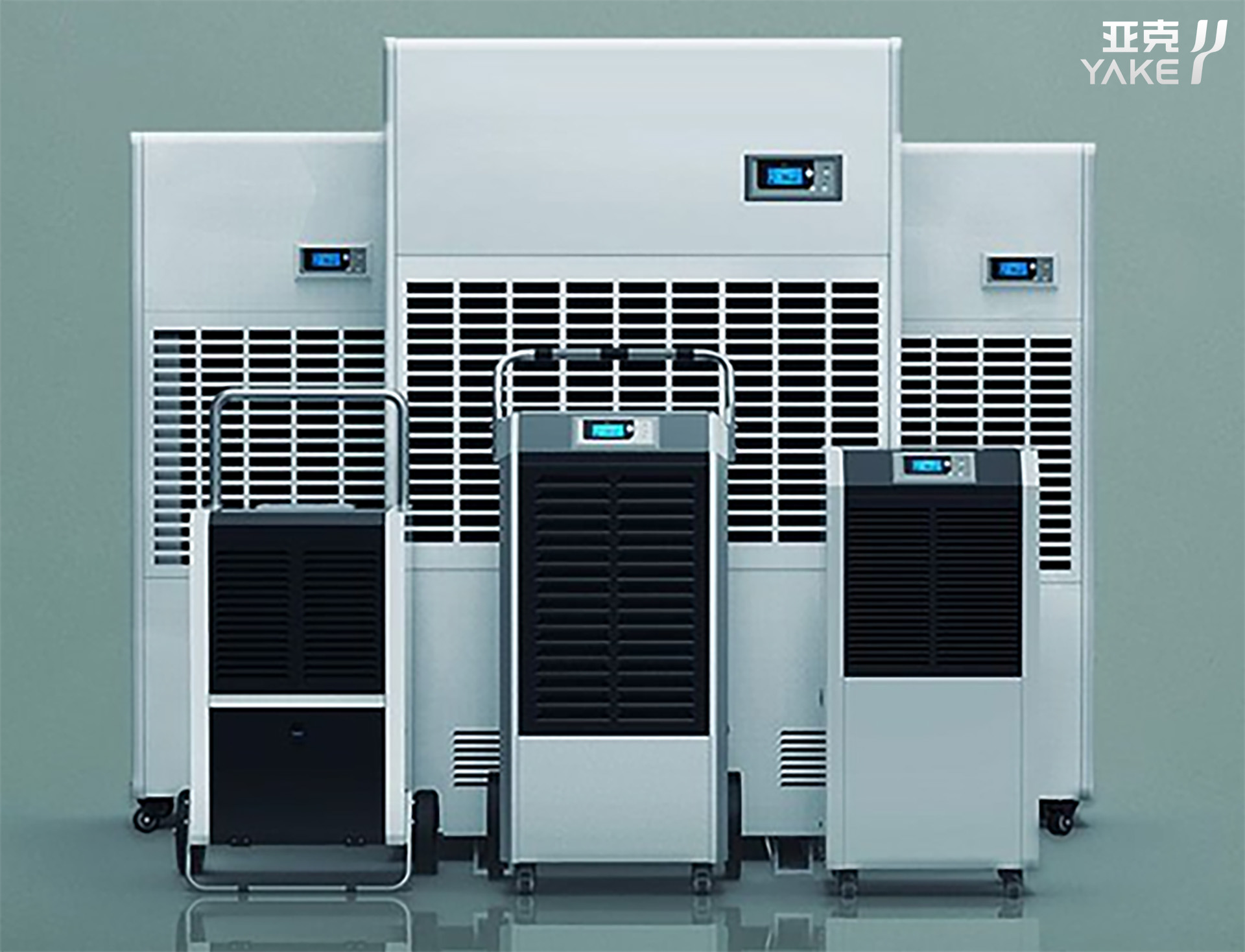
Contact us to find the best place to buy your Yakeclimate solution today!
Our experts have proven solutions to keep your humidity levels in check while keeping your energy costs low.