
Building 34, No. 535 Shunfeng Road, Hangzhou, Zhejiang, China
[email protected]


Solar-powered mini greenhouse heating generates heat for small greenhouses with solar panels, aiding plant growth in cold weather. Solar systems provide a consistent, inexpensive heat source by converting sunlight into energy, which reduces electricity bills and keeps the operation eco-friendly. Leveraging such systems can assist growers in maintaining consistent warmth, reducing mold danger, and keeping plants thriving. To demonstrate concrete value, the following section will break down primary system components and applications.

Solar heating in mini greenhouses captures sunlight and converts it to heat, retains it, and distributes it. This is crucial in maintaining crops at the optimal temperature, particularly during the winter. Passive and active solar systems each have their place. The former uses design and materials to trap and hold heat. The latter adds solar panels or collectors to increase heating. Knowing how it works can save you money and maximize the efficiency of sustainable power.
Harnessing the sun is fundamental. Solar panels or collectors can be installed on the greenhouse roof or walls to capture maximum sunlight. They work by using solar panels, which convert sunlight into heat or energy for other internal systems. How you arrange materials on the interior contributes as well. Having water barrels, rocks, or bricks soak up heat during the day is important. These thermal masses then radiate heat as the air cools at night. Solar patterns vary by season. Following the sun across your greenhouse allows you to adjust materials or panels accordingly. In the UK, greenhouses require heating for approximately 10 to 12 hours daily during winter, so every ounce of captured heat matters.
Preventing heat from getting out is as important as catching it. Insulation is the primary technique here.
So do things like closing all the gaps, sealing windows, and checking for drafts that keep warm air in. Check the entire building for heat leaks. Even tiny cracks can make a huge difference.
Once that heat is captured and held, it needs to circulate through the greenhouse. Fans or vents assist in circulating warm air to every nook and cranny. Convection currents, where warm air rises and cool air sinks, further balance the temperature. Other growers zone the greenhouse, heating only where necessary. This conserves electricity and protects delicate plants. Monitoring internal temperatures with sensors or basic thermometers allows you to control fans or vents accordingly. The focused nature of this approach results in reduced energy losses, increased stability, and improved yields.
To heat a mini greenhouse with solar power is a matter of striking an equilibrium between input, storage and output of energy while remaining mindful of sustainability. Determine your energy requirements. Greenhouse size, insulation, thermal mass, and climate all have a significant role. Pairing with good insulation, thermal mass and smart heat emission yields the best results. Strive for systems that work with nature, save energy, and can grow with you. Combine solar heating with existing greenhouse systems for easy control and efficiency.
Choose solar panels appropriate to your greenhouse size and local sun exposure. High-efficiency modules are appropriate for most locations, but thin-film panels can work in cloudy regions. The angle should correspond to your latitude, and panels should face true south in the northern hemisphere or true north in the southern hemisphere. For panel placement, panels need to be placed so that they receive the maximum amount of sunlight during the day. High weather resistance, particularly in regions with hail or heavy rains, is a good thing to look for in panels. Look for certifications that demonstrate long-term performance and durability. Polycrystalline and monocrystalline typically last longer, but thin-film might be less expensive for certain. Decide according to budget, room, and your local climate.
Solar power is only as effective as your storage. Battery banks hold that electricity for nighttime or cloudy days, maintaining consistent greenhouse temperatures. Thermal storage, such as large water barrels or stone beds, absorbs heat and dissipates it gradually after sunset. Pick storage based on greenhouse needs: small greenhouses may only need a few deep-cycle batteries, while larger ones will need bigger banks or more thermal mass. Monitor energy, particularly during extended periods of cloudiness. Compare costs: batteries provide flexible energy use but cost more, while water and stone are cheap but less flexible.
Use easy-to-install heat emitters such as low-wattage radiators, heat mats, or under-bench heating pipes. Place them by thermal mass or in areas where plants require the most heat. Heated mats use less energy for seedling trays or root zones. Radiators warm air for bigger spaces but consume more energy. Double check that emitters run on DC power or use an inverter with your solar setup. Be sure to match emitter size and number to your greenhouse needs to prevent wasted energy.
Automated controls maintain greenhouse temperatures without ongoing monitoring. Add thermostats or digital sensors to monitor heat and regulate emitters. Smart plugs or controllers allow you to monitor and adjust settings remotely. Use timers or program it to ramp before sunrise or drop as the day warms. Automate it all with weather forecasts; heat less on sunny days and more when storms approach.
Adapt as seasons change. In winter, maximize insulation with double layers or thermal curtains. Add additional water or stone thermal mass. In summer, use shade cloth or venting to prevent overheating. Configure emitter output to plant growth. Seedlings require greater warmth than mature plants. Track outcomes and adjust accordingly for sustained improvements.
Solar-powered greenhouse heating systems come in two main forms: active and passive. All provide unique methods of capturing the sun’s power, with their own advantages based on greenhouse size, climate, and plant needs. By understanding these types, growers can align solutions to their facility’s needs, emphasizing efficiency, sustainability, and consistent plant health. The following table summarizes the traits, advantages and disadvantages, and common instances of each strategy.
| Type | Characteristics | Pros | Cons | Examples |
|---|---|---|---|---|
| Active | Uses pumps, fans, or controls to move and distribute heat | Quick, even heating, good for larger areas | Higher cost, needs power, more upkeep | Solar thermal panels, forced-air systems |
| Passive | Relies on greenhouse design and materials to absorb and store heat | Simple, low upkeep, low cost, good for small spaces | Less control, may not meet all needs | Water barrels, stone walls, insulated glass |
Active solar heating systems rely on mechanical strategies like pumps and fans to direct heat to where it’s required most. Solar thermal collectors like flat-plate or evacuated-tube panels soak up sunlight and transfer that energy to air or water. This energy can subsequently be distributed throughout the greenhouse with ducts or pipes, increasing temperature uniformity.
For a mini greenhouse below 100 square meters, a 1000 to 3,000 BTU/hr system is usually sufficient. Bigger rooms as much as 200 square meters might require 3,000 to 6,000 BTU/hr. These systems can work with sensors and thermostats for more sophisticated control, but configuration and maintenance is more complex. The up-front cost is greater because of equipment and installation, yet energy savings over the years can make up for this cost, particularly in colder parts of the world where heating needs are significant.
Active systems cope well with rapid weather changes and are ideal for growers who desire exact environmental regulation. They require energy to operate pumps or fans. Therefore, backup options or hybrid systems might be necessary to maintain reliability during outages.
Passive solar heating utilizes greenhouse construction and natural building materials to capture and retain heat. Seventy-gallon water barrels painted matte black and left in full sun are the original thermal batteries. Even today, they are absorbing heat during the day and releasing it all night long. Stone or concrete contribute thermal mass, helping to even out temperatures.
Even in small greenhouses, passive methods can reduce heating expenses by 30 to 40 percent when paired with insulated coverings that have an R-value of 2.1 or greater. Simply attaching foil behind thermal mass supercharges sunlight capture, even at suboptimal angles. Strategic landscaping, such as windbreaks or dense plantings on the cold side, protects against heat loss.
They are easy to construct, require minimal maintenance, and contain few moving components. They’re great for growers seeking a low-tech, dependable solution to moderate temperature fluctuations. Passive heat alone might not be enough in bone-cold temperatures or for precious crops with strict climate requirements.
Optimizing your greenhouse design for solar-powered heating requires careful consideration of how every decision aids in absorbing and retaining heat, minimizing loss, and promoting plant vitality year-round. It’s about clever moves that make sense for you at the moment and allow you to expand or pivot as your objectives or the climate evolve.
Improve your greenhouse location. Face the longest wall south in the Northern Hemisphere or north in the Southern Hemisphere to capture sun from dawn to dusk. Be aware of trees, buildings, or fences that cast long shadows, particularly in winter. Even a tiny shed nearby can reduce sun hours and drop interior temperatures quickly.
Consider the sun’s path as it changes with the seasons. Summer has the sun high and winter has the sun low. Tilt the roof or pick a steeper angle to capture more low winter sun if you grow year-round. Tweak the angle or add adjustable shades to tune sunlight and prevent overheating in harsh or variable climates. This easy hack maximizes light and warmth for your plants.
Insulation traps the heat your solar arrangement strives to create. Utilize polycarbonate panels, double layer polyethylene, or rigid foam boards in walls and ceilings to reduce heat loss. They are great for small to medium sized greenhouses and do not cost as much as glass. For larger or more permanent installations, insulated glass units reduce heating requirements and increase control over the climate.
Experiment to find what works for your budget and crop. For a low-cost, flexible fix, lay bubble wrap or thermal screens on inside walls. Include thermal mass, such as black 55-gallon water barrels, right inside to absorb heat by day and radiate it by night. Check insulation regularly for tears or gaps. Even minor leaks can drop your temperature, stress your plants, and waste energy.
Glazing determines how much light and heat gets into your greenhouse. Polycarbonate panels and double or triple-glazed glass increase light and insulation. Double-glazing reduces heat lost through the windows and maintains consistent interior temperatures, enhancing plant growth. Triple glazing functions in severe or cold locations but is more expensive.
Choose glazing that blocks excessive UV if you grow tender crops, and lets in enough for healthy growth. Clean your panels often to prevent dust and algae from reducing light and heat. Compromised glazing allows heat to slip away, so replace broken panes quickly to maintain internal stability.
Solar-powered mini greenhouse heating offers genuine promise for indoor farming and hydroponics. There are obstacles that rarely receive attention. These challenges can make or break the efficiency, cost-efficiency, and reliability of your growing environment. DYI or Contractor Installed Solar Panels: The Unspoken Challenges – As you plan a new build or upgrade an existing site, consider the realities of costs, weather, and continued system care.
Solar heating systems, while sustainable, come with several challenges growers must address:
A solar heater system implies a hefty initial cost. Panels, inverters, batteries, and heat emitters are more expensive than heaters. Costs scale up if you want sensors, smart controls, or backups. It’s easy for installation to surprise you; perhaps you require structural modifications or have to reroute wiring. These compound your invoice.
To soften the upfront blow, see if there are grants or financing programs. A lot of countries have these incentives today for switching to renewables. Other growers work with banks or green funds to amortize payments for years. Yet, measure these alternatives with anticipated long-term savings. Solar reduces utility bills and over time can compensate for the initial expense. Budget for surprises—fixes, enhancements or system fine-tuning frequently arise.
Solar heat is most efficient with sun. The weather’s not always forgiving. Cloudy days, shorter winter days and storms can knock your productivity into a spiral. This is most important up north, where sun is in short supply for extended periods. East-west facing greenhouses snag more winter sun, but even then it’s not enough on gray days.
Checklist for handling sunlight swings:
It’s easier to see with data on climate. Even some growers augment with digital monitors or tap into local weather feeds to detect patterns. This allows them to optimize heating and ventilation plans.
| Task | Frequency | Responsibility |
|---|---|---|
| Inspect panels | Monthly | Facility manager |
| Clean panels and emitters | Quarterly | Maintenance staff |
| Check battery health | Bi-annually | Technician |
| Service control systems | Annually | Professional |
| Update maintenance records | Ongoing | All staff |
Solar systems require maintenance. Dust and debris can obstruct the bottom panel output quickly. Heat emitters can get clogged or fail. Batteries wear down. Expertise is needed to service complex control units yearly.
Track all maintenance. This aids in noticing trends. Perhaps a specific panel consistently requires cleaning or a battery drains prematurely. With those good records, you can quickly troubleshoot problems and keep the greenhouse warm year round.
Solar greenhouse heating leads the way in clean farming. Revolutionizing the greenhouse with new solar technologies, many growers want to know how these changes help them get more yield and save on costs. Our mission is to derive more from each ray of sun, even when the weather is challenging. In certain parts, such as the UK, the winters have just an hour or two of sun every day. These low-light days make it crucial to utilize passive solar heating. For instance, thick walls or buckets of water retain the heat from the day and keep your plants warm at night. As you can see, adding these thermal mass tools is easy and inexpensive, but they require advance planning and room.
Solar panels are improving every year. Today, some boast a 25% sunlight conversion rate. This translates into more power from the same roof real estate. For small greenhouse owners, this is a huge victory. Throw in a lithium battery system and the whole thing can store surplus power for cloudy or night hours. This day-night equilibrium is essential for sustained plant development. Although lithium batteries are durable and efficient, they require secure containment and monitoring. Even with these high-tech panels, the sun’s energy isn’t always consistent. Growers in low-sun areas have to mix active and passive heat. That is, they combine solar panels and intelligent heat storage to maintain temperatures.
Extracting the maximum potential from a greenhouse is about choosing optimal construction materials. Transparent glass or polycarbonate allows more light, but excess can allow heat to escape in the evening. The trick is to strike a balance between allowing solar light through and preventing heat leakage. Dust on glass can reduce light by more than 20 percent, so annual cleaning isn’t just cosmetic. It keeps energy use efficient. Greenhouse owners should schedule this task. These little incremental advances accumulate and can be the difference between a marginal crop and a record harvest.
Solar heat provides energy independence. Growers are less dependent on power grids, and increasing energy costs sting less. Payback for a full solar setup is five to ten years, but savings and peace of mind begin immediately. Every grower needs to verify with local regulations and fresh incentives since solar laws and backing can shift quickly. If you want to be on the cutting edge, adapting to these new technologies and rules is a requirement.
Solar-powered heating provides a viable route for growers seeking to maintain small greenhouses warm with reduced grid power. Panels absorb light and convert it into heat that stabilizes and incubates tender shoots or exotic herbs. Simple fixes like thermal mass or smart vents shove heat where it matters. Both direct gain and water barrels work best in sunny locations. Others have solar air heaters with fans that blow warm air. Most encounter limitations with overcast days or the briefness of winter sun, so backup heat or battery storage can assist. Solar-powered mini greenhouse heating. For the budget-minded gardener who still wants solid plant growth, solar heat remains a great option. Contact us to discuss your setup or receive guidance for your construction.
Your own solar-powered mini greenhouse heater turns the sun’s energy into warmth for your greenhouse. It is energy-efficient and environmentally conscious, perfect for compact indoor or outdoor spaces.
Solar heaters are useful in cold climates. Their effectiveness varies according to insolation hours and insulation. Good design and thermal storage help it heat on cloudy days.
The three primary categories are solar air heaters, water collected, and passive solar heating with thermal mass. Each kind captures solar energy in a unique way to help keep temperatures stable.
Good insulation, putting the greenhouse in direct sunlight, and adding thermal mass with water barrels are measures that keep heat in and increase the efficiency of solar heaters.
Upfront expenses may exceed conventional heaters. They pay for themselves in savings over time by reducing energy bills and are fairly low-maintenance.
Cloudy weather, drafty or poorly insulated greenhouses, and little sunlight dramatically diminish the mini greenhouse’s heating potential. Planning and redundancy keep these hassles in check.
Yes, solar heat keeps an environment stable. Watch temperatures to prevent overheating, particularly in small greenhouses exposed to intense sunshine.


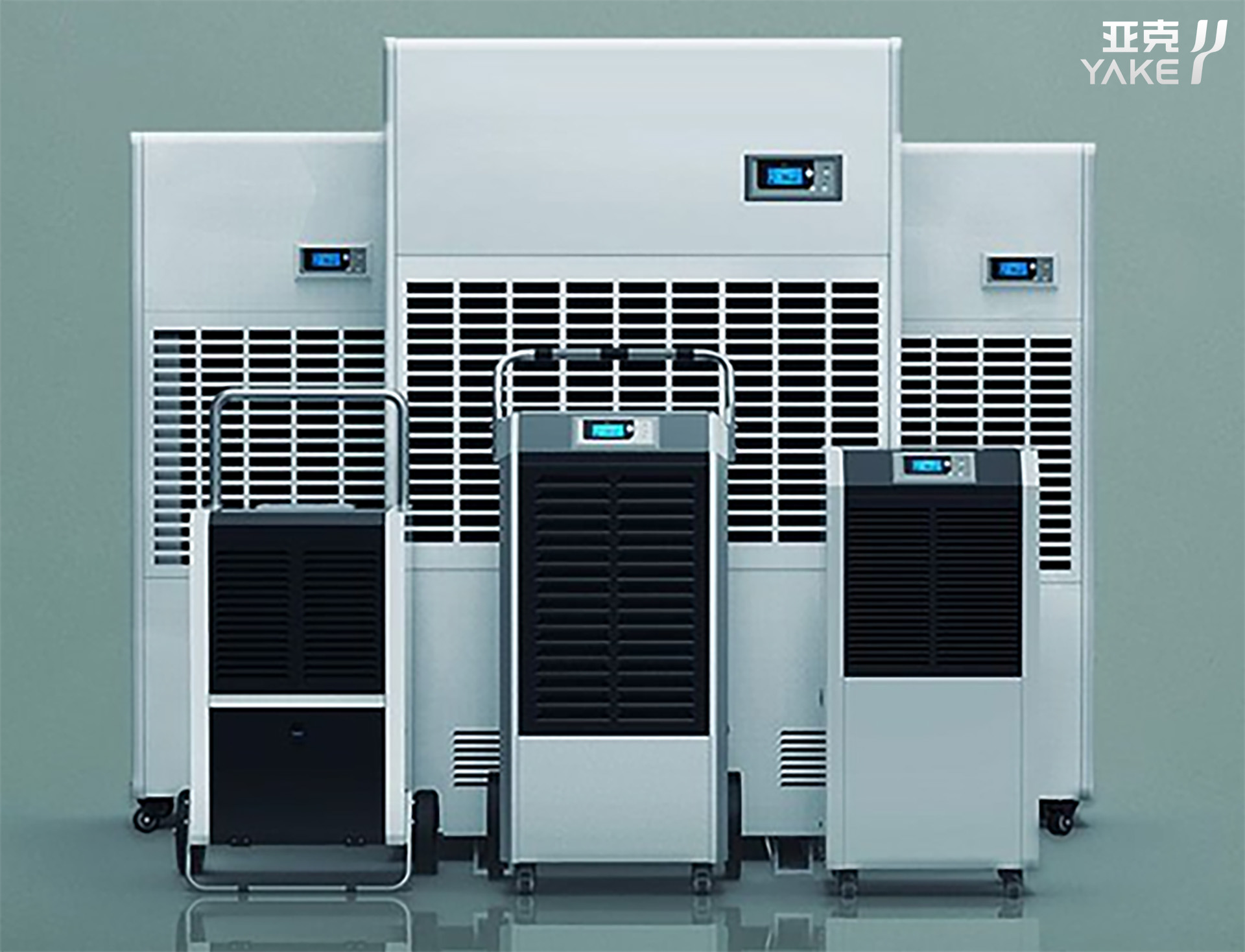
Contact us to find the best place to buy your Yakeclimate solution today!
Our experts have proven solutions to keep your humidity levels in check while keeping your energy costs low.