
Building 34, No. 535 Shunfeng Road, Hangzhou, Zhejiang, China
[email protected]


Pharmaceutical vacuum tray dryers are systems that dry heat-sensitive pharmaceuticals and chemicals under reduced pressure, preventing product decomposition and maintaining quality. Employed in drug plants, these dryers utilize metal trays and a sealed chamber to extract moisture at a low heat. This ensures active ingredients are preserved and the final product remains safe. Tray dryers reduce drying time, maintain consistent batch size, and comply with cleanroom regulations. They assist with easy cleaning and tight control of each step, which counts in drug making. Lot of drug makers rely on vacuum tray dryers for consistent, secure, and ultra-pure output. The bulk will discuss how these systems function, their key components, and what to consider when selecting the appropriate dryer.
Pharmaceutical vacuum tray dryers are widely used for drying heat sensitive products in pharmaceutical and chemical industries. They dehydrate active ingredients and precious compounds without excessive heat, safeguarding product integrity. These dryers have a vacuum environment, which reduces the boiling point of water and solvents. This enables efficient drying at reduced temperatures, ideal for heat-sensitive pharmaceuticals and chemicals. Their construction facilitates accurate control of temperature and moisture, providing dependability and scalability from lab to commercial scale.
Vacuum tray dryers use vacuum to pull air pressure down inside a closed heat vessel. This lowers the boiling point of water and solvents considerably. Heat, and under vacuum, moisture evaporates more quickly, even from deep inside solids. That’s crucial for drying heat-sensitive materials, such as certain pharmaceuticals or fine chemicals.
Ensuring a consistent vacuum is key. If the pressure varies, drying becomes sluggish or inconsistent outcomes occur. The heat transfer is regulated to prevent local overheating, which can destroy delicate molecules. In actuality, the system draws out free moisture initially. Then, with time, entrained liquid moisture evaporates from the core of each item.
For plant managers and engineers, being able to dry at low temperatures under tight control helps satisfy stringent quality and regulatory requirements.
It begins by loading trays, with each tray containing a thin layer of product. The chamber is closed, vacuum pulled, and heat added. Moisture evaporates, passes as vapor and condenses from the product.
Operators are really on top of temperature and vacuum levels. These affect drying rate and product quality. Excess heat or insufficient vacuum can harm actives. Once the product attains the target moisture, the drying cycle is completed.
Fine control of each parameter guarantees uniform batches, whether for small lab runs or large production.
Vacuum chamber, heating system, trays, insulation and control systems comprise the core. The trays distribute material for uniform drying. Insulation surrounding the chamber maintains temperatures. Controls allow operators to maintain drying parameters optimal.
Every piece has to cooperate. For instance, bad insulation results in heat loss and irregular drying. Contemporary systems employ digital controls as well.
Vacuum pumps extract air, establishing the low pressure. This not only accelerates moisture elimination but inhibits oxidation, which can deteriorate delicate drugs. Vacuum level controls drying rate, and tighter control means better product.
Pharmaceutical vacuum tray dryers are dependable, effective and flexible for different products and capacities.
Pharmaceutical vacuum tray dryer is a necessity for precision, reliability and adaptability in sensitive manufacturing. Their configuration accommodates stringent quality controls and sustainability requirements. Key advantages include:
Vacuum tray dryers are designed for mild drying. Reduced pressure allows materials to desiccate at moderate temperatures, so fragile actives and biologies do not degrade. Heat-sensitive drugs, enzymes, and probiotics maintain their structure. Temperatures and pressures can be tuned to narrow windows, helping preserve bioactivity and chemical integrity. This measure careful technique translates into more salable product, less rejects and higher end quality.
Vacuum tray dryers make solvent recovery easy and efficient. As the solvent departs from the product, it is condensed and recovered, not emitted to the air. This matters for the planet and the balance sheet. Most solvents are expensive and dangerous. Reclaiming them reduces landfill volume, decreases virgin resource consumption, and enables circular processes. It helps satisfy stringent emissions regulations and keeps pharmaceutical plants compliant. More purity and less residual solvent equals purer medicine and safer products.
Batch pharma is key. Vacuum tray dryers regulate temperature, pressure and duration for each batch, not simply the entire run. This maintains uniform moisture content among trays and batches, preventing dry areas or wet patches. Consistency aids quality and compliance audits. Operators scale up from lab to plant without losing their grip. Batches are traceable and testable, which allows for complete batch documentation to regulators and clients.
Contemporary vacuum tray dryers utilize PLCs and sensors for real-time control. Operators can record data, monitor variations and schedule precise cycles. This lessens human error. Automation means cycles are repeatable. If the product varies, recipes can be adjusted and re-saved. Designers can execute intricate cycles, record each phase, and detect problems quickly. This results in less errors, less downtime, and consistent production.
Choosing a pharma vacuum tray dryer requires a detailed consideration of technical, regulatory, and operational requirements. Every consideration–from build materials to the quality of the vacuum system–informs product purity, process productivity and regulatory adherence. The following table summarizes some of the critical selection factors to consider before deciding.
| Factor | Key Considerations |
|---|---|
| Material of Construction | Corrosion resistance, hygiene, heat/vacuum tolerance |
| Heating System | Type, uniformity, energy use, process fit |
| Vacuum Performance | Stability, pump specs, drying speed, quality |
| Chamber Design | Cleaning ease, batch size, airflow, insulation |
| Regulatory Compliance | cGMP standards, documentation, AISI 316 contact |
| Supplier Reputation | Service response, install support, global reach |
Stainless steel is the gold standard. It minimizes the potential for contamination and facilitates rigorous cleanroom compliance. The correct material selection translates into less processing downtime and improved lot uniformity. It’s not just hygiene–the shell and trays have to withstand multiple rounds of vacuum and heat, so material stress resistance comes into play as well.
Both direct and indirect heated. Conductive heating, as heat passes through trays, delivers consistent temperature to every location, a critical factor for even drying. Indirect heating, such as steam jackets, reduces the potential for hot spots that may harm sensitive drugs. A properly-sized system consumes less energy, which reduces operating expenses and minimizes its carbon footprint. Choose a system that fits the product load: sticky, heat-labile, or bulk powders all need special care.
Fast, uniform heating further reduces drying times—a benefit when batch turnarounds are lean.
Vacuum stability is required for excellent drying results. A top-quality vacuum pump maintains constant pressure—typically 40–80 mbar abs for most of the run, falling to a few mbar abs at the finish to scrape off the last moisture.
Drying time and end quality both hinge on deep, steady vacuum. If the vacuum drifts, product quality drops, and so does yield. Routine pump inspections, gasket replacements and leak tests keep it sealed and optimized.
Design details count. Smooth, rounded corners make CIP easy and fast. Chamber size should accommodate small and large batch runs, therefore sizing is versatile. Thick insulation maintains low heat loss, as well as consistent temperatures, which both minimize cycle time.
Airflow paths and tray spacing affect drying efficiency. Good design = even drying, less clumping and shorter cycles.
Pharmaceutical vacuum tray dryers are available in multiple configurations, each designed for specific requirements in pharmaceutical production. The primary distinction lies in the construction of the trays or plates, as well as their accessibility. Choosing the right configuration is a matter of balancing batch size, moisture content and floor space. The incorrect configuration can bog down cleaning, squander energy or signify expensive downtime.
In fixed plate vacuum tray dryers the trays are welded or bolted in place. These setups are renowned for robust construction, providing rock solid support for massive loads. This rigid configuration prevents drifting and maintains heat uniformity among all trays – crucial for delicate pharmaceutical compounds that require accurate temperature regulation. Having fewer moving parts means fewer places for leaks or wear — these dryers last longer and require less repair.
Cleaning is a challenge. Fixed plates can trap residue and are harder to reach, making it tough to meet strict cleanliness rules. You often need special tools or cleaning-in-place systems. This setup can work well in plants with space limits, as the trays are close together, and the rigid build lets you fit more drying area in a small footprint.
Removable plate vacuum tray dryers make cleaning a lot simpler. As an operator, you can extend the trays to slough off all residue quickly, aiding in pharmaceutical hygiene compliance. This configuration additionally accelerates batch changeovers and allows you to stay ahead of cleaning cycles.
Another pro is flexibility. With removable trays, you can dry different product types and sizes, from powders to pastes, all in the same unit. You can adjust the batch size as desired — great for contract manufacturers or R&D labs. This open design allows air and steam to circulate more freely around the product, reducing drying time and increasing productivity.
The additional components provide additional opportunities for damage. You have to inspect seals and fittings regularly. When selecting a configuration, you have to balance cleaning requirements, product type and the frequency with which you’ll be changing between batches. Trial with a reliable vendor assists in seeking that ideal match.
Vacuum tray dryers are the heart of pharma manufacturing. They allow groups to dry delicate medications under reduced pressure and gentle heat such that the active components remain intact. These systems regulate temperature and moisture extremely tightly, which is essential for maintaining drug quality and adhering to stringent international norms.
Vacuum tray dryers dry each batch with uniform heat and pressure on all trays. That way each tablet or powder batch has the same residual moisture. Even heat prevents hot spots, so no portion of the batch becomes excessively dry or damp.
Consistent drying preserves drug particle size. That’s important because when particle sizes are uniform, the drug dissolves and acts the same way every time it’s taken. The bioavailability — or how well the body uses the drug — relies on this evenness.
Exact controls in the dryer allow operators to customize the process. These controls regulate heat, vacuum and drying time on a batch-by-batch basis. Consistency here translates to less risk of product failure or recalls.
A single tray with bad moisture control can cause an entire batch to degrade in shelf life. Because drying kinetics–how quickly water exits the product–have a critical influence on both texture and stability of the finished drug.
Stable drugs hold up longer and remain potent. Vacuum tray dryers assist in sucking the moisture out without being too hot. This low-temp drying prevents chemical reactions that can degrade sensitive ingredients.
Any moisture left inside a pill or powder can let microbes thrive. That reduces shelf life and can compromise drug safety. Proper drying keeps moisture under critical thresholds.
If drying runs too hot or too long it can alter the drug’s structure or even crystal form. Certain molecules degrade or create undesirable byproducts when not dried properly. Smart control dryers help avoid this by maintaining process variables stable.
Tray dryers keep drugs clean. Drying in a closed chamber minimizes external contamination. Airborne microbes and dust can’t enter so readily.
Pharma plants employ rigorous cleaning procedures prior to and subsequent to every drying cycle. This prevents residual product or cleaning agents from transferring between batches. Extracting every last bit of solvent is crucial, because residuals can damage patients and do not pass safety tests.
Vacuum Tray Dryers have a significant role in drug manufacturing. Their output connects directly to product purity, batch efficiency and plant availability. Extracting additional value from these dryers begins by optimizing their drying environment. Tight control of heat and vacuum levels allows operators to reach target moisture levels quickly and safely. Little tips can save hours during drying cycles. This assists sites in staying ahead of the batch demand, particularly for moisture-sensitive drugs. Each product is unique. Material attributes such as moisture content, particle size and reaction to heat define drying. For bulk powders, a run could be days. Smaller, low-moisture batches can complete in hours. Matching cycle times and process steps to the material is the trick.
Machine design is important. Specialty trays or racks, and even some adjustable shelves, assist circulation of air and heat just perfectly. Consistent heat prevents wet areas and allows for even drying. Ancillary gear—like vacuum pumps, sensors, and automated valves—ought to match the process requirements. Improperly loaded trays or blocked air flow lead to uneven drying. This wastes time and can compromise quality. Loading and tray spacing protocols fix this. Operators should look out for full air flow and cold zones.
Maintenance is not an afterthought. Dust, residue and worn seals extend drying and allow in undesirable air. Regular inspections for filter clogs, gasket wear and pump function maintain the system. Clean trays and chambers prevent cross-batch mix-ups and reduce contamination risk. Staying on top of minor repairs—such as cracked trays or cleaning ports—prevents major malfunctions down the road.
Automation pulls productivity even further. Smart sensors monitor pressure, heat, and humidity in real time. PLCs or SCADA can tweak conditions in real time, slashing scrap and energy consumption. If it does trip, notifications appear prior to complete shut down. This cuts downtime and aids in audits down the line. Data logs provide evidence of control for every batch.
Strict cleaning rules are just as important as process control. In pharma, a little bit of residue can cause a giant headache. At the end of each run, crews have to wash, rinse and inspect every part. Product-contact surfaces require particular attention. With our certified products and tools, there are no lingering chemicals or fibers. Cleaning logs and spot checks demonstrate compliance and keep regulators content.
Vacuum tray dryers leave a big impact on drug plants. These provide excellent control over heat and air. They maintain drugs pure and safe. Quick, uniform drying reduces moisture hazard and complies with worldwide regulations. With the proper configuration, these machines conserve time and reduce energy consumption. Stainless trays and seals keep things clean and tight. Big pharma trusts these dryers for batch jobs and specialty pharmaceuticals. Proper maintenance and inspections keep the dryers performing for years. Want buttery runs and top production? Select the dryer to meet your plant’s requirements. For more advice or assistance in selecting or tuning your dryer, contact an expert. Make the most of your process with the right equipment.
Pharmaceutical vacuum tray dryers are machines that are employed to dry heat-sensitive ingredients under the reduced pressure. This approach safeguards product integrity and promotes uniform drying.
Vacuum drying extracts moisture at reduced temperatures, reducing thermal degradation. It protects actives and complies with quality requirements.
Important issues are batch size, temperature control, material compatibility, energy efficiency and ease of cleaning. Factor in regulatory compliance and maintenance requirements.
By drying at low temperatures, vacuum tray dryers avoid destruction of sensitive compounds. It preserves drug potency and uniform quality.
Most vacuum tray dryers are easy to clean. Elements such as removable trays and smooth surfaces assist in satisfying cleanliness requirements and avoiding cross-contamination.
Pharmaceutical vacuum tray dryers are available in multiple sizes and configurations. Choices include manual or automatic loading, various tray configurations and custom controls for process optimization.
Efficiency goes up with proper loading, maintenance and optimized temperature and pressure settings. Automated controls and monitoring systems help save energy and time.


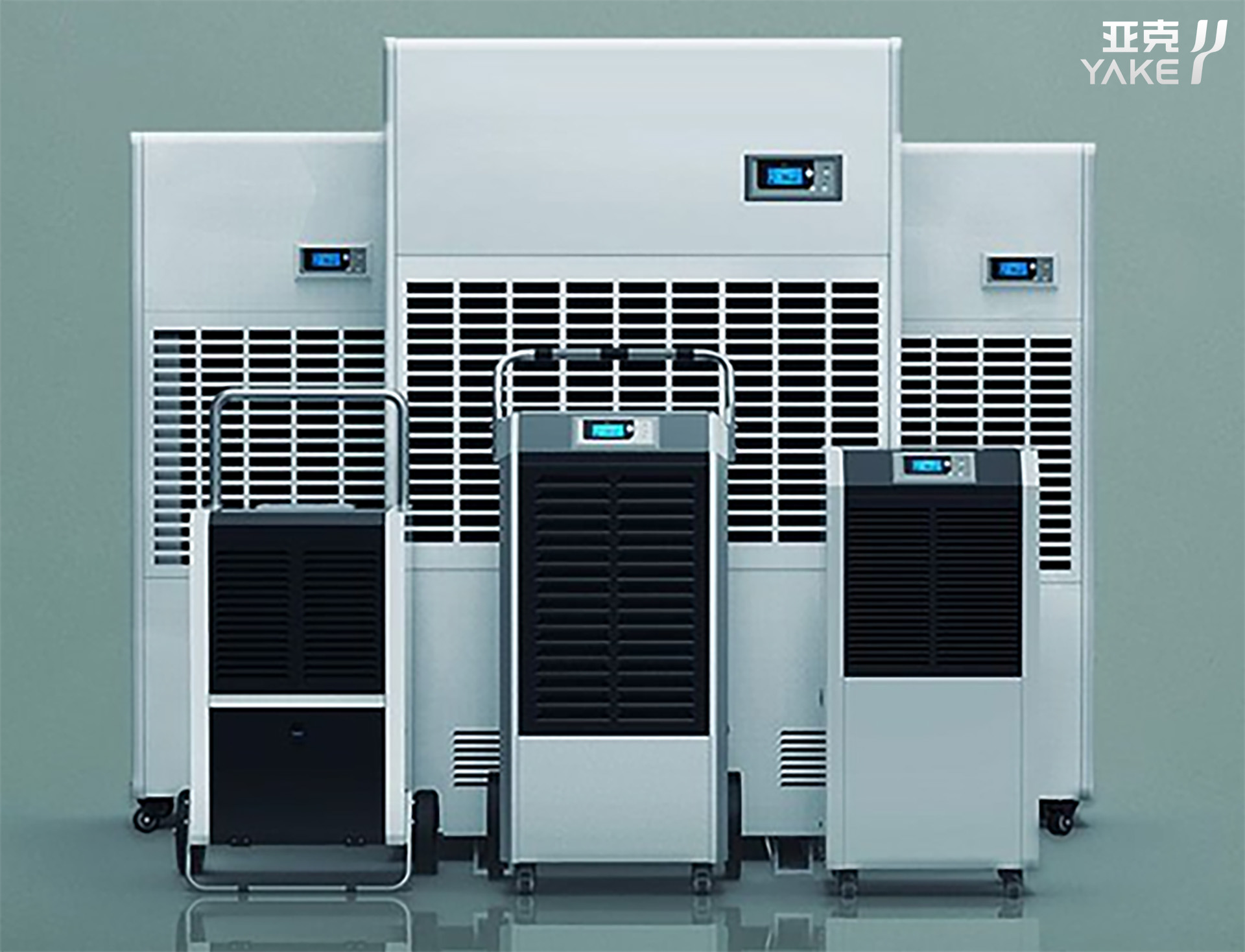
Contact us to find the best place to buy your Yakeclimate solution today!
Our experts have proven solutions to keep your humidity levels in check while keeping your energy costs low.