
Building 34, No. 535 Shunfeng Road, Hangzhou, Zhejiang, China
[email protected]
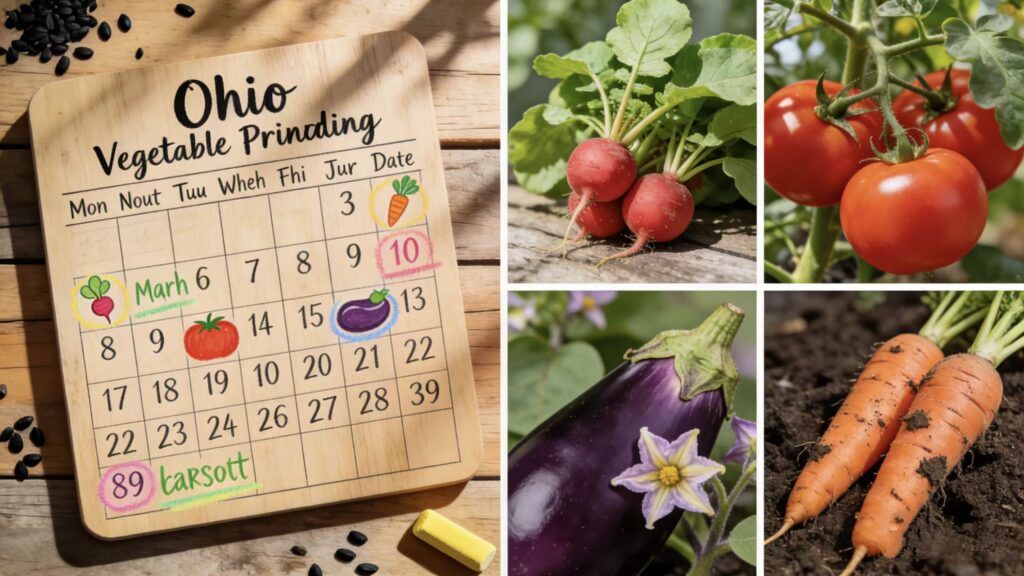

Ohio vegetable planting calendar provides a timestamp for seed starting, plant setting, and harvest planning in Ohio’s climate. Gardeners use these dates to align planting with local frost times and growing seasons, which helps plants thrive and reduces disease or weather stress. Every crop has its own start date, either direct seeding or transplanting, to accommodate Ohio’s cool springs and warm summers. Knowing these dates helps you avoid late frost damage and maximize your growing months. For indoor growing or greenhouse setups, the calendar is a key tool to time starts or move plants out. The following sections describe how to use the calendar for various vegetable types.

Ohio’s continental climate delivers temperature and rainfall swings. When to plant is crucial for solid harvests, particularly for indoor farms and hydroponic cultivators who wish to align their efforts with outdoor rhythms or bolster year-round inventory. Our Ohio vegetable planting calendar directs growers to select optimal windows for sowing, transplanting, and harvesting, customized for USDA Zones 5b to 7a. Each city or region may require adjustments, as frost dates vary throughout the state. The last frost occurs between April 18 and May 11, while the first frost occurs between October 7 and 18. A complete calendar will address upwards of 50 crops, but always treat it as a guideline, not a law. Weather and microclimates may require adjustments. Tracking the calendar results in less waste and steadier production and energy use, all aims of sustainable farms.
Quick Reference: Key Planting Dates
Begin with the likes of pea, lettuce, spinach, radish, and broccoli. These are cold and short days. For the majority of Ohio locations, seed from late March to mid-April, when the soil is between 7 degrees and 10 degrees Celsius. Peas prefer 7 degrees Celsius, lettuce 10 degrees Celsius, for fine sprout rates. Cold soil delays germination, therefore hold off if soil remains wet or is below 7 degrees Celsius. Protect your tender plants with row covers or low tunnels from late frost, freeze, or hard freeze, which can occur as late as early May. Protection not only increases survivability, it maintains steady growth.
Tomatoes, peppers, cucumbers, squash and beans require warm soil and are at no risk of frost. Wait until after the last frost and soil is at least 16°C. Typically, this is after May 15 for most of Ohio. Warm soil leads to fast root growth and zero plant stalling. Plant in rounds every two weeks to keep harvests coming all summer. Use soil thermometers for precision.
Succession planting keeps your fields humming. Plant beans, summer squash, and beets from late June or early July as earlier crops complete. Prepare soil with compost and check moisture. Mulch holds water in Ohio’s hot summers. Keep record of the sowing dates for each round; this way you know when to harvest and replant.
Still, with carrots, kale, spinach, and leeks, growers can get a harvest in the cold months. Schedule to sow these 8 to 10 weeks prior to the first frost: late July for carrots and mid-August for kale. Knowing your area’s first frost date helps you time plantings. Cover plants with row covers or cold frames to extend growth into the winter. Use cold-hardy varieties for late crops.
Planting seeds indoors leads to earlier harvests and more robust transplants. Start 6 to 8 weeks before your last frost, so for Ohio, start tomatoes and peppers in late March. Use draining trays, a light soil mix, and maintain temperature at 20 degrees Celsius to 24 degrees Celsius. Utilize grow lights if the sunlight is weak. Good air flow and low humidity ward off mold. Industrial dehumidifiers such as those from Yakeclimate can facilitate this for larger setups.
Ohio is a state with a temperate climate that varies significantly throughout its territories. These changes drive the way farmers schedule, plant, and harvest vegetables. Understanding local weather, frost patterns, and soil temperature is essential for anyone wanting to produce high yields. Victory lies in adjusting to these changes, using data, and selecting techniques that suit each season.
Ohio’s frost dates are important. They say when to plant and when to anticipate frost that damages the crops. Early spring and late fall are dangerous, so for tender plants, timing is key.
Knowing these dates helps gardeners guard against cold snaps in spring and fall. Covering plants, using row covers, or bringing pots inside are easy methods to protect sensitive crops. Monitor local frost with digital thermometers or free weather apps. They maintain a record and provide advance notice.
USDA plant hardiness zones reveal what kind of plants suit each part of Ohio. The state spans zones 5b to 7a. Each zone has an average minimum winter temperature range.
5b includes portions of northwest and northeast Ohio, 6a spans much of the middle of the state, 6b covers southern and southeastern portions, and 7a covers the extreme south. This assists growers in selecting appropriate seeds. Lettuce, onions, and spinach begin well in cooler soils, but tomatoes and peppers require warmer conditions, up to 75 degrees Fahrenheit. Just be sure to consult the zone map before purchasing seeds or laying out beds!
Not every piece of garden behaves the same. Microclimates, or little patches of extra warmth, shade, or wind, alter how plants thrive. Beds raised near a wall heat up quickly. Low spots collect cold air. Trees provide shade that cools soil and fences protect against wind.
To capitalize on these minor variations, check sun patterns and test soil temperature in various areas. Move pots or install cold frames to extend the season. Experiment by planting in different locations and observe what thrives. Our garden journal is indispensable for keeping track of what does well where, season to season.
Ohio’s soil diversity makes for both challenge and opportunity for vegetable gardeners. Understanding the type of soil and its characteristics is the initial step for efficient crop planning and yield optimization. Soil varies from heavy clay in the north to rich loam in the south, with a mixture of silt and sand in between. This diversity ensures that soil management is never one size fits all, and careful adaptation is the key to success in Ohio’s USDA Hardiness Zones 5b-7a.
| Soil Type | Common Regions | Typical Issues | Management Focus |
|---|---|---|---|
| Clay | Northern/Central | Poor drainage, compaction | Drainage, aeration |
| Loam | Southern | Few, but nutrient depletion | Maintain fertility |
| Sandy/Silty | Scattered pockets | Quick drying, low nutrients | Water retention, nutrients |
Checking the soil’s pH and nutrient profile at least once per season is a must. Grab a basic soil test kit or send samples to a local lab for accurate results. Fixing the structure of the soil can sometimes be as simple as adding organic matter such as compost, leaf mulch, or well-rotted manure. This increases nutrient availability, water retention, and root development in tomatoes, beans, and greens.
Clay soils in Central and Northern Ohio can undo the efforts of growers with their slow drainage and compaction. Water can pool on the surface, smothering roots and stunting growth. To combat this, mix coarse sand or fine gravel into the top 20 cm of soil and add organic matter like compost. Raised beds assist by raising the root zone, enhancing drainage and aeration. Crops such as cabbage, broccoli, and potatoes will be more tolerant of clay, especially when beds are well amended. Consistent mulching with straw or shredded leaves keeps soil loose, as do continual additions of organic matter, which break up the heavy clay year after year.
Loamy soils such as those in southern Ohio are close to ideal for most vegetables. These soils drain well but retain enough moisture for consistent plant growth. Amend with compost and rotate your crops to maintain nutrient balance and avoid pests. Loam’s structure allows roots to expand unencumbered, so capitalize by planting deep-rooted vegetables such as carrots and parsnips with shallow-rooted leaf greens. This versatility allows you to plant a vast array of vegetables, from sweet corn to tomatoes, without much soil amendment. Let the soil temperature readings, taken at the same hour each day for consistency, tell you the best planting windows. Loam warms up dependably each spring.
Amending soil is a continuous, not a corrective action. For best results, incorporate compost or aged manure in early spring and again after harvest. Organics enhance soil structure, water equilibrium, and fertility. For weak soils, add slow-release fertilizers as per crops and soil test. Early spring and late fall are the most important times to amend your soil, prior to planting and after the last harvest when the soil is exposed. Keep an eye out for symptoms of distress, such as stunted growth or yellowing leaves, and modify your amendment schedule accordingly. This reactionary method keeps soil fertile and crops strong and hardy.
It’s all about smarter garden planning. Matching crops to your local frost and freeze dates, sunlight hours and climate zone information allows you to make the most out of your planting and harvest schedule. A garden calendar, plant spacing charts, and dependable climate control equipment are the foundation of a robust, fruitful system. Gardeners have to build in flexibility, aware that weather and other factors might compel a change of plans.
Smarter garden planning An efficient layout design begins by mapping sunlight. Most vegetables require at least 6 hours of direct sun per day, so observe the sun’s path and position beds or rows appropriately. Raised beds and row planting assist with soil quality and drainage and allow for easier organization by crop type. Raised beds, in particular, encourage deeper root growth and simplify soil handling, whereas row planting is ideal for bigger projects or wide-spreading crops.
Paths between beds or rows are a must, not only for accessibility but for air flow and disease prevention. Think about the height and spread of each species. Tall crops such as tomatoes or corn can shade smaller plants, so cluster by size and sun requirements. Use planting schedules to stagger crops and make the most of space throughout the season.
Container gardens are a good fit for small spaces or urban areas, providing an option for gardeners who don’t have access to open ground. Your container should have good drainage and root growth potential. Plastic, ceramic, or even recycled materials are all fine, as long as the container has holes where water can drain out. Use a premium, soilless potting mix.
Greens, peppers, radishes, and herbs do well in containers. Vertical gardening using stackable pots or wall-mounted planters expands production when space is tight. Container gardeners can relocate plants to follow the sun or shield them from a surprise frost, allowing them to be more responsive to changing conditions.
Raised beds offer better drainage, soil, and pest control than in-ground plots. Using frames from untreated wood, stone, or recycled materials, construct beds a minimum of 30 to 40 centimeters deep for the majority of vegetables. Fill with a healthy mix of half compost and half topsoil, and test pH and nutrients prior to planting.
Beds warm up faster in spring and cool down slower in autumn, lengthening the growing season. Make them at heights that best suit the gardener, particularly if mobility is an issue. Raised beds aid in weed control and reduce soil compaction, fostering healthier root systems.
Ohio’s vegetable growers have their own challenges, influenced by a humid continental climate, capricious weather cycles and complicated soil profiles. With variable temperatures, regular rain and occasional drought, forward thinking is key for reliable returns. Ohio’s proximity to Lake Erie and the Delaware River Valley lends layers of humidity and subtle microclimates that impact pest pressure, disease risk and when planting and harvesting should be done. Knowing these local factors and leveraging more sophisticated climate control solutions is critical to keep your crops healthy and productive.
Ohio gardeners face challenges from aphids and flea beetles to squash bugs and cabbage loopers. These pests can stunt growth, spread disease and decimate yields if left unmanaged early. Integrated pest management delivers this, providing a practical, research-backed approach that blends physical barriers, crop rotation, and targeted treatments to maintain minimal pest counts without relying on heavy chemicals. Weekly plant inspections, twice a week, become the norm and catch problems before they spread. Natural treatments, such as releasing ladybugs or using neem oil, can strengthen plant resistance and stimulate a healthy garden environment.
Ohio’s weather is always unpredictable. Late frosts, early frosts, heatwaves and eddies of hard storms baffle even seasoned growers. Late spring frosts in the north can cut the growing window short and central and southern parts of Ohio deal with occasional droughts or torrential rains. Ohio specific challenges include using row covers to protect plants during cold snaps and mulch to keep roots cool in summer. Opt for hardy vegetable varieties like kale or bush beans, which can weather swings in temperature and humidity. Flexible scheduling is essential. Shift planting dates as projections come in instead of fixed calendars to mitigate damage from surprise weather events.
Vegetable crops in Ohio are susceptible to diseases such as early blight, powdery mildew, and bacterial wilt. Common signs are yellowing leaves, wilting, and leaf spots. Preventative measures include using disease-resistant seed, providing good air flow between plants, and avoiding overhead watering. Crop rotation, which involves varying plant families in each bed annually, aids in breaking cycles of soil-borne pathogens. Regular tool cleaning and plant debris removal minimize the potential for carrying diseases into the next season.
Ohio vegetable gardening is changing fast with new trends and technologies. More growers are mixing indoor and outdoor systems to keep food fresh year-round. Winter used to be a respite; now it’s prime planning and review season. Wise gardeners maintain a journal to record what worked, what dropped the ball, and how to improve. This practice assists in next year’s garden planning, from crop selection to soil condition.
Sustainability is the theme of the future. It is something closer to a green lifestyle, with more emphasis on energy-saving and waste-cutting habits. Simple actions such as tidying in November, ripping out spent plants, and spreading compost contribute to building better soil and combating disease. Succession planting is another smart play. Crops such as arugula, radish, and lettuce mature within 25 to 40 days and allow growers to initiate new plantings every fortnight. This provides consistent crops and less spoilage, aligning with the movement toward reduced consumption.
Technology is altering the Ohio vegetable garden. Indoor farming and hydroponics, frequently energized by intelligent climate controls, lay new possibilities for all-season crops. With tools to monitor soil temperature for seeds, 50 degrees Celsius for Swiss chard or 75 degrees Celsius for tomatoes, farmers can plan planting for optimized yields, not just plant on Good Friday. Dehumidifiers and sensors maintain the environment and increase yields while conserving energy. These enhancements are essential for large-scale endeavors, but even backyard gardeners utilize them for improved management.
Education is a requirement for anyone aspiring to keep pace. There are tons of courses, online guides, and local groups for Ohio gardeners to exchange advice and innovations. With this support, all levels of growers, from backyard beginners to industrial-scale indoor farms, can make smart decisions and troubleshoot quickly.
Growing veggies in Ohio means playing with warm, wet and cool spells that can change in a heartbeat. Every crop has its own start date, so a good calendar keeps things on track. Ohio soil can require a quick soil test or some compost to make it just right. Wet spots require raised beds or improved drainage. Pests and mold appear after heavy rain, so a keen eye is beneficial. Those that plan well, pick the right seed, and watch the weather can get a steady yield. For an extra puff, smart sensors, drip lines or a good dehumidifier combat mold and keep air dry. For the hottest gear, follow Yakeclimate updates for tips and new tech.
Plant cool-season crops, such as lettuce and peas, in late March to early April. Warm-season crops, like tomatoes and peppers, should be planted after the last frost, usually by mid-May.
Ohio’s climate lends itself to beans, carrots, lettuce, tomatoes, peppers, cucumbers, and squash. Root and leafy vegetables do well in spring and fall. Fruiting crops such as produce seem to flourish in summer.
Soil is prepared when it dries enough to crumble and doesn’t hold onto stickiness. Test for a pH between 6.0 and 7.0, and fertilize with compost for best results.
Almost all vegetables require approximately one inch of water per week. Take rainfall and soil type into account. Water soaks in to foster deep roots.
Ohio’s final spring frost generally occurs in early to mid-May. Your first fall frost typically comes in early October. Verify with local predictions.
Utilize row covers, rotate crops annually and clean up plant debris. Frequent inspections catch pests early. Organic options like neem oil can assist in keeping outbreaks under control.
Yes, leafy greens, herbs, and a few root crops can be grown indoors if you have sufficient light. If you try this, use grow lights and well-drained containers for success!


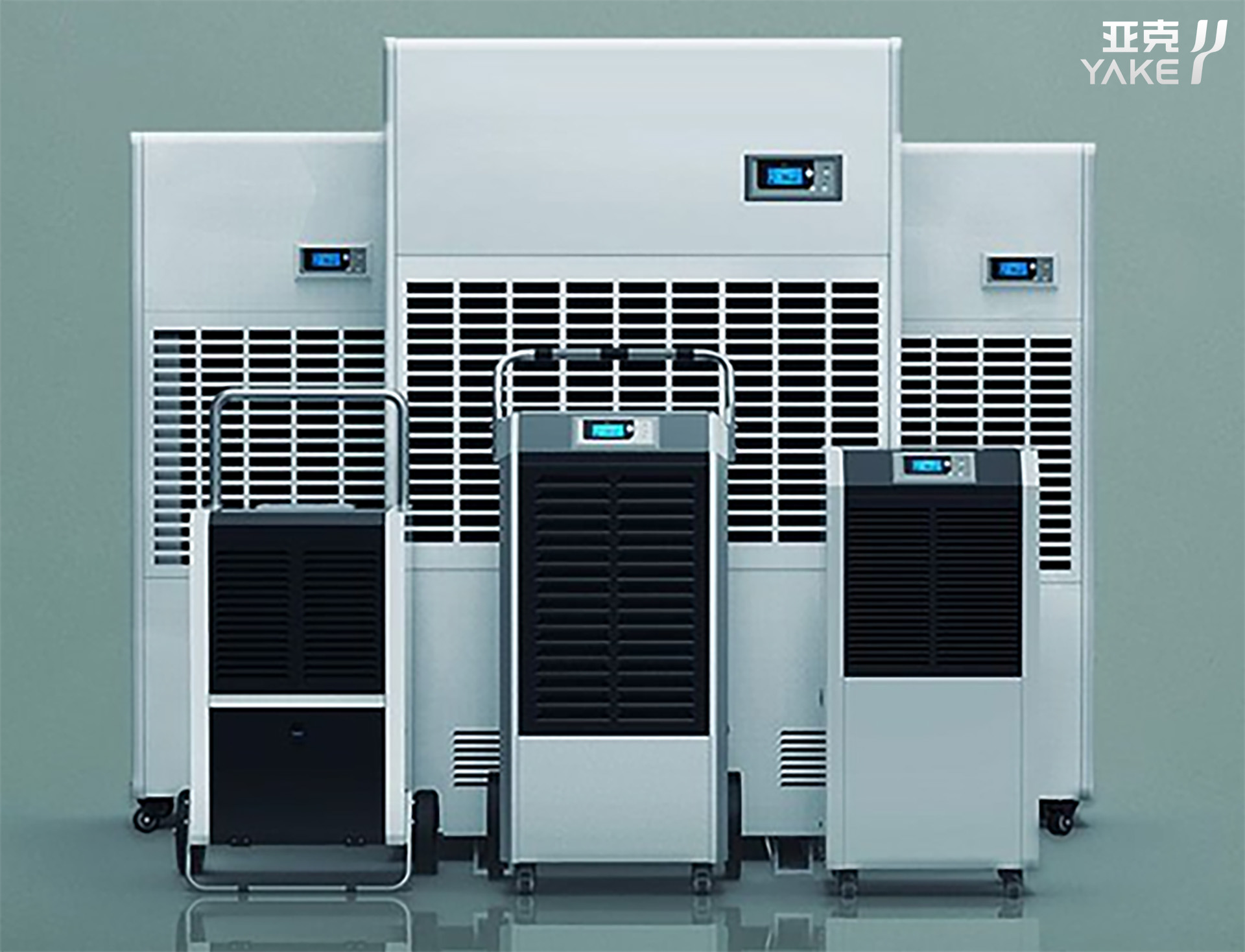
Contact us to find the best place to buy your Yakeclimate solution today!
Our experts have proven solutions to keep your humidity levels in check while keeping your energy costs low.