
Building 34, No. 535 Shunfeng Road, Hangzhou, Zhejiang, China
[email protected]
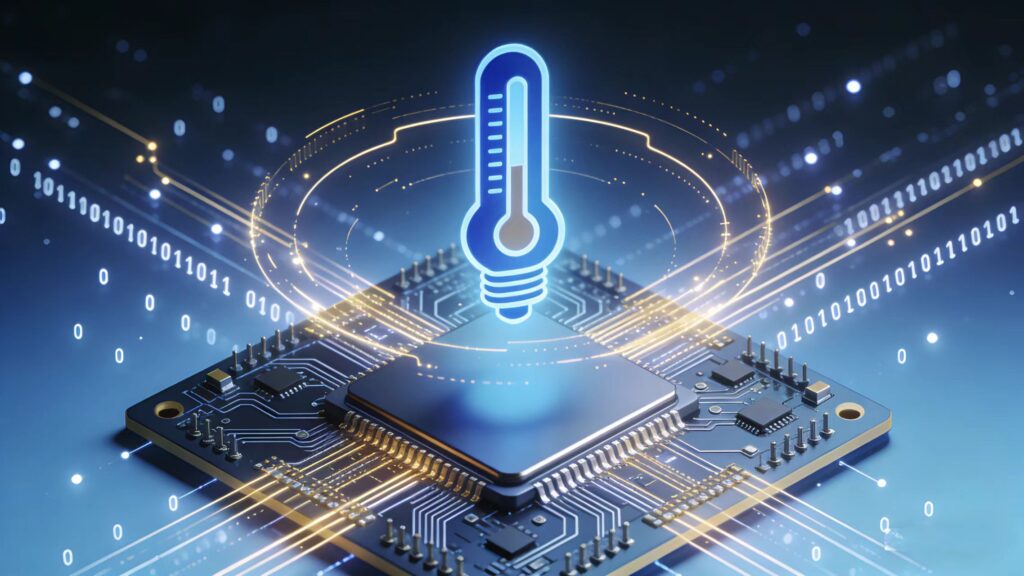

Microprocessor based temperature control systems take it a step further by using a tiny computer to monitor and adjust temperature in real time. These systems monitor the room or device temperature with sensors, then use the microprocessor to decide when heaters or coolers should be switched on or off. With rapid, consistent adjustments, they maintain temperature at a defined level, which conserves energy and safeguards machinery or agricultural produce. These systems perform effectively in indoor farms, laboratories, factories, and residences, providing greater control than outdated, manual systems. Upgrades are a breeze; new software or sensors can be integrated with little fuss. For growers and techies, these microprocessor based temperature control systems make climate control easy, intelligent, and consistent. The following section explains how these systems operate and their main advantages.

A microprocessor temperature control system is a smart setup that keeps temperatures steady using sensors, logic, and digital controls. You’ll see them in indoor farms, laboratories, factories, and even home HVAC systems. What makes them different is they monitor temperature change in real time and respond quickly to keep things where you like them.
| Component | Function |
|---|---|
| Sensor | Detects temperature, sends data to microprocessor |
| Microprocessor | Analyzes data, runs control logic |
| Control Algorithm | Decides changes to keep target temperature |
| Output Device | Applies changes (heating, cooling, fans, etc.) |
| Feedback Loop | Checks results, repeats cycle for steady control |
Microprocessor systems employ different types of sensors such as thermistors, RTDs, and thermocouples. Each has its own span, velocity, and price. These sensors convert heat into a tiny electrical current. The microprocessor reads this signal, informing it of how hot or cold it is. Selecting the appropriate sensor is crucial. A bad sensor leads to no steady temperature. Placement is critical as well. Placing sensors near hot or cold spots provides the most accurate reading.
The microprocessor is the intelligence. It compares it with the set point. It executes a control algorithm to determine whether things need to warm or cool. It’s especially important when things are changing fast. Speedier chips lead to less lag. Microprocessors can communicate with other intelligent systems, such as remote controls or alarms.
About control algorithms: this is the recipe your system uses to maintain a constant temperature. Easy ones could only switch issues.
About: What’s a Microprocessor Temperature Control System? Sophisticated ones adjust output in small increments, like a dimmer. Others employ predictive math to anticipate upcoming shifts. Tuning these algorithms matters. Inappropriate settings can cause a system to swing too much or respond too sluggishly.
Heaters, coolers, fans, and pumps are typical outputs. The microprocessor tells these when and how much to run. Relays and solid-state switches assist in dispatching power where it is needed. A microprocessor-controlled temperature system is designed to choose the right output so the system can heat up or cool down fast and save energy.
A feedback loop is simply the process of checking, adjusting, and then checking again. This keeps the system near the set temperature. If response lag or feedback is weak, temperature can drift. Real-time feedback and constant calibration catch minor shifts before they become major.
A microprocessor-based temperature control system delivers precise control and rapid response to a number of areas. This precision is about more than just cosiness. It’s about security, excellence, and ensuring it goes correctly. In labs, factories, and even homes, the stakes are high.
Manufacturing lines require set temperatures to maintain quality. A tiny drift can ruin lots, squander raw materials or induce expensive downtime. Electronics, food and plastics all require precise control. Abrupt changes can bend goods or trigger mechanical errors. Employees depend on these systems for security. Many companies have to deal with stringent ISO or HACCP regulations. If controls slip, products probably aren’t legally sellable. This is the case for auto parts, pharmaceuticals and semiconductors. Good systems assist firms in preserving energy by not overheating or overcooling.
Lab work requires constant temperature. For example, many biological tests, such as PCR or chemical reactions, will only function if the heat remains within a fixed range. If it shifts, outcomes can be inaccurate or items can be damaged. When labs test drugs, a slight swing in temperature can alter the outcome or render data useless. In pharma and biotech, living cells or proteins are extremely heat-sensitive. Every batch has to be identical. Systems trace and maintain heat for hours or days. This allows scientists to replicate experiments with confidence, anywhere.
For food safety, we rely on cold storage. If heat rises, spoilage and bacteria travel quickly. Air conditioning and heating require consistent regulation for comfort and well-being. Smart thermostats allow users to schedule times, monitor usage, and reduce waste on bills. These home modifications reduce expenses and increase coziness.
About: The Intelligent Control Algorithm Microprocessor-based computer control has become an important ingredient in modern temperature control systems. Instead of primitive controls based on set points and if-then logic, intelligent algorithms adapt in real time. They maintain temperature regardless of how conditions or loads fluctuate outside. These clever algorithms are quicker, process more data, and require less manual effort than rudimentary systems.
Old ways have static rules. Smart algorithms can learn from past trends and shape-shift. For example, they may adjust fan speed or heater settings in response to changes in humidity, the number of occupants, or sunlight through a window. This increases comfort and conserves energy.
Machine learning helps them identify patterns and anticipate future demands. If one room warms up when more people enter, the system can begin cooling before it becomes too hot. Learning from history helps tune the response. This means less overshoot and fewer swings in temperature.
Energy efficiency is a key advantage. Intelligent control algorithms minimize waste by aligning heating or cooling production with actual demand. That’s crucial for growers, factories, and offices where power bills pile up quickly.
On-off control is simple. Such systems toggle heating or cooling completely on or off to achieve a set point. It’s quick to install and inexpensive. For instance, a home thermostat may switch on the heater if it gets cold and switch it off when it’s warm enough.
It’s not seamless. Temperature swings between high and low limits waste energy and feel less comfortable. On-off control is fine in areas where cost is more important than precise control, like certain storage rooms or small greenhouses.
For fine-tuned tasks, on-off control frequently fails. It can’t maintain a tight range or react to changes rapidly enough.
Proportional control modifies the output based on how far temperature deviates from the set point. The greater the difference, the more heating or cooling is applied. If the room is barely off, it makes a small change. This curtails overshoot.
It keeps things more stable. You’ll encounter proportional control in labs, food processing, or server rooms where constant temperature is important. It can have a hard time with persistent minor errors, known as offset, unless paired with other techniques.
PID control combines three parts: proportional, integral, and derivative. Each component tackles a different angle of mistake. Proportional acts fast, integral erases steady errors, and derivative forecasts.
This combination provides precise control and immediate reaction. PID controllers require tuning to perform optimally. Tuning each component aids in fitting the system to the environment, such as a greenhouse with fluctuating sunlight or a data center with shifting loads.
PID is the workhorse. You see it in high-tech agriculture, process industries, and climate chambers.
Today’s temperature control systems are a long way away from dials and fixed setpoints. As growing spaces and industrial environments become more complex, microprocessor-based controllers now manage a blend of factors that old-school thermostats just can’t keep pace with. These systems combine sophisticated software, algorithms, and digital feedback to react to real-time changes, automatically refine settings, and anticipate future requirements. This transformation renders them valuable for factories, laboratories, vertical farms, or anywhere that temperature needs to be maintained both constant and cost effective.
Self-tuning indicates that the system is capable of modifying its own settings without human assistance. It determines the optimal method of maintaining the set temperature by observing the zone’s response. This reduces the trial and error and the requirement of manual switching.
A self-tuning algorithm observes how the system responds when it heats or cools. If it notices that the room heats up too quickly or cools off too slowly, it adjusts the control settings slightly. This prevents excessive temperature swings and long delays in response.
Less likely to break because they’re badly set. They consume less energy because they don’t overcorrect or waste heat. These are employed in high-tech greenhouses, labs, and factories where incorrect temperatures can spoil results or crops.
Adaptive logic allows a controller to modify its rules as the environment around it changes. It monitors what’s happening—people entering, doors opening, sun entering—and adjusts its operation to maintain equilibrium.
Adaptive systems look back over time to see what worked and what didn’t. They learn from errors, so the next time there’s a shift, they know how to get the space back at temperature more quickly.
That’s excellent for large, active spaces where heating or cooling demand is continuously changing. In massive indoor farms, for instance, adaptive logic maintains plant growth on trajectory even if exterior climate bounces up and down. It’s hard to layer adaptive logic onto legacy systems. Sometimes, the hardware or software simply can’t keep up.
Forecasts employ data and mathematics to estimate where the temperature will go next. They observe patterns such as the speed of heating when lights are switched on and strategize in advance to prevent significant fluctuations.
With predictive control, your system can warm up or cool down before things go crazy. This helps maintain stable conditions, conserves energy, and prevents bursty spikes that consume extra energy.
When embedded in control systems, such models collaborate with real-time sensors and historical data. This allows them to operate air handlers or chillers only when necessary. For most indoor farms, their predictive models keep plants in the right range while consuming less electricity.
The big win here is less wasted energy and more refined control, which scales nicely to places that have strict climate policies or want to save on their power bills.
Nothing is more important to a reliable microprocessor based temperature control system than selecting the right microprocessor. Your selection of microprocessor has an immediate impact on the task handling efficiency, sensor compatibility, and scalability of your system. Key considerations for your choice are outlined in the table below.
| Factor | Description | Example |
|---|---|---|
| Processing Power | Speed and ability to run control code | 32-bit ARM Cortex |
| Memory | Space for data, code, and logs | 1 MB SRAM |
| Input/Output | Ways to connect with sensors and other devices | 16 GPIO pins |
| Power Efficiency | How little energy the chip uses | Low-power sleep modes |
| Scalability | Ease of upgrading for new needs | Modular architecture |
Processing power is how fast and robust a microprocessor is at executing control rules. High processing power allows the system to monitor sensor data rapidly, respond to rapid changes, and deploy sophisticated control techniques such as PID or fuzzy logic. Temperature control systems in labs or industrial sites frequently require this additional power.
More processing power means you can run more complex code, which helps if you want things like self-tuning or machine learning. There’s a trade-off: faster chips often use more energy. For little rigs, simple 8-bit chips could work fine, but large commercial installations might require a 32-bit processor.
Begin by correlating the processor’s speed to your system requirements. If you anticipate loads of sensors or high-speed data, seek out higher clock speeds and more cores.
Memory is crucial for storing not only program code but data records. More memory allows you to log longer, store more sensor values, and execute larger programs. For sophisticated temperature control, you might want to preserve historical temperature data to optimize your settings. Too little RAM results in sluggish, stuttery operation.
You need enough RAM to keep up with real-time data logging. For instance, greenhouse control commonly requires continuous updates and small memory can result in data loss. If you plan to upgrade your system down the road, select a processor that allows you to easily add more memory. This maintains your system’s utility as your requirements expand.
I/O are the pins and ports that allow your microprocessor to communicate with sensors, heaters, coolers, and displays. More I/O options allow you to connect more devices or experiment with new ones down the road. Good I/O support is essential for interfacing with digital and analog temperature sensors or relays.
System compatibility is a matter of matching the sensor types and voltages. Versatile I/O—such as UART, SPI, or I2C—allows you to sneak in additional modules without major modifications. For most users, a plain display or button panel simplifies daily use. Select a microprocessor that supports your favorite user interface for easy configuration and monitoring.
Microprocessor based temperature control systems have become a crucial component across several industries, from indoor farms and food processing to data centers and clean rooms. There’s no question that upgrading from older analog or relay-based controllers delivers real advantages for plant managers and anyone seeking to reduce cost, increase reliability, and remain prepared for new requirements.
Contemporary units employ microprocessors to monitor and adjust temperature more judiciously. They can optimize energy consumption by switching on heating or cooling services as necessary. This eliminates waste and maintains an even flow in the system.
A huge factor in lower running costs is less energy. For large indoor farms and warehouses, even a small dip in power bills makes a huge difference at year end. Statistics indicate that sites converted to microprocessor-based systems saved 10 to 25 percent in total energy. A tomato greenhouse in Spain, for instance, saw a 15 percent decline in energy bills following its upgrade.
What new controls get you that old units don’t. They will still be able to do self-checks, catch early errors, and switch gears as the day turns. Certain systems permit you to establish plans for night, day, or crop. All of which leads to healthier crops, less labor for your staff, and more control over the entire operation.
Reliable temperature control means less downtime. Microprocessor systems employ sensors to detect concerns before they escalate. That’s less risk of a complete blackout.
Downtime is a huge issue in food storage and indoor farming. If a cooling unit goes down, you can lose your crops or inventory. With smarter controls, alerts fire off as soon as an issue starts. Staff can intervene before it’s too late.
Self-diagnostics are integrated in most new systems. They monitor performance live, recording data for subsequent inspections. Armed with this data, squads can schedule repairs before minor problems become major. Long term, this translates into reduced repair bills and reduced lost product.
Future-proofing is about preparing for change. Tech moves fast, so it’s savvy to select systems that can scale with you. Microprocessor-based units frequently permit software updates, so new features can be added without changing hardware.
A lot of the newer controllers are modular. You can add sensors or outputs as your needs evolve. This matters when regulations or benchmarks move or you want to grow your business.
Easy upgrades make scalable systems less costly. You don’t need to rebuild from scratch every few years. Instead, you develop what you’ve got, integrating components as necessary.
Microprocessor temperature control systems provide growers innovative options to protect crops. These systems monitor real-time information and react to minor fluctuations quickly. That stabilizes temperatures and assists in increasing plant photosynthesis. The simplest controls and the smartest sensors make work simple for new and master growers alike. Switching to these systems translates to less waste, better yields, and more control in any climate. On a lettuce farm or in a flower house, results come fast. Precision instills bold decisions and reduces risk. For more consistent crop quality and consistent results, check out a microprocessor based system. For additional guidance or assistance identifying the perfect fit, contact us to discuss the ideal solutions for your configuration.
For example, a microprocessor based temperature control system provides accurate and dependable regulation for different settings and uses.
Precision for stable temperatures safeguards equipment, increases energy efficiency, and maintains product quality in businesses such as manufacturing, food processing, and healthcare.
A smart control algorithm processes temperature data in real time. It controls heating or cooling devices in an automated way to achieve the desired temperature with minimal variation.
Upgrading provides improved precision, lower power consumption, and simplified monitoring. It supports automation and remote access for added convenience and safety.
Think processing power, sensor compatibility, connectivity, and programming ease. Match the microprocessor’s capabilities to your temperature control requirements.
Sure, the fancy ones have multiple zones, support complex scheduling, and integrate with other building or industrial automation systems for larger scale control.
Yeah, they fit any climate and standard in the world. Most can be set up for different voltages and sensor types, so they should work anywhere.


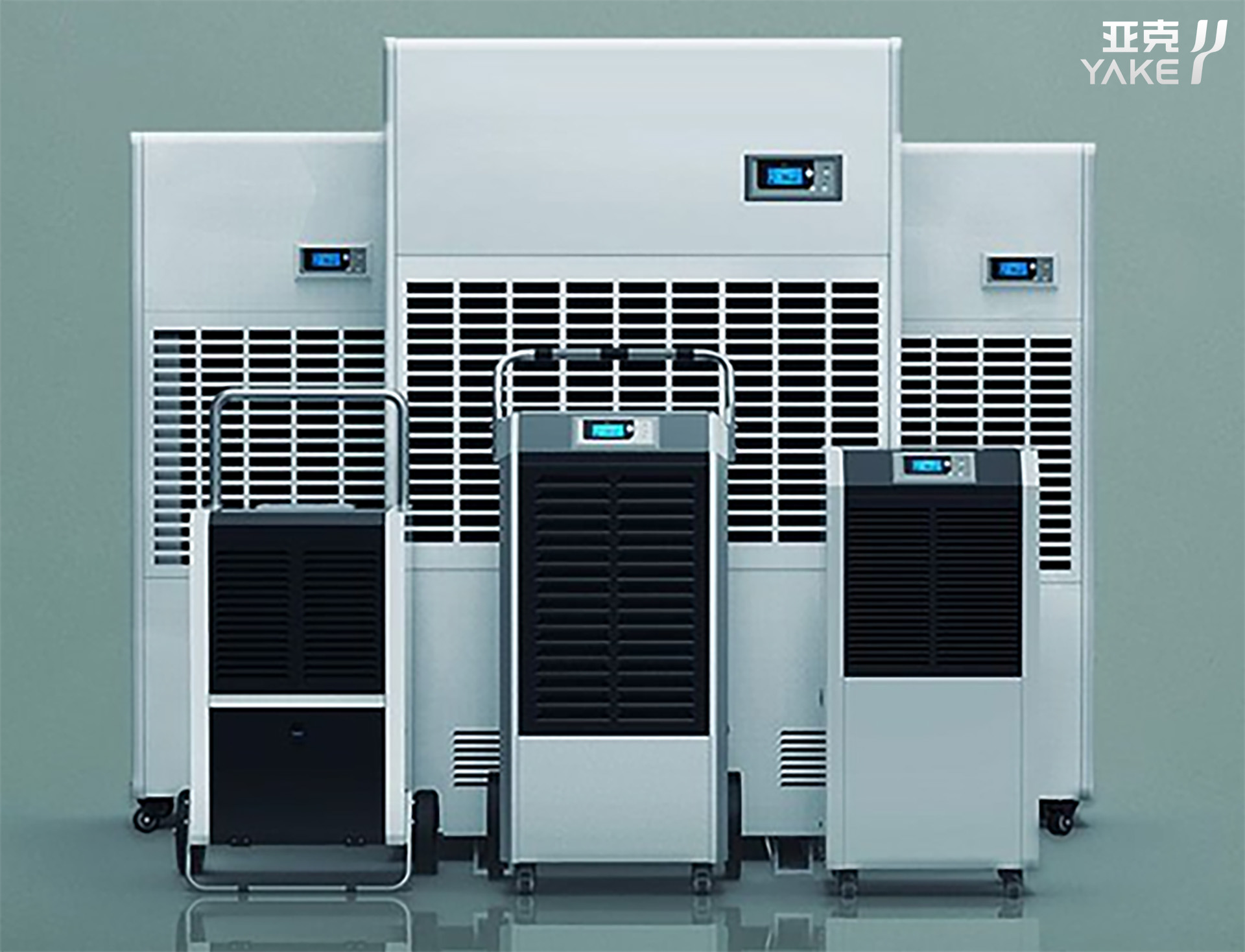
Contact us to find the best place to buy your Yakeclimate solution today!
Our experts have proven solutions to keep your humidity levels in check while keeping your energy costs low.