
Building 34, No. 535 Shunfeng Road, Hangzhou, Zhejiang, China
[email protected]


Long-duration energy storage solutions store electric or thermal energy for multiple hours, days, or seasons to help balance supply and demand with greater stability. They sit alongside solar, wind, and other intermittent sources to stabilize power quality and reduce curtailment. Technologies include pumped hydro, compressed air, flow batteries, hydrogen, and thermal storage in molten salts. All have trade-offs in round-trip efficiency, cost per kWh, siting limits, and safety. For industrial users and massive grids, the takeaways are grid flexibility, reduced peak demand, and more efficient use of low-cost renewable power. The following sections analyze types, use cases, and design decisions in depth.
When we say long-term energy storage, or LTES, we mean solutions that can store energy for 10 or more hours and discharge it when output falls, typically from solar or wind. It is this change in timescale that converts variable renewables into firm power that plant teams can schedule around.
LTES sits at the center of grid reliability. Short batteries that cover 1 to 4 hours assist with rapid response but not long gaps like a full evening peak following a cloudy day. We can at least agree that 8 to 24 hour storage serves a different demand than systems designed to operate for several days or seasons. For most regions in the next decade, the real pinch point is in those 8 to 12 hour shortfalls. This is the window in which factories, cold rooms, and humidity-controlled spaces must remain online and in spec even when the grid is stressed.
By storing excess solar at mid-day and wind at night, long-term storage makes greater renewable shares feasible. It moves entire chunks of energy, not just fleeting pulses, transforming a solar plant into a load-following dispatchable unit. That’s a game-changer because it means a plant can run paint lines, cleanrooms, and dehumidifiers overnight on stored solar from the day instead of ramping gas turbines. That same asset can provide frequency regulation, voltage support, and load shifting. Gas plants can do some of this, but they’re slower, less flexible, and less valuable for tight grid control.
This is why LTES reduces the requirement for fossil backup at peaks and during outages. In numerous systems, multi-day or seasonal storage might never be needed at scale, but 10-hour class storage is already critical to a low-emission, stable grid. Long-duration storage is primarily a capital cost up front, with low operating costs and zero fuel cost swings, so it often depreciates better on the books than gas units associated with volatile fuel markets. That cost stability lines up with industrial goals: predictable energy spend, fewer shutdowns, and steady climate control that protects product and equipment while meeting tighter carbon rules.
By long-term energy storage, sometimes known as long-duration energy storage (LDES), I mean systems that can store and discharge energy not just for minutes, but for hours, days, or even weeks. In most definitions, that starts above 4 hours and often runs to 12 hours or more, with three rough bands: mid-duration (4 to 10 hours), long-duration (10 to 24 hours), and multi-day (over 24 hours). These systems come in when solar and wind output is low for extended periods so that large industrial loads and grids can continue running on clean power instead of reverting to fossil backup.
Key LDES technology families include:
Short-duration lithium-ion systems are great for 1 to 4 hour tasks like peak shaving. LDES adds another layer. It shifts whole blocks of energy across days, smooths long weather events, and offers grid services such as load shifting, frequency regulation, and voltage support at scale. Costs remain capital-heavy and frequently above short-duration batteries for quick markets, but prices are dropping as projects scale. LDES’s function in clean energy transitions and grid modernization is escalating quickly in all primary areas.
Mechanical storage includes pumped hydro, gravity, and CAES. Pumped hydro transfers water between two reservoirs situated at varying elevations, harnessing excess electricity to pump uphill and produce energy as the water descends through turbines. Gravity systems lift blocks or weights and then let them down to recoup energy. CAES stores air underground in caverns or pressure vessels and expands it later through turbines.
These solutions scale well to hundreds of megawatts and gigawatt-hours. They have long track records at utility scale, particularly pumped hydro, which still represents the majority of the globe’s installed storage capacity. They provide extremely high storage capacity and cycle life, spanning decades of use with minimal degradation.
Relative to most battery systems, mechanical storage is a better fit when you require bulk, long-duration storage connected to robust grid infrastructure, abundant land or compatible geology. For industrial users that sit near such assets, they can anchor long-term power contracts, while batteries handle shorter, fast-response work within the plant.
Thermal storage stores energy as heat or cold. Typical systems consist of molten salt tanks at solar plants, hot water pits for district heating, and chilled water or ice storage at large buildings and industrial sites. When there is off-peak energy or high renewable output, the system charges by heating or cooling a medium. After charging, it discharges by providing process heat, steam, or chilled water.
In concentrated solar power plants, molten salt stores high-temperature heat so turbines can keep spinning long after the sun has set. In industry, chilled water or ice tanks displace chiller loads from peak tariff windows, reducing electricity costs and pulling stress off the grid.
Thermal storage often boasts low material cost, decades of life, and negligible degradation after thousands of cycles. It’s frequently among the lowest-cost long-duration options, particularly when the end use happens to be thermal already, like drying, curing, or HVAC in humidity-sensitive areas.
When coupled with renewables, thermal systems boost overall efficiency. For instance, a plant can operate high-efficiency chillers when wind output is robust overnight, store the cold, and then utilize it during scorching day shifts. This enables fine humidity control for coating lines or cleanrooms.
Chemical storage includes hydrogen, ammonia, methanol, and other synthetic fuels from excess electricity. Power-to-hydrogen uses electrolysis to break apart water. The hydrogen can be stored in tanks or caverns and then deployed in fuel cells, gas turbines, or industrial burners. Power-to-fuels implants carbon, typically from captured CO₂, to make liquid or gaseous fuels.
This route converts surplus renewable power into a portable, storable form. It can then serve both the power sector and hard-to-electrify sectors like heavy transport or high-temperature process heat. A steel plant, for instance, could someday be powered by hydrogen made off-site when wind power is abundant.
The compromise is efficiency and infrastructure. Every conversion step from electricity to hydrogen, hydrogen to fuel, and fuel back to power wastes energy, and new pipelines, storage, and safety systems are required. Yet for multi-day or seasonal storage and for cross-sector coupling, chemical routes are among the few technically realistic options.
Electrochemical storage spans lithium-ion, sodium-ion, flow batteries, and nascent chemistries such as iron-air or zinc. Lithium-ion dominates today and experienced cost declines of over 80% in the last ten years. This is why 1–4 hour battery systems now populate many grids and industrial sites.
For genuine long-duration, flow batteries and iron-based batteries are notable. Flow batteries hold energy in liquid electrolytes in external tanks, meaning you can size power and energy separately and cycle them many thousands of times with low degradation. Iron-air and other such chemistries sacrifice round-trip efficiency to achieve extremely economical cost per kilowatt-hour at 10 to 100 hour durations.
Research into materials, cell structure and recycling is underway to extend lifespan, minimize raw material risk and lessen mining and disposal’s ecological footprint. This work is crucial for large industrial campuses seeking on-site storage without getting stuck in brief tech cycles.
Electrochemical systems still have the most modularity and scalability. They can stack from kilowatts to hundreds of megawatts and be sited near loads and packaged with controls that enable them to provide fast response, backup power, and longer duration demand shifting that synergizes well with humidity-sensitive production and next generation dehumidification units.
This section compares the long-term storage options based on price, efficiency, lifetime, and footprint, then connects them back to actual plant requirements and local grids.
| Technology | Cost (CAPEX, €/kWh) | Round‑trip Efficiency | Lifespan / Cycle Life | Environmental Impact (qualitative) |
|---|---|---|---|---|
| Pumped hydro | 20–50 | 70–85% | 40–80 years, high cycles | Low–medium, land and water use |
| Li‑ion batteries | 50–100 | 85–95% | 500–1,500 cycles | Medium–high, mining and disposal |
| Flow batteries | 80–200 | 65–80% | >10,000 cycles | Medium, chemistry dependent |
| CAES / liquid air / gravity | 20–80 | 40–70% | 20–40 years, high cycles | Low–medium, site dependent |
| Hydrogen (power‑to‑power) | 100–300 | 30–45% | 20+ years, stack dependent | Medium, tied to H₂ source |
| Thermal storage (heat/cold) | 10–50 | 40–75% (system level) | 20–40 years | Low, common materials |
From an industrial standpoint, mature systems such as pumped hydro or CAES are appropriate for grid-scale, multi-hour to multi-day balancing where land is available and response within seconds is acceptable. These novel flow batteries, gravity systems, and liquid air provide modular siting and long-duration storage with no huge dams or caverns. For plants that already chase stable humidity, power quality, and uptime, the real choice is often a blend of fast Li-ion or flywheels for sub-second events, and long-duration assets upstream in the grid. IYakeclimate joins this stack by reducing HVAC loads with highly efficient dehumidifiers, reducing necessary storage in size and boosting project economics for utilities and industrial campuses.
Capital costs drive most decisions. Pumped hydro, gravity systems and some CAES designs hover near 20 to 50 euros per kilowatt-hour at scale. Lithium-ion typically hovers in the vicinity of 50 to 100 euros per kilowatt-hour, while flow and hydrogen are often clearly higher per kilowatt-hour but appreciate at duration.
| Technology | Typical CAPEX (€/kWh) | Main Cost Drivers |
|---|---|---|
| Pumped hydro | 20–50 | Civil works, permitting |
| Li‑ion batteries | 50–100 | Cells, power electronics, housing |
| Flow batteries | 80–200 | Electrolyte, stacks, tanks |
| CAES / liquid air | 20–80 | Turbomachinery, cavern/tank works |
| Hydrogen storage | 100–300 | Electrolyzers, tanks, turbines/FCs |
| Thermal storage | 10–50 | Tanks, insulation, heat exchangers |
Costs decline as gigafactories ramp and learning curves mature and new chemistries reduce material consumption. Solid-state cells and low-cost mechanical concepts drive prices even lower. For large scale deployment, storage needs to not only outcompete the price of grid expansion or diesel backup, but comply with on-site reliability and safety requirements. That’s why plant teams couple storage with demand cuts, like high-efficiency dehumidification, not sizing storage in a vacuum.
Round-trip efficiency is energy out divided by energy in. It indicates what percentage of input energy is converted into useful output after all processing.
Li-ion batteries top at 85 to 95 percent round-trip efficiency. Pumped hydro typically operates at 70 to 85 percent. Flow batteries come in at around 65 to 80 percent. Thermal, liquid air, and CAES can be anywhere from 40 to 70 percent, depending on what degree of waste heat or cold is reused. Hydrogen power to power is often down at 30 to 45 percent.
Losses are from pumps, compressors, inverters, heat rejection, and degradation over time. Bad controls and poor part-load operation hurt even more. Better materials, smarter controls, and good integration with HVAC and process loads increase system-level efficiency. When a plant cuts latent loads via exact dehumidification, it bypasses the need to over-size storage and inverters, which boosts the effective efficiency of the entire power-climate system.
Cycle life is what drives total cost of ownership. A less-efficient asset with over 10,000 cycles can beat a high-efficiency asset that fails early. Long-life systems eliminate waste and raw material need. For industrial campuses, this aligns with the same logic used for high-end HVAC and dehumidifiers: invest once in long-life kit, keep it serviced, and spread the cost over many years of stable output.
Environmental impact related to land use, water, materials, and end-of-life. Pumped hydro and gravity, like most energy storage solutions, rely on readily available materials and generate low operational emissions. They require space and careful siting. Lithium-ion brings mining, solvent, and disposal issues, although recycling and second-life usage is getting better. Flow batteries, compressed air energy storage, and liquid air tend to use more benign materials, but designs vary, so chemistry and sealing matter.
Recycling and the use of recycled metals and plastics are rapidly increasing trends. Solid‑state cell work seeks to enhance safety and cycle life with less flammable material. On the social side, dependable long‑duration storage enables cleaner grids, fewer outages, and steadier power for plants, hospitals, and cold chains. Safety planning is key, including gas detection for hydrogen, pressure relief for CAES and liquid air, and fire systems for batteries.
Long-duration energy storage is now sharing the risk space conversation with power quality, backup generation, and climate control. For plants that already optimize humidity and temperature, LDES is quickly becoming another essential resilience technology both within the fence and at grid scale.
LDES supports grids to ride through long wind and solar gaps, such as multi-day wind lulls or cloudy stretches, rather than relying on peaker plants alone. Technologies like pumped hydro, compressed air, and flow batteries can cover 8 to 12 hour reliability shortfalls, transforming mid-day solar surpluses into firm, dispatchable power that backstops evening peaks.
Storage further serves as a buffer when the grid is stressed. In dominant storage states, batteries have already demonstrated their worth in avoiding blackouts by discharging into vulnerable nodes, supporting critical transmission corridors, and buying operators valuable time to re-route flows. A key shift is scale: in 2016, the U.S. Installed about 257 megawatts of batteries with less than 1.5 hours average duration. By 2024, this grew to roughly 12,300 megawatts with more than 3 hours duration, a sign that systems are now sized for real contingency coverage, not just short spikes.
On top of bulk energy, LDES bundles ancillary services. Plant teams see this as fast, software-driven “grid conditioning”: frequency regulation, voltage support, spinning reserve, and load shifting from off-peak to peak. State procurement mandates, like up to 2,000 MW of medium- and long-duration storage by 2037, take that further and make LDES a planned part of grid reliability, not a side project.
In plants, long-term storage is a local defense. When the grid sags or trips, a well-sized battery or hybrid system can keep those compressors, chillers, dehumidifiers, and cleanroom HVAC online long enough for a safe, controlled response. That slashes scrap, restarts, and unplanned downtime.
High-load sites with lumpy cycles, such as paint shops, batch pharma, and cold chains, leverage storage to shift a portion of their demand out of peak tariffs. They charge during off-peak hours or when on-site solar is robust, then discharge during high-tariff windows or when demand charges spike. Over time, this can even out load profiles and open up budget for other reliability improvements like higher-spec climate control.
LDES underpins decarbonization plans. By firming on-site renewables and reducing run hours for diesel or gas backup sets, storage lowers scope 1 and 2 emissions tied to power use. For operators under strict environmental regulations, this assists in aligning internal energy strategy with business climate goals without sacrificing process stability.
For grids and large campuses, renewable integration is where long-term storage flips the planning model. Excess mid-day solar or off-peak wind that once got curtailed can now be stored and later dispatched into the evening ramp or into night-shift loads, increasing the usable share of installed renewables. This reduces unproductive creation and drives project economics for both utilities and direct offtakers.
LDES is on display, helping to meet renewable portfolio standards and national clean energy targets. By managing oversupply and extended-duration deficits, storage allows system planners to plan for much greater renewable penetration before encountering stability limits. It reduces curtailment, supports stable frequency and voltage, and provides system operators additional levers in those once in a decade or even once in a lifetime weather-driven events.
For industrial users connected to these grids, the advantage manifests as reduced voltage sags, less noisy power for delicate drives, and more stable rates over time. That same precision-driven mindset of dry stability that powers humidity control now pervades how energy is stored, shifted, and dispatched throughout the entire value chain.
LDES lies at the heart of dependable, low-carbon grids, yet deployment trails the demand. Gaps in policy, weak investment signals and grid constraints hamper projects that could reduce curtailment, back up renewables and enable net-zero plans.
Policy tends to view storage as an appendage rather than as a form of core grid capacity. That leaves revenue streams uncertain and project pipelines sluggish. Having clear rules that classify LDES as a grid asset with distinct roles in capacity, flexibility, and resilience markets gives operators the comfort to ink multi-year offtake agreements and design systems for 10 to 100 hours, not just daily cycling.
State or national storage mandates assist in moving from pilots to scale. Procurement targets linked to system requirements, for example, “X GW / Y GWh of LDES by 2030,” urgently push utilities to procure multi-day and seasonal storage, not just lithium-ion peakers. This is critical as the industry targets cost goals around 20 USD per kWh by 2030 for bulk storage.
Public R&D funding still matters. LDES has real technical issues including low round-trip efficiency in some chemistries, material durability, and the need for cost-effective, scalable formats that can run safely for decades. They’re programs backing field trials of flow batteries, thermal storage, and compressed air in caverns, which accelerate learning curves and reduce risk for private capital.
Policy should remain connected to grid reliability and decarbonization. LDES reduces curtailment during low demand and high renewable output, so low-carbon power is fully utilized rather than dumped. That role underpins both security of supply and net-zero targets toward mid-century, and it warrants explicit recognition in planning norms and market design.
These LDES projects necessitate capital intensive upfront costs, protracted build times, and paybacks that extend well beyond a decade. That mix can stymie financing even as storage prices decline. Lithium-ion prices fell roughly 88% between 2010 and 2020, yet most LDES formats remain earlier on their cost curves. At the same time, one of LDES’s biggest barriers is financing the broader transition to net-zero, particularly in markets with poor credit or volatile regulation.
De-risking the cash flow lies at the heart. With long-term contracts, well-defined capacity payments, and predictable ancillary-service revenues, LDES becomes an infrastructure-like asset class that pension funds and other long-horizon investors can support. Blended finance, including public guarantees, green bonds, and concessional tranches, can bridge first-of-a-kind projects until technology risk and construction risk come down. Innovative deployment models, such as storage-as-a-service contracts with performance guarantees, can assist utilities and large industrial users in adopting LDES solutions without shouldering all capex on day one.
Collaboration among utilities, investors, and technology providers squeezes the economics. By co-designing duty cycles, sizing, and siting with grid operators, we avoid overbuild and align project economics with real system needs.
Grid hardware and siting rules often lag behind LDES needs. Many promising technologies depend on specific conditions, such as suitable topography for pumped hydro, deep salt formations or mined caverns for compressed air, and large brownfield sites near transmission for thermal storage. To do this, we need modern transmission and flexible interconnection standards. Otherwise, even robust LDES projects can languish in queues.
Modernizing transmission and distribution systems allows storage space to serve as a system resource, not merely a local reserve. Reinforced substations, higher-capacity lines, and protection schemes enable multi-GW LDES fleets to shift energy across regions and seasons, which is critical when more variable renewables strain the grid.
Permitting and siting can be as determinative as the technology. The courage to change. Clear timelines, transparent environmental rules, and early community engagement reduce the risk of multi-year delays. Where industry already runs large sites, such as refineries, steel plants, and battery factories, co-locating LDES with existing infrastructure can reduce both soft and hard costs and enable on-site energy management, including precise humidity and climate control for sensitive processes.
Digital tools close the circle. Smart grid platforms, high-resolution forecasts, and advanced dispatch algorithms enable operators to leverage LDES to firm wind and solar, smooth industrial loads, and shield power-quality-critical assets. These very same tools assist in orchestrating international R&D and operations information, which is required if LDES is to enable global net-zero objectives.
Long-duration energy storage lurks in the background of the grid. Its economic ripple effect spreads across entire geographic regions, supply chains, and labor markets in very tangible ways.
Consider the hidden economic multiplier impact of long-duration energy storage—the jobs and local economies fueled by new projects and manufacturing. Because large LDES projects are capital-heavy builds, they attract long project teams, local civil work, and long-term operations roles. One 200–500 MWh installation can sustain years of work for engineers, electricians, welders, controls technicians, and the local firms that build land prep, access roads, and grid interconnects. With a worldwide cumulative investment horizon of roughly USD 1.7–3.6 trillion by 2040, this is not a specialized build-out. Areas that can attract storage component factories—tanks, pressure vessels, power electronics, HVAC and dehumidification units—cement higher-value work in engineering, machining, and quality assurance. For industrial users, that local base simplifies maintaining talented employees on-site who can service dehumidifiers, chillers, and other climate systems connected to the storage plant.
Explain how storage can lower your total energy costs and create more energy equity for consumers. LDES moves low-cost, off-peak or surplus renewable energy into the hours where prices are high. At system scale, that can unlock some USD 540 billion in annual savings for a net-zero grid by slashing curtailment, preventing peaker plants, and softening grid upgrades. Once wholesale volatility falls, industrial tariffs often ease as well, supporting cost planning for process lines, cleanrooms, and paint shops that have to run at specific humidity and temperature. Long storage durations reduce the necessity of starting up diesel backup or gas boilers during price spikes, which is critical for smaller plants and utilities that provide to low-income consumers.
Emphasize the part storage plays in innovation ecosystems and enabling domestic energy production. LDES drives new chemistries, thermal cycles, and mechanical designs. These systems frequently require precise control of moisture, temperature, and corrosion, so they attract control-system vendors, advanced coatings, and industrial dehumidifier manufacturers to co-develop more durable, efficient balance-of-plant. Global storage investment soaring from USD 460 million to USD 4.7 billion in seven years highlights the rapid scale of this ecosystem. While LDES remains capital-intensive and not yet price-fit for short-duration slots against lithium-ion, its edge blooms in 8 to 100 hour ranges, where firm, dispatchable output lets countries lean more on local solar, wind, hydro, and even surplus industrial heat. That retains more energy dollars within our national borders and cultivates local expertise in grid operations and equipment maintenance.
Highlight the national energy security and competitive advantage gains of long-term storage.
Long-term energy storage now occupies the heart of a resilient low-carbon grid. Not as a buzz concept, but as an actual toolkit that addresses supply, price, and risk gaps.
From flow batteries in remote mines to thermal storage at food plants, the evidence is already appearing in day-to-day operations. Plants operate with less downtime. Grid stress falls during peak demand periods. Power bills become less erratic from month to month.
For plant teams and grid planners, the forward path remains crystal clear. Map your load profile. Identify holes that persist for more than a couple of hours. Then align those gaps with an appropriate storage solution, not a style. Want a second on that match? Contact a reputable storage vendor and pressure test the figures.
Long-term energy storage solutions can include storage from hours to several months. They’re beyond daily battery storage. They are technologies like pumped hydro, compressed air, hydrogen, flow batteries, and thermal storage. They seek to seasonally balance demand and enable a reliable, low-carbon power system.
Long-term storage manages wind and solar variability over days and seasons. It assists in keeping the grid steady when output declines. That decreases curtailment, enables more renewable shares, and less reliance on fossil backup plants, cutting both emissions and future energy costs.
Lithium-ion batteries, as we’ve discussed, are great for short-term storage, typically up to a few hours. Long-term solutions emphasize duration and capacity as opposed to fast response. They might be slower to discharge, but they can store massive amounts for days, weeks, or even months.
Major challenges are that there’s still a high upfront cost, uncertain market rules and long permitting timelines. Some projects have technology risks and struggle to find financing. Stable policies, improved grid planning and supportive regulations are critical to scale these solutions in a safe and affordable manner.
Power utilities, heavy industry, data centers and large commercial sites benefit the most. They require dependable power through extended blackouts or seasonal transitions. Long-term storage can reduce energy expenses, boost resilience and advance company climate objectives across these energy-hungry industries.
By storing cheap surplus energy and releasing it during peak demand, long-term storage can help smooth price spikes. As this plays out over time, it can reduce average wholesale prices, cut the requirement for costly backup plants, and make electricity markets more efficient and less volatile for users.
Others, like pumped hydro and compressed air, have decades of operating history. Newer alternatives such as advanced flow batteries and hydrogen storage are being actively tested through pilot projects. Safety relies on robust engineering standards, oversight, and cautious site-specific planning.


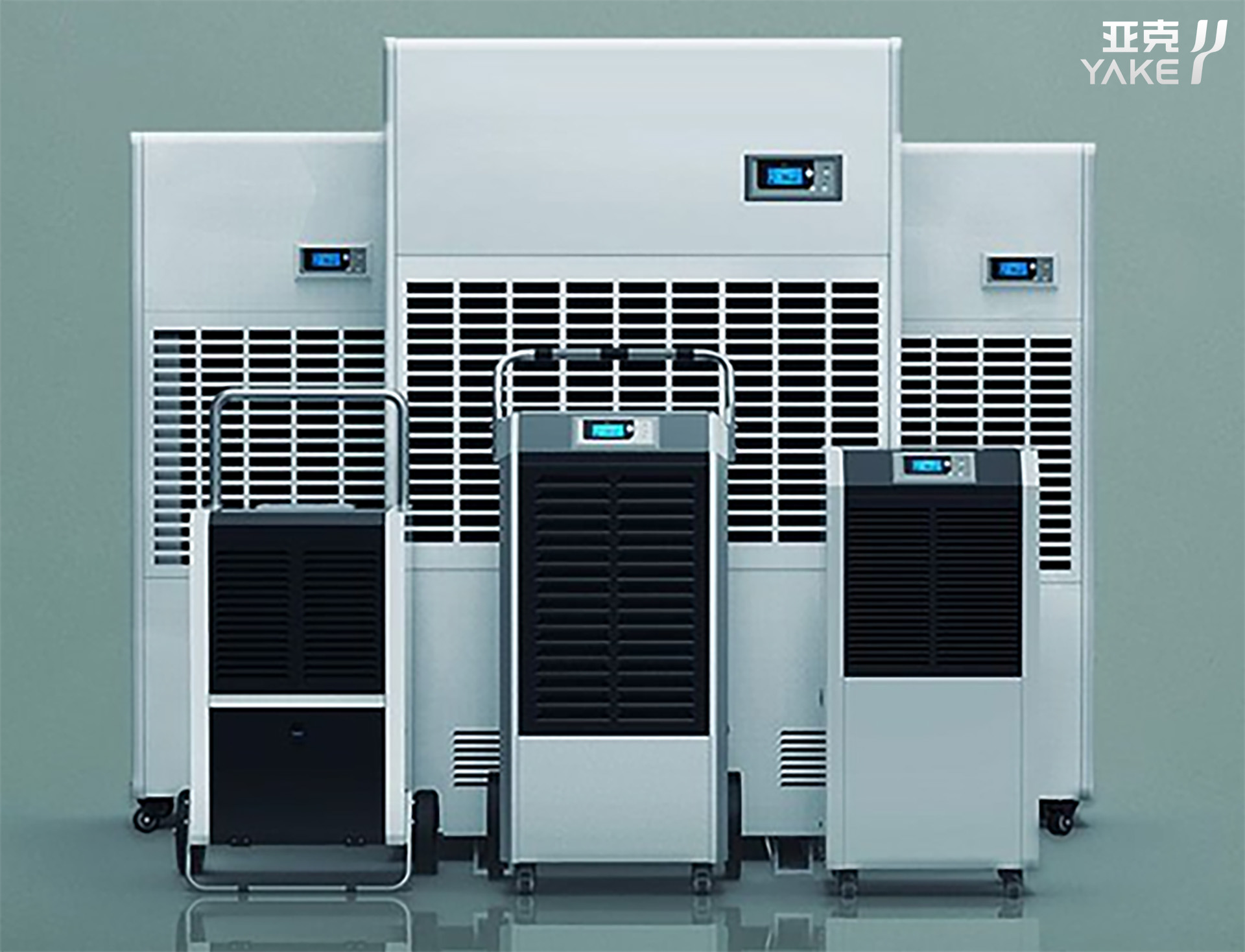
Contact us to find the best place to buy your Yakeclimate solution today!
Our experts have proven solutions to keep your humidity levels in check while keeping your energy costs low.