
Building 34, No. 535 Shunfeng Road, Hangzhou, Zhejiang, China
[email protected]


An industrial ridge vent is a roof ventilation system located at the peak of a facility to allow hot, moist air to escape. Used in factories, warehouses and workshops, ridge vents take advantage of the natural ascension of warm air to stabilize inside climates. Proper roof venting assists in reducing heat, minimizing moisture, and preventing the formation of rust or mold. These vents require no power and are compatible with the majority of roof styles. At numerous locations, ridge vents aid in maintaining production protection, equipment dryness and personnel comfort. They reduce energy bills by releasing heat out the top. In the following sections, learn how selecting the proper ridge vent can resolve typical air and moisture problems in contemporary factories and plants.

Industrial ridge vents are essential to maintaining big buildings safe, cool and dry. They embrace the natural ascension of hot air to exhaust heat, ensuring spaces remain at consistent, safe temperatures. These vents exhaust stale air and supply fresh air, minimizing the hazards from fumes or excessive moisture. In doing so, they assist in reducing energy costs and making work environments safer for individuals and equipment. Ridge vents perform optimally when sized and installed for the requirements of each crop, with durable, weather-resistant configurations that endure in harsh environments.
Ridge vents slash temps in industrial spaces, occasionally reducing it by 30°F (17°C). Hot air coming up gets a quick exit through the vent at the roof barrier. This prevents heat build-up, a major hazard for industrial facilities with heavy equipment or high ceilings. With less heat trapped, less strain is placed on HVAC systems, leading to less downtime and fewer repairs.
With natural ventilation from our ridge vents, there are no additional power costs. Fresh air sweeps in as hot air escapes, cooling expansive volumes without additional fans or chillers. In high-activity plants, such as automotive or electronics, consistent temperatures protect products and employees. Ridge vents prevent heat from harming delicate equipment and completed products.
Industrial ridge vents eliminate stale air, fumes, and dust quickly. This expels toxic fumes from welding, solvents, or other treatments. More fresh air enters, maintaining oxygen levels and reducing airborne contaminants.
Continuous ridge vents run all day. This simplifies compliance with safety standards and maintains air quality. Air quality tools can verify if standards have been met, so that problems are easily identified and immediately corrected.
Proper ventilation keeps the structure’s frame healthy. The function of an industrial ridge vent is that roofs last longer, with less risk of leak or crack from trapped wet air.
When condensation falls, so do repair bills. Steel, insulation, and other materials stay dry, so they last. It is less of a concern with issues such as ice dams or freeze and thaw cycles.
Ridge vents help reduce energy bills by harnessing airflow to work for you, rather than against you. Less heat inside means you don’t have to run those air conditioners and fans as hard or as long. That can translate into a significant reduction in annual expenses.
During warm months, ridge vents reduce cooling demand, conserve energy and reduce cost. Businesses can monitor savings over time to observe how quickly they recoup their investment once new vents are installed.
A constant, cool workspace keeps employees safe and sharp. Ridge vents reduce the risk of heat stress or headaches from suffocating, stale air. Improved air and less dust mean fewer sick days and more morale.
Folks work better when they feel good. A vented space keeps everyone energetic and sharp, which increases productivity and reduces errors. Cleaner air translates to less long-term risk to workers.
Industrial vents control air quality, humidity, and air temperature within large structures. Each vent type aligns with different operational and building requirements, assisting plant managers and engineers in keeping their facilities running smoothly and safely. Selecting the appropriate vent helps fuel your energy objectives, safeguard your assets, and achieve compliance.
Gravity vents harness the forces of nature, wind and warm air rising, to ventilate air. No motors, no fans. Ridge vents, a popular gravity vent, suit most gable roofs with one ridge and moderate pitch. They’re easy to install and perform nicely on long ridge lines. Shingle-over ridge vents seamlessly blend into the roof for a uniform appearance. Exposed aluminum models are rugged and work in high wind or steep slope situations. Both push stale, damp air out and draw fresh air in. Baffled ridge vents are a good option with a little more protection against rain, debris, and insects than commonplace vents. Gravity systems reduce energy consumption and expenses by decreasing the stress on HVAC systems, particularly in locations requiring consistent ventilation with minimal energy. These vents are not suitable for flat roofs, which require other options.
Certain rooms require more ventilation than passive designs provide. Powered vents employ exhaust fans or mechanical ventilators to push air out and pull fresh air in. These are essential if you have a large plant, paint booths, or if the process generates heat or fumes. Equipped with smart controls, powered vents can adjust speeds according to real-time needs, conserving energy and increasing efficiency. They consume more power than gravity vents but provide greater control. Take a cleanroom manufacturer or electronics assembly; powered vents maintain the environment when passive airflow cannot. Operators need to consider energy expenses and system volume prior to selecting this variety.
Louvered Vents – These vents have blades that are slanted and can be adjusted to enhance airflow. They assist in controlling airflow and preventing the entry of water, dust, or insects. Louvered vents are installed in the wall, door, or ceiling. They suit a variety of industrial environments such as warehouses, food plants, or automotive shops where both airflow and aesthetics are important. Louvers can be static or adjustable, allowing users to adjust the angle to regulate airflow. Architectural louvers flaunt style while they work hard. In wet or windy environments, louvered configurations protect interiors and maintain consistent airflow.
Industrial ridge vents and ceiling vents are most effective when incorporated into a comprehensive ventilation system. Pairing ceiling vents with ridge vents pushes air out from above while pulling cooler air in from below, which can reduce indoor temperatures by as much as 16.7℃. Ceiling grilles assist in distributing airflow to the appropriate places throughout expansive open factory floors. This arrangement circulates fresh air, prevents hot spots and aids in comfort and safety. The correct vent type is based on the size of the building, roof configuration, work requirements and local weather conditions. Weatherproof materials, such as galvanized steel or plastic, do very well and comply with building codes. With proper installation and maintenance, vents can last decades, generally 20 to 50 years. Remember, ridge vents won’t work for every roof, so choose what suits the structure. Pairing soffit vents with industrial ceiling vents enhances airflow and prevents heat or moisture issues, prolonging roof life and reducing energy costs.
Well-ventilated air is everything in big factories. Ridge vents use heat rise to pull hot air out, while ceiling vents or grilles help direct where and how air moves. Connecting vents with ductwork allows squads to channel circulation from ground to beam, ensuring stagnant air escapes and new air enters. In practice, syncing these systems reduces mold and keeps equipment dry. Performance checks determine air velocity and pressure, indicating whether it meets health, safety, and process requirements. Adjusting vents as the plants grow helps to keep all areas of the plant enveloped, which prevents any pockets of moisture or heat.
Some work areas require more ventilation than others. Incorporate industrial ceiling vents. Adjustable grilles and louvers over CNC machines, paint booths, or packing lines can direct air to where it’s needed most. These areas tend to encounter heat surges or fumes, so localized exhaust systems assist in literally drawing the air pollution directly out. In multi-zoned plants, gauging air changes per hour in strategic zones verifies that vents function as designed. This focused arrangement increases employee comfort and maintains product quality.
Choose vent components that cooperate to conserve energy and costs. Contemporary vents with airtight seals and low-resistance grilles maintain airflow with less drag. Employ sensors or basic airflow meters to detect slow spots or leaks quickly. Follow best practices, such as spacing, sizing, and pairing with soffit vents, to maximize the effectiveness of each vent. Smart decisions now translate into less maintenance, less downtime, and more impressive output for less expense.
Industrial ridge vent choices require more than a one-size-fits-all approach. Building size, roof type, climate, and process needs are important considerations. The right system keeps air fresh, moisture in check, and helps you comply with energy and safety regulations. Ridge vents are great for most facilities, but often require backup from soffit, gable, or power vents, particularly in hot or humid regions. Standards such as the Federal Housing Administration’s requirement of one square foot of vent area for every 300 square feet help size the system just right. As always, check with your local codes and get more than one contractor quote before making a final call.
Industrial vents need to endure tough environments. Options such as galvanized steel and aluminum resist rain, sun, and chemical fumes. Steel, particularly zinc-coated, doesn’t rust in wet or corrosive air. Aluminum is lightweight and resistant to water and many acids. The right pick for the right system depends on the plant’s exposure. Roof vents on chemical plants or food factories need to be constructed of high-grade metal to prevent premature wearing.
How vent materials weather test under actual site conditions. If vents crack, rust, or warp, air flow falls and repairs soar. Go with materials that have been tried and tested in the field, not just in a lab setting for peace of mind and minimum maintenance.
Airflow and safety are governed by local and global agencies. Vents have to be like these to keep employees safe and products in spec. Review airflow ratings in cubic meters per hour, noise, and energy use. For ridged roofs, ridge vents work best on single runs with moderate slopes and do not fit flat or complex roofs. Always pair vent type to roof design and supplement with additional vents if heat or moisture loads are excessive.
Check system output every few months. This aids in detecting lulls in airflow or increasing noise, which might indicate clogged or malfunctioning vents. It’s not compliance once; it’s check regularly.
Look beyond the price. That’s way beyond the first install. Premium grade vents may be pricier, but they pay for themselves by saving on repairs and enduring longer. Energy consumption is important as well. Vents that increase passive airflow can reduce cooling costs, particularly in large facilities or warm areas.
Consider the cost of new components and workmanship as you budget. Inexpensive, sub-par vents tend to wear out faster and accumulate expenses as the years pass. Consider the system a permanent solution, not a band-aid.
Industrial ridge vent systems are essential for climate control, air quality, and guarding both your assets and staff. Installation and maintenance of ridge vents should be done right to keep them working as intended, extend their longevity, and meet energy efficiency and sustainability objectives. It includes design, comprehending construction needs, considering climate hazards, and adopting preventative maintenance habits.
Begin by verifying whether your building can support a ridge vent. Consider the roof support, roofing material, and weight capacity. Sometimes you may have to modify the roof, such as installing additional bracing or replacing existing materials with more durable ones. The vent’s slot width must be in the range of 25 to 50 mm. Always follow the manufacturer’s specifications.
Safety is at the center of attention. All work must adhere to engineering codes and standards. Even if the ridge vent alters the appearance of the roof, reconfirm that the new system complements the structure’s aesthetic. Factory expressions, for instance, range from subtle, such as low-profile ridge vents, to more bold designs for high output ventilation.
Weather and airborne particles can erode ridge vents. In wet, windy, or dusty areas, vents must be constructed from rugged materials. Stainless steel or UV-stable plastics are great resistors of rust and sun damage. Utilize screens and covers to prevent leaves, insects, or grit from entering. These add-ons help keep the vent working right longer.
Inspect the vent post storms or high winds. Check for missing or loose shingles, as powerful winds can rip them up. To install your ridge cap shingles, use two nails per side and completely cover the vent. Secure one side of the vent along the ridge prior to doing the other. This inhibits leaks and holds the vent snug to the roof. Leave about 3 mm of spacing between each section in order to prevent bending and facilitate expansion.
While ridge vents require minimal maintenance, annual inspections are rewarding. Create a maintenance schedule involving visual inspection and cleaning. Dust and debris can obstruct airflow, so ensure vents are unobstructed. If there are hazards, repairing these quick fixes creates larger problems.
Coach your team to identify stressors. Provide basic guides and hands-on demonstrations for checking vents, cleaning them, and replacing damaged components. This maintains consistent air flow and prevents expensive repair costs. Record every inspection and repair for complete traceability.
Environmental control for industrial spaces is about more than just ventilation. Ridge vents are a help, but they’re a piece of the puzzle. Complete control is achieved through integrated ventilation, humidity, and temperature control. When these systems collaborate, the workspace is more secure, more consistent, and much more manageable.
Ventilation alone can only take you so far. Ridge vents, when paired with floor-level intakes, drive out hot, stale air. This can lower interior temperatures by as much as 16.7℃ (30℉). In a sweat shop with high heat loads, bigger continuous ridge vents lead to more air turnover. With hot air rising and escaping, temperatures drop, creating a more optimal space for workers and machines alike. Low profile vents can accomplish the same thing, usually with less impact on your roof. If natural ventilation and intricate HVAC operate at cross-purposes, they can negate each other. Thoughtful design is important, and the proper system varies by building size, roof pitch, what the plant produces, and outside climate.
Humidity is another major consideration. Excessive moisture inside results in mold, rust, and product spoilage. Throwing in dehumidifiers means consistent, healthy humidity levels. New systems utilize sensors and controls to monitor humidity in real time. Paired with louvers and dampers, these controls can modify airflow as necessary. This keeps air dry, combats mold, and protects machinery and inventory from premature wear. For delicate work, think electronics, food, or pharma. Proper humidity translates to fewer rejects and less waste.
Temperature control is closely linked with airflow and humidity. In certain locations, regulations mandate that factories maintain heat within secure boundaries for the safety of laborers. Automated control systems that tie temperature, humidity, and airflow together make this easier. They conserve energy by operating only when required. This costs less and goes further toward green goals.
Ridge vents are a part of the larger strategy. They require intelligent controls and appropriate support systems to function optimally. Most of the gains come from combining them with other solutions such as targeted dehumidifiers and temperature controls. The outcome is a workspace that’s cool, dry, and safe without the energy waste.
Powerful winds at the roof line maintain plant air fresh and dry. Ridge vents expel hot air and allow cool air to permeate the work space. Vents in the ceiling where they belong keep moisture and heat from accumulating. Good vent picks suit the structure’s scale and service. Cool teams inspect vents and clean them on a regular schedule. Less moisture in the air leads to less rust and fewer falls. Superb ventilation decreases downtime from illness and protects your equipment. Everything makes a difference, from choosing the vent to maintaining it. Like to watch ridge vents transform your plant? Contact for a review or inquire regarding new vent choices that suit your flooring.
An industrial ridge vent is a ventilation system installed along the peak of a roof. It’s a vent at the peak of a roof that lets hot air and moisture escape from a large building.
Industrial ridge vents assist in venting heat, moisture, and fumes from buildings. This safeguards equipment, preserves air quality, and promotes worker comfort and safety.
These vents utilize natural ventilation. Heat rises and escapes out the ridge vent, while cooler air is drawn in from lower vents.
Typical options include ridge vents, louver vents, turbine vents, and powered exhaust fans. All of them serve different ventilation requirements depending on building size and utilization.
Think about your building size, roof structure, local climate and specific ventilation needs. Consulting a ventilation expert will help determine the best fit and performance.
Yes, I like the combo of ridge vents and ceiling vents. This mix vents out heat and fumes quicker and promotes a healthier work space.
Check and clean ridge vents annually. Monthly maintenance keeps blockages at bay, extends the life of your system, and keeps it running at peak efficiency.


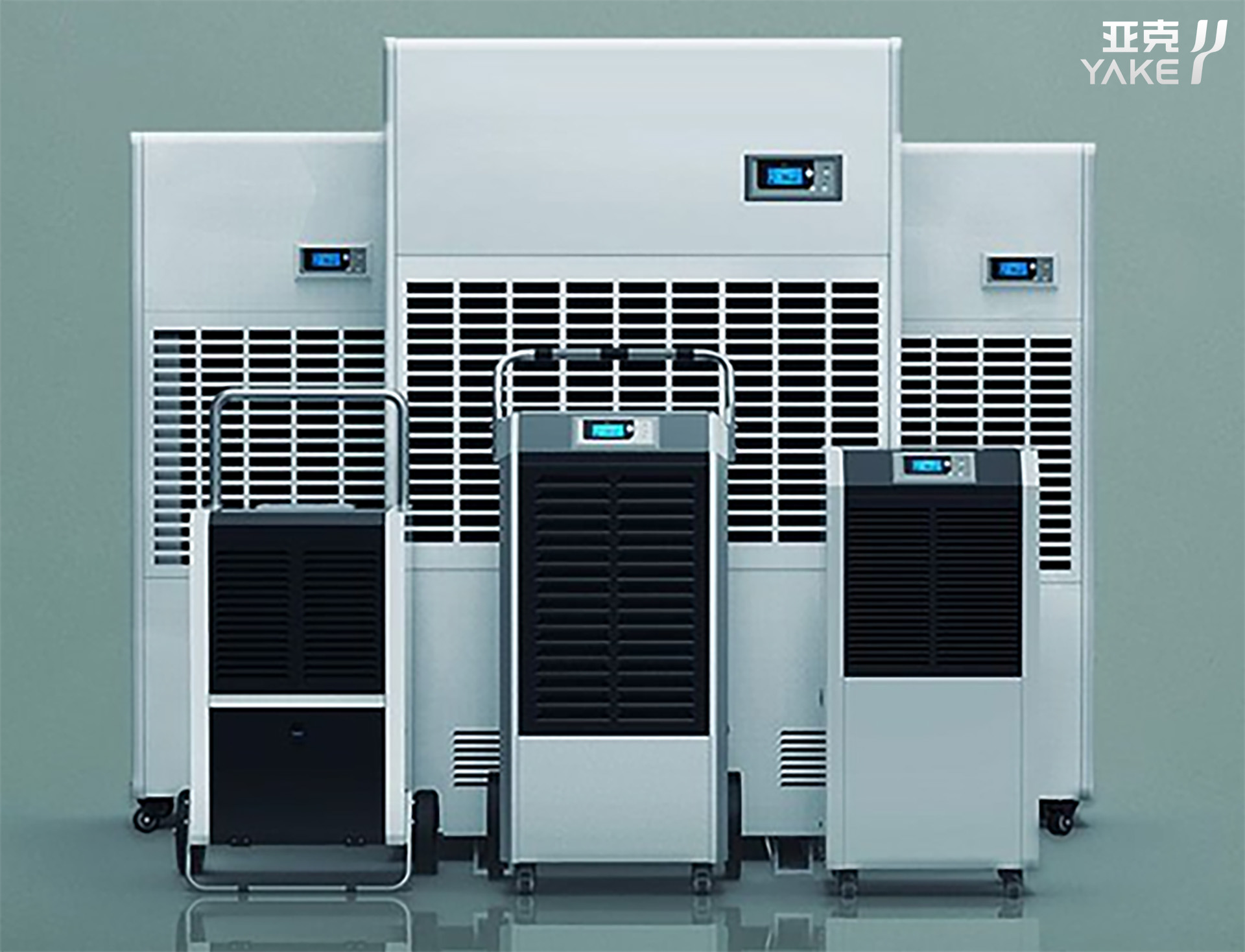
Contact us to find the best place to buy your Yakeclimate solution today!
Our experts have proven solutions to keep your humidity levels in check while keeping your energy costs low.