
Building 34, No. 535 Shunfeng Road, Hangzhou, Zhejiang, China
[email protected]


An air mover industrial is a powerful fan designed to move a massive amount of air through factories, plants and work sites. Ideal for drying floors, accelerating ventilation and clearing fumes, these machines vary in size and form to suit varying work demands. They mostly use rugged plastic or steel frames, powerful motors, and blades optimized for high air flow–measured in cubic meters per hour. Low noise air movers and energy saving features keep your space safe and efficient. Plant managers & engineers use air movers in paint shops, cleanrooms, warehouses. Selecting the appropriate model is based on the room size, airflow requirements and local safety regulations. The following section includes key specs and selection tips.

Industrial air movers are specialized devices designed to generate higher amounts of air flow through areas where traditional fans aren’t sufficient. They aim at job sites, production floors and other areas with hard humidity or bad airflow issues. Industrial air movers route focused airflow in specific directions over long distances using high-powered motors and durable blades — not your regular fan. These units are drying, cooling, and ventilating workhorses in the manufacturing, restoration, and confined space arenas. They’re lightweight, portable and engineered for continuous operation.
Industrial air movers enhance airflow in open areas, ensuring that air doesn’t become stagnant in any nook. They reduce drying times for wet floors, paint, or even drenched carpeting. This speeds up projects such as flood cleanup or painting in auto plants. Air movers additionally assist in maintaining consistent temperatures by circulating both cold and warm air, preventing hot and cold spots. For workers, consistent air flow translates into reduced heat strain and improved air to breathe – key for safety and comfort.
The core components are a rugged motor, razor-sharp fan blades, and a robust housing. The housing contains it all and fends off dust or debris. Others have coarse filters to snag dust and preserve clean air as it blows. Directional vents and speed dials allow operators to direct the air flow and set its intensity. These allow for adjusting the mover’s work to match each job—be it drying paint or clearing fumes.
The primary objective is to promote superior airflow and replace stale air with fresh. So many industries depend on this–food plants, auto shops, electronics, cleanrooms–they all use air movers to dry, cool and dissipate fumes. Rapid, uniform airflow=quicker drying, less downtime. These protect products and working spaces from moisture, heat, and air quality risks.
Industrial air movers move more air than typical fans, by a mile. They’re designed to operate, for hours, in tough areas, like basements or chemical plants. Their motors consume less energy for the same work, a significant savings in huge plants. Their rugged construction withstands heat, dust and impacts, so they stand up longer in challenging environments.
There are different types of industrial air movers, each with their specific applications in various manufacturing and process environments. Your specific choice is dependent on the air flow rate and pressure requirements as well as the environment of your facility. Most industrial settings rely on three main air mover types: axial, centrifugal, and high-velocity units. Their flexibility renders them invaluable for applications such as ventilation, cooling, drying and humidity control, aiding everything from food processing to electronics manufacturing.
Axial air movers rely on blades that pull air in a direction parallel to the shaft and then expel it in the same direction. This straight-through airflow configuration provides high-volume movement with low pressure. Axial fans are great where you need high volume, fast velocity air movement across relatively open areas. They’re common in warehouses and factory floors, where rapid air exchange aids in maintaining consistent temperatures and clearing the air of particulates. These units are extremely efficient at keeping air moving and perform best in situations requiring fast airflow where there is little resistance.
Centrifugal air movers contain a wheel or impeller rotating within a housing, sucking air in near the center of rotation and flinging it toward an outlet at a 90 degree angle. This generates more pressure than axial fans, which makes them better suited for pushing air through ducts, filters or other confined spaces. Centrifugal designs are found in positive-displacement blowers, such as rotary screw compressors and sliding-vane compressors, which provide smooth, high-pressure air. They’re popular in industries such as pharmaceutical, cleanrooms and paint booths where localized flow is required. Can be run in series, but usually needs cooling in between stages to prevent overheating.
High-velocity air movers are small, powerful units that blast air at high speeds. Their primary function is confined space spot cooling, drying or ventilating. These movers intensify air flow in areas that conventional units can’t, such as in corners or beneath machinery. They’re commonly deployed to dry wet floors, cool machinery or circulate air in small rooms. The accuracy and force of high-velocity models are effective for targeted jobs, where you need fast results and maneuverability.
Air movers are central to numerous industrial applications. They’re not just blowing air—they’re powering productivity, protection, and ease on the shop floor, workshop and assembly line. Picking the right type, axial or centrifugal, is important for certain tasks. Because Yakeclimate is all about energy-saving solutions, these air movers can operate for long shifts, be customized for unique spaces, and contribute toward satisfying rigorous operational requirements.
Industrial air movers are designed for large volumes of air to increase ventilation. This air exchange is essential for the safety and health of workers. Without sufficient ventilation, fumes and dust can accumulate, endangering both safety and regulations. Air movers are quick to deploy in confined or wide open spaces, and their long run-times maintain fresh air, even in hard-to-reach locations.
Utilizing air movers inhibits the accumulation of toxic gases and fumes. Their adaptable configuration—horizontal, vertical or daisy-chained—allows them to accommodate any configuration.
Air movers are commonly utilized in drying after cleaning, painting or floods. By forcing air across wet surfaces, they reduce drying times for carpets, floors, and walls. Rapid drying avoids mold, preserves assets, and keeps your operations moving on schedule.
In flood restoration, low-profile air movers blow dry air under carpets and cabinets. This is crucial for deep drying that regular fans can’t do. Big jobs relish stacking and daisy-chaining units to conquer more ground quick.
Air movers cool work areas during heat spells. They increase airflow, enhancing HVAC efficiency and reducing energy consumption. Axial air movers can blanket large areas, while centrifugal units concentrate air in confined spaces.
Maintaining consistent temperatures aids worker concentration and prevents machinery from overheating. It’s these cooling steps that keep us comfortable AND productive.
Air movers extract fumes and dust from work areas. This is key in welding bays, paint booths and chemical processing. Eliminating fumes reduces hazard and promotes a healthful work environment.
Proper mining helps businesses comply with health regulations and prevent fines. As air movers, air movers move air fast to maintain air quality within compliance limits.
Selecting your air mover for industrial use isn’t just about grabbing any fan or blower. It’s about matching exact needs to the right technology. This guarantees efficiency, safety, and lasting value. Every plant has its own set of problems, so you have to pick carefully.
First, figure how much air has to move through the space. That depends on the process—some need high flow (up to 70 m³/min), others high pressure. Determine the required flow rate in cubic meters per minute. Compare the CFM rating on your air mover. Fit this to your work space. If the rating is too low, air won’t circulate properly. If it is too high, energy is wasted. Certain applications require more than one in series, but be careful, air must cool between stages or it will cause damage.
Industrial air movers are available either electric or gas-powered. Electric versions are cleaner and cover the majority of indoor work, whereas gas variants are better for outdoor or remote tasks. Reserve power in your plant. Search for energy ratings–today’s efficient blowers are worthwhile for long-term savings. Yakeclimate’s new line includes smart controls that reduce wasted energy.
Industrial sites are brutal. Devices encounter dust, warmth, and lengthy shifts. Choose air movers constructed with durable metals and sealed bearings. Reliability is essential—every minute of downtime is expensive. Less expensive plastic models break down quickly and require more repairs. Tough machines reduce maintenance costs over time.
Portable air movers provide flexibility. With wheels and handles, a single person can relocate them as needed. This comes in handy in large rooms, or spaces where the airflow requirements shift. Deploy portable units in short-term worksites, spot-drying or maintenance areas. Certain models stack for convenient storage.
Spec sheets only tell half the story. Industry air movers encounter real-life challenges—temperature changes, airborne debris and inconsistent power. Real-world performance, power efficiency and real-world reliability usually matter a lot more than maximum airflow or static pressure figures. Facility engineers, plant managers and production teams want facts that fit their work floor, not lab stats.
They can transform more than just airflow – they transform the workspace. Selecting units with high efficiency motors saves electricity, reducing greenhouse gases. In a lot of plants, converting to EC-motor air movers or smart control models lowers energy bills 15-30%. That counts when energy costs continue to climb. Good air mover placement not only improves air quality — venting fumes and particles, it helps meet indoor air regulatory standards in sensitive industries.
Thoughtful choice prevents over-ventilation, which burns energy or agitates delicate work spaces. Programmable timers, variable speed controls, or occupancy sensors make environmental footprints even smaller. Maintenance matters too: clean filters and well-serviced bearings keep units running at peak efficiency, reducing waste and extending lifespan.
| Environmental Factor | Impact on Air Movers | Mitigation Strategy |
|---|---|---|
| Energy Consumption | Raises CO2 emissions | Use high efficiency motors |
| Noise Pollution | Disrupts work, local wildlife | Select low-noise models |
| Waste Generation | Shortens equipment lifespan | Regular maintenance, recycling |
| Indoor Air Quality | Impacts worker health | Use HEPA/charcoal filtration |
Noise is a prime consideration. Beyond diminishing concentration, too much noise can raise stress and even lead to hearing problems over time. In environments such as assembly lines or labs, consistent hum or drone from tens of air movers accumulates quickly. Low-noise models, typically with blade redesigns or insulated housings, reduce decibel levels to safer levels. Smart positioning—away from workstations, near walls or with acoustic panels—minimizes direct exposure. If you have more than one unit running, running them staggered or at variable speeds can prevent noise from collectively peaking all at once.
It’s reliability that drives uptime. A quality air mover, with sealed bearings, corrosion resistant frames and durable controls, will endure for years with minimal drama. Think of long warranty and easy availability of service parts– they’re not some pseudo sentimentality, they have actual cost advantages– they reduce downtime, the need for emergency repairs and help keep production schedules. Routine inspections identify worn components prior to breakdown. Dependable machines might be more expensive initially but come out ahead with better total cost of ownership in five to 10 years.
Proper installation and maintenance of air movers is crucial for consistent, energy-efficient climate control in industrial plants. Air movers assist to maintain air dry and safe, reduce downtime, and protect equipment. Best practices involve choosing an ideal location, maintaining regular inspections, and adhering to safety protocols. Each component is critical for enduring, cost-effective benefits.
Even just a few well-placed air movers can alter the entire airflow pattern in your work area. Install them at 45° to walls or wet spots to achieve a consistent, circular circulation. For large rooms, space them 3 to 4.5 meters apart—this allows the air distribution to stay uniform and prevents dead spots. Approximately one unit per 18.5 square metres is standard, although you should always check the site’s individuated needs.
Some common errors: crowding units, blocking air inlets, or aiming flow at fragile gear. Check out your floor plan—identify corners, barriers or machines that impede airflow. Employ a smoke pen or handheld meter to map air shifts and discover openings. Be sure to verify air flow direction so that the system operates with — not against — natural drafts or vents.
Daily checks keep things smooth. Check for frayed cords, strange noises, or clogged intakes. Clean fan blades and replace filters–dust or residue forces the motor to work harder and consume more energy.
A monthly list: tighten screws, check for worn wires, and compare static pressure readings to the baseline. If it’s more than 20%, it’s a trouble sign. Check every week to see if any dampers are shut in the duct. For air movers with long runs, just do a quick check each shift for heat, vibration or leaks. These measures extend longevity, minimize expenses, and identify problems before failures strike manufacturing.
Don’t ever omit security measures. Use the maker’s manual for start-up and shut-down. Install units in grounded outlets, examine cords for damage, and keep water away from outlets. Position air movers in locations where your staff won’t trip over wires or block fire exits.
Common risks: blocked airflow, wet cords, or unstable stands. Secure these with cable guards, dry mats and reinforced frames. If servicing, cut power first. Safety rules aren’t simply to keep you out of trouble—they save lives and equipment, so don’t skimp.
Industrial air movers blow air fast and hard. Plants employ them to dry floors, cool equipment, clear fumes and maintain fresh air in confined spaces. No two jobs require the same fan. Big paint shops use big axial blowers. Tiny labs require silent, slim fans. Selecting the proper size and speed eliminates waste and keeps work safe. Basic maintenance, such as cleaning blades and inspecting cords, extends fans’ lives. Quick repairs prevent major issues. As a result, many factories are turning to smart controls for optimized air flow and reduced bills. To keep your shop running smooth, choose equipment that suits your work. Interested in finding out more or viewing what matches your line? Contact Yakeclimate for advice and real solutions.
These powerful industrial air movers quickly push vast amounts of air to ventilate, dry or cool industrial spaces. It’s great for enhancing air quality and accelerating drying.
Choose an air mover according to your room size, airflow requirements, and applications. Think about energy efficiency and safety features for good measure.
The new generation of industrial air movers are energy efficient. Seek out energy-efficient motors and adjustable speed controls to minimize power consumption.
Some industrial air movers are designed for hazardous locations. Always verify product specifications for safety ratings and certifications prior to using in these locations.
Clean air filters on a regular basis and check moving components. Conduct regular inspections for wear and swap out worn parts to keep it running strong and safe.
Some of the locations where industrial air movers are used include warehouses, factories, construction sites and post water damage. They facilitate ventilation, drying, and cooling in such environments.
With good care, industrial air movers can go on for years. Lifespan is really dependent on build quality, usage and manufacturer care instructions.


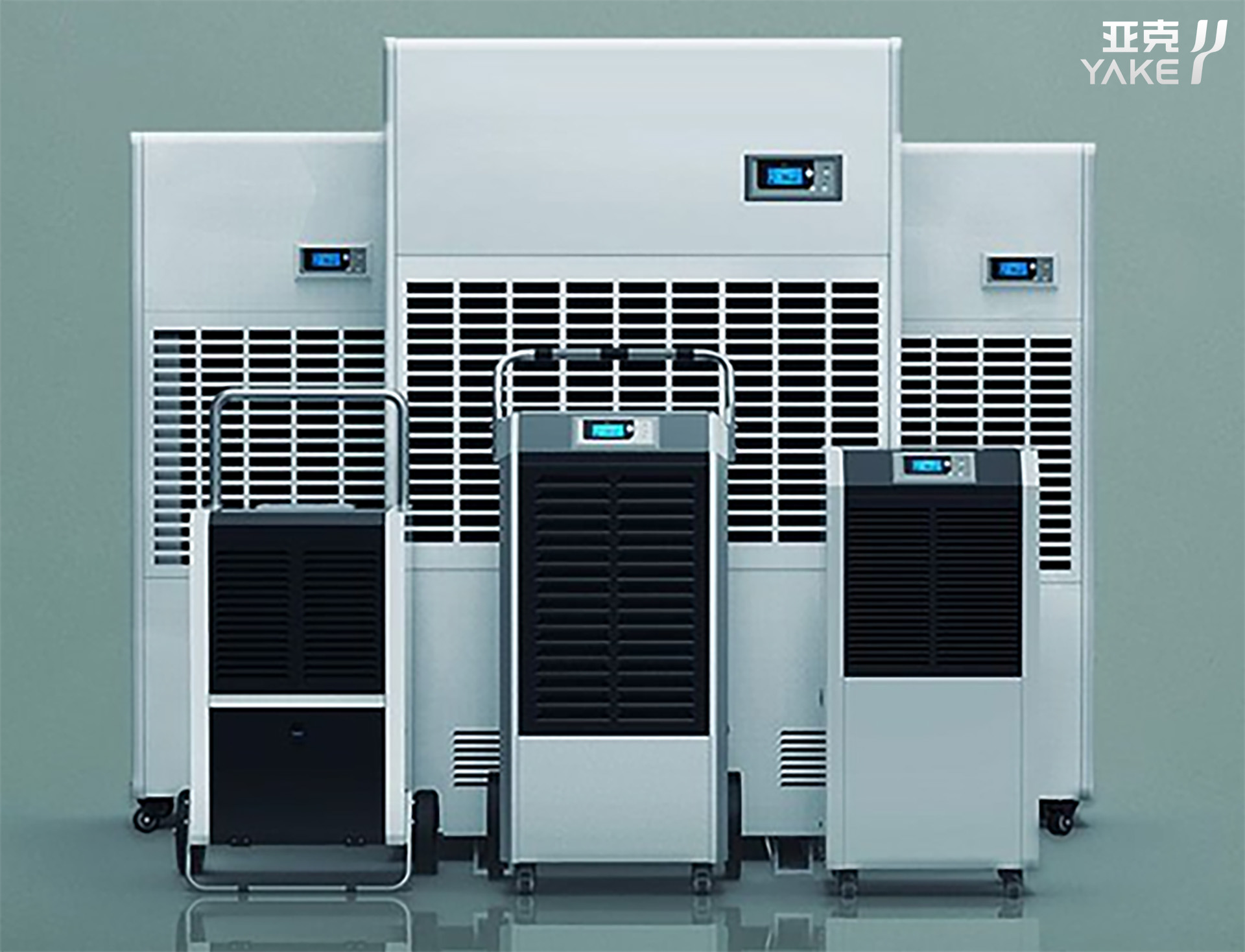
Contact us to find the best place to buy your Yakeclimate solution today!
Our experts have proven solutions to keep your humidity levels in check while keeping your energy costs low.