
Building 34, No. 535 Shunfeng Road, Hangzhou, Zhejiang, China
[email protected]


Winter greenhouse heating refers to the process of maintaining indoor crops at optimal temperatures when it’s chilly outside. Fine heat makes all the plants grow well, even in the coldest winter. Most growers rely on hot water pipes, gas heaters, or electric systems to maintain constant temperatures. Choosing the appropriate kind is dependent on the crop, size of the greenhouse, and the local climate. Both have advantages and costs. Next we’ll examine typical winter greenhouse heating options.

Heating a greenhouse in winter is vital to protecting crops from chilly air and frost. Without supplemental heat, plants go dormant and cold snaps can wipe out seedlings overnight. Most growers seek the optimal combination of price, convenience, and consistent heat when selecting a system. Options stretch from electric and gas heaters to solar and geothermal configurations. There are hacks like water barrels for heat storage or heated floors beneath soil. Here’s a brief comparison of the key methods.
| Method | Efficiency | Cost-effectiveness | Best Use Case |
|---|---|---|---|
| Electric Heaters | High (small spaces) | Moderate | Small/medium greenhouses |
| Gas Heaters | High (large spaces) | High | Large greenhouses, cold snaps |
| Hot Water Systems | Very high | Moderate/High | Consistent, energy storage |
| Solar Power | Variable | High (long-term) | Eco-friendly, sunny locations |
| Geothermal Energy | Very high | High (long-term) | Stable, all-season heating |
Electric heaters are well suited for small greenhouses. They’re simple to install and provide consistent heat. Fan heaters circulate air for uniform heat, whereas radiant heaters direct heat onto a specific point or row. They don’t require gas or a chimney, so you can install them just about anywhere. To reduce power bills, use timers or thermostats to run them only when necessary. Ensure cords and outlets are dry and dust-free to prevent fires.
Gas heaters perform admirably in large greenhouses and heat quickly. Propane and natural gas are the common fuels. Propane tanks are portable, so you can relocate the heater if you rearrange your greenhouse. Good ventilation is essential when utilizing gas, as burning fuel consumes oxygen and can produce dangerous gases. You need vents or fans to circulate the air. Gas heat is often less expensive than electric for large spaces, particularly for cold snaps.
Hot water pipes traverse beds or extend beneath soil to maintain warm and consistent root temperatures. These have the advantage of storing heat in water, which can help ride out cold nights. Solar water heaters can be attached to these arrangements for a purer source of heat. Heated floors work nicely too, maintaining the soil at a consistent temperature that helps roots remain healthy. They require some maintenance, such as leak checks and pipe flushes, but can have a long lifespan with proper care.
With solar panels and collectors, you capture sunlight and convert it into heat. Panels can reduce power consumption on sunny days and cut bills in the long run. Solar collectors capture and store heat, gradually releasing it at night. That helps keep temperatures steady even after the sun goes down. The initial configuration costs more than most systems, but the savings compound over time. Some growers combine solar with hot water or electric heaters for a complete blend of heat sources.
Geothermal extracts heat from the earth, where temperatures remain consistent throughout the year. To heat the winter greenhouse, pipes or coils run underground and bring up this stable warmth. It’s quite a bit more labor and expensive to install initially, but it translates into cheap bills for years. Once established, geothermal is silent and requires minimal maintenance. It’s most effective in locations where land is available to be dug and regulations permit ground work.
It’s important to trap heat inside a winter greenhouse. Everything from the walls and roof to the sunlight exposure maximizes heat retention. The most effective systems combine design, insulation, and intelligent use of super high R-value materials. Everything is optimized from the glazing to the structure to the draft-blocking and heat-trapping tricks.
Selecting the appropriate glazing can make a significant impact in preventing heat loss. Single-pane glass is common, but it loses heat fast, with an R-value of around 0.9. Double-glazing, which consists of two layers with air in between, boosts the R-value even higher, trapping heat inside for longer. Polycarbonate panels are a sturdy option as well. An 8-mm twin-wall polycarbonate sheet has an R-value of approximately 1.72 and the air pockets within it contribute an additional layer of insulation, making it especially suitable for colder climates. Double poly film is economical and can have an R-value as high as 1.5. Although it is not as sturdy as glass, it is excellent for mini or seasonal greenhouses.
Reflective coatings on glazing can assist in maximizing heat retention and minimizing heat loss through radiation. These coatings function by reflecting some infrared heat back indoors, which is particularly useful in areas with fewer hours of daylight during the winter. Glass and polycarbonate both have these options. Durability counts as well. Glass endures but could crack from hail or heavy snow. Polycarbonate is impact resistant but can turn yellow with age, requiring regular cleaning and inspection for cracks.
The construction of a greenhouse impacts heat retention. Tall, south-facing walls and sloped roofs help sunlight reach more of the floor and warm up water barrels or thermal mass inside. These barrels absorb solar heat during the day, then radiate it out at night, evening out temperature fluctuations. Cold air creeps in around gaps, so tight construction trims drafts. Double doors or entry vestibules add a buffer. Sloped roofs shed snow and rain, keeping the structure clear and allowing light in. Orientation counts as well. A greenhouse oriented east-west captures more unseasonable sun in winter, which aids heat and plant growth. Just adding thick brick or stone inside creates thermal mass, storing heat to release at night.
Maintaining the proper environment within a winter greenhouse is about more than just operating heaters. Temperature swings, sun energy, and humidity all change quickly, so growers require consistent strategies to monitor, control, and modify the air within. Greenhouses can get warm even in cold seasons. Plants will wilt or cease growing if heat accumulates and remains. Thermal curtains with R-values ranging from 1.42 to 3.33 help hold heat at night, but a large portion of the work is still about moving air, measuring temperature, and adjusting.
Precise thermostats are important for even plant development. Selecting a thermometer specifically made for greenhouse use guarantees that you receive accurate readings, rather than just air from the vicinity of the wall or door. Programmable models allow growers to program heater cycles that correspond to plant requirements and reduce energy consumption when the sun is shining. A smart thermostat with remote controls offers convenience. You can tweak the warmth on the fly when weather changes quickly. Placement matters as well. Mount thermostats out of drafts and sunlight, in locations that represent the entire greenhouse, not a single cold or hot location.
No matter what season you’re in, good ventilation is a must for keeping heat and humidity in check. Warm days, even in winter, can cause greenhouses to trap excess heat. Fans and vents suck in cool air and exhaust hot air, which helps prevent stress and fungus on plants. Exhaust fans perform well close to the roof, whereas floor vents assist with fresh air at plant level. Passive systems, like roof vents that pop open with heat, consume less power but still circulate lots of air. In a few configurations, automatic vents pop open when it’s too hot or muggy, reacting to shifting weather. It sounds strange opening the greenhouse door in the middle of winter, but it can rapidly reduce humidity and prevent mold. A good rule of thumb is one air swap every 60 seconds or so, but this changes with crop and outside air.
Evaporative cooling is yet another tool, lowering air temperature with up to 85% efficiency. This works best in dry climates. Half-sun blockers, meanwhile, come to the rescue, preventing rapid heat build-ups and allowing plants to relax.
Control Greenhouse Temperature Automation simplifies maintaining the perfect greenhouse climate without guesswork. Climate control systems connect heaters, fans, and vents to sensors that monitor the temperature and humidity. If the air becomes too warm or cold, it automatically adjusts settings immediately. These labor-saving systems help save and may cut costs over time by operating equipment only when necessary. Sensors communicate live data, revealing trends and assisting growers in optimizing their arrangement. The initial expense is tangible, and many people discover that reduced bills and more flourishing plants provide the return. Smart systems assist in identifying issues at an early stage, prior to plants exhibiting any stress symptoms.
Pick your winter greenhouse heating system that’s right for you by considering these factors. What you select will depend upon your local climate, the size of your greenhouse, the plants you are growing, and your long-term investment preferences. The most common types are gas heaters, electric heaters, heated floors, and solar water heaters. Each has its own benefits and challenges. High-efficiency heaters can achieve up to 97% efficiency. What really counts is sizing your system appropriately by using enough, but not too many BTUs to keep your plants warm and conserve energy.
Climate plays an important role in how your heating system will perform. In areas that experience really hard winters or lots of cold snaps, you might want a more robust system with backup. There are swing season temperature fluctuations pushing heating needs up and down, so versatile options are ideal. If your region experiences snap freezes or storms, gas heaters will warm fast, but they can emit fumes if the greenhouse is airtight. Electric heaters are cleaner for the air but can be expensive if local power costs are high. Planning for the long haul, climate change could make winter weather more sporadic. Systems that can adjust will endure.
Four brief paragraphs lay out pros and cons. For starters, if you reside somewhere mild, a mini electric or solar water heater might suffice. Second, more extreme climates frequently require gas heaters or high-efficiency units, but always be sure to verify that your ventilation can manage it. Third, sudden cold snaps call for backup. Portable electric units work well for emergency heat. Fourth, as the weather shifts, keep your heating strategy nimble with scalable solutions that enable you to add more power when necessary.
Heating requirements vary by greenhouse size. For a small greenhouse, a single electric heater might hold things in check, particularly if the insulation is solid. Bigger rooms require more consideration, because heat dissipates easily. You must figure out how many BTUs you need. Layout is important as well. In elongated or tall greenhouses, heat will rise and not effectively reach the ground without fans or heated floors. You can select them for your heating system. These systems can keep roots warm and avoid cold pockets.
Pick your heater when you’re planning to expand. See if your heating system can grow with you. A few electric heaters or modular gas units enable you to add more as you build out. For commercial operations, central boiler systems can feed hot water to pipes or heated floors, maintaining everything uniform. No matter what, good insulation makes any system work better, reducing wasted heat and high bills.
Temperature swings stunt growth or damage plants. Tender plants require more precise regulation, whereas hardier crops can survive temperature drops overnight. Warm floors assist root vegetables and delicate sprouts by maintaining soil calm. Air heaters could be best for tropical plants to keep the above ground parts warm.
Humidity and airflow tie into heating as well. Dry heat stresses certain crops, so pairing heaters with humidifiers or air movers maintains equilibrium. Too hot and stagnant can cause mold or stress, so instead aim for consistent, gentle warmth and good airflow.
A holistic heating philosophy for winter greenhouses means viewing the greenhouse as a complete system. It considers heat flow in and out, the influence of the exterior climate on the interior, and how the plants react to these shifts. Rather than depend on a single heating method, it combines passive and active strategies to strike a balance between energy consumption, plant health, and expense. Insulation, design, and each plant’s requirements factor significantly. Growers often discover that this philosophy results in more stable temperatures, higher yields, and reduced energy costs.
Whenever I can, I set up water barrels in sunlit spots to help keep the greenhouse warm long after the sun goes down. The water’s high heat capacity allows it to gradually disperse heat, minimizing nighttime cold spikes. A few greenhouses incorporate earth tubes—pipes buried underground—that pull in air that is warmer than outside winter air.
It’s amazing what building materials can do. Brick or stone walls, for instance, hold heat more than thin plastic. By insulating these buildings, you reduce heat loss, which reduces the demand for supplemental heating. With smart design and the right amenities, passive heat can take care of a large portion of a greenhouse’s requirements.
Bricks, concrete, and water function as thermal mass. They absorb heat during sunny hours and radiate it when it’s cold.
Where you install these materials counts. Distribute them throughout the greenhouse, near beds and paths, to maintain even temperatures. Water as thermal mass works beautifully because it can hold a great deal of heat in a limited space.
Night chill is the enemy, and thermal mass helps slow its drastic drops. This stabilizes things for plants. With less reliance on heaters, energy consumption decreases.
Different plants fare well in different zones. By sculpting microclimates, you can satisfy them.
Each location of your plants influenced warmth and moisture. Taller plants could shade smaller ones, thus altering the sunlight and heat each receives. This is helpful if you require cooler zones for leafy greens or warmer ones for fruiting crops.
Shading screens and row covers manage sun and cold. Row covers protect seedlings from frost and maintain a consistent humidity. With these short shifts, cultivators can optimize the greenhouse for superior growth and reduced plant strain.
Heating is one of the largest necessary expenses for winter greenhouse growers. They provide growers with accurate estimates to budget and pick the right technology. Cost varies by greenhouse structure, insulation, climate, and heating method selected. The following table displays typical initial and operating costs for common greenhouse heating options:
| Heating System | Initial Cost (EUR) | Operating Cost (EUR/month) |
|---|---|---|
| Gas Heater | 1,500 | 250 |
| Electric Heater | 1,200 | 270 |
| Biomass Boiler | 4,000 | 140 |
| Heat Pump | 3,500 | 90 |
Upfront expenses cover purchasing the heating unit, installation, and occasionally greenhouse insulation improvements. For instance, the bare minimum electric heater starts at €1,200, whereas a high-performance heat pump is closer to €3,500. Biomass boilers and gas heaters are somewhere in between these figures. Installation and setup can add 10 to 20 percent to these numbers, based on local labor costs.
Grants and low-interest loans for sustainable agriculture can offset costs. Some countries provide subsidies for cultivators who switch to efficient heating or renewable energy. A grower could recoup thirty percent of a heat pump’s cost in this manner.
Energy-efficient systems pay for themselves over time. For instance, a heat pump’s more expensive initial cost can be offset by reduced utility bills. If energy savings increase yields or reduce crop losses, these returns can shave payback periods.
Selecting a system is a compromise. Inexpensive heaters seem great until you realize they cost more in the long term because they use more energy. Smarter means a bigger upfront investment but smaller bills for years.
Operating costs depend on the method of heating. Gas and electric heaters, while convenient, can have pricey fuel or electricity bills, particularly in colder regions. Biomass boilers require more maintenance to operate, but the fuel is generally less expensive.
Energy required is a function of the U-value of your greenhouse material, the surface area and the temperature difference inside versus outside. For a 120-square foot greenhouse, heating costs can fall under 0.50€ a day if heating only against a 10 to 20-degree difference. So during the shoulder season, it can cost you just pennies a day.
A-frame and Quonset greenhouses have varying heat requirements. The cost to maintain target temperatures in an A-frame can run you €89.60 a day, and €112.65 for a Quonset. It’s a nice demonstration of how structure shape and insulation count.
To save money, farmers can install double glazing, use thermal curtains, or plug drafts. Automated climate control helps you avoid waste. Smart scheduling of heating cycles and real-time monitoring go a long way.
It pays to buy efficient heaters. Fuel savings alone total and consistent temperatures assist plants to grow stronger, increasing yields and crop quality.
A well-heated greenhouse leads to fewer cold snaps killing crops, which means healthier plants and less waste. Reducing energy consumption reduces the carbon footprint of the operation, which is beneficial for the environment and may assist with certification programs.
Green heating can heat up sales. Buyers and shoppers alike want produce that is farmed with the environment in mind and it differentiates growers from their competition.
Winter greenhouse heating requires some consideration. Warmth escapes quickly, so smart design really counts. Choose the perfect heaters for your room. Apply some simple hacks such as bubble wrap or thermal screens. Verify temps with a thermometer — not just your hand. Keep an eye on your bills, so expenses don’t sneak up on you. Experiment, monitor and adjust your configuration until it suits you. For instance, a little greenhouse in Berlin might rely on an electric heater and heavy drapes, whereas a large one in Tokyo may operate on hot water piping and roof vents. Every grower has to decide for their own configuration. Want to keep things smooth? Experiment with new solutions, discuss with fellow gardeners, and continue educating yourself. Contact us for personalized advice or new tips.
Good insulation, double glazing, and renewable heat sources like heat pumps or solar heaters. These alternatives cut energy consumption and save money.
Seal leaks, thermal screens, and wall and roof insulation. These steps aid in trapping warm air and maintaining temperature stability.
Use a thermostat to keep track of temperature. Automated vents and heaters can provide heat and push around the air, keeping conditions optimal for your plants.
Electric heaters are simple to use and install. For bigger spaces, gas or hot water systems are much more efficient and can spread heat more evenly.
Blending insulation, efficient heating, and smart controls minimizes energy consumption. It saves money and encourages healthier plant growth.
Figure out your greenhouse dimensions, insulation, and climate. Try an online calculator or a heating expert for more realistic estimates.
Yes, solar, geothermal, and biomass heaters provide clean, low emission heat. They reduce your footprint.


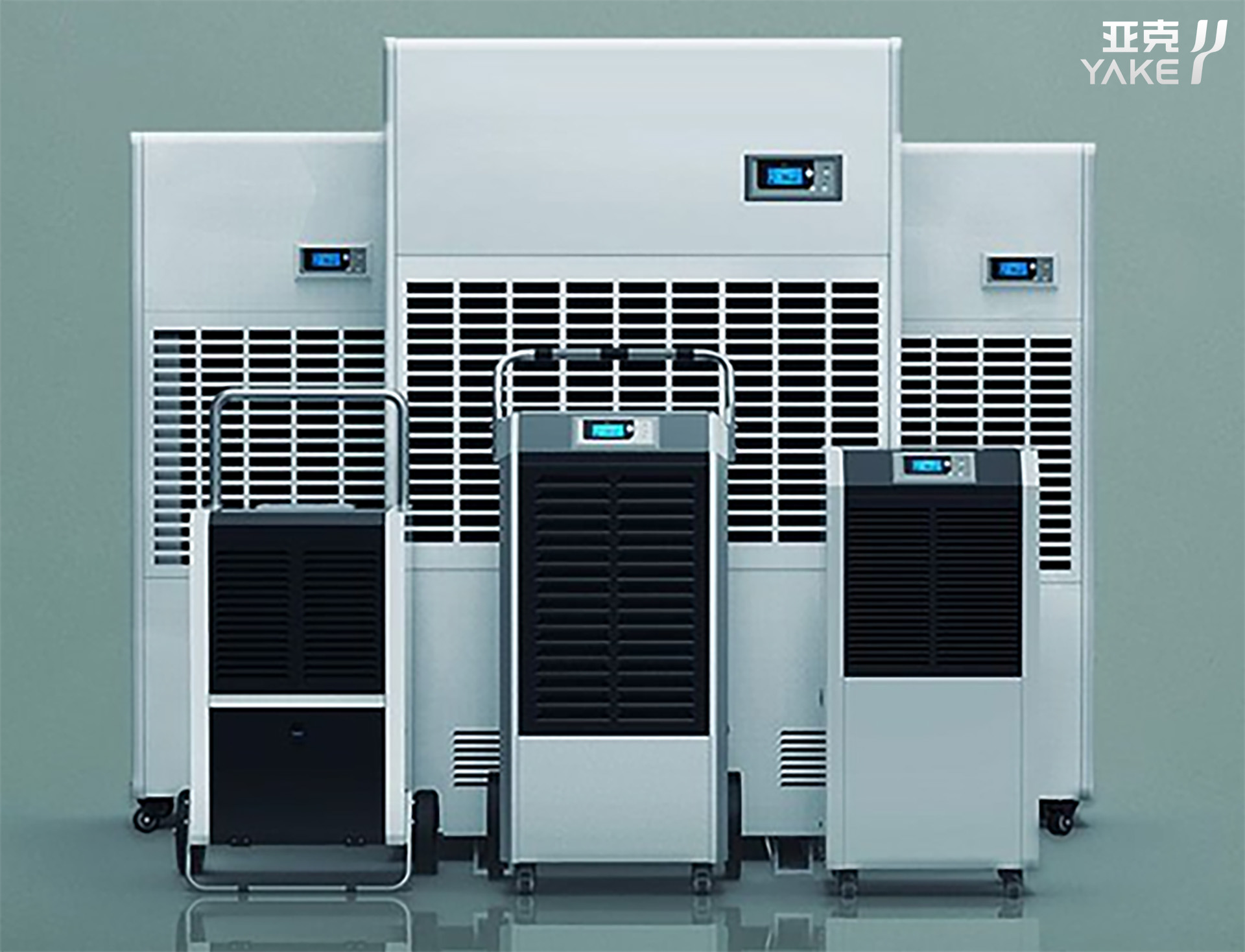
Contact us to find the best place to buy your Yakeclimate solution today!
Our experts have proven solutions to keep your humidity levels in check while keeping your energy costs low.