
Building 34, No. 535 Shunfeng Road, Hangzhou, Zhejiang, China
[email protected]


Greenhouse seed starting timing refers to the ideal dates and methods of planting seeds indoors in order to encourage vigorous growth. Choosing the perfect moment is a balance of crop variety, local frost dates, and greenhouse warmth. Your timing ensures your seeds sprout quickly and grow strong prior to transplanting outdoors. Most growers rely on simple charts or apps to schedule. This guide simplifies the fundamentals for straightforward planning and demonstrates how timing operates and why it has significance.

Your greenhouse seed starting timing is a combination of plant biology, your local climate and good planning. Every vegetable has its ideal seed starting window, and missing it means either slow or leggy plants. Most growers glance at the last expected frost date and count backwards, consulting the days to maturity on seed packets. Soil temperature matters too. Some seeds pop best at 7°C (45°F), while others need it warmer, around 21°C (70°F). Seedlings such as tomatoes, peppers and eggplant may require supplemental light, even in light-filled greenhouses.
Cool-season crops like peas and lettuce thrive when started in early spring while it’s still cool. Warm-season crops such as tomatoes and peppers should be started after the last frost date, since cold soil or air would damage them. Keeping a greenhouse planting calendar will help you keep track of which vegetables need to be sown when. Soil temperature checks are essential. Greens such as spinach and peas favor cool soil, but beans and squash require warm soil. For reference:
Most herbs, like basil and cilantro, thrive when started indoors in late winter. This head start ensures you have vigorous seedlings waiting in the wings when spring arrives. Quick growers such as basil can be clipped soon after transplanting. Different herbs have their own demands. Woody varieties such as rosemary and thyme require longer, so start those even sooner. Seed trays not only keep things neat but make it easy to relocate plants as needed.
Start flower seeds by taking a last frost date. Annual flowers, like marigolds or zinnias, are great early sowers. Perennials, like echinacea or lavender, can be sown a bit later. If daylight is short, supplemental lighting boosts seedlings. To keep the blooms coming, stagger your flower seed starting every few weeks, so you have color throughout the season.
Starting cool-season crops in late winter prepares you for early spring harvests. Keep an eye on those nighttime lows so your seedlings don’t get frostbitten. Succession planting, in which you seed every few weeks, extends this harvest window. Cold frames or row covers provide added warmth and protect seedlings from cold snaps.
Warm-season crops have to wait until after the last frost. Heat mats can keep soil toasty for melons, okra, and other hot seeds. Try staggered plantings for steady harvests through the summer. Heat-loving options such as sweet potatoes and chili peppers endure hot spells more successfully than most.
Timing is the backbone of greenhouse seed starting. Light, temperature, plant type, and structure all play a part in determining how and when to start seeds. Every greenhouse and region is different, but these big things put you in a position to win. Key timing influences and their role are illustrated in the table below.
| Factor | What It Affects | Why It Matters | Example |
|---|---|---|---|
| Light Availability | Germination, seedling growth, stem development | Prevents weak seedlings, boosts growth | Use grow lights in winter, move trays to windows |
| Temperature | Germination rate, seedling vigor | Ensures seeds sprout at right speed | Use heaters on cold nights, ventilate on hot days |
| Plant Requirements | Timing, success rate, disease resistance | Matches care to plant needs | Cold stratify perennials, choose hardy varieties |
Seedlings that don’t have consistent light will be weak. Set trays in areas where they will receive the most daylight—near greenhouse windows or beneath transparent panels. In winter or on cloudy days, natural light doesn’t suffice. Grow lights fill in the gaps, preventing seedlings from becoming spindly.
See if light is bright enough. If seedlings are spindly and bend over, they’re begging for more. Modify light heights and hours as plants develop. Young shoots require less light, while mature plants demand more. This give and take assists all varieties, from lettuce to tomatoes, in getting a robust jump on the season.
Seeds require the proper warmth to stir and grow. Hold greenhouse steady, not too hot or cold. Simple things like thermostats or heaters maintain the line on those cold nights or crazy weather swings.
Soil warmth is as important as air. For peppers, soil temperature should be a minimum of 21°C. Lettuce prefers it cooler. Test it with a thermometer. Cool airflow prevents heat from accumulating and controls disease. Open vents or run small fans.
All plants have their own timing. Cool-season crops such as spinach get going early, before the last frost date. Warm-season ones, like beans, require later starts. Research assists in discovering each plant’s ideal window for sprouting and aligning it.
Choose varieties that have been bred for disease resistance. This enhances your chances, particularly in humid or congested greenhouses. Consider the entire loop. Certain crops mature quickly, while others take their time. Time seed starting so plants are prepared to transplant out once frost passes.
The bones of your greenhouse count. Good design lets in light and keeps temperatures steady. Glass or polycarbonate walls do nicely for light. Thick barrels or stones within retain heat at night.
Vents high and low circulate air. This prevents hot spots and maintains the perfect temperature. In chilly locations, supplemental heaters are effective, particularly in inexpensive or aging greenhouses. Calibrate equipment to the season and your crops.
Designing your own seed schedule. It’s time to customize a plan to your own climate, crops, and space. This method allows you to visualize how to distribute activities throughout the year, ensuring you don’t overlook critical planting periods or overload yourself during busy seasons. A smart schedule maximizes your harvest, extends your season, and ensures you harvest each crop at just the right time. Temperature is the operative word here. For instance, even thermophilous plants can falter if the greenhouse reaches over 35°C (95°F). It should steer your decision to seed versus transplant and prevent issues like cool-season crops bolting. Like many gardeners, you might find it helpful to plan things out month by month, aligning your plan with your particular growing zone. Greenhouse growers can leverage this to squeeze even more from limited spaces, rotating four to six week crops. A good schedule ensures you have fresh produce rolling in, even if your weather is brutal or your outdoor season is limited.
Start with your anticipated harvest date, then count back to determine seed starting dates for each crop. This reverse planning allows you to know exactly how long each plant takes from seed to harvest, so you don’t start some too early or too late. Consider both how long the seed needs to germinate and how long it takes for the plant to mature. Tomatoes, for instance, can take six to eight weeks inside before transplanting to the greenhouse, while lettuce only requires three to four. Working backwards, you can coordinate your planting to local climate, targeting a harvest that avoids heatwaves or cold snaps. By jotting down your process in a notebook or app, it’s easier to adjust next year. Perhaps you discover your peppers thrive with more time, or lettuce bolts too early if planted late.
Modify your plan for your native climate by observing patterns. Do you experience late spring frosts, or does summer heat arrive early? Consult your area’s hardiness zone and see what thrives there. Some crops prefer cool nights, while others require consistent heat. Microclimates matter in the greenhouse too. One corner might receive more sun or retain heat longer. Take this information and space out your plantings, so you don’t get hammered by surprise weather changes. Following your monthly weather trends assists you in identifying patterns, such as a wet spring or a dry fall, and allows you to adjust your plan accordingly for optimal results.
Take notes on when you plant each seed, how quickly they germinate and how they flourish. Just use a journal or gardening app to record this info season by season. Jot down troubles you encounter, such as weak seeds sprouting or infestations, so you can identify what’s effective and what isn’t. Over time, these notes illustrate what crops do best in your arrangement and allow you to optimize your schedule for greater yields. Other growers identify patterns. Maybe chard always succeeds in early spring or cucumbers require extra greenhouse time. This helps them fine-tune their timing and increase harvests.
Greenhouse seed starting goes beyond simply adding water and light. Optimizing your all-in-one setup with the right tools, pre-treatments, and data can increase both germination and healthy growth. Worldwide growers who get down in the dirt, like seed depth, root space, and changing climates, report more consistent outcomes across a number of seed varieties.
Humidity domes hold moisture and warmth, providing your seeds with a consistent microclimate. They’re good for seeds that require lots of moisture to germinate, such as peppers and tomatoes. A soil thermometer lets you check if the soil is warm enough to wake up the seeds. Many common vegetables like the soil to be at least 18°C for optimal germination. Moisture meters help you steer clear of both dry-outs and soggy trays, which can lead to subpar roots or mold.
Certain seeds, let’s say lettuce or basil, hate to dry out, so daily checking is essential. Deep cell trays, 3 to 4 centimeters in depth, nurture seeds that produce long taproots, like beans or sunflowers. If you’re growing bigger seeds, graduate to deeper pots, 7 to 10 centimeters, to ensure roots don’t become cramped. For greenhouses with very short winter days, grow lights may be necessary for light-loving seeds.
Other helpful tools:
Some seeds require a bit of assistance before they’ll shoot. Soaking is the frequent go-to. Soak seeds in purified, room-temperature water for 12 to 24 hours. This mellows the coat and may accelerate germination for peas, beans, and beets. Scarification is the practice of scratching or nicking hard-coated seeds, such as morning glory or nasturtium, in order to allow water inside. Stratification is for seeds that require a cold spell. Set them in moist sand or a paper towel, then refrigerate for a few weeks, like lavender or some trees.
Make notes on what works and what doesn’t. Note planting depth and do not forget the two to three times diameter rule. Test if deeper trays increase yields for big seeds. Keep tabs on dates, soil warmth, humidity, and the number of seeds that emerge. Track logs to identify correlations between temperature fluctuations and seedling vigor. Watch for true leaves to show or leaves to touch as indicators for transplanting.
As you get past the basics, compare results year to year. Shift your schedule if cool spring growth lags or late frosts postpone transplanting. Every season, minor adjustments such as adjusting light hours or start dates can increase your success rate. It works globally, regardless of climate or crop, to help you nurture robust seedlings each time.
The art of observation is a key skill for any greenhouse seed starter. Knowing what to look for, when to look, and how to respond can make the difference between thriving seedlings and crop failure. Slight shifts in temperature, humidity, or light are capable of having an outsized influence on seedling growth. You need to be patient and observant because gentle shifts are often the harbingers of major problems or necessities.
Vigorous seedlings usually display bright green leaves and robust, upright stems. If the leaves are lackluster or the stems begin to wilt, it generally indicates an environmental issue. Leggy growth, where stems shoot up gangly and thin, generally comes from insufficient light. Yellowing leaves are an indicator of overwatering, lack of drainage, or insufficient nutrients. By observing these visual cues, it becomes easier to know if care routines such as watering or lighting need to be adjusted.
There is a pattern to seedling growth that speaks volumes about their health. Seedlings growing at different rates could be in competition for light or room. If the majority of seedlings appear to be ready but a few are lagging, it is time to thin out the batch or relocate some to a new area with increased air flow. When it comes time to transplant, robust roots and ample numbers of leaves are obvious indicators that your seedlings are strong enough to pull through the transition.
Variations in the appearance of seedlings are typically the earliest indications of problems. Wilting can indicate insufficient water, while pale leaves may indicate too little light. If temperature changes too abruptly in the greenhouse, leaves will curl or stems will stunt. Seedlings bunched too close with little air circulation can go moldy or entice bugs, so checking for overcrowding is necessary.
Action must be quick! Fixing a little distance between trays, raising grow lights, or opening vents to help air move can solve many issues before they become serious. Catching these problems early keeps seedlings robust and saves bigger trouble down the road.
Checking every day enables timely reactions. If seedlings dry out faster on sunny days, water more. If growth slackens, it may be time to increase the light or humidity. Use basic instruments such as temperature or moisture gauges to identify patterns and address issues immediately.
Flexibility is important, particularly if the weather changes beyond the protection of the greenhouse. A sudden cold snap or heat wave might require adjusting the seed starting schedule or providing additional protection to young plants. By adjusting as necessary, growers can maintain conditions that are optimal for vigorous, consistent growth.
Transplanting is an important stage of greenhouse seed starting. Timing, preparation, and care here all influence the destiny of your crop. Transplanting your seedlings outdoors or into larger containers goes best when you align their requirements with the environment and minimize stress during each phase.
Start hardening off seedlings 7 to 10 days prior to transplanting. Place trays outside in a protected location for an hour initially. Gradually expand the number of hours, letting the seedlings acclimate to wind, sun, and cooler temperatures. This step gets the plants used to being out and growing stronger, reducing the chance of shock.
Choose mild days. Keep an eye out for cold snaps or strong winds and bring trays inside if necessary. Try not to harden off in heavy rain or during the hottest parts of the day. Seedlings can dry out quickly, particularly in those tiny trays, so monitor soil moisture daily.
Others, such as tomatoes and peppers, are more sensitive to shock. Shield all seedlings from the brutal midday sun under row covers or in filtered light. Once outside, your leaves might look wilted or scorched. Reduce outdoor time and slow the transition.
| Seedling Type | Soil Temp (°C) | Soil Temp (°F) | Soil Moisture |
|---|---|---|---|
| Lettuce | 10–20 | 50–68 | Moist, not soggy |
| Tomatoes | 15–24 | 59–75 | Evenly moist |
| Peppers | 18–24 | 64–75 | Moist, well-draining |
| Brassicas | 10–21 | 50–70 | Consistently damp |
Till the ground in advance, clear it of weeds and enrich with compost. Transplant in the late afternoon or on a cloudy day, never in the heat of the day. Water seedlings two to three hours before transplanting to hydrate roots. Plant at the same depth as in trays to prevent stem rot. Space each plant adequately. Overcrowded seedlings fight each other for light and air, increasing disease susceptibility. Even spacing promotes airflow and root spread.
Immediately transplant your seedlings and water well to settle the soil and reduce air pockets around roots. Protect new transplants by shading them with row covers or light mulch if the sun is strong. Drip or soaker hoses provide consistent moisture and keep the stress low.
Monitor seedlings daily for wilting or pests. Check for leaf yellowing, droop, or spotting. Apply a little fertilizer after a week if growth lags. Keep the soil moist, not soggy. When plants become established, cut back watering to encourage deep root growth.
Greenhouse seed starting timing–watch the weather, your plants and your local frost dates. Minor variations in light, heat, or water can derail your schedule, so stay attentive and prepared to adjust your plan. Experiment with seed varieties, test dates, and take notes. Most growers rely on straightforward hacks, such as marking a calendar or shifting trays to sunnier locations, to enhance performance. Every greenhouse and location is slightly different, so discover what works best for your area. Post stories and request tips from other gardeners. To maximize your greenhouse experience year after year, continue to learn and experiment. Start your next round of seeds and watch ‘em grow.
Greenhouse seed starting timing. Tweak based on your climate and plant type. It helps guarantee robust, healthy seedlings for transplant.
The main variables are your local climate, the plant, and greenhouse factors such as temperature and light. Taking these into account provides the best start for your seeds.
Refer to your seed packet for optimal start dates. Start with your local last frost date and work backwards, taking into account the amount of time each plant needs to grow. Make a calendar to keep yourself organized.
No. All seeds are not created equal. Do some research on each plant’s requirements and stagger your seed starting for optimal results.
Keep an eye on temperature, moisture, and light. Be on the lookout for signs of growth or stress. Modify conditions accordingly to aid in seedling growth.
Seedlings are ready when they have at least two sets of true leaves and are sturdy. Harden them off and then transplant.
Yes. It is safe in a controlled greenhouse environment from pests, cold, and crazy weather. This results in better germination rates and stronger plants.


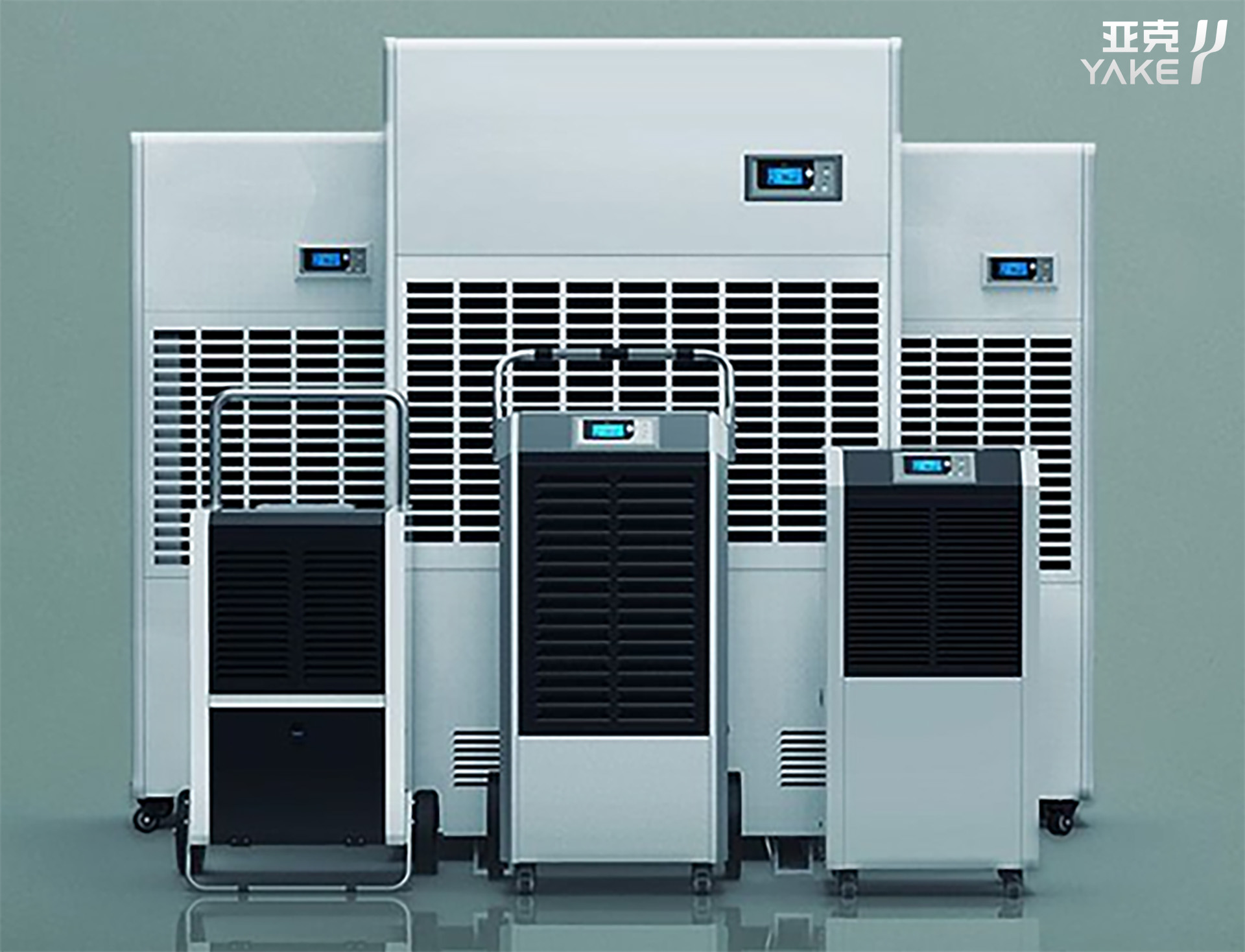
Contact us to find the best place to buy your Yakeclimate solution today!
Our experts have proven solutions to keep your humidity levels in check while keeping your energy costs low.