
Building 34, No. 535 Shunfeng Road, Hangzhou, Zhejiang, China
[email protected]
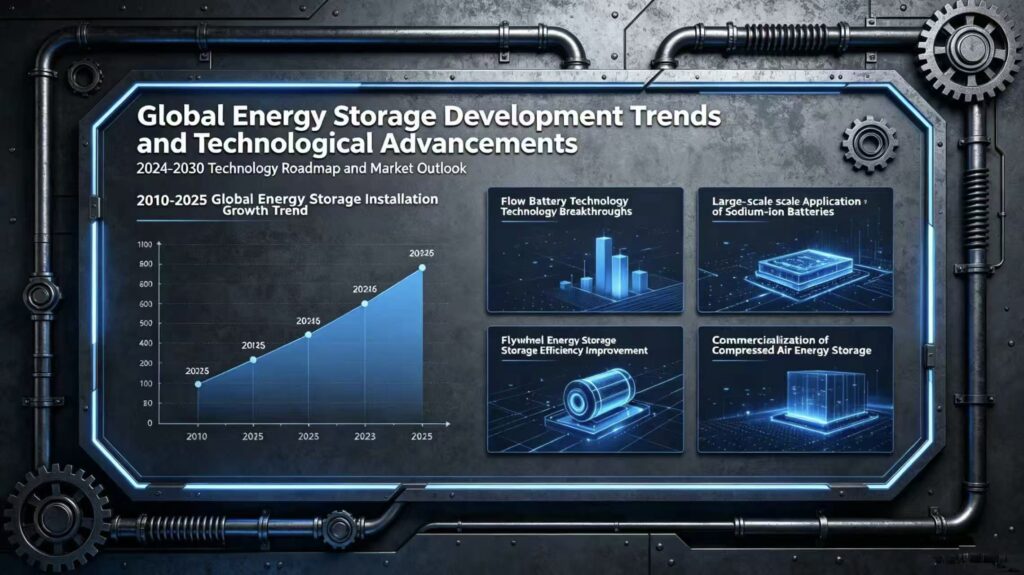


Energy storage development trends refer to the ways in which energy storage technologies, markets, and policies evolve over time. Top trends are fast growth in lithium-ion systems, increased attention on long-duration storage, and increasing use of storage with solar and wind to smooth output and stabilize the grid. From behind the meter batteries to multi-megawatt utility plants above 100 MWh, projects around the world are growing in scale. Costs continue to decline, with cycle life and safety enhanced by more advanced cell chemistry and system design. New materials, thermal storage, and hybrid systems see more real-plant trials. To provide practical context for industrial users and planners, the following sections dissect these trends by technology type, application, and projected impact on power systems and industry.
Storage has always sat at the heart of how plants maintain lines stable, preserve product, and now achieve more stringent energy and climate objectives. The transition from dumb bulk storage to clever modularity parallels what a number of facilities observe in their own power and climate initiatives.
The concept is vintage. Way back over 2,000 years ago, the Baghdad (Parthian) battery demonstrated that we could store a tiny electric charge. In the 18th century, Benjamin Franklin used the word “battery” for stacks of charged glass plates. By the 20th century, lead-acid batteries, almost identical to the ones still used in ICE vehicles, became the first real workhorses. They were crude by today’s standards, but they set up the basic trade-offs engineers still weigh: cost, cycle life, safety, and energy density.
For grid work, pumped hydro soon after took the mantle. Pumped hydroelectric, which involves water pumped between two reservoirs, provided gigawatt-scale storage with long life and low losses. Most countries still do. They require the suitable geology, huge up-front capex, and extended permits, which limits where plant managers may enjoy them.
As renewables proliferated, storage needed to evolve. High shares of wind and solar from Europe to China to North America compelled grids to cope with steep ramps and extended low-generation stretches. This propelled lithium-ion and other advanced chemistries into grid scale duty. The same lithium technology that shrunk down phones and hammers now parks in containerized systems by factories and data centers. These systems utilize advanced materials and control software to stack megawatt-hours in standard 20 or 40 foot containers so sites can incrementally add capacity in obvious, modular chunks.
Thermal energy storage (TES) tracked a parallel route. Old ice tanks employed crude full-load-shed modes to shift chiller use to off-peak hours. Recent TES designs introduce load leveling and partial-storage modes, enabling plants to trim peaks, ride through grid stress, and maintain humidity-critical zones stable during extreme weather. In dehumidification projects, TES can couple with high-efficiency industrial systems to reduce both cost and peak demand while still hitting tight dew points.
Energy storage is transitioning from pilot scale to core grid and plant infrastructure, with global capacity projected to exceed 100 GW as projects expand across North America, Europe, China, India and other key markets. Utility-scale systems now sit alongside solar and wind farms, with behind-the-meter storage sprouting rapidly in factories, logistics hubs, and commercial buildings, often linked to power quality and demand-charge management. Prices continue falling, thanks to even bigger factories, leaner supply chains and fierce competition, which in turn creates space for emerging business models such as storage-as-a-service and virtual power plants (VPPs) aggregating fleets of smaller assets into one flexible resource.
Lithium-ion retains its dominance because of energy density, established supply chains, and solid inverter integration, notably in NMC and LFP formats. Sodium-ion transitions from lab to field, boasting lower material costs and improved low-temperature behavior, whereas flow batteries (vanadium and nascent organic chemistries) exchange density for extended cycle life and straightforward energy capacity scaling.
Lithium-ion provides high energy density and round-trip efficiency and requires stringent thermal and safety management. Flow batteries offer long lifetimes and deep cycling, which are well suited for daily shifting, whereas sodium-ion aims at mid-range density with better safety and more abundant feedstocks. Solid-state batteries attract interest primarily from the auto markets in China, Japan, South Korea, and India due to greater safety and pack-level energy density.
Supply risk around lithium, cobalt, nickel and vanadium drives work on recycling and closed-loop logistics. Several areas pilot mandatory take-back targets, “battery passports,” and centralized recycling hubs by ports or EV clusters. Simultaneously, labs explore manganese-rich cathodes, cobalt-free chemistries, sodium-based solid-state, and aqueous systems to reduce both expense and raw-material strain in the coming decade.
Longer-duration storage comes into focus as grids add more solar and wind because 4–8 hour lithium-ion often cannot cover multi-day gaps or deep evening peaks. The long-duration market, at USD 4.4 billion in 2022, is expected to hit USD 15.1 billion by 2030, with a 27.9% compound annual growth rate led by policy assistance and capacity demand.
Flow batteries, CAES, liquid air, pumped hydro, and gravity-based systems all target 8 to 100 plus hour ranges. Non-lithium solutions pick up steam in Europe and the UK as ‘bankable’ options, with regulators appreciating firm capacity and system operators wanting storage to ride through long lulls in wind. The US DOE aims for a 90 percent cost reduction for systems with a duration of 10 hours or more by 2030, which, if achieved, would radically shift resource planning.
| Technology | Typical Duration | Main Use Case |
|---|---|---|
| Li‑ion (LFP/NMC) | 1–6 hours | Frequency, peak shaving, solar shift |
| Flow battery | 4–12 hours | Daily shifting, industrial loads |
| CAES / LAES | 8–40 hours | Bulk grid balancing, capacity |
| Pumped hydro | 6–20+ hours | Long‑term system backbone |
| Gravity‑based | 4–12+ hours | Grid support where geology allows |
Hybrid energy storage systems that mix lithium-ion with flow, supercapacitors, or mechanical storage increase in adoption as they combine fast response with longer duration and minimize cycling stress on each sub-system, resulting in lower lifecycle cost.
Distributed storage expands rapidly in residential, small commercial, and industrial campuses, frequently coupled with rooftop PV or on-site CHP. Today, numerous plants install battery containers adjacent to production halls or cold stores to reduce peak demand fees, back up mission-critical lines, and enhance power quality for sensitive process equipment and climate systems.
Prosumers—sites that both consume and feed power—constitute a greater share. Community batteries in dense urban centers capture excess solar from multiple roofs and then serve evening load. In off-grid locations or industrial parks, microgrids integrate PV, diesel, or gas with storage to stabilize lines, data rooms, and dehumidification systems during weak grid events.
More local storage enhances resilience since factories can coast through upstream faults and grid bottlenecks. It provides local autonomy on when to purchase from the grid, when to self-consume, and when to sell support services such as demand response or frequency control.
Control and coordination are the key challenges. Thousands of these little assets are more complex to schedule than a small number of large stations. They require secure communications, standard protocols, fair market regulations, and aggregation platforms that can integrate them into VPPs without introducing operational risk.
Software is increasingly directing how storage performs both at grid and plant level. AI and IoT platforms predict load, PV output, tariffs, and asset health, then optimize charge and discharge to reduce expense and support grid demand live.
Real-time monitoring of cell temperatures, state of charge, and degradation signatures reduces unplanned outages with predictive maintenance. Remote control allows operators to update setpoints, run test cycles, and re-stack assets across multiple sites from a single control room or service provider.
Digital platforms enable aggregation so that an array of tiny batteries can enter energy markets as one dispatchable block, frequently through VPPs integrated with smart grid infrastructure. The worldwide smart grid market, which was valued at approximately USD 43.10 billion in 2021 and is anticipated to hit USD 206.25 billion by 2030, provides the foundation for this, connecting meters, sensors, DERs, and market platforms.
AI use now spans data centers that co-locate storage to handle extreme AI training loads that can spike to 90% capacity in milliseconds. Front-runner technologies encompass EMS/DERMS suites from top grid vendors, cloud-native platforms connected to inverters and meters, and OEM-specific fleet-management portals that integrate storage, PV and load controls within industrial facilities.
Designing batteries for re-use and recycling shifts from ‘nice to have’ to core design principle as storage volumes and EV fleets scale. For that reason, many new packs utilize formats and chemistries that are more straightforward to dismantle, sort, and process so metals, plastics, and electrolytes can re-enter the supply chain.
Closed‑loop supply chains reduce the strain on mining and limit the risk of waste disposal. Some major manufacturers are concluding long‑term agreements with recyclers, investing in hydrometallurgical facilities, and following materials via digital IDs to verify recycled content and compliance.
Second-life use of EV packs in stationary storage grows fast, as packs retired from vehicles typically still have 70 to 80 percent capacity remaining — plenty for less dynamic applications such as warehouse peak shaving, backup, or coupling to industrial dehumidification systems to ride out grid dips. This recycling delay can increase total value obtained per unit of material.
| Manufacturer Type | Circular Strategy Examples |
|---|---|
| EV OEMs | Pack take‑back, 2nd‑life grid/industrial projects |
| Cell producers | Scrap recovery, recycled material in new cells |
| Storage integrators | Modular racks, easy disassembly, leasing models |
| Recyclers | High‑yield Li/Co/Ni recovery, regional hubs |
Energy storage is moving from mono-purpose batteries to integrated solutions that support vehicles, grids, and industrial sites of strategic importance. For plant and facility teams, this shift alters how they plan power resiliency, heat management, and humidity control around production lines.
Recent innovation is at the heart of materials and system design. Solid-state batteries (SSB) swap liquid electrolytes for solid ones to increase safety and energy density. Many of these roadmaps converge on wide SSB commercialization around mid-2028, initially in high-value markets such as EVs and luxury industrial backup. Meanwhile, hybrid storage systems pair lithium-ion with supercapacitors or long-duration energy storage (LDES), so a single asset can offer both rapid response and multi-hour or multi-day support. This is important for factories operating continuous processes, which can’t tolerate long restarts after grid events. Swaps like silicon anodes instead of graphite are crucial; silicon-based lithium-ion cells may achieve approximately three times the performance of graphite cells, which translates to smaller rooms, reduced mezzanine loads, and more adaptable layout around dehumidifiers and air systems.
Public and private R&D funding is a principal driver of the pace of these ideas. Government programs supporting nickel-manganese-cobalt oxide (NMC) cathodes did their part to drive EV-ready chemistries into widespread adoption. The same style of programs are now aimed at new cathodes, silicon-rich anodes, and sodium- or zinc-based systems that reduce dependence on limited raw-material supply chains. This research base enables countries such as the U.S. To reduce supply chain risk and maintain a stable energy landscape, which provides industrial operators more reliable access to storage hardware long-term.
Pilot and early commercial projects demonstrate how these technologies scale. Utilities test LDES assets that can run 10 to 100 hours to firm wind and solar, while industrial microgrids pair batteries with on-site renewables to slice demand peaks and keep lines steady in extreme weather. Global LDES market value is expected to increase from approximately USD 4.4 billion in 2022 to approximately USD 15.1 billion by 2030, at a CAGR of around 27.9 percent, driven by the demand for resilience spanning multiple days and optimizing the utilization of renewables to minimize emissions and grid losses. These same iron can condition power for ultra-sensitive gear, paint booths, and massive dehumidification draws in humidity-critical areas.
Key battery and storage milestones that support these trends include:
Energy storage is now at the heart of the world’s transition to cleaner and more efficient power systems. It connects climate goals, grid resilience, and daily reliability in homes, cities, and factories.
Energy storage growth is linked to decarbonization since solar and wind seldom align with human or industrial demand patterns. The sun hits its zenith at noon, and wind can lull for days on end, yet paint shops, cleanrooms, drying tunnels, and data centers hum to a rigid timetable. Without storage, grids have to rely on gas peakers or coal as backup, which cements emissions. With storage, operators can absorb excess renewable energy, then release it during evening peaks or shift changes, reducing the demand for fossil fuel ramping and driving countries closer to net-zero goals. In rapidly expanding sustainable markets, storage is emerging as the primary mechanism to maintain voltage and frequency within narrow bands as renewables soar beyond 40 to 60 percent of yearly production.
Lifecycle impact counts. Lithium-ion batteries deliver high round-trip efficiency and fast response, but they present challenges related to mining, water use and end-of-life waste. Flow batteries utilize more common and readily available materials, but they require more room. Pumped hydro has long lifetimes and low operating emissions, but it can change local ecosystems. Thermal storage, whether chilled-water or phase-change banks, shifts cooling loads and can be coupled with high-efficiency industrial dehumidifiers to cut peak demand in humidity-critical plants. A good strategy measures cradle-to-grave footprints, not just nameplate capacity.
Storage has to sit within national and corporate sustainability plans, not adjacent to them. At the country level, storage underpins grid codes, resilience goals, and diversification of economy plans, particularly where renewables, energy‑intensive industry, and climate risk are all on the upswing. At plant level, storage can back critical lines, stabilize power for precision equipment, and enable greater use of on‑site solar while maintaining strict humidity and temperature bands for quality and compliance.
Social and ethical issues permeate the whole chain. Mining cobalt, nickel, and rare earths presents labor and community dangers. Bad recycling can displace damage to low‑income areas. Sustainable power companies must have transparent material sourcing, effective recycling programs, and secure disposal methods for batteries and thermal media.
Systemic integration determines whether energy storage remains a pilot or scales across actual plants and grids. It connects technology, regulations, markets, and everyday practice and lies at the heart of any plausible route to net zero.
Regulatory and market rules still lag behind what modern ESSs can do. Most markets view storage as either “load” or “generation” and not both, which prevents it from receiving appropriate revenue for frequency support, peak shaving, or fast reserves. In some places, for example, DER grid codes do not yet fully address two-way power flow, so operators restrict export or capacity. Permitting can drag projects. Bad interconnection and cybersecurity coordination has led to delays of over 14 months, according to reports. For industrial users, this translates to stranded capital, locked-in high demand charges, and delayed upgrades to process stability or humidity control strategies that require stable power.
The technical hurdles lie primarily in connection standards and grid compatibility. Utilities require defined ride-through settings, fault current behavior, and control interfaces for storage and DERs. As DERs proliferate, tens of thousands of small systems inject electricity into distribution lines, causing intricate bi-directional currents. That requires sophisticated DMSs, secure communications, and rigorous cybersecurity. A weak link in data or control may halt a storage-plus-HVAC upgrade or disable a smart dehumidification system, even if the underlying hardware is solid.
A simple checklist by segment helps frame the work:
Energy storage is moving beyond single technology thinking to system level design where batteries, thermal and mechanical storage work alongside process loads, HVAC, and humidity control. For plant teams, the key filter is simple: does it scale, is it safe, and can it reduce both energy cost and risk over 20 to 30 years.
Emerging concepts now stretch across three broad families: electro-chemical, electro-mechanical, and thermal storage. On the thermal side, sand and brick-based systems store heat at 500 to 1,000 °C and employ off-the-shelf steel tanks, insulation, and resistive heaters. These units frequently exhibit minor decay, have 30-year project durations, and utilize uncomplicated materials you’re already familiar with purchasing and caring for. Similar concepts employ molten salts or molten hydroxides as “sensible” thermal storage, absorbing surplus solar or wind and discharging as process steam, hot air for drying lanes, or low-pressure heat that powers dehumidifiers and HVAC reheat coils. In several pilots, four-hour storage at round-trip efficiency near 70 to 80 percent is already demonstrated, which is sufficient to load-level and back up key spaces.
Hydrogen storage lies at the interface of energy and chemistry. That extra electricity powers electrolyzers to produce hydrogen, which is stored in tanks or caverns and then consumed in fuel cells, boilers, or direct-reduction kilns. This trajectory suits difficult-to-decarbonize industries such as steel, chemicals, and heavy transport. Yes, commercial use is growing, but actual large-scale, low-cost hydrogen storage will probably roll out in volume after 2030, as infrastructure, safety codes, and supply chains catch up.
Quantum and next‑gen electro‑chemical concepts are earlier stage but worth tracking. Quantum batteries and advanced redox systems provide ultra-fast charge, near-zero degradation, and water-based electrolytes that are non-flammable and non-toxic. Other long‑duration designs rely on iron‑air chemistry or compressed‑air energy storage in underground caverns, leveraging basic ingredients like iron, water, air, and concrete. A few startups and labs in Europe, North America, and Asia now announce pilot plants with bricks, molten hydroxides, and high‑efficiency compressed air, generally aiming for 10 to 100 hour storage windows and lifetimes over 30 years.
Energy storage now occupies the center of the new power system, not off to the side. Lithium iron cells, long-life flow tanks, behind-the-meter packs, and grid-scale banks all push in the same clear direction: more flexible, cleaner power.
Actual gains these days come from good fit, not hype. A mid-size plant might combine a short-duration battery pack with rapid drives and intelligent load management. A big site might combine solar, a four-hour battery, and a small thermal store. One steel mill, for instance, now peels peak load with a 10 MWh battery and straightforward control logic. It reduces grid strain and puts real money aside.
For your own site, map risks, set targets, stress test options, then contact a trusted storage partner to craft a plan that fits your loads, space, and budget.
Leading trends were fast-growing battery storage, longer duration systems, digital optimization and hybrid plants that pair storage with solar or wind. Developers prioritize lower cost, higher safety and better grid integration to enable more renewables.
Energy storage has evolved from pumped hydro and lead-acid batteries to advanced lithium-ion, flow batteries, thermal storage, and hydrogen. New chemistries and better control software boost performance, reduce costs, and extend system life, all to make storage more flexible and reliable.
Energy storage smoothes intermittent solar and wind generation. It stores excess power and discharges it on demand, balancing frequency and voltage. This minimizes curtailment, helps bolster grid reliability, and enables greater shares of renewables without compromising power quality or security.
Key challenges comprise grid connection delays, complex regulations, unclear market rules and limited revenue certainty. Technical issues like interoperability and cybersecurity count. Tackling these obstacles is key to driving investment and scaling storage deployments globally.
Energy storage development trends include lifecycle emissions, battery life extension, and reuse design in developers’ sights. Policies increasingly prioritize technologies that can demonstrate transparent supply chains, strong environmental performance, and circular-economy strategies.
These are something of the new frontier, with advanced flow batteries, solid-state batteries, thermal storage, compressed air variants and green hydrogen emerging as solutions. These ideas aim for longer duration, higher safety and lower total cost. Most are in pilot or early commercial stages, with promising potential in grid and industrial applications.
Falling renewable costs, grid decarbonization goals, EV adoption, and supportive policies are the main catalysts. Aggressive research, massive manufacturing, and smarter data drive performance up. Combined, these dynamics accelerate innovation and introduce novel storage possibilities.


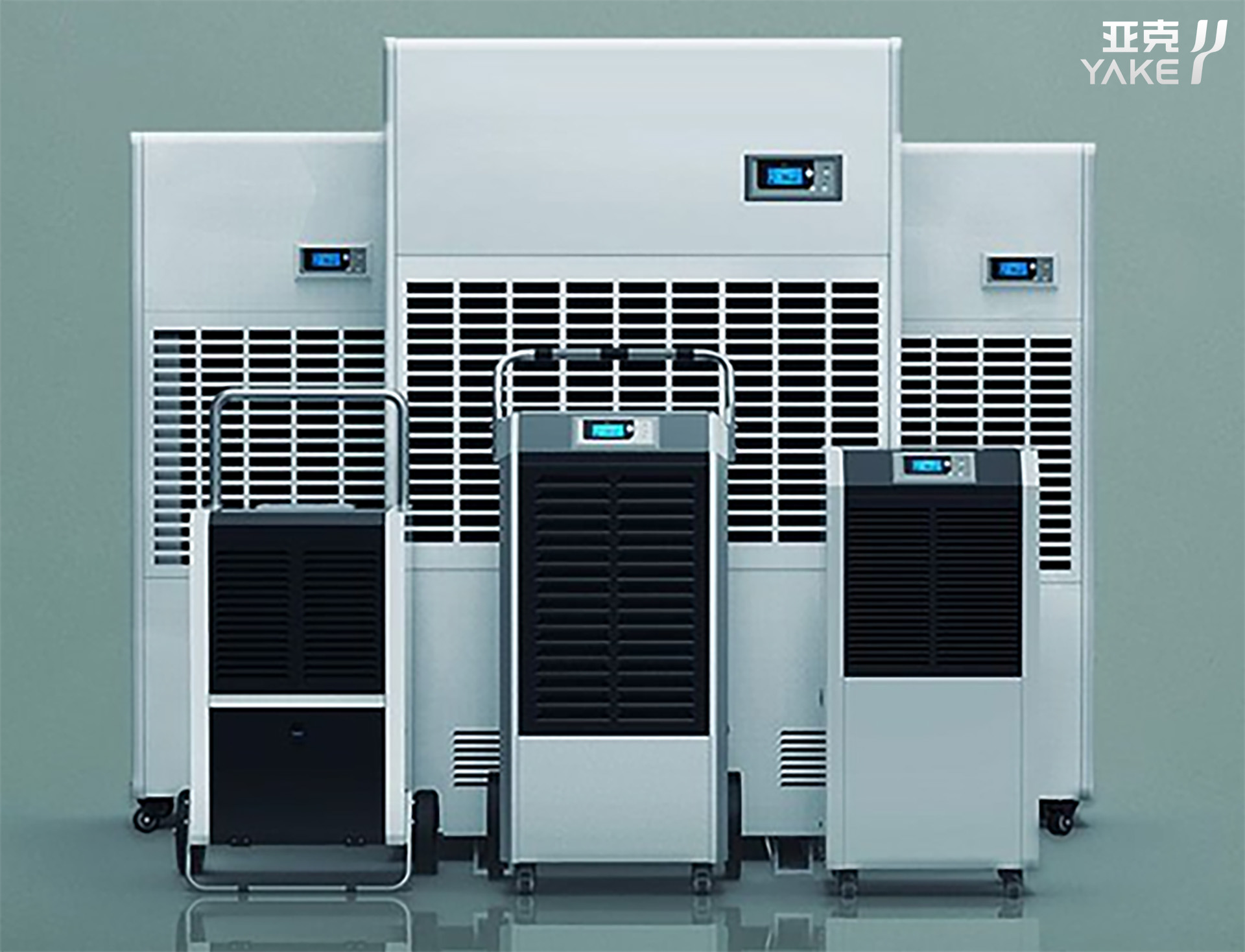
Contact us to find the best place to buy your Yakeclimate solution today!
Our experts have proven solutions to keep your humidity levels in check while keeping your energy costs low.