
Building 34, No. 535 Shunfeng Road, Hangzhou, Zhejiang, China
[email protected]


Temperature and humidity control in AC systems means conditioning air for coolness and dryness in workspaces. AC units pull heat and moisture from the air and then employ sensors and control boards to maintain set points for both. Most plant floors, cleanrooms, and labs require both stable temperature and precise humidity. Proper control prevents mold, rust, and static that ruin products or equipment. Most AC systems have smart dehumidifiers or add-on modules to tweak the balance. Yakeclimate’s AC solutions employ high-tech sensors and control to deliver rapid, stable results. These configurations assist plants in satisfying stringent codes for indoor air quality and safety. In the next sections, discover key steps and tech options for best air control in contemporary industry.

AC systems don’t just cool; they control moisture as well. In industrial spaces, where strict humidity control is important for both products and processes, each step in the AC cycle defines the indoor environment. Better awareness of these stages sheds light on how efficient humidity control actually operates, why it can occasionally fall short, and what services, such as cutting-edge dehumidifiers, add the most worth.
AC units begin by sucking in interior air. This air tends to be very moist, particularly if entering a manufacturing area or humid climate. Once relative humidity reaches 60% or above, the air becomes sticky and stuffy, affecting worker comfort and product stability. Smart HVAC systems use sensors to monitor these levels and adapt intake accordingly. Bad intake design or clogged filters, for example, can throw this process off and cause uneven dehumidification and sources of excess moisture.
Air then crosses the evaporator coil. This coil, refrigerated with refrigerant, cools the air passing over it. As the air cools, its capacity to hold water decreases, causing water to condense. It is the coil’s efficiency that controls the amount of water that gets pulled from the air on each pass. In industrial settings, coils have to accommodate high airflow rates without freezing or overload. The trick is not just proper coil size and cleaning, but that oversized systems cool the air too quickly, missing the opportunity to dehumidify it.
There, water vapor in the air turns liquid as it comes into contact with the coil’s cold surface. This is the crucial step. The greater the surface contact, the more moisture is trapped. Poor cooling or dirty coils minimize condensation, allowing extra humidity to seep through. High-performance AC systems, particularly those with variable speed controls, take this stage to an ideal by tuning capacity to load, avoiding both stale dryness and residual dampness.
Condensed water drips down from the cooling coil into a drip pan and out a drain line. Industrial spaces need dependable drainage to prevent leaks, mold, or equipment damage. Blocked or undersized drains can cause water backup, which results in expensive repairs and downtime. Consistent drain inspection and maintenance keeps the system running without interruption, leaving your floors, machines, and products dry.
Once the moisture is extracted, the cooled, drier air recirculates through the workspace. AC systems need to provide air at 45 to 55 percent relative humidity for each chamber for optimum performance. If the system is oversized or short cycles, it will cool but not dehumidify well, leaving air clammy. Adding dedicated dehumidifiers, particularly in such high-moisture environments, safeguards delicate equipment and maintains performance. Well-balanced humidity keeps product defects, musty odors, and damage to building materials at bay.
Temperature and humidity go hand in hand in all air conditioning systems. Both sculpt the air of factories, kitchens, and offices. Humidity holds more heat, so we feel hotter on humid days even when the temperature remains constant. This makes the job of air conditioning systems much more difficult, particularly in large plants or production lines. Humidity isn’t merely for comfort; it’s for control, safety, and quality.
Ideal indoor humidity is under 50%. This keeps mold at bay and halts damage to floors, wallpaper, and paint. It reduces discomfort for employees and fragile goods. Drop below 35% and they swing the other way. Air becomes dry, static sizzles, and things crack or peel. In industrial spaces, that balance matters even more. Excess humidity can destroy electronics, ruin medications, and compromise glues. Too little can make static discharge a safety hazard and brittle components more prone to breaking.
HVAC systems not only cool or heat air—they serve as the first line of defense in maintaining consistent humidity. Smart system design, precise installation, and consistent maintenance all contribute. Certain A/C units have dehumidifiers built in, a summer’s must in sticky climates. On sticky days, it’s worth it to keep all windows closed. This prevents external humidity from entering and allows the HVAC to be effective. Sometimes a stand-alone dehumidifier, like those Yakeclimate makes, is required for complete control. These units remove additional moisture from the air to maintain a safe and stable environment.
In factories, it translates to less wear and tear, fewer shutdowns and maximum output. That’s what Yakeclimate systems are designed for, with sensors and intelligent controls monitoring and regulating both temperature and humidity. This in turn saves energy and keeps things running just right. The link between temperature and humidity is clear: when both are managed well, comfort, safety, and productivity all rise.
It’s complicated, temperature and humidity control in AC systems. A lot of things can throw this off, making it difficult to achieve the optimal 30% to 50% relative humidity. Even the best systems have a hard time, particularly in tough industrial environments or locations where the outdoor humidity frequently exceeds 70%. For quality-driven and compliance-driven industries, knowledge of these factors is essential to avoid production risks, equipment concerns, and energy inefficiencies.
An oversized air conditioner cools the air too fast and doesn’t run long enough to extract moisture. The room is clammy, not cozy. This is typical in plants that have enhanced cooling but didn’t right-size the system to their actual needs. A right-sized system cycles longer, consistently extracts moisture from the air, and maintains humidity control. Undersized systems can have a tough time, as they can’t keep up on humid days, allowing moisture to accumulate. Sizing needs to be consistent with both heat and moisture loads of the facility, not just floor space.
When condenser coils get dirty frequently due to humid, dusty outdoor air, the system becomes less efficient. Heat transfer plummets, the refrigerant won’t cool as much, and the evaporator coil can’t get cold enough to condense water. This translates to less drying and more moisture indoors. Coils require frequent cleaning, especially in factories with airborne dirt or near loading docks. Failing to do so results in increased energy consumption and poor humidity management.
Fan speed is huge. If the indoor blower runs too fast, air blows across the cold coil too quickly. It becomes cooler, but there is not enough time for water to collect and run off. This leaves the air muggy. Certain ACs just run at one speed, turning on and off. This will induce humidity spikes, particularly if the system is oversized. Variable-speed systems provide more effective control by running slower for longer and extracting more moisture. Tinkering with airflow allows a tech to make the coil colder and thus better dehumidify when necessary.
Older ACs lose their edge. Parts wear, controls drift, and seals leak. Humidity control takes a hit with efficiency. Older systems are less likely to include variable-speed fans or advanced sensors, both of which help keep humidity under control. Proper upkeep and periodic upgrades are necessary. If you’re in a high-stakes industry, spending on state-of-the-art dehumidification is a no-brainer for compliance and energy savings.
Advanced humidity management is a long way from simple air conditioning. It focuses on the genuine demand for consistent, accurate indoor conditions, particularly in specialized areas such as laboratories, cleanrooms, and luxury manufacturing spaces. The right systems employ not just smart thermostats but advanced sensors, things like hygrometers, to maintain humidity in that optimal 30 to 50 percent range. This aids in safeguarding health, comfort, and equipment integrity.
Smart thermostats provide real-time control, allowing users to set and maintain stricter temperature and humidity goals. These systems cooperate with humidity and temperature sensors to monitor conditions, adjusting as necessary to prevent overheating or excessive fluctuations. This prevents air from feeling sticky after humidity exceeds 60 percent. Reducing humidity can help stop mold, maintain fresher air and reduce respiratory hazards. For instance, in electronics assembly, steady humidity wards off static and condensation, two leading culprits of equipment malfunction.
Smart thermostats can save energy automatically. In summer, air feels cooler at lower humidity, so users can increase the set temperature and maintain comfort. In winter, infusing just the right amount of moisture prevents air from feeling arid, safeguards wood and eliminates static. This allows riders to turn the thermostat down a few degrees and still feel warm, decreasing heating bills.
DIY humidity controllers are now more common, particularly in smaller or retrofitted facilities. These can be as simple as plug-in modules or more complex, with programmable logic and linked sensors. They do not compare to the precision of advanced integrated systems, but they provide plant managers an extra level of management for trouble spots.
A lot of these DIYs are based on regular checking. Air filters should be cleaned or replaced every 1 to 3 months. If missed, humidity control plummets and air quality declines. A few operators supplement with simple hygrometers to spot-check humidity, particularly in newer, heavily insulated buildings that can hold onto moisture.
DIY controllers fill in the cracks where budget or scale can’t support a full upgrade. With thoughtful installation and maintenance, they can still maintain rooms in the healthy 30% to 50% humidity range, prevent mold and increase comfort.
HVAC system in addition to controlling the set air temperature. It forms the entire indoor climate. That is, considering humidity, air flow and heat transfer, not merely the thermostat. A good system keeps the air fresh, the humidity controlled, and the energy costs down. It all works hand in hand.
Humidity is the frequently forgotten element. Generally, we thrive when the air maintains between 45% and 55% relative humidity. Over 60% mold grows quickly, wood floors expand, and equipment rusts. Under 30% skin dries, static flies, and a lot of folks get nosebleeds or coughs. Factories with the wrong humidity experience more defects, more rapid wear on machines, and increased expenses. That’s why plant managers deploy industrial dehumidifiers and even humidifiers, particularly in winter when heating dehydrates the air.
Good air filtration is another core component. Filters utilize basic physics to ensnare dust, pollen, and even microscopic particles. Large bits hit and stick through impaction, while small ones get caught as they brush fibers through interception or bounce around and stick through diffusion. A few filters employ static to attract even more. If filters are old or cheap, fine particles elude. That damages both health and quality.
Efficiency is equally important. Heat transfers by conduction, convection, and radiation. A smart HVAC design achieves this balance by sending heat where it belongs, not out the window. Heat pumps, for instance, often achieve three hundred to four hundred percent efficiency, which is a reason they are a favorite in factories and offices alike. Ductwork matters as well. Dirty filters or ducts that leak or are too small require the system to work harder and waste energy.
Sustainable design is caring about the entire chain. Yakeclimate works with engineers and managers to tailor systems to the task. We consider the actual perils, humidity, dust, and thermal shock, and pair solutions. A system optimized for temperature and moisture conserves energy, reduces waste, and protects people and products.
Proper humidity is the secret to healthy air, stable materials and affordable climate control. In factories and dwellings both, it defines coziness, wellness and profit. The correct range of 35% to 55% relative humidity maintains good air quality, protects materials and keeps systems humming.
Humidity swings exacerbate respiratory issues. High humidity encourages dust mites and mold, which is a nightmare for asthma or allergy sufferers. Low humidity dries out nasal passages and skin, causing irritation, scratchy throats, and even nosebleeds.
Sleeping in dry air, which is common in winter, tends to induce coughing and sore throats. Children and the elderly absorb these effects the most. In humid climates, mold growth and musty air can cause allergic reactions and respiratory issues. Maintaining humidity within its optimal range reduces these hazards and creates healthier and more pleasant environments for home and office.
Air humidity influences content in any room. Wood floors and furniture can warp or shrink when humidity swings too far in either direction. Low humidity makes wood crack and paint flake. When humidity is too high, it ruins your house with swollen, sticking doors and mold in corners or crawl spaces.
Your electronics and machinery in industrial settings are in danger. Corrosion, static, and condensation damage equipment and interfere with flow. Stable humidity preserves these investments. In manufacturing, controlled humidity maintains sensitive products, such as electronics or pharmaceuticals, within specifications, which avoids expensive defects or recalls.
Balanced humidity puts less strain on heating and cooling systems. If air is too humid, air conditioners have to work harder to remove the moisture, using more energy. If it is too dry, people turn on humidifiers, contributing to electric bills. When your humidity is well-managed, you don’t need to bring in additional equipment like fans or dehumidifiers.
Seasonal shifts cause big swings in humidity, which strains HVAC systems. With great control, you can size down systems, reduce waste, and save money all year long. Energy-efficient climate solutions such as those from Yakeclimate fuel sustainability goals and ensure regulatory compliance for industries focused on reducing their carbon footprint.
To keep a plant or lab running smooth, you have to have a tight grip on both heat and moisture. Simple AC chills air but creates issues in wet control. Weather shifts, leaks, or big use changes will knock the balance off. High-end systems supplement these controls with smart sensors, fast fans, and strong dryers. These assist in maintaining heat and moisture balance just right, even in challenging locations. Tools such as these prevent rust, mold, and loss of parts or products. For food lines, labs, and chip shops, this leaves a big impact on yield and expense. For additional tips or tailor-made configurations, contact the Yakeclimate crew. Ensure the proper climate for your plant and maintain productivity.
AC systems dehumidify the air as they cool it. That’s what occurs when warm air brushes against cold coils. Water vapor condenses and drains away.
Lowering the temperature frequently lowers humidity. When air cools, it can’t retain as much water, so AC systems instinctively dehumidify while cooling.
Dirty filters, oversized units, or bad maintenance can keep humidity from being controlled effectively. Air leaks and outdoor humidity make it more difficult for AC systems to handle moisture.
Optimal humidity prevents mold, protects furniture, and increases comfort. It diminishes health hazards associated with dry or too moist air.
Newer AC systems can incorporate variable-speed fans, smart sensors and dehumidifiers. These systems modulate operation to keep indoor moisture constant.
No, thermostats primarily control temperature. Controlling humidity typically requires separate humidity sensors or built-in dehumidifying capabilities in the AC system.
Proper humidity is maintained by routine AC maintenance, utilizing a dehumidifier, and sealing up windows or doors. Choose an advanced humidity management system AC for optimal outcomes.


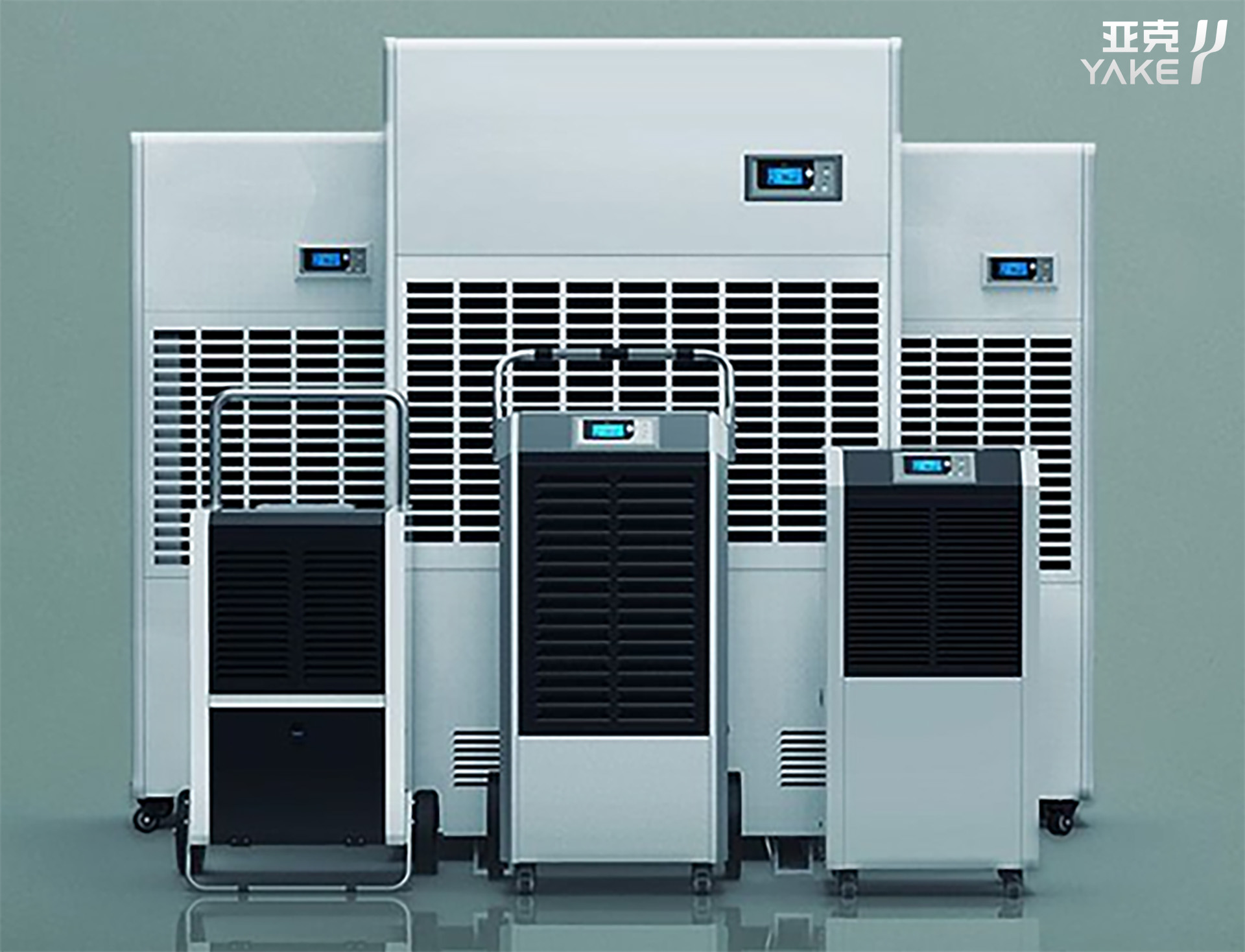
Contact us to find the best place to buy your Yakeclimate solution today!
Our experts have proven solutions to keep your humidity levels in check while keeping your energy costs low.