
Building 34, No. 535 Shunfeng Road, Hangzhou, Zhejiang, China
[email protected]


Weed growing jobs in LA offer such diverse work, from indoor farming and plant care to facility management. A lot of positions require expertise in horticulture, environmental control, and safe handling of yields. The vast majority of work sites apply rigorous protocols for handling, tracking, and securing crops. Hands-on skill, an eye for detail, and a little tech know-how are prized by companies. The following section will present key job categories, required skills, and work patterns in this area.

Los Angeles cultivation jobs span the spectrum from tangible plant care to sophisticated lab work and management. Local regulations, age restrictions (21+) and licensing dictate these positions. Thanks to the city’s medical and adult-use cannabis framework, there are more positions to be filled and more regulations. Here’s a breakdown of common positions and their responsibilities:
| Role | Key Responsibilities |
|---|---|
| Budtender | Advise customers, handle transactions, explain products |
| Cultivation Assistant | Water, prune, transplant, monitor plant health |
| Extraction Technician | Operate extraction equipment, process cannabis into concentrates |
| Analytical Testing Staff | Test products for quality, safety, and potency |
| Cultivation Manager | Oversee grow operations, scheduling, compliance, staff management |
| Inventory Specialist | Track stock, manage orders, maintain records |
| Sanitation Technician | Clean facilities, follow hygiene protocols, prevent contamination |
| Packaging Technician | Package products, label, maintain quality standards |
Positions such as budtender or cultivation assistant are the primary entry-level jobs. Budtenders are in dispensaries, assisting patrons in selecting products and describing effects, so excellent interpersonal skills are crucial. Cultivation assistants handle daily plant care by watering, trimming, and keeping the grow space clean. These positions usually entail shift work and trips downtown LA. Age restrictions and area laws are harsh, and a simple permit might be necessary.
A lot of people begin here and advance. Getting down the fundamentals of plant care, customer needs, and abiding by rules paves the way for more technical positions like extraction or testing tech. Entry-level roles are their own step to bigger things in the industry.
Niche positions such as extraction technicians, who wield machinery to transform raw plant material into oils or concentrates. These positions require technical expertise, including knowledge of solvents, lab safety, and equipment. Analytical testing staff conduct lab tests for quality and safety and must be trained in chemistry or biology.
Certifications count more here. Lots of labs in LA want proof of skills, for example, a chemical safety certificate or a license. Demand for these roles continues to expand as the industry grows and safety regulations get harder.
Management in cultivation is managing the entire production. Cultivation managers plan plant schedules, supervise staff, manage compliance, and ensure each plant hits yield goals. They need to understand LA’s cannabis laws because every single city regulation can impact operation.
Leadership skills are as important as plant knowledge. Managers need to maintain focus and momentum among teams, innovate solutions to problems, and navigate changing guidelines or technology. Others advance into senior roles, overseeing multiple sites or corporate operations as the industry expands.
Ancillary roles make everything hum. Inventory specialists monitor each item and request. Sanitation technicians ensure grow rooms remain hygienic, preventing mold and pest infestations. Packaging techs label and seal products under stiff regulations for safety and quality.
These positions require a detail-oriented and efficiency-focused mindset. They’re crucial because rotten inventory or inadequate sanitary conditions can wreck months of efforts. Ancillary staff connect each piece of the operation, assisting in maintaining harvests and margins high.
LA’s Cannabis Growing Jobs Require Unique Blend of Technical and Local Skills to Navigate Demand and Regulations. Each position on a grow team – be it a hydroponic farm, vertical set-up or grow house – depends on clear communication. Growers, trimmers and lab staff need to be one. Straightforward, face-to-face communication facilitates the exchange of information on plant condition, pest inspection and environmental controls. Members of the team are often using very simple apps or logs to track these. In locations like LA, being bilingual in Spanish goes a long way as a lot of crews are as diverse as they get. I can’t tell you how often I saw growers and packers alternating between English and Spanish to confirm we were all on the same page and errors were caught early.
A complete understanding of cannabis farming techniques is a necessity. Workers should understand how to handle light, air, water, and nutrients at each growth phase. Positions in this niche typically seek candidates with knowledge of hydroponic systems, LED lights, or even manual pre-roll labor. That’s because every technique requires its own steps and timing, and minor errors can damage both yield and quality. Local skills in schedule wrangling are key. Plants operate on strict schedules and being off a feed or light change by even a few hours can derail an entire batch. A lot of work implies shift work at inconvenient hours or being on the road between locations. Flexibility and the grit to cope with these demands is frequently what separates the most adept workers.
That’s where your eyes will come in handy, as keeping a sharp eye for detail is what keeps product quality high from seed to sale. This skill is most obvious in work such as trimming, labeling, and packaging finished blooms. Employees have to detect mildew, strange odors, or discolored foliage well before the goods hit the market. Labeling takes caution as well—each package has to comply with regulations established by California’s Bureau of Cannabis Control. Even minor mix-ups in batch numbers or warning labels can mean a fine or a recall. Background with quality control tools or techniques, such as digital scales or moisture meters, is a major plus for anyone looking to advance in a grow operation.
Being aware of and adhering to local regulations is more than a legal nicety. It is an everyday professional skill. All workers should be aware that California law requires a minimum age of 21 for cannabis jobs. Training includes how to manage, transport, and market cannabis locally. Certain positions require employees to maintain logs for state audits or spot checks. All should be aware of waste disposal and security protocols. If you’ve worked in compliance or in a regulated market before, you’ll be in great demand. Being able to troubleshoot, improvise, and create solutions for things like climate swings or supply delays has a big impact.
Los Angeles cannabis cultivation regulations are a web designed to maintain the safety, legality, and sustainability of the industry. California’s MAUCRSA sets the tone by giving the market one clear set of rules. That framework guides body growers and retailers to understand what is expected. In reality, the roadway through regulation is often complex and may feel difficult to navigate, especially for newcomers or smaller-scale operations.
How to navigate LA’s licensing page. All cannabis businesses in LA need permits appropriate to their activity, be it cultivation, selling, or distribution. Both the city and state need applications that include business practice as well as staff background and security checks. These applications are lengthy and require you to carefully read over every detail. A missed item or ambiguous response can delay or derail license approval. For instance, a cultivator has to demonstrate how they handle waste, regulate energy consumption, and maintain safety and security. There are restrictions on water usage, odor control, and requirements to trace each plant from seed to sale. This degree of regulation provides assurance to consumers and goes a long way toward keeping the black market out of the mix.
Stay on top of new law. With more than 500 staff, the DCC regularly revises regulations to align with emerging science, public input, or shifts in federal policy. It can impact just about anything, ranging from cannabis cultivation to sales and taxes. Industry insiders, particularly regulatory specialists, need to monitor such shifts. Their job is to assist businesses in making sense of the updates, adapt their practices where necessary, and sidestep expensive errors. For example, LA’s new sustainable cultivation rules are putting an emphasis on energy and water consumption, encouraging growers to embrace eco-friendlier practices and invest in energy-efficient equipment like updated dehumidifiers.
Compliance isn’t just a box to check; it’s a way of working that keeps a business open and trusted. Businesses that violate ordinances risk fines, loss of license or even criminal penalties. Social equity steps, including the clearing of cannabis convictions via AB 1793, indicate that the system is actively attempting to right previous injustices and provide individuals greater opportunity to enter the industry. Compliance means knowing these rules and integrating them into daily work.
The LA pot industry’s boutique vs. Corporate divide. This divide structures jobs, day-to-day work, and long-term careers. Knowing these distinctions assists employees and employers in selecting the appropriate workplace for their abilities and principles.
Boutique cannabis businesses are often small teams that focus on niche or high-quality products. They may offer hand-crafted or artisanal goods and build close ties with local buyers. Work culture in these businesses is usually flexible. Staff often wear many hats, taking on roles from cultivation and quality control to direct sales. This gives workers a broad skill set, though the pace can be fast and sometimes unpredictable. Decision-making is direct, with owners or managers working side by side with staff. This setup can foster a sense of belonging and ownership, but it comes with challenges. Smaller groups have a harder time handling strict rules and paperwork. The costs of lawyers, consultants, or meeting local codes can be high. For some, this makes it tough to compete with bigger firms.
Notwithstanding these obstacles, boutique operators find distinctive new ways to break through. Space for innovation exists in companies that develop new extraction techniques or provide packages on a monthly basis. These experts can occupy market niches that the big firms miss. Boutiqueness tends to appeal to buyers who want to buy something different than what the mass market is offering.
On the other side of the boutique / corporate divide are the bigger cannabis companies, which naturally have more funds and staff. This allows them to put resources into R&D. They’ll be able to install fine-tuned climate controls, implement sleek dehumidifiers and monitor every growth stage for optimized yields. These companies often have defined positions, from plant care to compliance and logistics. The work might be more regimented, and there might be less space for imaginative work outside your primary employment. For professionals, it results in more delineated career trajectories, superior training and, at times, greater compensation or perks. The culture can be much less personal with more rules and less freedom in your daily work.
Company size impacts jobs in real ways. In boutiques, a grower may do customer service or inventory. In a corporate environment, jobs are more specialized. One person may monitor lighting alone, another monitors plant health. Wherever they go, demand exists for people who know how to keep the climate just right, the humidity at the right level, and the plants healthy. Yakeclimate’s solutions, for instance, suit both scales, providing steady and energy-saving systems for whatever the configuration. As the industry expands, boutique and corporate will continue to sculpt career opportunities and expertise in this arena.
Cannabis cultivation is an international industry, and hiring trends, laws, and job titles vary by location. As the cannabis industry scales across North America and beyond, career paths diversify. For agriculture jobs outside of California, climate control and facility management are key to productivity and compliance.
Ohio’s medical marijuana market is expanding its ranks, particularly within cultivation and facility operation. Remaining current job listings include trimmers, cultivators, and post-harvest techs. Retail dispensaries employ front-line staff, budtenders, and compliance coordinators. Nearly all require expertise in plant care, state compliance, and sanitation of the facility.
Klutch Cannabis and Ascend Wellness are two important players. Both operate warehouse-scale indoor farms. Pure Ohio Wellness and Cresco Labs grew in the state, which has resulted in additional jobs for seasoned cultivators and compliance experts. Every company has its own training and career growth opportunities.
Ohio has state regulations that are rigid. Operators require a state license and employees have to adhere to standards on plant tracking, waste management, and facility entry. It fuels demand for compliance jobs and regulatory audit veterans.
So the cannabis job market in Ohio is about to get even bigger. With increasing cultivation licenses and dispensary growth, there is a consistent need for experienced employees. Entry-level and management positions alike are sought after, indicative of the industry’s maturation.
Cannabis cultivation jobs in LA present numerous routes, molded by the city’s enormous and rapidly expanding cannabis sector. The industry is worth $5.37 billion in 2023 and has more than 83,000 jobs in cultivation, retail, manufacturing, and corporate areas. It is expected to grow at a rate of 9.4% per year until 2030. This market provides stable careers for indoor farming, vertical agriculture, and sustainability-focused professionals. The following table shows the main career paths and the skills needed at each stage:
| Career Level | Example Roles | Key Skills and Experience |
|---|---|---|
| Entry-Level | Cultivation Technician, Trimmer | Plant care basics, schedule management, physical stamina, attention to detail |
| Mid-Level | Grow Room Supervisor, Compliance Coordinator | Organization, plant scheduling, team leadership, knowledge of regulations |
| Senior/Management | Head Grower, Facility Manager, Regulatory Specialist | Strategic planning, advanced cultivation, regulatory compliance, operations management |
| Specialist/Consultant | Environmental Technician, Sustainability Consultant | Climate control, energy efficiency, sustainable practice know-how, technical troubleshooting |
Critical skills that advance your career in this industry are general organization, schedule management, and plant scheduling. Facilities love a grower who can keep operations on schedule, compliant, and sustainable growing. Regulatory specialists play an important role in California, where cannabis regulations are tough and constantly evolving. Their expertise assists in maintaining enterprises operational and lucrative.
Career advancement generally translates to additional training and certifications. Courses in gardening, regulations, pest control, and environmental control can advance you. Most universities and tech schools have short courses or certificates on how to farm the latest techniques, eco-friendly practices, and regulations. For instance, a certificate in sustainable agriculture or a lesson in energy-efficient facility management can differentiate you in a saturated job market.
Networking is just as important as technical skills. A lot of professionals gravitate towards industry groups, local cannabis expos, or online forums. Networking helps you hear about open jobs, new regulations, and exchange solutions for day-to-day problems. Community ties are particularly important in L.A. Where innovative equity initiatives provide grants, loans, and licensing assistance to help fresh and underrepresented applicants launch. They reduce friction for communities damaged by previous cannabis regulations, making the industry more diverse and innovative.
In this field, there’s robust demand for innovation-minded dreamers with a heart for sustainability. Employers desire employees that can drive energy reduction, renewable transitions and optimize plant health via precision climate control. Climate Albuquerque: Companies like Yakeclimate assist this shift by providing energy-saving dehumidifiers and recommending accurate climate management. These initiatives align with the industry’s dedication to legal, safe, and green cannabis, demonstrated by 86% of Californians now prioritizing purchasing from legal sources.
Growing in the LA cannabis world requires genuine hands-on work and keen skill. Local cultivators have to understand the regulations, operate with precise protocols, and transition from large corporations to boutique operations. Every patch demands its own expertise, from nutrient schedules to bug maintenance. Skills in one state can assist you in working in others, too. There are a lot of people who begin as trimmers or assistants and advance as they gain experience. Jobs turn quickly and new tools offer more places to plant. If you want stable work and an opportunity to learn, the LA market opens up doors. Curious to find out where you belong? Scan local job boards, visit growers, or chat with industry people. That next opportunity can be yours.
Roles such as growers, trimmers, quality control professionals, and facility managers are opportunities you can find. We have entry-level and skilled positions available depending on your experience and education.
Yup, tons of jobs need a state permit and background check. Employers frequently aid new employees in completing the process.
Cannabis cultivation jobs in Los Angeles. Hydroponics or greenhouse experience is a huge plus.
Laws are tight. Workers should adhere to safety, security, and handling procedures. Frequent training and compliance checks are typical.
Boutique growers provide smaller teams and more hands-on experience. Corporate growers offer more structure, larger facilities and typically increased job security.
Yes, a lot of entry-level positions provide training. Work hard and be willing to learn, and you will find your opportunities in the industry will open up.
Most positions require US work authorization. All international applicants must have valid visas or permits to qualify.


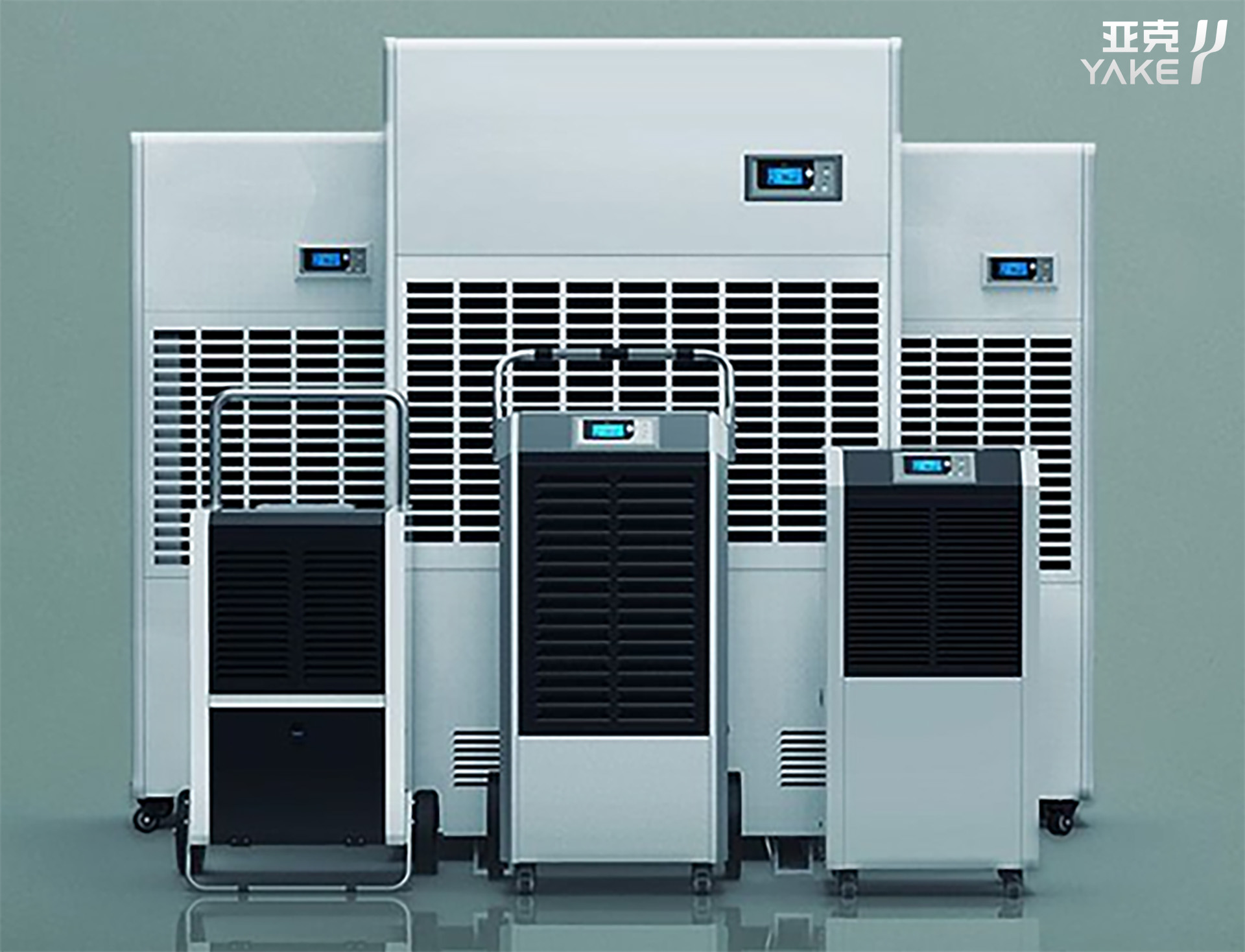
Contact us to find the best place to buy your Yakeclimate solution today!
Our experts have proven solutions to keep your humidity levels in check while keeping your energy costs low.