
Building 34, No. 535 Shunfeng Road, Hangzhou, Zhejiang, China
[email protected]
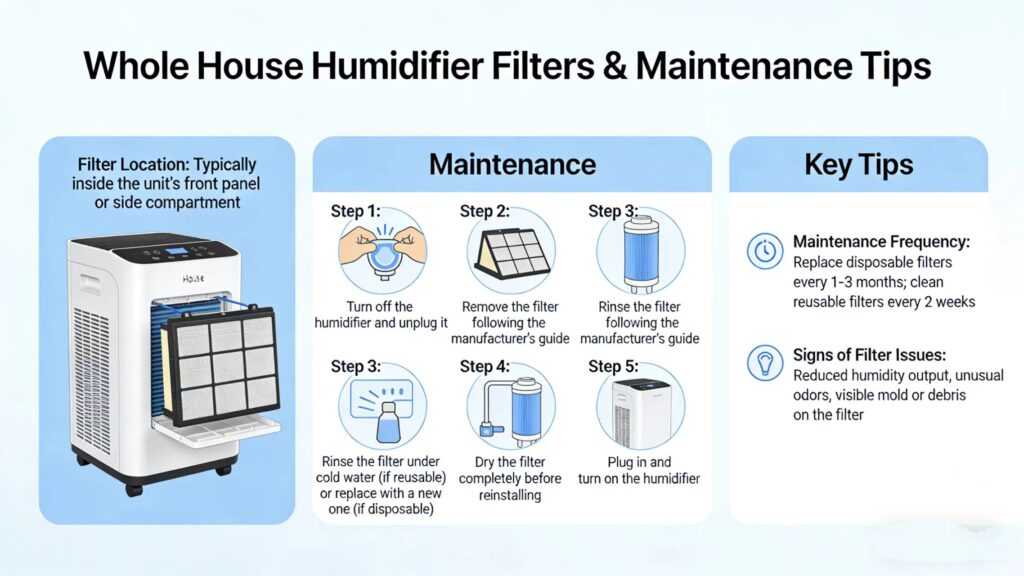

Whole house humidifier filters are crucial components that assist in maintaining moisture and cleanliness in the indoor air of several homes. These whole house humidifier filters capture dust, pollen, and other tiny particles, so the air remains fresh as the humidifier infuses water vapor. A quality filter will reduce allergy issues and prevent dry skin or sore throats from occurring, particularly in cold weather. They require basic maintenance such as rinsing or replacing every few months for optimal performance. Many varieties fit different humidifiers, so it’s wise to verify the correct size and composition. To maintain your system’s efficiency, choosing the right filter and replacing it promptly goes a long way. Next, learn how to select and maintain these filters.

Whole house humidifier filters are essential in keeping the indoor air moist at just the right level. They help disperse water effectively and capture minerals, preventing your house’s air from being dirtier and less healthy.
A humidifier filter disperses water evenly within it. This even distribution ensures that all of the filter becomes damp, allowing the humidifier to continuously release moisture into the air. If the water doesn’t cover the filter sufficiently, dry patches develop and the humidifier cannot function properly. This damages both efficiency and comfort.
Good water flow prevents the filter from clogging with mineral deposits, dirt, or mold. If you don’t watch the water level or check for clogs, the system can become sluggish or stall. Humidifier Filters at Work Checking water levels and searching for blockages assist the device in lasting longer and performing better through dry spells.
How much water the air can hold is based on temperature and the moisture level of the filter. A filter in prime condition allows your humidifier to achieve the optimal air moisture, benefiting comfort and health.
Monitor it with a basic, affordable hygrometer. Turn your humidifier up or down if the air becomes overly dry or damp. Once that air remains at a good moisture level, people with breathing problems or dry skin experience big differences.
Humidifier filters balanced air prevents dry noses and coughs. You can relocate your humidifier or operate it at varying strengths in each room to maintain consistent humidity throughout your entire home.
A filter that captures minerals prevents them from becoming airborne and keeps the humidifier running smoothly. Neglecting filter changes lets minerals grind away at components and decreases air quality.
There are several different types of filters: wick, foam, paper, and antimicrobial. Wick filters are prevalent and inexpensive, but require more replacements. Foam ones last longer and clean easily, but may not trap as much for the small stuff.
Consider how frequently you prefer to replace the filter. Some only last a few months. Others last six months or longer, but are more expensive. If a filter clogs, it strains your humidifier and makes it expensive to operate. Regular filter swaps keep air clean and energy bills down, especially if you use your humidifier a lot.
There are a few main types of whole house humidifier filters. All three have something to do with regulating indoor air and moisture. Choosing the right one depends on your system, climate, and maintenance requirements.
Evaporative pads absorb water and then allow air to flow through to provide humidity. They are typically fiberglass or synthetic. Pads are fabulous for most climates, fit a lot of brands, and can last up to 3 months with typical use. During dry seasons, you may have to inspect them every month. Grimy pads reduce effectiveness or develop mold, so clean or replace them as needed. Even some evaporative pads, like pleated designs, have a MERV rating of 8 to 10 and can catch 85 percent of particles like dust or pollen. Always confirm pad compatibility for your humidifier prior to purchase.
Such as steam canisters that heat water to produce warm mist, which distributes moisture quickly and evenly. This type consumes more energy than evaporative pads and performs better in cold weather. Steam canisters can be helpful to keeping comfort steady as temperatures cool. They require routine maintenance to prevent mineral deposits. Check them at least once a month. Cleaning or swapping out canisters keeps them going longer. Warm mist may help reduce bacteria versus cold mist options.
Atomizing nozzles mist-spray for immediate humidity control. They accommodate both portable and whole house systems, providing versatility. These nozzles require regular cleaning because hard water can block them. They typically consume less electricity than steam canisters and humidify more quickly than pads. Atomizing nozzles provide greater control over humidity than other types but require more maintenance.
Begin by referring to your humidifier manual or manufacturer’s recommendation for compatibility. Consider water hardness. Hard water can reduce filter life and clog filters such as nozzles or pads. Look at MERV ratings. Pleated filters (MERV 8-10) last 6 months. HEPA filters (MERV 13-16) last up to 12 months and catch smaller particles, while washable filters (MERV 4-6) last over 2 years but need monthly cleaning. Check your filter once a month during heavy use to maintain your system’s efficiency.
Selecting your filter for the whole house humidifier is crucial for durable operation and clean air. Every humidifier model has different filter requirements. Be sure to check that your filter is compatible with your system. Verify the product details and search for explicit statements of model compatibility on the package or manufacturer’s websites. Brands frequently provide supported models, which simplifies the choice. If in doubt, consult HVAC experts who can identify fit and installation problems.
A filter’s design must cooperate with your humidifier and local water conditions. Test your water for hardness. Hard water reduces filter life and scales internal parts. If your water is hard, choose filters that are made for hard water or employ water softeners to extend the life of your humidifier. Filters that aren’t designed for hard water could clog quicker and require more frequent changes. Once you know your water type, you’ll be able to select the appropriate filter and keep your system from taking on extra stress.
Performance ratings assist purchasers in comparing filters. Filters with higher MERV ratings, like 8 to 12, eliminate about 85% of dust, pollen, and mold spores. MERV 13 and higher address smaller particles and increase air quality. Performance filters are pricier, but they tend to last longer and offer better warranties. Take a look at user reviews and expert picks to discover trusted choices. Support and warranty may be dealmakers too, particularly if you require assistance with installation or replacement.
Mineral buildup is an all too familiar problem, particularly in hard-water locations. It’s frequently responsible for white dust, clogging and diminished mist output. Indicators are both visible filter deposits and alterations in the humidifier’s sound or performance. Mineral accumulations reduce air quality and cause allergies. Frequent filter inspections, once a month during heavy-use seasons at minimum, and replacements every 6 to 12 months keep everything humming. Clean filters reduce energy expense and maintain humidity in the good 30 to 50 percent range.
Mineral buildup in whole house humidifier filters is a sneaky, slow phenomenon. Minerals such as calcium, magnesium, and iron in tap water accumulate over time on filter surfaces and components. This scaling, which frequently occurs in hard water regions, is exacerbated by high water pressure, which in some homes can be as much as 225 psi. These minerals aren’t confined to the humidifier, either; they cause a ripple effect, affecting air quality, energy consumption, and your home’s health.
Mineral buildup can corrode the interior of your humidifier. It coats heating elements, fans and valves, making them work harder and fail earlier, which means you’ll be paying for repairs or replacement earlier than you’d anticipate. When mineral deposits clog airflow or cooling cores, efficiency plummets and parts wear out quickly.
If your humidifier has to battle this buildup, it bogs down more energy. This, in turn, translates into rising power bills, often without your realizing it until the bills come in. Clogged filters make it work overtime, straining the unit and your wallet.
Air quality takes a hit as minerals accumulate. Filters cannot capture dust or pathogens as effectively, and micronized particles can be expelled into the air. This can aggravate the lungs and cause respiratory problems, particularly for children and seniors.
Mineral deposits are a great breeding ground for mold. When the humidifier remains wet, the mold spores flourish and you end up with not only musty air but a health hazard.
Cleaning your humidifier once a week goes a long way in keeping mineral buildup in check. Distilled water or demineralized water really cuts down on what gets left behind. It is best to follow the filter replacement schedule in your manual.
Consider installing a water softener if you are in a hard water region. This benefits your humidifier, but reduces scale in your plumbing and increases the lifespan of other appliances.
Schedule a monthly cleaning and filter replacement. Check your humidifier every once in a while. If you see any chalky white spots, that’s mineral buildup in the making. Change filters on time so your unit keeps working right. When you add a new filter, ensure it fits properly to prevent leaks and maintain the system’s integrity.
Whole house humidifier filters require maintenance to maintain system health, make your indoor air healthier, and shield your home from dry-air damage! Your maintenance and replacement guide. This guide breaks down the basics of checking, changing, and installing filters, as well as why regular upkeep is essential for your device and your space.
Check the humidifier every month during use. Check for mineral accumulation, rust, or wear on the filter. Hard water deposits create white chalky spots that can clog the filter and decrease efficiency. Leaks or strange noises typically indicate that the seals or filter pads require maintenance. Record changes or problems in a log. This history aids you in noticing trends, such as when issues tend to pop up or when filters need extra frequent replacement. Recording aids in identifying if the same trouble keeps recurring, which can indicate a more significant problem.
While most manufacturers suggest replacing the humidifier canister annually or earlier if the service light illuminates, humidifier pads should be replaced at least annually or follow reminders from your smart thermostat if equipped. Water panels should be inspected every one to three months throughout the heating season, particularly with hard water. If you live in an area where the water is mineral-rich, it’s possible you may need to replace some components more frequently. Maintain a record of all replacements and servicing dates. This simplifies scheduling and helps make certain you don’t miss anything.
Professional maintenance is key. Steam humidifiers operate at their peak when professional service exceeds every 500 hours or several times each season. An annual technician inspection can catch any deeper issues and prepare the unit for winter.
Turn off power before you begin replacing any filter. Consult the manufacturer’s instructions. Proper alignment of components is key. Ensure the filter is snug and sealed so water doesn’t leak. Once the new filter is in, fire up the humidifier to make sure it hums along, drip and weird sound-free.
There’s more than moisture in a properly maintained humidifier filter. Maintaining balanced humidity (30-50%) assists with air quality, reduces static and prevents wood floors or furniture from cracking. Quality humidification can reduce energy consumption, as moistened air feels warmer at a lower thermostat setting. Portable units require cleaning once a week, and maintaining proper humidistat levels prevents mold or dust mites.
Whole house humidifier filters do a lot more than just make air moist. They filter out dust, pollen, and pet hair, so the air is cleaner and fresher. For the sneezy, itchy-eye people out there, this can make home life so much nicer. As humidity remains in the ideal range, it helps inhibit bacterial and viral growth, reducing your chances of getting sick. All this makes the air easier to breathe, especially for asthmatics or people with sensitive airways. It can reduce dry skin, nosebleeds, and sinus pain, allowing you to relax and sleep more comfortably.
There are incidental benefits beyond the added humidity that comes with humidifiers. Dry air leaches moisture from wood, leading to cracks and warping. Aside from adding moisture to the air, stable humidity enhances the life and appearance of wood. There are fewer static shocks in winter with the proper humidity. Okay, this is a little thing, but it’s a game-changer for comfort and helps keep your electronics safe from static damage. Mold and mildew require damp, stale air to thrive. By maintaining optimal moisture, humidifiers make it more difficult for mold to begin growing. Over time, this will prevent staining and musty odors. When wood, paint, and drywall remain healthy, the house itself remains stronger.
By humidifying dry indoor air, individuals sense warmer, allowing them to maintain the thermostat slightly lower. Humidifying this little switch lowers heating bills, too, especially during the chilly months. Right humidity also translates into less of a need for cranking the heater just to feel warm. They add up, too. By turning the heat down just a degree or two, you save energy all winter long. It’s not only about comfort; there’s actual money saved as well.
Whole house humidifier filters accomplish a great deal in a quiet, unassuming, and steady fashion. They require consistent inspection and replacement to maintain proper function and preserve air quality. Selecting a filter that is right for the system and for every individual home’s needs is important. Good filters are synonymous with enhanced air quality, reduced exposure to allergens and illnesses, and a home that remains in pristine condition.
Whole house humidifier filters work for you and your air. Fresh filters make everything fresher, reduce dust, and extend the life of systems. Swapping out a used filter prevents minerals and grime from gumming up the works. New filters lead to cleaner air and less downtime. For all of you with little rug rats running around, the furry beast, and even those amazing plants, a quality filter stays on guard. Enhance your filter maintenance to keep your air clean and your system healthy. Compare sizes, choose the right type, and use replacement tips for optimal performance. To maintain clean indoor air and a healthy home, adhere to a basic filter schedule. Dying to breathe easy and run smooth? Begin with your next filter change.
A whole house humidifier filter eliminates contaminants, dust, and minerals from water prior to being dispensed as humidity. This helps maintain clean indoor air and safeguards your humidifier from harm.
Change your filter every 3 to 6 months. See your manufacturer’s instructions for your model. Change it regularly for best performance and fresh air.
Popular types are evaporative pads, wick and foam filters. All are intended to trap particles and minerals. Be sure to always use the filter specifically recommended for your humidifier model.
Mineral deposits can clog the filter, decreasing performance and causing low air quality. Filtered water or frequent filter changes usually stop the problem.
Indicators are decreased humidity, foul odors, or visible grime on the filter. If the filter looks dingy or clogged, it’s replacement time.
Yes. A quality filter captures dust, pollen, and minerals, minimizing particles in the air. This promotes fresher air and can assist allergy or asthma sufferers.
The majority of whole house humidifier filters are not reusable. They are disposable and should be changed frequently for optimal efficacy and cleanliness.


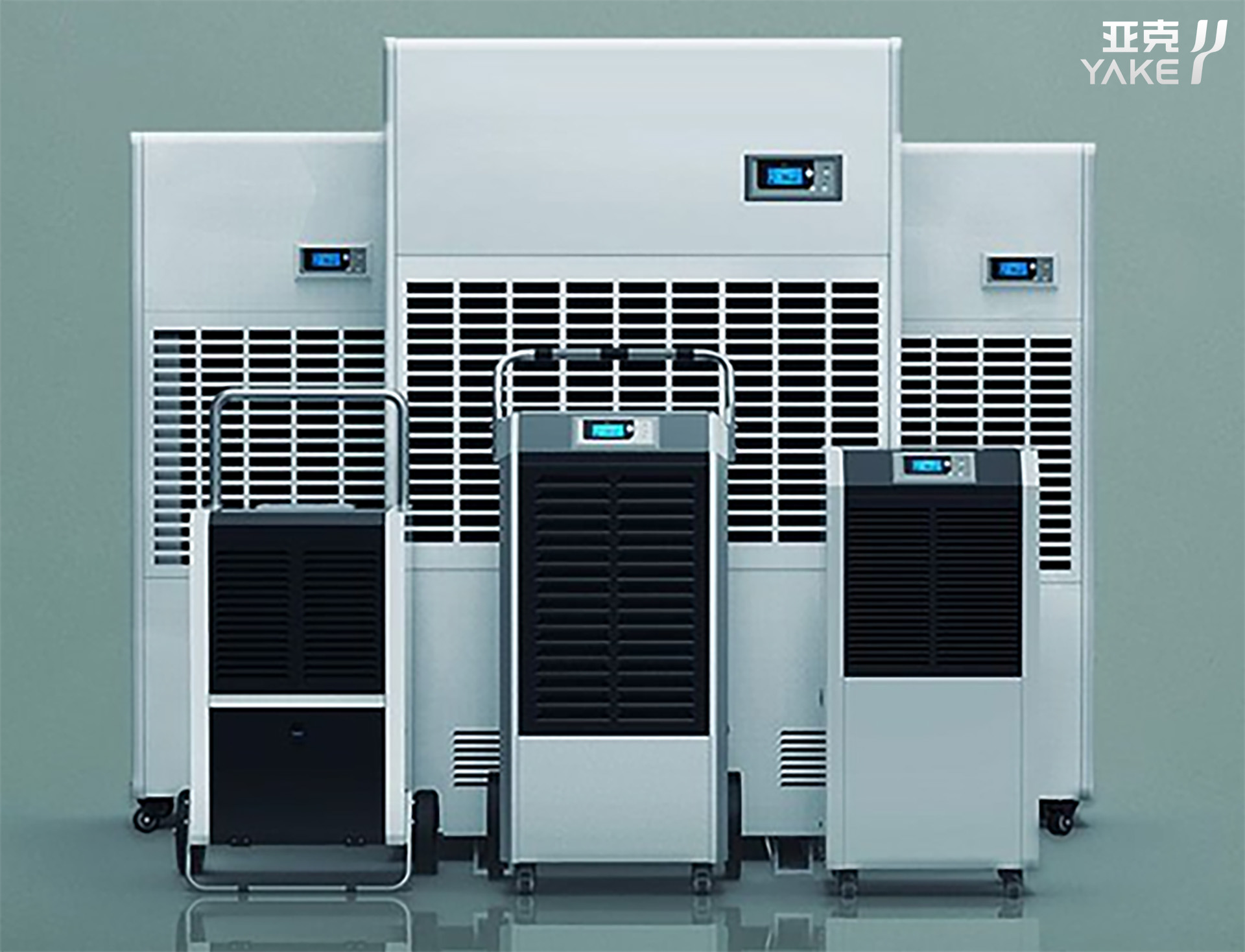
Contact us to find the best place to buy your Yakeclimate solution today!
Our experts have proven solutions to keep your humidity levels in check while keeping your energy costs low.