
Building 34, No. 535 Shunfeng Road, Hangzhou, Zhejiang, China
[email protected]
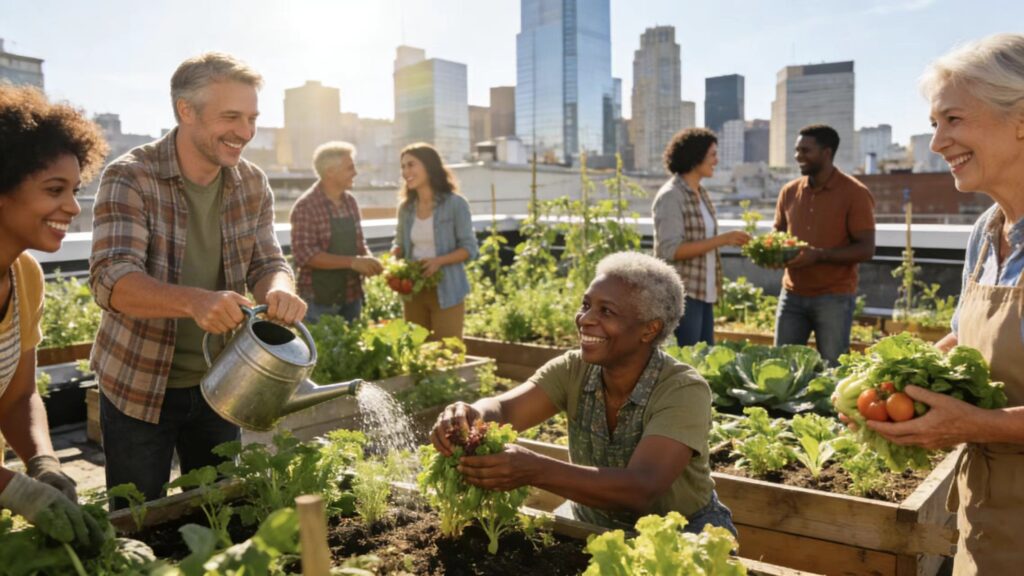

Urban agriculture is when you grow food and plants within city environments, frequently on building roofs, abandoned industrial plants, or tiny city lots. Here in the US, people are tapping these systems to deliver fresher food closer to home, reduce extended supply journeys, and utilize idle urban space. Many growers utilize soil or even hydro systems, while a few have resorted to vertical setups to make effective use of those cramped spaces. Maintaining the appropriate temperature, light, and humidity is crucial for consistent growth and reduced chances of mold or harvesting failures. Urban farming requires tools that assist in maintaining optimal air and water, ensuring crops remain healthy and produce consistent yields. The following sections illustrate how climate tools enable these mechanisms.
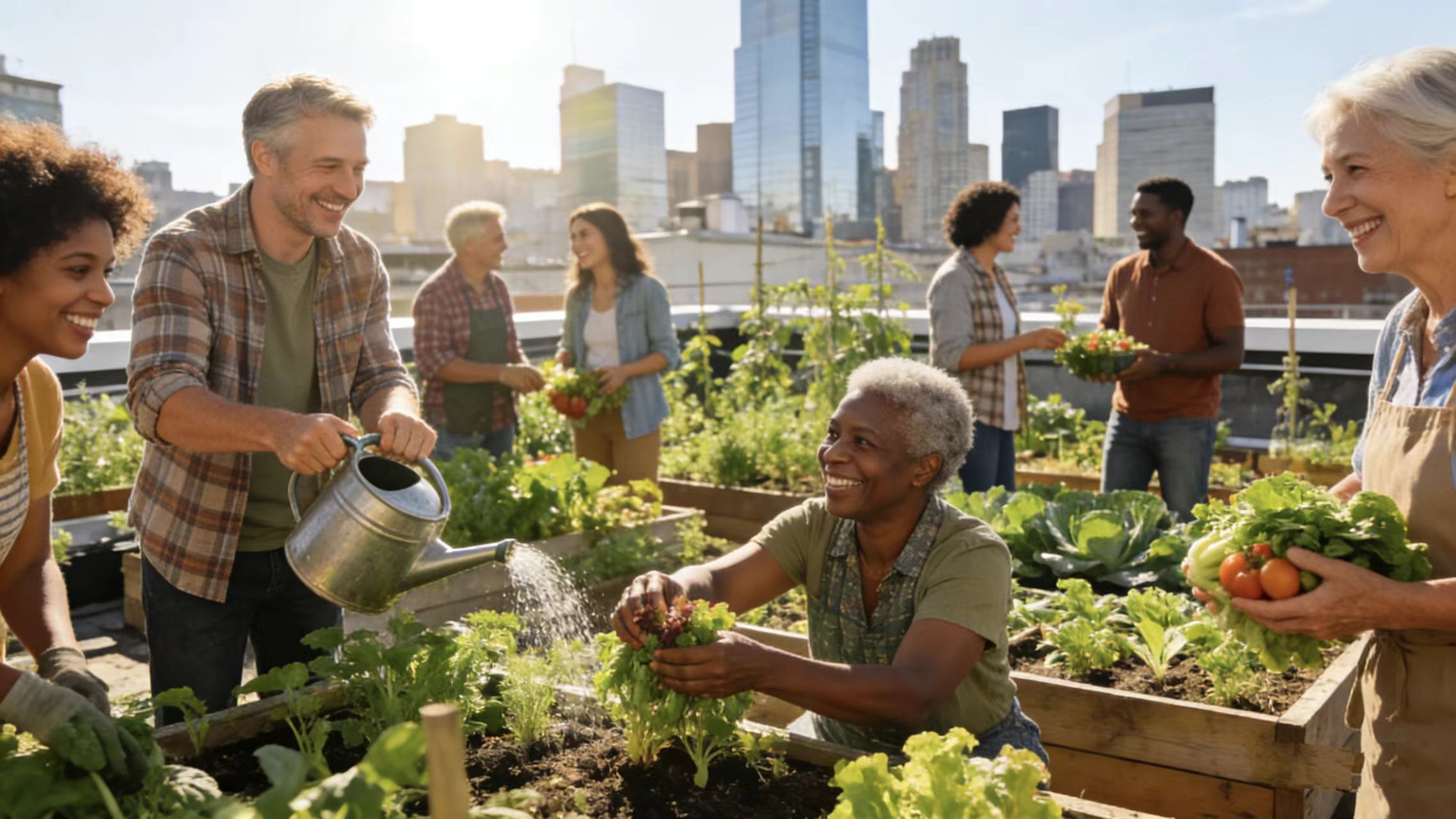
Urban farming mixes agriculture with urbanism, operating in minuscule plots, atop roofs, or even in stacked indoor environments. These urban farms cultivate crops, culture fish, and cultivate community. They squeeze into city blocks, ancient lots, and even parking garages. Urban agriculture isn’t novel; we’ve grown food in cities for millennia. Today, this labor assumes a variety of forms, all influenced by proximity and communal necessity.
Community gardens allow city dwellers to cultivate crops collectively, even when they don’t have their own land. These communal plots provide somewhere to grow, connect with neighbors, and educate. Often, these gardens are operated by collectives, ensuring that everyone has a voice in what is grown and how it is done. A few cities have seen hundreds of these gardens pop up, each one unique. Social ties form when individuals sow and reap together. Community gardens amend land with compost and crop rotation. They increase urban biodiversity, attracting pollinators and birds into congested neighborhoods.
Rooftop farms tap flat roofs to feed, cool, and clean the air. They make vacant spaces productive. These farms reduce urban heat and assist rain absorption, softening stormwater runoff. Some have even installed beehives and chicken coops. New York, Chicago, and Boston have observed large rooftop farms providing greens to area stores and restaurants. The primary challenge is ensuring the roof can support the load and pumping water uphill. Good planning and airy soil mixes assist.
Vertical farms layer crops in tiers, typically within warehouses. With LED lights and climate controls, food grows year-round. They use less water than fields, as much as 95% less in some cases. Leafy greens, herbs, and even strawberries flourish in these systems. A couple of companies in Newark and LA operate massive vertical farms, sending out fresh greens every single day. These farms demonstrate how tech can assist in feeding cities.
Backyard plots enable individuals to transform lawns into edible gardens. Even a tiny yard can sustain a family. Raised beds and compost bins make it easy. People reduce waste by composting food and yard waste. Fruit trees or herbs can add spice. Hints such as beginning with simple crops like lettuce, tomatoes, and beans aid the novice gardener.
Aquaponics connects fish tanks and plant beds. Fish waste feeds plants, and plants clean the water. This closed system conserves water and space. Urban schools and nonprofits establish aquaponic farms to instruct children and educate new cultivators. These systems could utilize old warehouses or greenhouses, cultivating fish and greens at the same time. One team in Milwaukee constructed a massive aquaponic farm, demonstrating how the concept plays out at scale.
Resilience in urban agriculture implies that the city’s food system can endure disruptions whether they be weather shocks, supply chain interruptions, or escalating costs while continuing to provide fresh food. Urban farms provide an additional buffer. They give cities a backup when external food supply is interrupted, accelerate disaster recovery, and help cool urban heat islands, cleanse the air, and support pollinators. With 70% of us living in cities by 2050, preparing for resilience isn’t just smart, it’s urgent. Urban agriculture facilitates this by reducing the distance between where food is grown and where it’s needed, minimizing reliance on cross-country trucking, and establishing more robust local communities.
Urban farming aids communities in low-income neighborhoods where grocery stores are a rarity and people depend on corner stores that don’t stock a lot of fresh goods. Having food literally sprouting up within these communities means families have increased access to fresh greens, fruit, and herbs. Community gardens and rooftop farms can transform vacant lots into nutritional hubs. They eliminate extended drives for bread and milk. Local harvests keep food fresher and more nutrient dense. Food deserts, where there aren’t any good grocery choices, can contract if more cities invest in local farming. Farm-to-school or local pantry programs can help link what’s grown locally to those who need it most. Community-supported agriculture lets families buy shares of local harvests, promoting food equity by making healthy food affordable and predictable.
Urban farms provide employment, from cultivation to market sales. They help small businesses, like restaurants and food trucks, buy fresh and local. Farmers markets are centers for the sale of goods and the establishment of connections between producers and consumers. New jobs such as farm managers, sales, and logistics create an increased need for supplies and equipment. Here’s a table showing some economic benefits:
| Benefit | Example |
|---|---|
| Job Creation | Urban farm workers, market staff |
| Local Spending | Money stays in the neighborhood |
| Business Growth | New restaurants, farm supply shops |
| Market Opportunities | Direct sales to consumers |
When urban farmers collaborate with nearby stores and schools, it circulates cash locally and fosters collective growth.
City farms bring people together. Neighbors click as they plant, weed, and harvest. These spaces can bring together people of all types, bridging divides. Common labor constructs faith and esteem in the block. A few gardens have group workdays, classes, or cooking demos. Collaborating on common ground induces inhabitants with a sense of proprietorship and fellowship to their city. Gardening, as it turns out, enhances mood and reduces stress. It’s an escape from screens and noise, and there is a tranquil pride in cultivating sustenance.
Urban agriculture shapes city skylines by adding green spaces and changing how we use rooftops and walls. These spaces don’t just cultivate crops—they make cities more beautiful, keep them cool, and encourage local biodiversity. Transforming vacant rooftops into farms can increase city green space by as much as 32 percent, reintroducing flora and fauna to congested urban environments. Green roofs and walls aid in food production and ecosystem health, as well as provide city dwellers a respite from concrete. Community gardens and rooftop farms can provide up to 15 percent of a city’s fresh food, making cities more self-sufficient and less dependent on long supply chains.
These urban farms are crucial to increasing local biodiversity. By cultivating a diverse range of crops using organic practices, urban farms create habitats for pollinators and small wildlife. Bees, butterflies, and birds discover nourishment and refuge in these plants. This aids pollination and maintains robust urban ecosystems.
Greener skylines: More species on city rooftops or lots attract more animals. Even tiny spaces can bring in ‘bugs’ and birds if you pick the right plants! This helps nature and keeps crops healthy by welcoming in good bugs that keep pests in check.
Crop mixing makes farming resistant. When one crop fails, others grow well. This dispersion of risk maintains food production safely in fickle urban weather.
Urban farming combats climate change by introducing carbon-soaking, air-cooling plants. As tiny air filters, plants in green roofs and walls trap dust and reduce warmth. This can reduce the urban heat island effect and render cities more habitable.
Local farms mean less food has to be transported over long distances, which reduces shipping emissions. City-grown food minimizes the carbon footprint of each and every meal. Green roofs capture rainwater, relieving pressure on urban drains during storms.
Activities such as composting and reducing chemical use safeguard the soil and water. City farmers can exchange advice on energy conservation, intelligent irrigation, and selecting low-water plants. These actions maintain farms’ sustainability and assist cities in achieving their climate targets.
Certain rooftop farms encounter challenging weather. Intense sun, wind, and heat can make labor strenuous. Good planning and shade installations are essential to healthy crops and happy workers.
Urban agriculture cuts waste by connecting grower and eater more closely. Produce gets picked and consumed fresh, slashing spoilage from lengthy journeys. City composting transforms food waste into fertile soil, completing the cycle.
Leveraging urban waste as inputs, whether it’s repurposed containers or rainwater, reduces both expenses and waste. Urban farms can access movements that advocate for a circular economy, transforming waste into resources for more food cultivation.
So many cities these days host reuse, recycling, and sustainable habit education projects. These initiatives transform urban farming into a center for green living.
There are layers upon layers of restrictions when it comes to urban agriculture here in the states. These policy impediments, largely based on antiquated concepts of land use, create difficulties for urban farmers to begin or expand. Zoning laws, water rights, and funding all help determine who is able to cultivate food and where and how. These are about more than just paper; they define local food systems, economic opportunity, and even who gets to be a farmer to begin with.
Almost all zoning codes were written when farming in cities was considered a bother. Most cities still prohibit or restrict urban agriculture in residential neighborhoods. Exclusionary zoning and redlining formed deep wedges, holding others back from land and power. Now, some cities are starting to change: Detroit rewrote its zoning to allow for commercial farms. Seattle lets you keep goats and chickens in the city. These reforms assist, but maneuvering through the regulations requires time, expense, and legal assistance. Local governments can assist by allowing zoning to be more flexible and eliminating antiquated bans. Community group advocacy has forced some cities to evolve, but at a glacial pace. Real change is recoding for today’s realities, not yesterday’s nightmares.
Water is survival for urban farms, amid soaring drought risk. Since most cities consider urban farms to be commercial users, rates are high and rules are strict. There are farmers who battle for city water or rain barrel access permits. Others employ drip irrigation or repurposed graywater to extend scarce reserves. Others collaborate with local organizations to have water access integrated into municipal planning. We still need policies that ensure fair access and keep prices low, particularly for cultivators in underserved communities.
Urban ag is typically operating on shoestrings. Grants, crowdsourcing, and local government assistance are typical but insufficient. A lot of programs are volunteer or small donations. A few cities throw mini-grants or tax breaks, but qualification is stiff. Local business and nonprofit partnerships can fill some holes. Here’s a breakdown of key funding sources:
| Source | Type | Example |
|---|---|---|
| Federal Grants | Public | USDA Urban Ag |
| City Incentives | Public | Tax credits |
| Private Grants | Private/Nonprofit | Food Corps |
| Crowdfunding | Community | Kickstarter |
Toil across public and private lines forges cohesion and injects innovation. Without reliable funding, numerous farms are hard and nice projects don’t endure.
Tech is reinventing urban agriculture across America. Urban farmers are now utilizing innovative systems to produce higher yields in smaller spaces, conserve water and reduce waste. New tools empower farms to farm smarter and connect farmers to their communities. The emphasis on high-tech urban ag education translates to more individuals acquiring the ability to operate twenty-first century farms.
Smart sensors allow urban farms to monitor soil moisture, temperature, light, and air quality in real time. These devices assist growers in providing plants the perfect amount of water and nutrients, so nothing goes to waste. With minute-by-minute data, farmers can identify issues quickly and address them before yield is lost. This translates to as much as 50% more yield and less wasted input. Rooftop farms in New York deploy sensor networks connected to cloud platforms, so you can easily check your crops from a phone or tablet. They enable reduction of water use by as much as 95% versus the old methods. Smart sensors are becoming more affordable so more growers can adopt them, and down the line, systems might implement AI to autonomously decide what crops require.
LEDs are the secret for growing food indoors or in vertical layers. Unlike old bulbs, LEDs are more energy efficient and last longer, which keeps costs down and means less heat by the crops. LEDs can be tailored to emit the very light plants love most, making crops thrive faster and stronger. Powered by LEDs, urban farms now track sunlight indoors, growing food even through dark winters all year round. LEDs alone can reduce your power bills by 40% or more. A lot of US cities will support urban farm projects utilizing LED systems as it is good for the planet as well as the budget.
Automation is transforming the operation of urban farms. Robots seed, control lights, water crops and even harvest. Large indoor farms in Chicago employ conveyor belts and robotic arms to transport plants and harvest greens, reducing labor requirements and cutting labor costs by as much as 40 percent. These systems operate 24 hours a day, 7 days a week, increasing production and maintaining quality. AI sorters could check 20 tomatoes a second for ripeness and imperfections, reducing waste. As tech gets smarter, fully automated farms could save the world 50 billion dollars a year by 2030 and help meet food demand as cities grow.
Urban agriculture is about the human element. It focuses on how we educate ourselves, cultivate our own development, and collaborate in urban environments. As we turn to cities where half the world’s population already lives and two-thirds will by 2050, the human element of urban agriculture is more important than ever. From education and wellness to equity, it’s people’s needs and actions that dictate how successful urban farming can be.
A lot of urban people don’t have practical farming knowledge, so educating them is important. Trainings include soil fundamentals, hydroponics, pest control, and climate management. These programs frequently team up with local schools, providing students an opportunity to learn by doing and not just reading. School gardens, for instance, provide students with hands-on experience growing food in NYC. Community colleges and urban farm collectives show adults how to launch rooftop gardens or care for hydroponic greens. These endeavors develop not only ability but also confidence. Greater understanding of urban farming’s advantages, such as food security and green space accessibility, allows local communities to secure buy-in and resources for new projects.
Getting your hands in the dirt, either in a school garden or an empty lot, is obviously good for you. Gardeners tend to be less stressed and in better moods, according to people who garden. Urban farms get people moving, outside, and meeting neighbors. These activities counter the health issues generated by urban living, such as bad air and insufficient physical activity. Community gardens in spots like Detroit now hold wellness programs, where residents can cultivate plots and attend yoga or nutrition classes. The availability of fresh produce is another huge benefit, particularly in areas where nutritious food options are limited. Urban agriculture nourishes both the body and the soul.
Not everyone gets to participate in or reap the rewards of urban farming. Who gets access to land, water, and funding is often based on race, income, or neighborhood. There are even a few cities that support projects led by communities that experience barriers, like Black, immigrant, or low-income groups. Programs that share seeds, tools, or space help even the playing field. Urban agriculture can do a lot more to close gaps in food access and introduce new jobs to the most needed areas. Smart policies, such as allowing people to cultivate on municipal land or providing micro-grants, make urban agriculture more accessible and inclusive, closing social and economic gaps.
Urban agriculture is transforming city living. Local growers leverage smart gadgets and tech to cultivate quality food right in the city. Urban farms provide work, fresh air, and fresh vegetables! They unite people. Tech such as smart sensors and close climate equipment, like Yakeclimate dehumidifiers, assist in keeping crops robust. They prevent mould, conserve energy, and accelerate growth. Urban farms require transparent policies, consistent attention, and innovation. Innovative tools and keen heads create a solid track for tomorrow. Looking to juice your indoor jungle or urban garden? Try more sophisticated control tools. Contact Yakeclimate for easy fixes and tangible gains. Urban agriculture can thrive, one new harvest at a time.
Urban agriculture is an agricultural practice referring to the development, maintenance, and distribution of food products and livestock in a village, town, or city. It encompasses rooftop gardens, community farms, and indoor growing systems.
Urban agriculture enhances local food resilience, minimizes food transportation distance, and benefits neighborhood wellness. It makes cities resilient to supply chain interruptions and climate change.
Rooftop gardens are green and cool cities and mitigate runoffs. They make city skylines prettier and greener, too.
Major obstacles include zoning limitations, restricted land availability, and ambiguous regulatory frameworks. These policies can slow down or restrict urban agriculture projects.
Hydroponics, LED grow lights, and smart irrigation systems are some of our leading technologies. They enable year-round, intensive food cultivation in cramped city locations.
Community engagement contributes local expertise, generates buy-in, and instills ownership. It makes urban farms thrive and satisfies local demands.
Start with container gardening on balconies, volunteer at a community garden, or try indoor grow kits. Begin modest and hear from local urban agriculture groups.


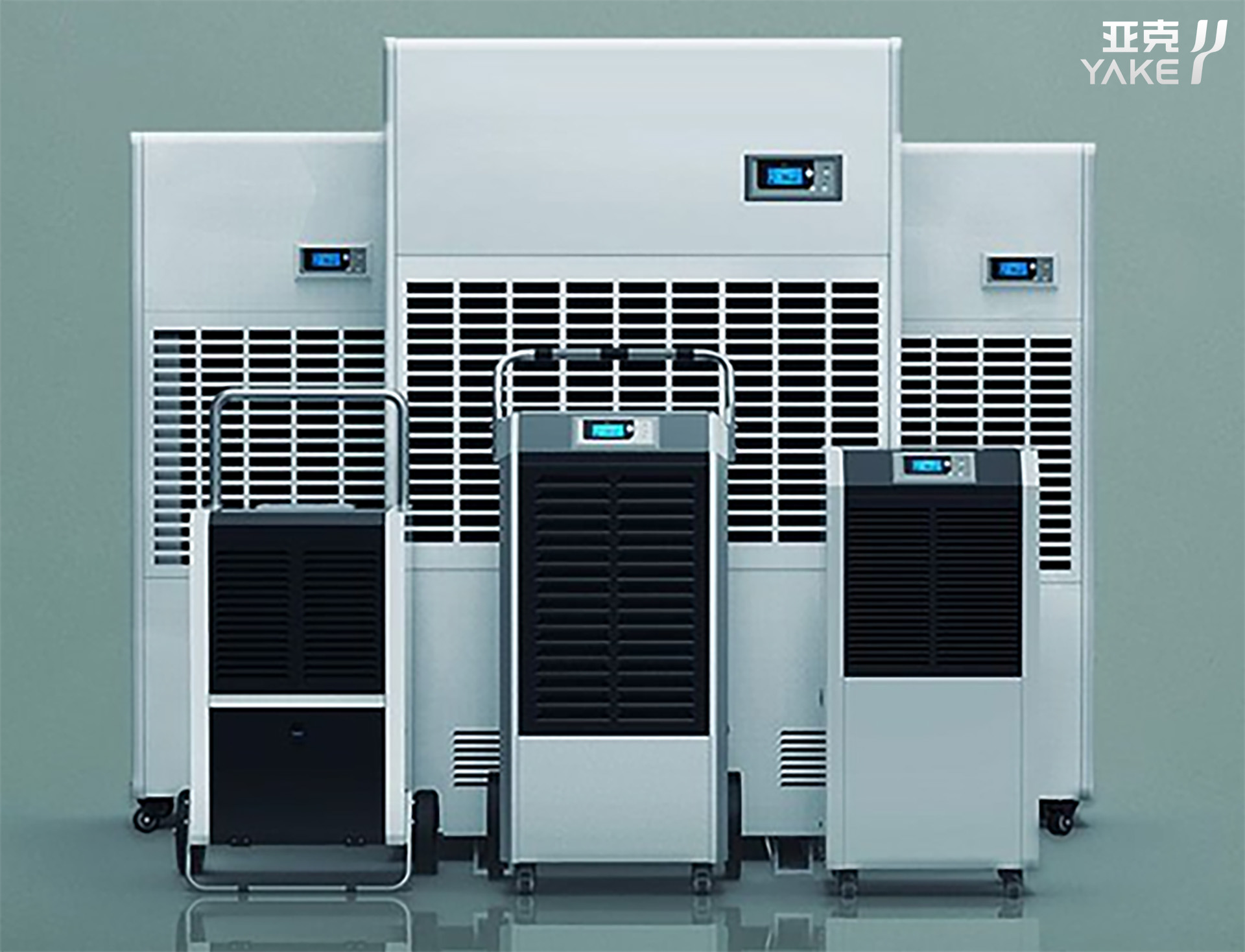
Contact us to find the best place to buy your Yakeclimate solution today!
Our experts have proven solutions to keep your humidity levels in check while keeping your energy costs low.