
Building 34, No. 535 Shunfeng Road, Hangzhou, Zhejiang, China
[email protected]
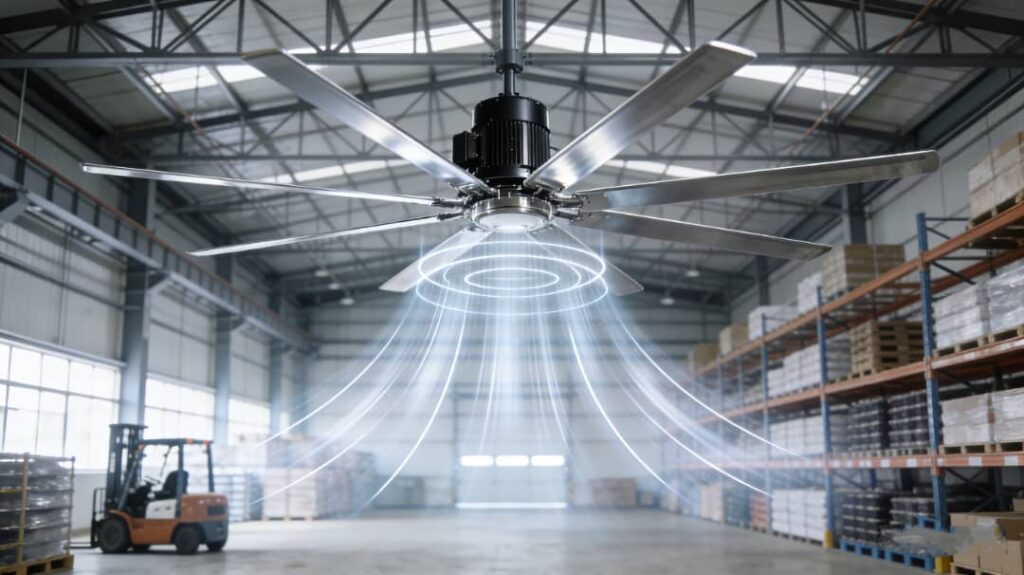

The best cooling systems for warehouses use advanced air conditioning, evaporative coolers, and industrial fans to keep temperatures steady and safe for storage and staff. Massive warehouses require systems that can manage extreme heat loads, move massive volumes of air, and remain reliable during peak hours. Contemporary options typically include energy-saving inverter compressors, smart controls, and ducted configurations for uniform cooling. High-volume, low-speed fans help distribute cool air and reduce energy consumption. In damp zones, dehumidifiers maintain moisture levels and prevent inventory from becoming damaged. Selecting optimal warehouse cooling solutions requires considering factors such as warehouse size, inventory type, and environmental requirements. The corresponding main post describes important system characteristics, price, and advice for intelligent enhancements.

Cool warehouses are more than a matter of comfort. They safeguard merchandise, energize employees, and ensure machinery hums. Warehouses are typically poorly insulated with high ceilings, so heat traps quickly. In warm months, this can lead to product spoilage, equipment failures, and even worker safety hazards. Cool warehouses run steady and strong, saving energy and money for the long run.
Temperature control is paramount for a lot of warehouse merchandise. Perishables, such as food or pharmaceuticals, spoil rapidly in warmth. Electronics and chemical components can lose function or become unsafe if subjected to excessive heat. Mold, corrosion, or packaging damage can occur as a result of moisture in warm, humid warehouses. This is a major hazard for companies warehousing fragile substances or wholesale items.
Rigid industry standards need constant temperature and humidity. Not meeting these can mean fines or lost contracts. In international supply chains, climate control ensures product safety all the way from factory to customer. With state-of-the-art cooling and dehumidification systems, such as those developed by Yakeclimate, we help you meet these standards reliably. Such systems maintain air that is dry and cool, avoiding spoilage, cutting wastage, and aiding compliance audits.
Cool warehouses are crucial for worker safety and morale. Heat can cause lethargy, sluggish work, and errors. It increases the risk of heat stroke or other sickness, particularly on extended shifts. A cool, stable environment keeps our staff working their best and focused.
When workers feel safe and comfortable, they’re more likely to stick around. It cuts turnover and training expenses. That bumps productivity because folks can actually concentrate on their work, even during the blazing summer. Cooling lets teams stay on top of tight schedules, particularly in areas like e-commerce, automotive, or logistics.
Hot equipment breaks down and expensive downtime occurs. Cooling safeguards motors, electronics, and automated systems against heat stress. Just like cool warehouses, routine inspections and servicing can keep them humming for years longer. Using rugged cooling gear minimizes emergency service and spare parts.
CoolWarehouses is about why. A trusted system is critical, as increasingly severe weather wreaks havoc with more blackouts. Why cool warehouses? Very simply, investing in quality efficient cooling pays off by prolonging equipment life and avoiding unexpected expense.
Warehouse cooling systems are a dime a dozen. All have energy, cost, and effectiveness trade-offs. The best fit really depends on warehouse size, climate, workflow, and long-term goals. Most solutions are best employed in combination. Here’s a handy quick comparison table below.
| System | Initial Cost | Maintenance | Energy Efficiency | Best For | Notes |
|---|---|---|---|---|---|
| HVAC | High | Medium | Moderate-High | Large, multi-use | Full climate & air quality control |
| Evaporative Cooler | Low-Medium | Medium | High | Dry climates | Adds some humidity, needs regular checks |
| HVLS Fans | Medium | Low | High | Large open areas | Works best with other cooling |
| Radiant Cooling | High | Low-Medium | High | Clean, dust-sensitive | Needs careful design for big spaces |
| Geothermal | Very High | Low | Very High | New builds, large | Big upfront cost, long-term savings |
HVAC systems provide comprehensive temperature and humidity control, essential for delicate manufacturing. Innovative air filters maintain pure air, reducing dust and allergen hazards. The flexibility to heat and cool makes them a year-round pick, especially where product standards are stringent. Setup is a pain. It requires skilled installers to size and balance airflow per zone.
Evaporative coolers utilize water to cool air. They shine in dry spots, cooling with fewer watts than air conditioning. They require consistent maintenance, including filters, pads, and water lines. They are not good for humid climates because they wet the air. For warehouses in dry places, they save money and are simple to scale up.
HVLS fans blow air over large floor areas. They even out temperatures, reduce hot spots and complement existing cooling. Silent and energy-efficient, these fans minimize the requirement for active cooling. They are easy to install, with minimal moving components, and require minimal maintenance. When used with HVAC or evaporative coolers, they increase comfort and reduce expenses.
Radiant systems cool surfaces, not air. They do well in clean spaces since there’s less stirring dust. Energy use is low, but design must match room shape and use. They are ideal in new warehouses or retrofits. This system requires professional advice to prevent condensation or uneven cooling, particularly in warehouses with lofty ceilings.
Geothermal cooling taps stable ground temperatures to reduce energy consumption. It is ideal for larger sites or new builds where long-term plans exist. Upfront costs are high, as drilling and ground loops increase costs. The savings accumulate over years, and operating costs remain low. Their green credibility is robust, reducing fossil fuel dependency.
Choosing the best warehouse cooling system involves balancing technical, operational, and sustainability considerations. Every facility is different, and finding the right fit involves more than cooling capacity. Below are the key points to consider:
| Month | Avg Temp (°C) | Humidity (%) | Temp Range (°C) |
|---|---|---|---|
| January | 10-15 | 65-80 | 5 |
| April | 15-25 | 60-75 | 10 |
| July | 28-35 | 50-70 | 7 |
| October | 18-25 | 60-80 | 7 |
Humidity swings can break down cooling efficiency or cause mold. In areas with significant seasonal swings, systems need to be prepared for not only peaks of heat but also sudden cold snaps. Local energy-use rules may restrict equipment choices, so compliance checks are essential. Extreme weather, such as heatwaves, can stress a system’s HVAC, so strategize for solid backup.
Airflow powers cooling. Position units to keep it moving and prevent dead zones. By insulating, you minimize heat gain and loss, maximizing your system’s effectiveness. Warehouses can expand or evolve, so plan cooling to scale or pivot easily. Natural light and vents help cut energy use, while balancing daylight with heat load.
Certain products require very specific temperature or humidity control, such as pharmaceuticals and electronics. Recognize these right off the bat, so they don’t rot or get bogged down. About: How to Choose Your System For high-turnover sites, cooling has to keep up with constant loading and unloading.
Running costs for each system are high-SEER/EER units cost less to run. Certain areas provide rebates for efficient installs, which can mitigate upfront expenses. Monitor energy consumption by zone to identify inefficiencies and optimize performance. Consider upfront cost against total cost of ownership. Sometimes costlier systems save you more in the long run.
Warehouse cooling installations require a thoughtful, customized strategy. Professional installation is key to ensuring the system performs optimally and supports the needs of the area. Each warehouse has its own physical layout, so it must sync with current infrastructure for smooth integration. Installing during off-peak hours keeps you on schedule and minimizes downtime. Staff training is a must. Everyone should be able to operate and maintain the new system, avoiding errors and expensive damages.
Warehouses tend to be uniquely designed and can be a challenge. Cooling system to building compatibility is a priority. For instance, split systems require multiple units joined by piping, so wall spaces and ceiling heights need to be verified. If you are mounting large rooftop units or heavy equipment, structural integrity cannot be overlooked. We must comply with local codes and regulations and document each and every step to steer clear of compliance issues. The installation of fans is crucial. Heights ranging from 2.5 to 4 meters are ideal for easy maintenance and replacement down the road.
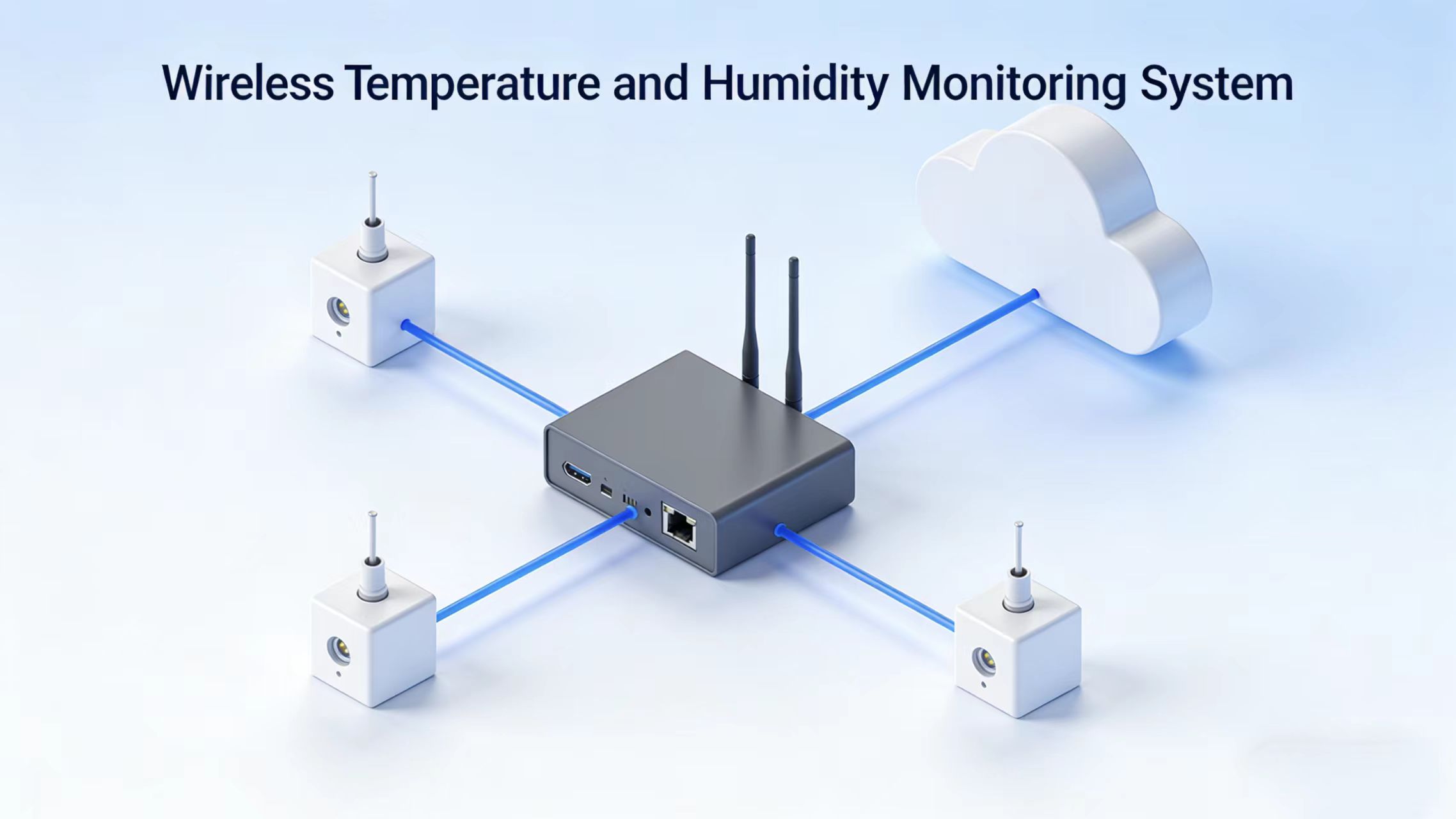
Automated controls are de rigueur for state of the art warehouse cooling. Installation and integration real-time monitoring tools track temperature changes and alert teams to shifts that could threaten stored goods. Smart technology reduces waste by optimizing energy usage and increasing efficiency. Remote access means facility managers can control and make adjustments from anywhere, reducing response time. Installation and integration with building management systems or computerized maintenance management systems allows teams to monitor operating hours, maintenance, and service intervals, providing a more complete view of system health.
A robust maintenance checklist would include filter changes, sensor calibration, fan checks, and condenser cleaning. Staff require elementary troubleshooting by checking for leaks, strange sounds, or error codes. Maintaining clean records for every service assists in tracking trends and catching issues early. Seasonal checks, particularly prior to peak periods, prepare systems for increased loads and maintain optimal performance. With centralized tracking via BMS or CMMS, planning and reporting are easy.
Convenience cooling in warehouses is more than the equipment price. That’s because a lot of the costs are hidden until they hit budgets or operations. Key hidden costs include:
Warehouses have to keep up with local and international standards for cooling. Safety and environmental regulations can change, affecting which systems are approved for use. Non-compliance can result in some steep fines. Audits and inspections are a given, so documentation must always be in order and current. Facilities that record compliance efforts and maintain logs are less likely to be penalized or disrupted during audits. For international activities, complying with local and international regulations is mandatory to control expenses.
Cooling outages stop production lines and can ruin delicate inventory. Even minor overheating rattles servers and cooling equipment, increasing future repairs. Downtime risk increases if your staff don’t have a clear emergency plan. Training and drills keep interruptions short. By tracking how systems are performing and having contingency plans in place, you can make sure that your operations bounce back quickly. Most facilities actually overcool to avoid hot spots, but this puts a strain on the system and increases costs. Smart solutions, like sealing floor gaps or blanking panels, can reduce energy consumption by as much as six percent, which reduces downtime risk and cost.
Data center cooling is evolving rapidly. New tech and smarter designs mean it’s easier to future-proof your cooling. Choosing the right system today will save you headaches and expensive upgrades tomorrow. Studies demonstrate that air conditioners with novel refrigerant solutions can be more efficient and have less environmental impact. Certain new refrigerants assist in complying with stringent greenhouse gas regulations, which is a priority for a number of industries. Future-proof your cooling: Sensor-integrated systems with intelligent controls allow you to optimize cooling as your warehouse expands. These can connect to your building management system, so you can monitor energy consumption and detect issues early.
Scalability is another must. Warehouses tend to expand and rearrange, so a modular cooling system is ideal. With modular chillers or split systems, you’re able to add cooling units as you grow. Evaporative coolers scale well too, and they can use as much as 80 percent less energy than typical air conditioners, which is a massive bonus. Always keep an eye out for easy-to-upgrade systems, so you don’t need to replace everything when your needs evolve.
Cooling systems must accommodate future-proofing for other climate conditions. If you live in a hot or humid environment, high-tech dehumidifiers are a game changer. Yakeclimate’s dehumidifiers, for instance, are engineered for hard industrial environments, so they will continue operating smoothly even as the outside weather changes. Good insulation reduces heat gain and loss, so your cooling system can take a break, too. This conserves energy and maintains stable indoor temperatures.
Energy efficiency earns dividends. We don’t just keep your machines cool; we future-proof your cooling. Mixing cooling methods, such as air conditioning with spot or dehumidified cooling, achieves faster cooling than relying on just one approach. Maintenance is everything. Replacing filters quarterly and having a professional inspection bi-annually keeps things humming and prevents expensive repairs. With dependable cooling, your team stays comfortable, your products stay safe and you stay out of downtime.
To cool a warehouse properly, first you need to match the system to your space and your needs. Evaporative coolers do well in dry locations. Chillers cool huge undertakings. Fans blow air quickly and prevent hot spots. Smart controls save power. Maintenance keeps it slick and expenses low. Consider the layout, heat loads, and how people operate in the space. Choose equipment that endures and adapts. A great system lowers hazards and protects products. Contact a reliable vendor or a climate specialist for advice. Get the perfect fit for your site. Begin with a walk-through and defined objectives. Better cooling leads to smoother work and fewer worries.
Evaporative coolers and HVLS fans are two of the most energy-efficient options. They consume less electricity and create great airflow, which is ideal for large warehouse spaces.
Take into account your warehouse size, climate, budget, and specific cooling requirements. Talk to a cooling expert who can analyze your needs and suggest the ideal solution.
Evaporative coolers are ideal for dry climates. In humid climates, their cooling is diminished. For these, consider mechanical or hybrid systems.
Installation time is dependent on system type and warehouse size. The majority of projects are accomplished within a few days to a few weeks, based on complexity and system integration requirements.
Maintenance, energy, filter replacements, and electrical upgrades might be some of the hidden costs. Keep these things in mind when budgeting.
Select scalable, energy-efficient systems that are compatible with smart controls. Routine upkeep and checks maintain system longevity and efficiency.
It’s not always necessary to integrate, but it can make you more efficient. Connected systems enable automated temperature control, energy savings, and better monitoring.



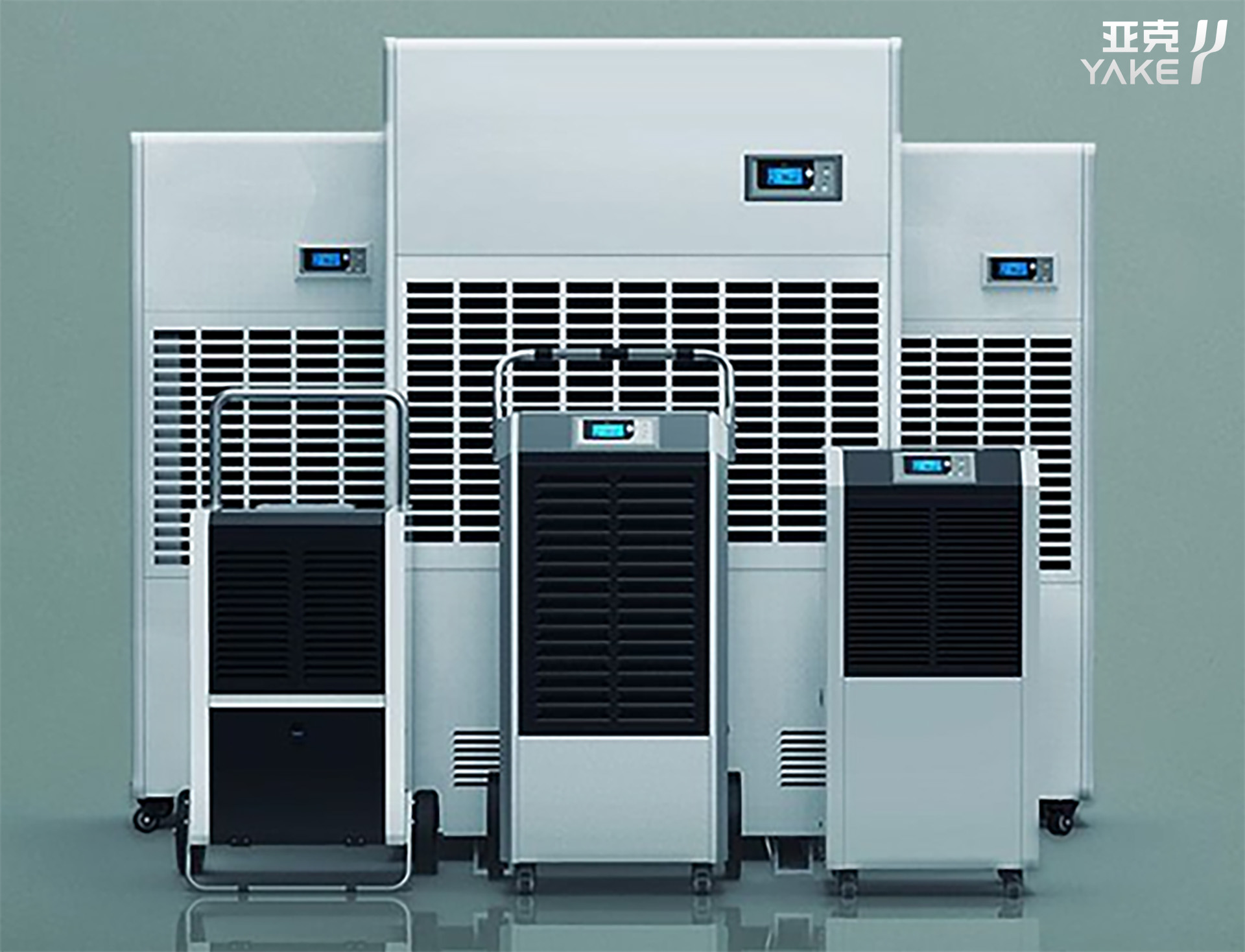
Contact us to find the best place to buy your Yakeclimate solution today!
Our experts have proven solutions to keep your humidity levels in check while keeping your energy costs low.