
Building 34, No. 535 Shunfeng Road, Hangzhou, Zhejiang, China
[email protected]
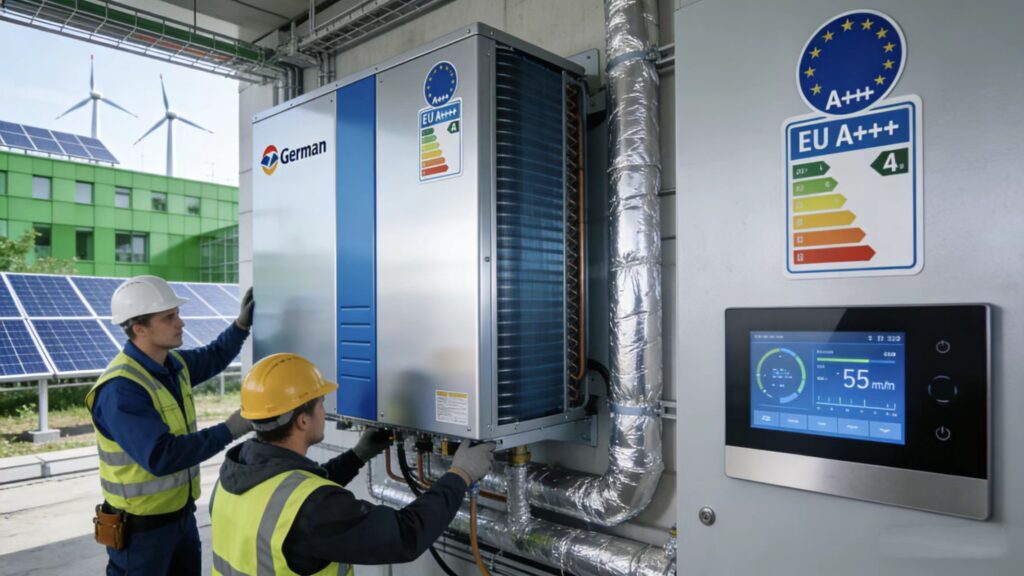

German HVAC brands are well known for high build quality, smart controls and a strong emphasis on energy savings. Almost all utilize cutting-edge technology in heating, cooling, and air to comply with rigorous standards and international demand. In factories, labs, and big offices, these German HVAC brands provide steady air while keeping energy consumption low. Most have broad lines, from small air handlers to large rooftop units. They incorporate smart sensors, auto filters and eco-friendly coolants. German HVAC brands are tops in system life and low upkeep to save owners money. On hard sites, their units perform well in heat, cold or dust. Many German HVAC brands offer personalized assistance and support as well, which makes installation and maintenance easy. Next, discover how these brands define industry norms.

German HVAC brands are notable for their quality and precision-centric ethos. Each component, from compressor to sensor, is manufactured to exacting standards. It’s not about just matching the code, but creating new standards for the entire industry. Production lines employ rigorous inspection at every stage. Brands test for long life, low downtime, and stable output. This is why German systems tend to still be working well, year after year, in harsh plants or labs.
Tech in German HVAC is world class. Brands deploy clever sensors, cloud connections, and controls that communicate with building systems. These assist in detecting minor defects quickly and maintain low energy consumption. Variable speed drives, state-of-the-art heat exchangers, and robust insulation are par for the course. For instance, some systems employ AI to monitor room data and vary output on the fly. This tech-first mindset is why German brands are at the forefront of not only ease of use but deep system insight.
Reliability is in our DNA. German firms design for durability, not just short-term cost. Thick walls, tight seals and full insulation make an appearance in both the buildings and the systems within. Many German buildings forego air conditioning because they are so well constructed. More insulation, airtight rooms and passive cooling keep temperatures in check. This reduces the amount of additional HVAC work. That design slashes energy bills and assists in adhering to rigorous green regulations.
The zeal for energy conservation goes deep. German codes demand premium insulation and tight seals. Brands craft gear with low energy consumption, high recyclability, and low waste. This enables sites to meet stringent eco targets and maintain low costs over time. For example, heat recovery ventilators and demand-driven fans are typical. German companies and companies worldwide choose these solutions to meet green objectives and demonstrate their concern about the environment.
It’s German engineering ethos. Builders, makers, and users go hand in hand. They exchange information and customize systems for every location. About: The German engineering ethos With high bars and a will to tech push, the German way defines what we demand from climate control.
Not to mention German HVAC brands rule the world with a combination of old-world craftsmanship, cutting-edge creativity and engineering genius. They have defined the industry with leading research, sustainable solutions, and a world-class obsession with engineering. Here’s a quick table comparing the key brands and strengths.
| Brand | Unique Offerings | Global Reach | Focus Areas |
|---|---|---|---|
| Waterkotte GmbH | Early heat pump pioneer, hybrid systems | Europe, Asia | Sustainability, efficiency |
| Christof Fischer GmbH | Custom piping and plant engineering | Europe, export | System integration, reliability |
| Daikin Airconditioning | Advanced VRV, inverter tech | Worldwide | Energy savings, smart controls |
| Bosch | Broad product range, smart home integration | Global | Durability, user-centric design |
| Mitsubishi Electric | High-performance split/multi-split systems | Global | Precision, advanced controls |
| Carrier Klimatechnik | Modular chillers, energy-efficient tech | EMEA, global | Sustainability, scalability |
From my experience with German products, German brands put a sharp focus on each step in their design process. Innovative German HVAC brands like Waterkotte and Bosch demonstrate this, employing digital modeling and close tolerances to ensure every component functions. This diligent effort ensures HVAC units operate with maximum efficiency, consuming less energy and maintaining stable control in challenging environments. All systems are tested against rigorous German and EU standards, guaranteeing they endure real-world use without faltering. Such exactitude enables precise control, which is essential for cleanrooms, labs, and other high-stakes spaces.
Modern German-made HVAC setups hook directly into building management. Pioneering German HVAC brands and centralized platforms help users track, tweak and save energy across entire sites – not just a single room. From Christof Fischer’s customized systems for clinics to Bosch’s smart home-ready units, these configurations save you money, reduce waste, and make servicing easy. They enhance comfort by ferreting out temperature swings and air flow.
Leading German HVAC brands employ rugged metals and intelligent finishes to engineer systems that endure. This reduces repairs and downtime, saving time and money for operators. Each component endures months of stress tests, including heat, cold, dust, and continuous cycling. Customers receive equipment they can rely on for decades, which creates customer loyalty in fierce markets.
Germany’s HVAC legacy stretches back more than a hundred years. Today, the likes of Waterkotte drive heat pump technology and Daikin inverter-driven units. Continuous research and development keeps the ideas coming, from smart sensors to hybrid models that reduce emissions. Innovation isn’t a slogan; it’s why German brands maintain an edge in a saturated industry.
Usability defines every product. From quick installs to screen layouts that are intuitive, Bosch and Mitsubishi tailor their controls to actual end users. Air filters and quiet fans enhance comfort, while feedback loops fuel updates. Each adjustment targets the day-to-day demands of plant managers and techs.
Energy efficiency drives the HVAC scene. German HVAC brands must comply with stringent regulations. In 2024, legislation mandates that all new heating systems must contain a minimum of 65% renewable energy. This is why heat pumps are becoming the new-build standard. That means owners frequently have to upgrade their building envelope or wiring to accommodate the new load. These retrofits can be expensive. Subsidies do assist, but significant initial costs continue to deter adoption by approximately 0.8% on average. The installer shortage is another impediment. The industry had about 60,000 open HVAC jobs in 2024 and experienced a 23 percent decline in apprentice sign-ups over five years. As a result, expertise is scarce for these new, more sophisticated systems.
With climate change, Europe’s summers are becoming hotter. Even mild places are now requiring more AC, spurring cooling demand everywhere. Energy is more expensive, so it pays to save it with effective systems. Smart HVAC and building automation are everywhere. They leverage sensors, controls, and AI to tailor energy use to actual needs. In big buildings, digitizing can reduce energy consumption by 20 percent. It’s not just hardware. German brands now shift from one-off sales to service contracts and performance agreements. They work with owners on upgrades and upkeep, not just sell units. This team approach translates into greater return and superior service, helping clients clear stringent regulations and reduce waste.
Examples of energy-saving tech in German HVAC include:
A mandate for sustainability permeates each segment of German HVAC brands. It directs how companies engineer, develop, and operate climate systems. Germany’s mandate to replace fossil heat with greener systems isn’t just policy, it’s a tangible change for every plant, office, and home. This change isn’t quick, it’s a clever, strategic shift. With financial assistance and a tough mandate, incremental progress becomes the tempo. Undermining this mandate would jeopardize climate goals and destabilize planning for both owners and industries. The industry is far from having done much to reduce emissions. No new rules mean no gains.
German HVAC brands incorporate renewable energy such as solar and heat pumps. This switch reduces fossil fuel consumption and emissions. Contemporary setups might connect to grid energy from wind or solar or employ on-site renewables. Energy storage, smart controls, and demand response tools help smooth the load and reduce peak consumption. Brands now provide units that operate on green electricity or biogas, softening the transition from outdated fossil setups.
Local governments are part of leading these efforts. Cities such as Hamburg support the transition with consulting and subsidies, facilitating the upgrade of locations. Both industry and government recognize that waiting for new laws would just waste years and delay progress. By acting early, when most furnaces reach their 20-year lifespan, it prevents wasted spending and accelerates emissions reductions.
Initiatives in the sector to cut carbon include:
Sustainability requirements influence product design. About: A mandate for sustainability Engineers must engineer for stringent standards, reduced emissions and seamless integration with renewable energy. These products are — by mandate — sustainable: they’re dependable, lifetime lasters that play nice with future tech. That translates into additional R&D on efficient compressors, improved insulation, and more intelligent digital controls. Pioneering brands in this space, such as Yakeclimate, demonstrate actual improvements in energy savings and uptime for industrial users.
Smart home integration is becoming essential for German HVAC manufacturers, delivering exceptional levels of control, energy efficiency, and comfort. Demand burgeons for smart systems that suit local needs and lingo, courtesy of 5G and IoT. Most brands are now emphasizing seamless links with home automation, employing ZigBee, Z-Wave, WLAN, and Bluetooth protocols. These systems allow users to integrate HVAC, lighting, and sound into a single panel, rendering control seamless and straightforward.
Clean air and a stable indoor climate lead to fewer sick days and more comfort. To build healthy living spaces, German HVAC brands focus on performance here with clean air, smart heat, and quality control. Nice air in homes or factories isn’t simply cool or warm air. It’s about less dust, fewer germs, and just the right moisture. That benefits asthmatics or allergy sufferers. In factories, that translates into safer work and improved product quality.
Ventilation is the backbone. Well-built HVAC systems exhaust stale air and make fresh air. This reduces indoor air pollution and prevents toxic gases or particulates from accumulating. In large spaces, such as factories or office towers, high-tech ventilation systems deploy filters and sensors. These trap fine dust and maintain low carbon dioxide levels. That’s vital for long work shifts. Vent and filter inspections are important; one missed inspection can result in mold or bacteria growth.
Humidity control will be the next frontier. Excess moisture causes mold, corrosion, and warped building components. Too little results in dry skin, static, or brittle goods. German HVAC employs accurate sensors and smart controls. These maintain humidity in the 40 to 60 percent range, which is ideal for comfort and safety. Even slight humidity swings in electronics plants can halt production. Proper humidity keeps equipment humming and individuals well.
Modern HVACs don’t just heat or cool. Smart systems employ timers and learning sensors to adjust air flow and heat. That reduces waste and keeps rooms cozy. Others utilize eco-safe coolants and construct with low-emission materials. That reduces the danger of indoor air pollution. Add plants or daylight to refresh air and lift spirits. Green walls or water features soothe people and make them more productive.
Keeping heating units clean is key. Bacteria can accumulate within, wafting through the air. Simple TLC, such as changing filters and cleaning coils, keeps the system safe. Newer units utilize smooth, easy-to-clean components inside water heaters to maintain safe water. In smart homes, apps can monitor air stats and alert if quality decreases.
German HVAC brands remain at the cutting edge. They deliver robust construction, precise controls and intelligent technology. Energy consumption plummets with their equipment. Air remains pure and consistent. Heavyweights such as Viessmann, Stiebel Eltron and Bosch mold the market with new tools and clever connections. They align with rugged regulations and prioritize eco objectives. These German brands make plants, labs and homes run smoothly. Every unit represents confidence, longevity and transparent profits. As regulations change and demands increase, German HVAC stays ahead. To discover what suits your site best, consult a local pro or check out specs. Be an innovator by choosing the right equipment for your location.
German HVAC brands are known for their precision engineering, high efficiency, and emphasis on sustainability. Their units tend to run longer and use less energy, which saves their users cash and emissions.
Yes, German HVACs are built to be super energy efficient. Several models exceed international efficiency benchmarks and assist users in lowering their energy bills and carbon footprint.
German HVAC brands incorporate sustainable materials, emphasize recyclability and engineer systems to be energy efficient. Most even have eco-friendly models compatible with renewable energy sources, following worldwide sustainability initiatives.
Most premium German HVAC brands support smart home integration. Their products are compatible with smart thermostats and home automation, allowing users more control, convenience, and savings.
Yes, of course German HVAC brands have lines of a lot of products that work well in any climate. Their ‘hot and cold’ technology makes them appropriate for worldwide applications.
These German HVAC brands tend to come with highly sophisticated air filtration and ventilation systems. These features assist in eliminating allergens, dust, and pollutant particles to make interiors healthier for all members of the household.
Some reputed German HVAC brands are Viessmann, Bosch, and Stiebel Eltron. These companies are known for their innovation, reliability, and leadership in the global HVAC industry.


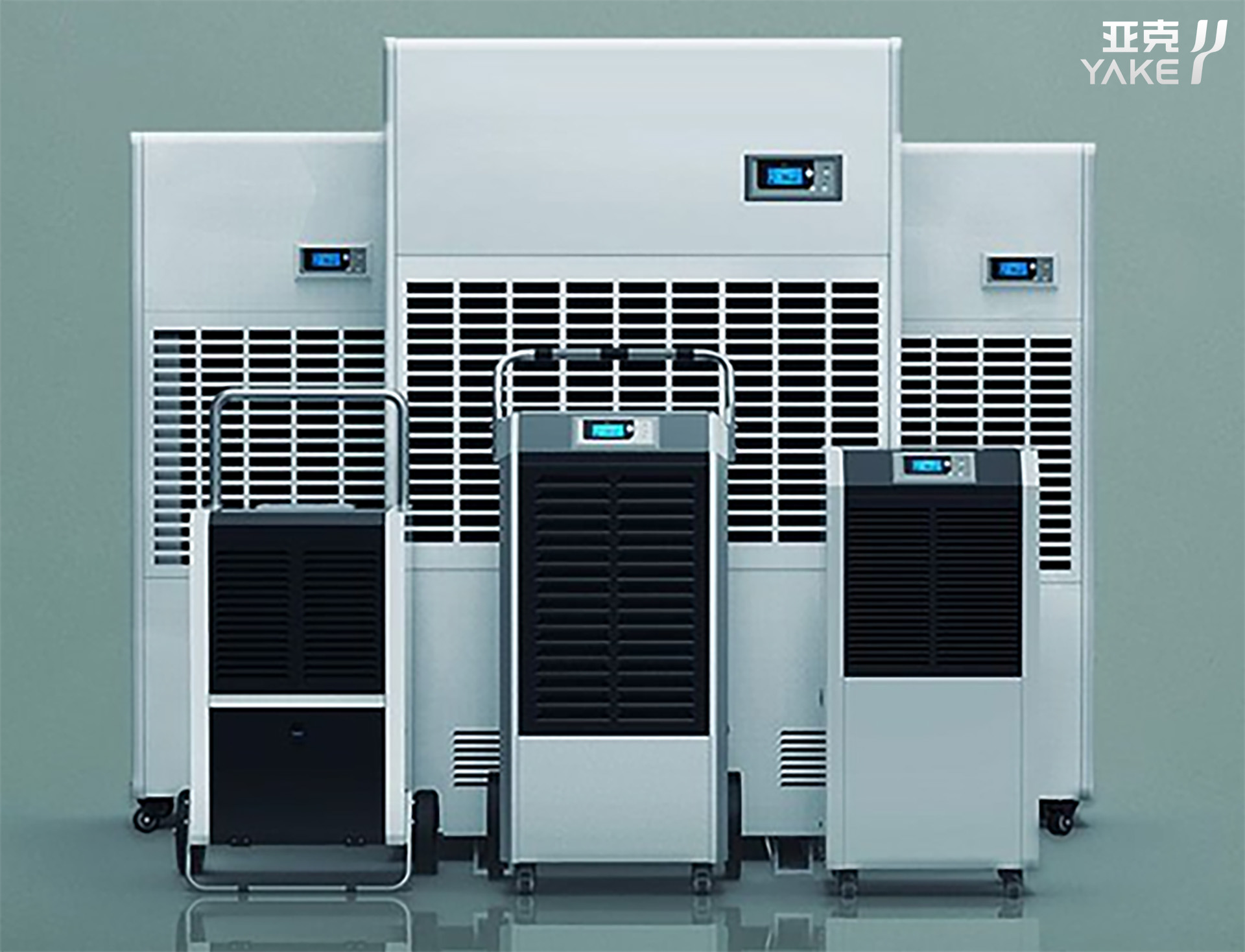
Contact us to find the best place to buy your Yakeclimate solution today!
Our experts have proven solutions to keep your humidity levels in check while keeping your energy costs low.