
Building 34, No. 535 Shunfeng Road, Hangzhou, Zhejiang, China
[email protected]
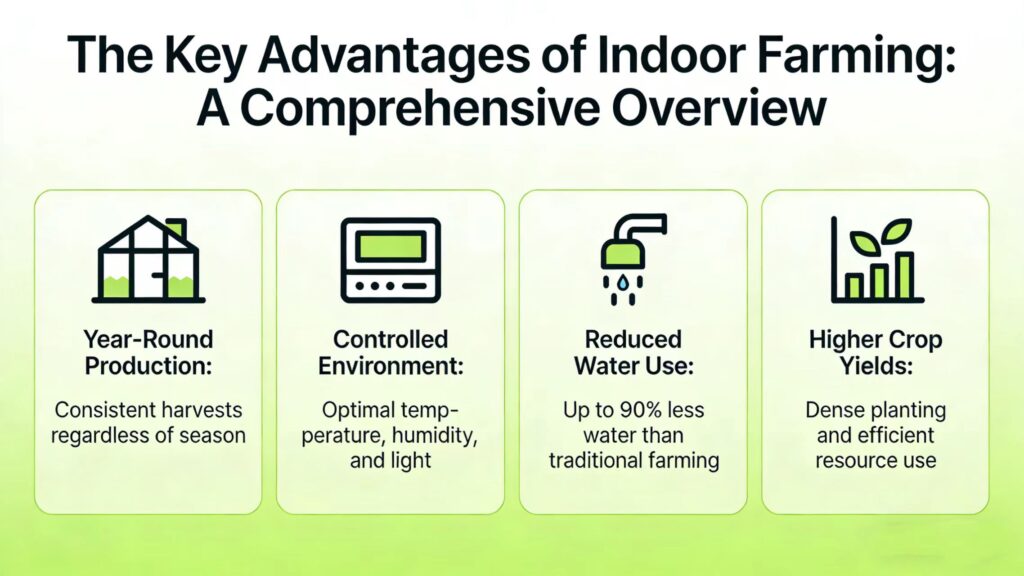

Advantages of indoor farming are improved climate management, increased yields per square meter and consistent production throughout the year. Through controlled conditions, indoor farmers can regulate lighting, temperature and humidity, reducing the risk of pests and disease. Many indoor farms use less water than soil-based fields, and plants tend to grow quicker using hydroponic or aeroponic methods. Indoor farms can work in urban spaces, decreasing transport time and keeping produce fresh. Reliable systems for dehumidification and air flow are key to keeping crops healthy, and new tech makes this easier to manage. Knowing what’s at stake here allows growers to put indoor farming into the context of contemporary agriculture. The upcoming sections will exhibit more of these benefits and how to optimize these systems.

Indoor farming is redefining global agriculture. It applies cutting-edge technology and intelligent methodology to yield more crops from less space with less waste. They are designed for control, consistency, and quality. Farmers can grow more, make it healthier, and use less toxic inputs. Most conserve water and land, which renders the entire setup more sustainable and urban-friendly.
| Advantage | Indoor Farming Impact | Traditional Farming Impact |
|---|---|---|
| Crop Yields | Up to 10x more per m² via vertical stacking | Lower yields per m² |
| Crop Quality | Higher nutrients, better appearance, safer | Variable quality, more contaminants |
| Pesticide Use | Minimal to none, integrated pest management | High chemical use |
Hydroponic farms can grow crops year-round. Farmers are able to harvest and market produce even in the winter or during inclement weather. They feature sophisticated climate controls, including heating, cooling, and air flow, that protect crops from storms, droughts, or deep freeze.
LEDs assist plants in growing rapidly by providing the appropriate illumination at the optimal time. Such systems ensure stores and consumers receive fresh food on a weekly basis, not just seasonally. That regular delivery benefits growers and buyers alike to better plan.
With everything controlled—light, water, nutrients—plants flourish. Field-grown crops like lettuce and spinach can have up to 30% more vitamin C. Water and nutrients flow directly to the roots, causing plants to absorb only as much as required.
Food safety is improved. Less bugs, less dirt, and you can buy cleaner, great looking crops. Farms can grow stuff that’s not only really healthy, but also meet standards for markets that want the best.
With closed walls and diligent inspections, indoor farms keep away bugs. A lot of them rely on natural allies, such as ladybugs, to munch on the bad bugs. This also means less demand for sprays or harsh chemicals.
Good air and water quality prevent mold and disease. Other farms don’t use soil at all, which reduces any pests that might come from it. The net effect is safer, less chemical-laden produce.
The vast majority of indoor farms grow using hydroponics or aeroponics. These systems recirculate water. Research demonstrates that indoor farms consume as much as 95% less water than traditional fields. Closed-loop systems capture and recycle water, reducing waste from leaks or runoff.
Sensors measure soil or root moisture, so plants receive just the right amount, not too much. This conserves water and benefits the earth. Indoor farms can grow food where water is not plentiful.
By stacking crops in tall racks, indoor farms derive significantly more from each square meter. Some setups produce up to 230 times more food than outdoor farms for the same plot size. Urbanites can capitalize on vacant storefronts or aging warehouses to harvest crops near their homes.
Farms may cultivate several kinds of crops in one location, including vegetables, fruits, and herbs, with no requirement for large fields. This makes food fresher and cities greener.
Indoor farming is transforming the way food reaches us by creating innovative methods to cultivate crops within urban areas. In this way, they address food scarcity by allowing farmers to cultivate fresh foods in close proximity to offices and homes. Once such farms are established in cities, they can help to address local food gaps, particularly in areas with restricted access to nutritious food. By harnessing advanced climate control, such as Yakeclimate’s dehumidifiers, stable growing conditions can be maintained year-round regardless of outdoor weather. They assist in using less energy, reducing waste and maintaining consistent food production. Local food hubs now unite indoor farmers and buyers, forging closer ties in these communities.
These indoor farms in cities fill food deserts, delivering fresh produce to places that are far away from supermarkets. By growing food close to home, individuals are able to access leafy greens, herbs, and even small fruits without the long journeys or high prices. It just makes it easier for people to eat better food and reduces the time and money it takes to get it there. Others operate community-supported agriculture programs, allowing nearby residents to participate in the planting and harvesting process, creating a feeling of camaraderie and accomplishment. Schools, nonprofits, and urban farms frequently hold classes to demonstrate to children and adults the importance of indoor farming and how consuming fresh food can improve overall well-being.
When crops grow near where people are, food doesn’t have to go so far. Short supply chains lead to less spoilage, reduced shipping costs, and fewer emissions from long truck trips. Things like lettuce, basil, or strawberries can go from farm to table in a day, remaining crisp and nutrient-dense. Urban farming generates employment opportunities as well, ranging from managing the farms to packaging and distributing the produce. Intelligent platforms monitor harvest and orders, assisting farms in aligning supply with demand and reducing waste, keeping operations efficient.
Indoor growing food safe from storms, drought, and shifting seasons. Controlled farms leverage consistent light, moisture, and air, so crops aren’t threatened by floods or heatwaves. This allows farmers to cultivate multiple varieties in a single location, even exotic or local crops that wouldn’t survive outdoors. Scientists are constantly discovering new ways to optimize these systems, such as smarter sensors and more efficient lights, to keep food growing through any weather.
Resource Management Reimagined
With climate change and a growing world population, this is at the heart of successful indoor farming. Controlled environment agriculture allows growers to reimagine resource management: energy, water, and nutrients. Indoor farms can now combine new technology with precision control, providing plants with what they need, when they need it, and no more. These systems provide fresh methods to reduce waste, save expenses, and maintain robust yields even as weather becomes more erratic.
Modern farms deploy smart systems to provide precise nutrients to each crop. This starts with a plan:
AI makes all this even more precise. Your AI detects plant stress before it is visible, so adjustments are immediate and waste plummets. Hydroponics, for instance, consumes up to ninety percent less water than soil agriculture. That is a lot more food per liter of water and a lot less chemicals sloshing around in the waterways. Vertical farms harness these techniques and can produce food throughout the year, even when the weather is crazy outside.
LEDs use less power than older lights and can be tuned to plant growth. Think smart energy systems that monitor usage and turn things off when not required. Farms can utilize solar or wind to generate their own energy, reducing cost and carbon footprints. Certain farms will share surplus power back to local grids.
With automated monitoring, crops flourish unattended around the clock. That saves expense and maintains nourishment. These steps prepare indoor farms for a future here on Earth or out in space where every watt counts.
Economic equation for indoor farming are influenced by market factors and technology decisions. Growers have to balance the appeal of stable pricing, being near an urban center, and long-term investments. Moving to indoor systems solves land, climate, and resource constraints, which are all essential to feeding the world.
Year-round production is a key benefit. Indoor farms aren’t at the mercy of weather or seasons, meaning we get a constant supply of fresh greens, herbs, and fruit. This consistency smooths prices, as supply shocks connected with drought or frost are far less frequent. It provides purchasers with additional assurance that quality criteria are fulfilled, as cultivation circumstances and cleanliness are strictly controlled.
Consumers trust food that’s grown near its sale. Local indoor farms commonly team up with city grocers or restaurants, maintaining short supply chains and fresher food. Such connections bolster local economies by maintaining profits and employment close to home. Most operators rely on granular market intelligence to monitor shopper demands, allowing them to select the appropriate crops and prevent overproduction. This results in a less wasteful and more efficient use of growing space.
Urban vertical farms can output the equivalent of a 2,400 acre rural farm in a city block. They consume roughly 1% of the land it takes to farm an equivalent lettuce yield in the fields and require just 10% of the space relative to greenhouses. Urban-grown food bypasses long-haul shipping, reducing food miles and emissions. Food miles account for approximately 62% of farming’s emissions on average.
Startup costs for indoor farms are high. Major costs include LED lighting, HVAC, hydroponics, sensors and building retrofits. High-level climate control equipment, such as industrial dehumidifiers, accounts for a big chunk of the capital outlay. These investments return profit through increased yield and decreased water and fertilizer usage.
Owners can consider loans, grants, private equity, or public subsidies to finance projects. Other nations now subsidize urban agriculture with tax breaks or start-up incentives. In the long run, higher output and less spoilage can make up for those up-front costs, particularly with high-value crops.
| Category | Upfront Cost (US$ per m2) | Land Use (m2 per kg) | Emissions (CO2 per kg) | Permanent?
|——————|———————|——————|——————–|————————-| | Traditional farm | 15 to 20 | 9 | 11 to 666 | Lower | | Greenhouse | 80 to 120 | 1 | 6 to 50 | Moderate | | Indoor Vertical | 120 to 180 | 0.1 | 2 to 20 | High |
Summary of funding sources:
Indoor farming has moved on from headlights to leafy greens. Modern technology now allows growers to focus on a wider range of crops, such as fruiting plants, medicinal herbs, and even grains. These innovations support staying ahead of mounting food demands, reducing water and fertilizer consumption, and minimizing the food production footprint. Enclosed systems and vertical stacking can yield more food with less land and water. Local production cuts food miles and emissions. Below are some examples of crop types suitable for indoor farming:
Tomatoes, peppers and strawberries are some of the fruiting crops that fit well into a controlled indoor environment. These crops require consistent light, temperature and humidity, as well as meticulous space management to optimize every square meter. Vertical farming from multi-tier racks to LED lighting allows growers to pile plants in layers, increasing yield per square meter and sparing land. For fruit set, indoor farmers typically employ bumble bees, hand pollination or even mechanical pollinators to compensate for all those natural agents lost in tight spaces. Control is key; sensors monitor light, CO2, heat and humidity to maintain fruit quality. This preserves flavor and nutrients and minimizes waste due to rot or disease.
There is skyrocketing demand for herbal remedies around the world, and indoor farms can provide a consistent supply of valuable medicinal herbs such as basil, mint, and lavender. Hydroponic systems allow farmers to calibrate nutrients for specific compounds in plants, so you know you’re getting the same quality each time. This reduces chances of contamination, a critical feature considering the 48 million annual foodborne illness cases in the US alone. Indoor-grown herbs are near end users, so they arrive fresh and potent. Farmers frequently collaborate with health experts to test and demonstrate the worth of these crops, earning the trust of buyers who prioritize wellness and safety.
Indoor grain growing is emerging and exciting. With the right tech — LEDs, hydroponics, and closed-loop systems, indoor farms can cultivate wheat, barley, or micrograins in small areas. These systems recycle water and reduce fertilizer input by 50%, relieving stress on the environment. Water use plummets as much as 90% relative to field-grown crops, taking a bite out of the worldwide demand for sustainable food. There’s less transport CO2 because crops grow closer to where they’re consumed. Indoor grains might not only stabilize food supply but provide alternative possibilities for food creators, who can access grains with predictable quality and clean labels.
Indoor horticulture is control and love. Best practices cover plant care, timed watering, and the right light. Every variety has requirements, and understanding them aids cultivators in maintaining plants robust and vigorous. Take lettuce, for example, which requires only 4.5 hours per day of irrigation. Basic measures like washing hands prior to harvest can reduce hazards, but just 22% of greenhouse producers implemented this measure. Light is crucial as well. LED grow lights, now more affordable than ever, allow cultivators to configure dynamic lighting schedules that conserve energy with virtually no impact on plant development, not only on costs but on consistent production.
Employing technology to monitor and optimize the indoor environment is a necessity. Sensors and software assist in monitoring temperature, humidity, and light, allowing growers to make immediate adjustments if any parameter deviates from the desired range. This is essential for high control crops. For instance, Yakeclimate’s dehumidifiers maintain humidity levels, preventing mold and keeping dry leaves, which is crucial for premium crops such as herbs or greens. Data-powered setups enable smarter use of water and electricity. Vertical farms could save up to 95% of the water used in outdoor fields, with land use reduced by up to 97% relative to greenhouses. They cut food miles, which are responsible for 62% of emissions from typical farming, by growing food closer to consumers.
Community and learning are important. Workshops and education programs provide individuals with the knowledge to cultivate plants and operate indoor farms. When we share know-how, we all strive for better and support local food systems.
Eco-friendly techniques are at the heart of indoor cultivation now. With reusable crates, cultivators can reduce CO2e by 62 percent, solid waste by 96 percent, water by 80 percent, and energy by 62 percent. These practices assist the planet and render farms more economical and dependable. Indoor horticulture keeps evolving, with innovation and collaboration delivering consistent improvements in quality, output, and efficiency.
Indoor farming keeps food growing nearby, reduces spoilage, and puts crop control back in the hands of farmers. Flourishing plants grow every month of the year with consistent light, water, and air. Farmers experience less damage from mold and bugs. Water use plummets, so large agri-businesses and urban growers alike conserve. New tech, like powerful dehumidifiers, puts more control in each room. You see benefits with herbs, fruit, and even flowers. Today, more farmers seek to increase productivity and minimize expenses. Every advance in indoor farming translates into more people having access to more nutritious food with less impact on land and water. You need dependable equipment tailored to your farm. Contact Yakeclimate to discover equipment that suits you.
Indoor farming leverages highly controlled environments to cultivate food all year round. It uses less water, cuts pesticide needs, and saves crops from extreme weather. This results in increased yields and consistent food production.
Indoor farms utilize technology to track and regulate water, light, and nutrients. This precision cuts waste and maximizes resource efficiency, making farming more sustainable.
Yep, indoor farms can be located near cities or urban centers. It shortens supply chains and brings fresher produce to local consumers, cutting transportation emissions.
Once setup costs are amortized, indoor farms benefit from both yield stability and decreased wastage of crops. Over time, predictable production and reduced input costs can make it profitable.
In addition to leafy greens, indoor farms can grow herbs, berries, tomatoes, peppers, and even some root vegetables. Technological progress opens the door to an ever wider array of potential crops.
Indoor farming employs artificial lighting, climate control, and hydroponics or aeroponics. Conventional gardening depends on the seasons and soil outside. Indoor techniques enable both exact control and twenty-four seven output.
Yes, controlled environments restrict pest access and disease transmission. This minimizes the application of chemical pesticides and results in safer and cleaner products.


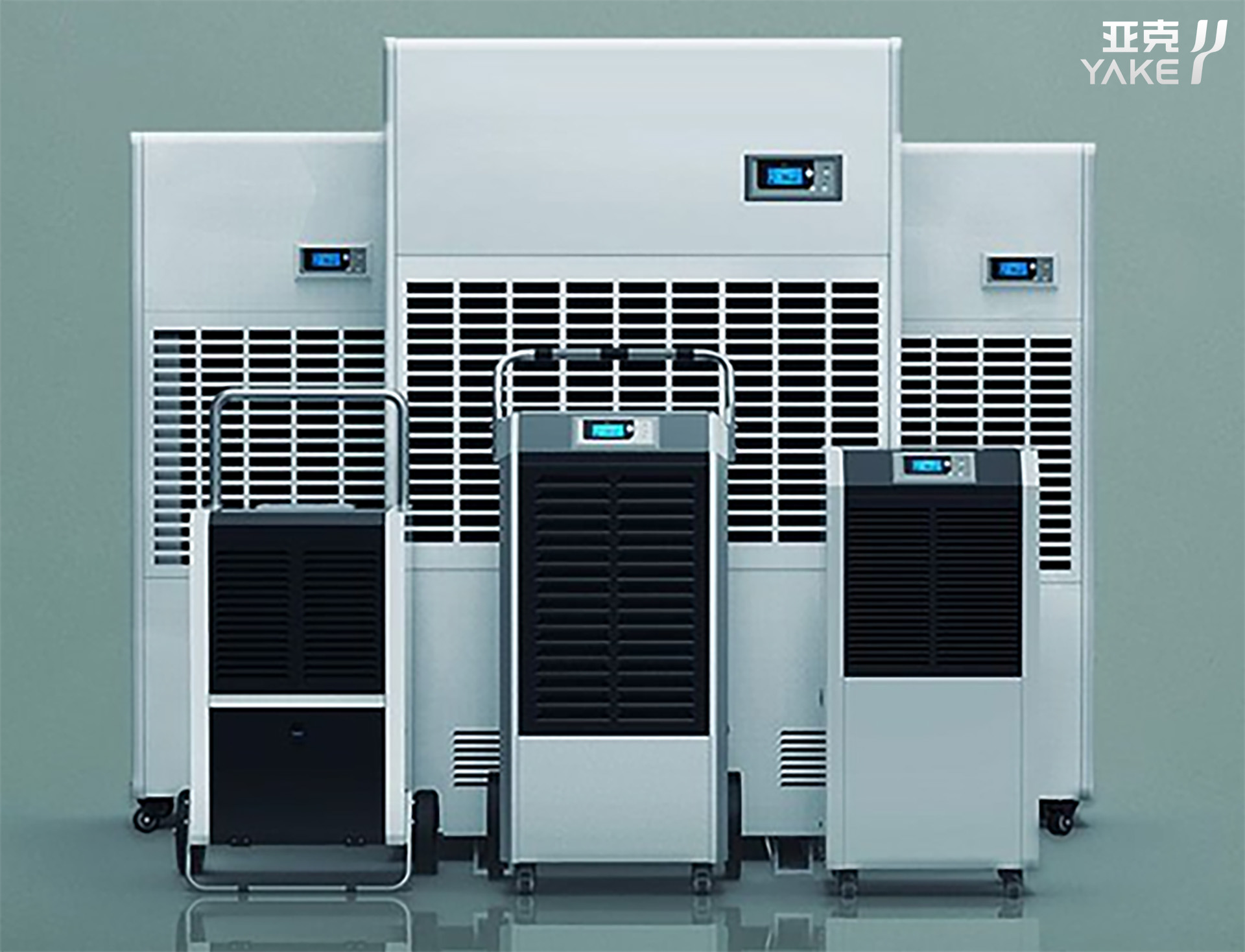
Contact us to find the best place to buy your Yakeclimate solution today!
Our experts have proven solutions to keep your humidity levels in check while keeping your energy costs low.