
Building 34, No. 535 Shunfeng Road, Hangzhou, Zhejiang, China
[email protected]
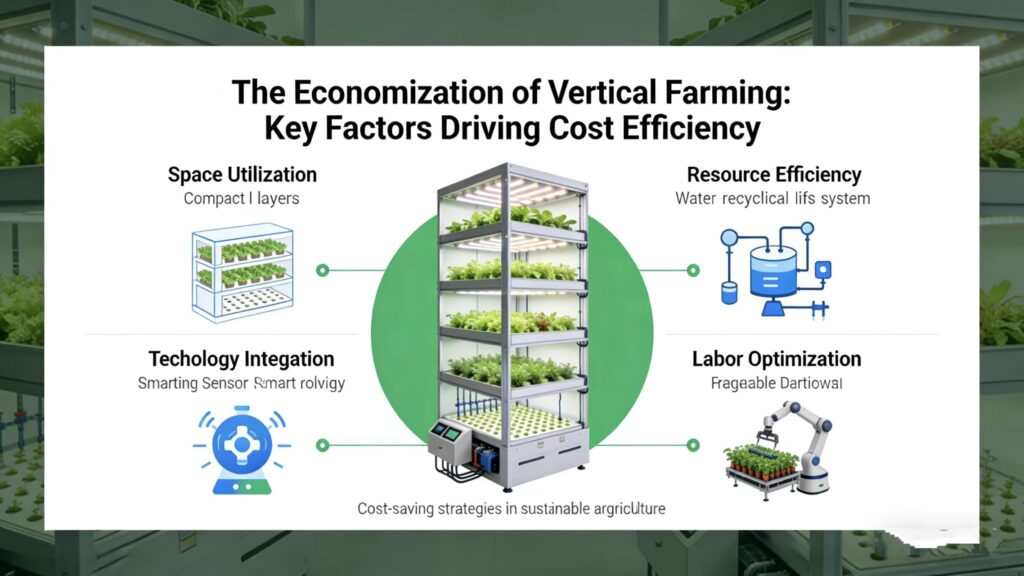

Vertical farming economization is slashing cost and waste in stacked indoor farms by being smart about how you do things. Huge indoor farms save space and water compared to traditional fields. They require precise management of light, air, and water. Economizing power in LED switches, strong air flow and tight humidity checks can cut bills by a wide margin. Closed-loop water systems save liters every day. Choosing the right crops, such as lettuce or basil, can boost the bottom line. As competition heats up in the city farm market, growers seek tech and methods that provide concrete advantages in cost and harvest size. The core of the post disaggregates these steps.

Vertical farming is reshaping the economics of food in urban areas. By stacking crops in controlled indoor systems, growers can save on land and water and make production more stable. This rapidly growing approach has the industry projected to hit $11.7 billion by 2027. Urbanization and land scarcity drive the necessity for such systems, particularly in areas where room is limited and there’s a hunger for fresh food. With reduced fertilizer dependence, vertical farms reduce pollution and make food safer with fewer chemicals. Economics hinge on sturdy plant factories that are capable of accelerating harvest cycles and satisfying demand all year long.
LED grow lights have been a game changer for vertical farms. These lights consume less energy than legacy systems and can be optimized to the precise requirements of each plant species. LEDs can constitute 30% of start-up costs, but the savings are easy to see in the long term when compared to traditional bulbs. Optimizing light schedules helps crops grow faster and increases yields. Many farms now have solar panels or some other form of renewable energy to operate their lighting, reducing expenses as well as their carbon footprint.
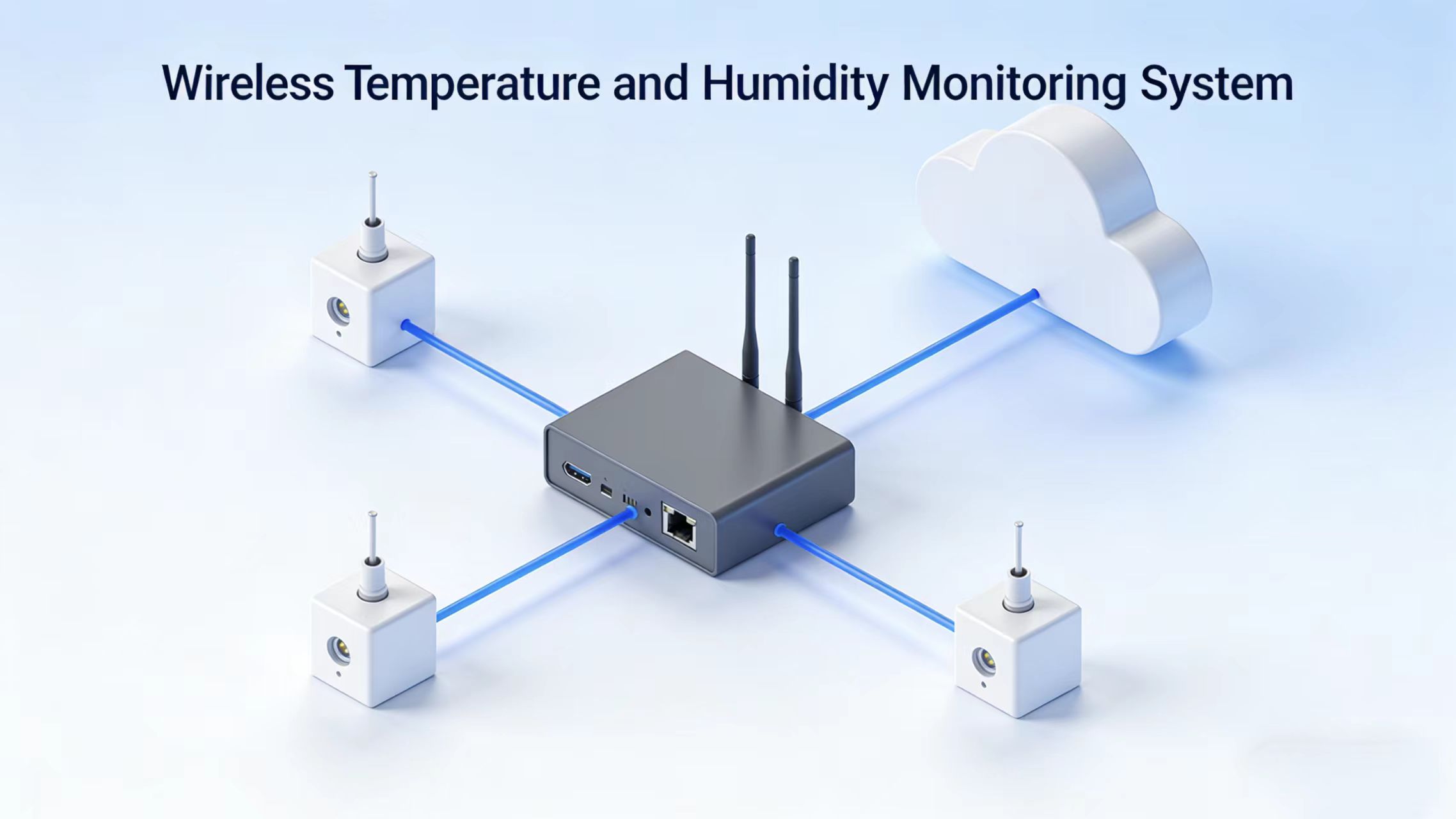
Smart tech is keeping vertical farms humming with less labor. Automation reduces labor costs, which run up to 3.5 NOK per 8 cm herb or salad pot. Robots plant, harvest, and inspect crops, making tasks faster and less error prone. IoT sensors monitor real-time plant health and system requirements. Information from these intelligent controls guides farms to optimize resources and maintain crops at peak condition.
Renewable energy is key to keeping power bills down, as energy can represent as much as 65% of what a farm spends to operate. With solar or wind power, farms are less reliant on fossil fuels and can insulate themselves from price fluctuations. Energy storage helps balance out peak usage. All these measures increase sustainability and reduce the carbon footprint.
By reusing and recycling nearly every drop, closed water loops save water. There is less evaporation or runoff in hydroponic and aeroponic systems. Innovative irrigation systems ensure that every plant receives its precise requirement, with no excess and no scarcity. Recycling water can make operations cheaper in the long run and help safeguard local reserves.
Data analytics gives farms the edge to make faster, smarter moves. Monitoring how plants thrive indicates what is successful and what should be improved. Predictive tools can identify emerging market demand before anyone else. By analyzing data, growers can reduce waste and deploy equipment and staff in the areas where they’re most needed.
On profitability versus traditional agriculture. The following table provides a glance at average profit margins for both methods. Indoor vertical farms can be quite profitable, with studies finding a compelling internal rate of return and a payback period of three to six years if wholesale greens prices remain at or above 6.36 €/kg. If prices fall under 10.37 €/kg, the payback period could extend beyond the farm’s useful life, resulting in a negative net present value. Conventional farms tend to have slimmer margins due to greater risk and less control over growing conditions.
| Farming Method | Avg. Profit Margin (%) | Payback Period (Years) |
|---|---|---|
| Indoor Vertical Farm | 15–30 | 3–6 |
| Traditional Farming | 5–15 | 7–12 |
Market demand for local produce is a huge chunk of the profit pie. A lot of farmers want fresh, local food. More cities want locally grown leafy greens and herbs. Vertical farms can produce three thousand one hundred ten grams of romaine lettuce per square meter per day. That is far beyond greenhouses, which produce one hundred twelve grams per square meter per day, or open fields, which produce ten grams per square meter per day. That capability to deliver large quantities of fresh greens rapidly is what helps vertical farmers secure local contracts, for example, with supermarkets or restaurants. These sales frequently command premium prices, contributing to profitability.
Cost savings make a huge impact. Food doesn’t have to travel as far with vertical farms, slashing the demand for long haul transportation and refrigeration. This conserves money and reduces spoilage or contamination. Conventional agriculture typically implies sustenance travels miles and miles, increasing expenses and risk of contamination. Vertical farms consume less land—1% of what conventional farms require for the same lettuce harvest—and that land is substantially more productive.
For one thing, profitability versus traditional agriculture. Vertical farms save on land and transport, but they spend more on energy and tech. As energy prices and tech efficiency fluctuate, the business case changes. Vertical farms are less vulnerable to weather or pests, which stabilizes their revenue. Vertical farms can be a sound long-term bet when wholesale greens prices are elevated, but cautious strategizing is essential.
Vertical farming has steep initial costs, primarily because of elevated land prices and installing automated systems in urban areas. For example, in Melbourne, city center land can go for $3,491 per square meter, while rural land costs just $0.40. Combine this with the cost of constructing infrastructure and you understand why so many farms have difficulty getting off the ground. LED lights, a must for indoor crops, devour a big chunk of our budget.
A concise checklist can assist farms in trimming expenses and remaining viable. First, begin modestly to reduce risk and discover what’s effective prior to expanding. Get modular systems so you can expand piece by piece only when you can afford it. Select sites where you can utilize existing structures rather than building anew. Seek to consume less energy, such as positioning crops so the natural heat rises and warms the upper levels or using energy efficient LEDs. Just try to get local materials and labor and you’ll be supporting the community and keeping costs down. Rely on automation for watering and climate control to minimize labor expenses and mistakes. We’ll track critical metrics such as energy and water usage and plant health to identify inefficiencies before they become problems.
Funding is a major obstacle. Farmers can explore grants from governmental agencies that promote sustainable agriculture or attract impact investors focused on green tech. Teaming up with local food companies or grocers can provide consistent purchasers and occasionally even funding. Crowdfunding has enabled some projects to bootstrap in this way by creating community and raising small amounts from a lot of people.
Smart economics is the secret sauce to make vertical farming really work. Thoughtful budgeting monitors costs and controls spending. Build financial models to anticipate payback periods, monitor expenditure, and identify savings. By developing proximity to consumers, farms can reduce shipping expenses and provide fresher items, which can increase margins over time. Systems in controlled environments reduce loss and increase output, which makes the enterprise more resilient in the long run.
The scaling imperative highlights the urgent requirement to produce more food as the world’s population increases. Specialists mention meals output must improve by 25 to 70 percent by 2050 to fulfill this demand. Climate change, increased urbanization, and population growth strain existing food systems. Many people view vertical farming as one solution to this problem since it can produce more food in less space and with fewer resources. It employs stacked layers to cultivate crops indoors, enabling operations to exist in urban spaces or areas with limited farmland. It can consume less water and reduce shipping costs, which is critical in areas with difficult land and water access.
| Importance of Economies of Scale | Strategies for Scaling |
|---|---|
| Lower costs per unit | Use larger or shared facilities |
| More efficient resource use | Standardize processes and automation |
| Lower risk of supply shocks | Partner with tech or farming companies |
| Better reach to new markets | Co-invest in logistics and distribution |
| Easier access to funding | Pool resources for joint R&D |
There’s an advantage of scale in scaling up, primarily through economies of scale. Large farms can buy supplies in bulk, amortize costs, and deploy machinery or software to increase efficiency, which reduces costs per unit of food produced. Standard processes and automation maintain quality and reduce mistakes. For instance, a massive vertical farm can purchase LED lights more cheaply or utilize the same nutrient mix across all plants. This will help push the cost of food grown indoors toward parity with food grown in the field.
Collaborating with others is the secret to expansion. Partnerships with tech firms, research groups, or other growers allow companies to spread costs and accelerate learning. For instance, a farm may partner with a lighting company to receive tailored, energy-efficient lighting. Partnering with area food purveyors enables farms to scale store coverage. Other farms collaborate with urban planners to retrofit vacant structures or rooftops with crops. Partnerships can assist in obtaining subsidies or enacting novel legislation that favors indoor farming.
A good supply chain is essential for scaling up. To scale, farms require reliable suppliers for seeds, nutrients, and tools, as well as efficient distribution channels for delivering perishable products swiftly to consumers. Utilizing software to monitor orders, schedule harvests and manage inventory reduces waste. Connecting with local partners translates to shorter shipping routes and fresher food. Farms that eliminate additional middlemen in the supply chain usually save cash and reduce spoilage. Attention is required, as larger systems consume more power and may adversely affect the environment if improperly managed. By balancing this growth with green steps, like using clean energy or reusing water, we can help avoid these risks.
Vertical farming is associated with leafy greens. It extends way beyond that. Farther than just leafy greens, farms are beginning to introduce strawberries, tomatoes, peppers, and edible flowers. These arrangements are taking care of high-value herbs—basil, mint, chives, and cilantro. These crops can yield better returns per square meter, helping to counterbalance higher startup costs and energy bills. The motivation to cultivate beyond leafy greens isn’t simply about diversity. It’s a reaction to shifting consumer appetite and a drumbeat for local, sustainable food.
Specialty crop market opportunities are emerging as buyers seek fresh, local, and unique flavors throughout the year. Vertical farms can fill these voids. Think microgreens, exotic herbs, and even rare vegetables. They are becoming increasingly sought after in restaurants, health food stores, and in export markets. This abbreviated supply chain keeps them fresher, reduces spoilage, and reduces carbon emissions from bridging farms and cities. This is a crucial benefit. Food transport and waste are among the biggest emissions culprits of conventional farming.
The real question is whether staple crops, such as grains, root vegetables, or legumes, could be cultivated at scale in vertical arrangements. Though it’s tough to outcompete open-field wheat or potatoes for price, they’re experimenting with small, fast-growing varieties. Automation is a big part of that. Robotics and machine learning assist in the precise dosing of light, water, and nutrients. That keeps yields steady and minimizes human contact, which is critical for hygiene and round-the-clock operations. Even with these tools, their cost and payback period, typically more than seven to ten years, still restrict what’s feasible. Others think that as LED efficiency continues improving, now nearing ninety percent, and as tech prices fall, it might eventually swing open for more staples in the future.
Consumer trends are influencing what vertical farms cultivate. Consumers are craving more variety, grown with less water and less land. Vertical farms now use up to 95% less water and 99% less land than field farms, while providing up to 10 times more yield per square meter. With more shoppers prioritizing sustainability and freshness, there’s an obvious niche for vertical farms if they can manage costs and scale to fill it.
Vertical farming scaled quickly and faced a real economic challenge. The industry hit a “trough of disillusionment” in late 2021, which means that some initial optimism has worn down as the real expenses and dangers become apparent. High capital costs are the norm, and it can take decades to become profitable. That’s a lot to expect from investors looking for fast returns. Most vertical farms rely on pricey equipment and high-tech systems, and if these don’t pay off quickly enough, the risk of business failure increases. Labor costs are a bear to balance. Manual labor is expensive, but transitioning to automation results in even higher upfront expenses.
Energy is among the largest expenses for vertical farms. These systems require a ton of power for lighting, heating, and cooling. A spike in oil or electricity prices can decimate profits. Even as things like optimized LED lights and smart “light recipes” improve, your energy bill remains high. For instance, going LED reduces lighting expense, but the savings may not offset the increasing cost of power in many parts of the world. Renewable-energy farms reduce risk, but their initial investment is steep and they are not viable everywhere. Climate change makes energy supply less predictable, and natural disasters can disrupt supply chains or cause abrupt price surges.
Rules and regulations throw a whole new level of uncertainty into the mix. When food safety rules or building codes change, it can mean expensive upgrades. For example, some countries have very stringent water or chemical standards that can increase costs or restrict what is grown. At the same time, new rules can create opportunities for those who can lift and move quickly to satisfy those higher bars. Not all growers can afford that.
To stay afloat, vertical farm owners need to diversify their risk. Using fewer watts with smarter technology, like advanced LEDs, helps. Others deal with local power grids or solar panels to lock in costs. Automation can reduce labor expenses long term, but only if the initial investment is strategic for the company. Diverse crops and smart contracts with buyers can keep sales on an even keel, even as markets shift.
Vertical farming continues to revolutionize urban agricultural practices. Cost comes way down with new technology and smart configurations. Growers at vertical farms economize by using less water and less space while growing more. Most have gone beyond simply greens by incorporating fruits and roots. More locations realize this approach is effective for numerous crops and environments. While many farms still have jaw-dropping bills for power or gear, clever design can assist. To remain resilient, cultivators continue educating and innovating. The vertical farming field moves fast and every step opens up opportunities. To maximize your farm, stay updated with new tools and contribute successful tips. Talk to others, learn from their victories, and discover what suits your objectives.
Vertical farming economizes land and water. It enables production throughout the year and lowers transport costs by its urban setting. This typically results in increased efficiency and quicker returns.
Economies of scale come from high yields per square meter, economized inputs, and premium pricing for fresh, local crops. Automation and energy-saving technologies help to reduce operating costs.
High startup capital and energy expenses are the big hurdles. The availability of low-cost technology and dependable power sources are other issues for many operators.
Scaling can happen, it needs investment, innovation, and policies that support it. Big operations are sprouting up, but worldwide embrace is just nascent.
No. Although leafy greens dominate, crops such as strawberries, herbs, and tomatoes are on the rise. Tech innovation is increasing crop diversity.
About: Vertical farming economization: Vertical farming can enhance food security by growing fresh produce near population centers, minimizing supply chain vulnerabilities, and providing resilient output independent of climate conditions.
Other big hurdles ahead include cutting energy consumption, slashing capital costs, and diversifying crops. Flexibility for market shifts and customer demand will be important.



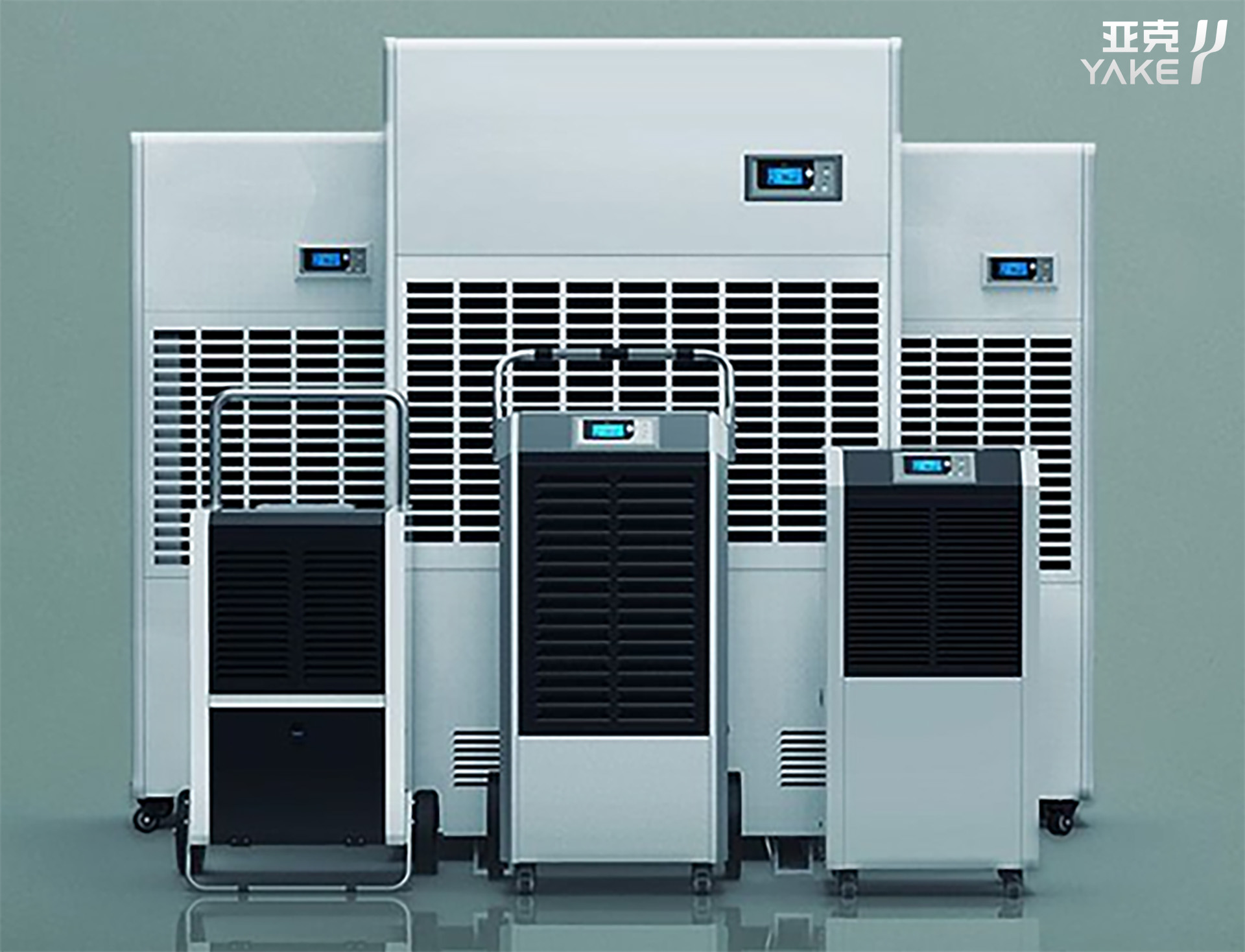
Contact us to find the best place to buy your Yakeclimate solution today!
Our experts have proven solutions to keep your humidity levels in check while keeping your energy costs low.