
Building 34, No. 535 Shunfeng Road, Hangzhou, Zhejiang, China
[email protected]


Indoor farming challenges are the obstacles to grow crops indoors. Light control, air flow, and maintaining proper humidity are all major components. Issues such as mold, poor crop health, and high energy bills can bog down advancements. Here in the US, where the weather tends to change quite a bit, these problems crop up in urban and rural indoor farms alike. If you can find ways to prevent water from collecting on leaves, reduce wasted energy, and distribute air optimally, you make a huge impact on crop yield and cost. Most resort to smart gear such as dehumidifiers and climate systems to address these issues. The remainder of the article discusses practical solutions and equipment that’s optimal for various configurations.
Indoor farming has hard daily operational hurdles. All these growers face narrow margins, high expenses and control requirements. Nailing these operational details is what separates a thriving farm from an expensive blunder. Below are some smart strategies to address these hurdles:
Power costs are a huge burden. Some farms encounter bills that chew up margins quick. Large vertical farms, for example, can require millions of kilowatt-hours merely to keep lights and air circulating. Most of that energy is lost—up to 80% — because each crop has its own photosynthesis sweet spot. To slash this waste, growers are replacing legacy fixtures with high-efficiency LEDs and installing dimming controls. Teaming up with local solar or wind providers can lower costs as well. It pays to track where energy goes with real-time monitors, so managers can catch and correct waste, whether that’s lights left on too long or cooling running too hard. Implementing intelligent energy oversight provides a real-time snapshot and empowers squads to fine-tune in the moment.
Maintaining air and humidity just right is no easy feat. Big farms have to decide—one giant HVAC or many smaller zones. Every crop, and even every part of the building, might require a different configuration. Smart sensors go a long way towards solving this. These monitor temperature and humidity 24/7. Automated systems can adjust fans, dehumidifiers and heaters without having to wait for a staff member. There’s a drive for improved insulation, so less energy escapes. Teams need to troubleshoot these systems frequently to ensure they’re tuned-up, particularly as seasons change.
Water use is enormous—millions of gallons per year at scale. Lots of us are resorting to hydroponics, which requires a fraction of the water of dirt. Yet, tracking water use is hard, and waste can creep in. Farms are adding meters to every row, so they can detect leaks or excessive watering. A few have even stored rainwater as a backup. Training growers on best water habits is crucial, since errors can compound quickly.
Pests and disease inevitably arrive. Even with closed doors, bugs and mold sneak in. Good farms establish integrated pest management—employing bugs that eat other bugs, not just sprays. Workers scout fields every day, searching for initial indications. Training workers to identify issues early helps maintain small-scale outbreaks.
Indoor farming has a variety of economic headwinds, from significant initial investments to persistent price compression. The industry has witnessed numerous operators struggle to find profitability, particularly with energy-efficient greenhouses currently outpacing vertical farms in terms of growth and adoption. Large projects can cost millions, burdened by infrastructure requirements such as HVAC and water consumption. Even with these difficulties, there are ways for growers to make their economics look better.
Indoor farming startup costs can climb into the millions, just before first harvest. Most of this is invested in advanced lighting, HVAC and automation. A lot of operators seek out grants or subsidies, particularly those backing sustainable agriculture. Some opt to collaborate with experienced firms, which can distribute the burden and leverage seasoned insights. Cost-saving measures—such as employing more efficient dehumidifiers—can extend budgets and assist farms in surviving initial losses.
In a saturated market, growing crops indoors isn’t going to cut it. Therefore, growers really need to differentiate themselves, typically through quality or something special like specialty greens. Working with local retailers can get you better shelf space and price. By monitoring what your competition is charging, you can be nimble. Bold branding does matter — it helps people perceive the product as being worth more than just its price.
Not every risk is apparent at the outset. Intelligent market research can help avoid the landmines, like changing consumer demand or the potential for pests and disease to destroy crops and profits in one season. Nice risk management strategies maintain your business afloat when sh*t hits the fan. Other investors diversified their portfolio–like mixing hydroponics and aquaponics–to hedge bets. Up to date means prepared to change.
| Financing Option | Pros | Cons | Implications |
|---|---|---|---|
| Bank Loans | Widely available | High interest | Increases financial risk |
| Government Grants | No repayment | Highly competitive | May require sustainability focus |
| Private Investors | Large funds | Loss of control | Partnerships or equity split |
| Equipment Leasing | Lower upfront costs | Higher long-term cost | Easier tech upgrades |
Indoor farming depends on a combination of specialized machinery, software, and expertise. Even with recent advances, there are critical gaps that still exist that can bottleneck efficiency and restrict profitability for growers. These are not purely technical challenges—they frequently involve workflow and mindset shifts.
Robotics are promising for planting, harvesting, and crop inspection, but the majority of systems today still require a significant amount of human supervision. Although certain robots can shake trays or snip leaves, full automation is expensive and difficult to scale for many farms. Convenient automation—such as straightforward conveyor belts or automated watering rigs—may assist, but they have to be effortless to install and operate. Staff need to be trained on even the most rudimentary new tech, otherwise the spend fizzles. Upfront costs for automation are steep, and for many growers the ROI isn’t obvious unless the operation is larger or going after high-value crops.
Data is simpler to capture than ever in indoor farms, yet an excess of it can become a hindrance. A lot of farms monitor humidity, temperature, light and plant growth via sensors, but all those numbers are only as valuable as they are actionable, and actions, in this case, need to be clear and fast. Analytics software is crucial, but even the top programs require employees who understand how to translate insight to implementation. Focusing on a handful of key performance indicators, such as yield per square foot or energy consumed per pound of crop, keeps it real. Teaching workers how to read and navigate data dashboards does wonders to getting tech investments to pay off.
The hardest job is to make different farm systems compatible. Standard protocols for hooking up lights, HVAC, nutrient dosing and dehumidifiers are still uncommon. Too many growers are left with a patchwork of systems that don’t communicate, resulting in missed savings or wasted resources. Working with tech suppliers who understand ag can help. Trialing new integration configurations in a small scale before site wide deployment reduces risk. Employees need hands-on time with any new system so they can debug problems fast.
Tech devs and growers should collaborate more to actually solve real-life issues. So many indoor farm tools are constructed in a vacuum, resulting in functionality or controls that don’t match farmers’ daily workflow. More direct feedback loops, site visits, and shared pilot projects close this gap. Even basic engineer-grower check-ins can help solutions more practical and cheaper to run.
Indoor farming in the US gets caught in a regulatory maze. Growers have to stay on top of evolving local, state and federal rules that impact anything from where a site can be located to how it operates on a daily basis. Understanding how to navigate these legal avenues is essential for a business that’s stable, efficient, and sustainable.
Cities and counties establish their own land use rules, so indoor farmers must consult local zoning codes and maps prior to site selection. Some don’t explicitly mention indoor farming as a permitted use, or they categorize it with other forms of farming, which can restrict or prohibit a project. Meeting with city planners or zoning boards early helps identify roadblocks and create opportunities to communicate the value of controlled-environment agriculture. When necessary, it’s wise to come prepared with supporting documentation—such as site plans, noise studies or energy use estimates—so the farm complies on all fronts. Rules can change quick as cities react to new trends, so continuous surveillance is required to secure long-haul investment.
Food safety, of course, is a given for indoor farms — particularly those growing for grocery stores or direct sales. Growers need to establish defined sanitation measures from seed to harvest. This entails washing your hands, clean tools, and maintaining growing areas free of pests and mold. Continuous staff training keeps everyone up to date on best practices and compliance with often evolving FDA regulations. Regular audits and self-checks can catch things before they become recalls or legal issues. Seeking guidance from food safety professionals, particularly when scaling, aids in developing robust systems that withstand the growth of the business.
U.S. Labor laws for pay, hours, safety, rights. Indoor farms need to be aware of federal, as well as state, regulations to fend off fines or conflicts. Training programs increase worker skills, reduce errors, and increase morale. An equitable, transparent work environment retains strong personnel as the industry expands and grapples with fierce employee competition. Monitoring local job markets and regulatory changes allows leaders to strategically anticipate hiring, compensation and training demands.
Hands-on in policy corridors advocating rules tailored for indoor farming. By joining industry groups and speaking at local meetings, you can help shape better laws.
Indoor farming is about people just as much as it is about technology. The ascent of indoor agriculture offers promise, peril for the labor force. Filling any skill gaps, taking care of mental health and culture in the team – all is crucial to success. Community support and knowledge-sharing is equally important — influencing not just productivity but the psychological effect of these contemporary spaces as well.
Operating an indoor farm can be a full-time occupation. Long days, non-stop fire-fighting and output quotas wear on you. Work-life balance programs, like flexible shifts and scheduled downtime, assist founders and managers in managing stress. Networking events, peer groups and industry meetups enable entrepreneurs to talk through setbacks, share solutions. When mental health resources are accessible, founders receive assets to manage burnout—such as counseling or stress management workshops. A culture of collaboration rather than competition promotes the sharing of best practices and fosters a general feeling of support.
A healthy team culture relies on feedback and collaboration channels being open. Weekly staff meetings, cross-training, and cooperative problem-solving keep us all on the same page. Mentorship programs pair experienced growers with new hires, accelerating learning and gaining trust. Community events, such as in-person workshops or virtual forums, build camaraderie and maintain knowledge momentum. These efforts count because social connections and support networks increase occupational satisfaction and ease the stresses of indoor farming.
Availability of fresh produce in urban centers increases health and food security, particularly in ‘food deserts.’ Being surrounded by plants indoors can reduce stress and elevate moods—a hardwired reaction tied to our bond with nature. The appropriate combination of green space, social support and having a sense of control magnify these psychological benefits. Community engagement, whether it’s volunteer days or public tours, nurtures connections and extends the reach of indoor farming’s rewards.
The movement toward indoor and vertical farming is accompanied by new technology, smart space utilization, and more precise climate control. These innovations are necessary as water becomes limited, urban land value soars and the global population increases. Today, vertical farms can consume up to 90% less water than traditional farms. Up to 390x more food/square foot. This is key, because over 10 billion people are going to require food by 2050, but there will be less land and water available.
| Technology | Impact on Indoor Farming |
|---|---|
| LED Lighting | Cuts energy use by half versus fluorescent lighting, lowers heat load, supports tailored light recipes for plant growth |
| Automated Hydroponics | Boosts nutrient control, lowers labor, saves water, helps root zone management |
| Advanced HVAC & Dehumidifiers | Keeps climate stable, stops mold, saves energy, key for high-density crops |
| AI & IoT Sensors | Give real-time data, help spot issues fast, optimize inputs and reduce waste |
| Modular Racking | Makes vertical scaling easy, boosts yield per square foot, adapts to different crops |
Vertical farming technology now revolves around LED lighting, hydroponic irrigation, and precision climate tools. LED lights have revolutionized the industry by reducing energy costs by 50% and providing growers with greater control over the light spectrum. Hydroponic systems utilize less water and permit close nutrient control, resulting in minimal waste and enhanced plant health. High level HVAC and dehumidifiers like Yakeclimate are key to maintaining balanced air, preventing mold and saving energy. They assist growers in dialing in the proper humidity and temperature for each crop, which is especially important for leafy greens, herbs and even fruiting crops.
Cooperation with researchers is crucial for advancing the industry. A lot of companies these days partner with universities and ag-tech labs to try out new techniques—such as AI-generated growth recipes or disease detection through sensors. Such initiatives, like the green revolution, typically result in higher crop yields and reduced resource consumption. Take, for instance, Singapore’s push to grow 30% of its food locally by 2030 has caused a surge in research partnerships—catalyzing new tech and know-how.
Policy support is increasingly crucial as well. Tax breaks for energy-efficient equipment, subsidies for urban-farm startups, and lenient zoning regulations all aid the industry’s expansion. With the vertical farming market to reach $26.37 billion by 2030 and a 24.42% CAGR expected, the next ten years will be defined by good policy and intelligent innovation.
Indoor farming keeps people on their toes. Strict regulations, expensive infrastructure, and complex technology can impede progress. Mold in lettuce rooms, heat spikes in tomato bays and old gear that breaks down—these stuff happens a lot. Teams hustle every day to keep the lights on and keep the plants happy. Good equipment, like rugged dehumidifiers, goes a long way. Defined regulations and tech tailored to the space allow crops to thrive. By monitoring every plant and examining every chamber, people detect issues quickly. Growers who employ smart tools and solidarity weather rough spells best. Looking to increase your yields and avoid pitfalls? Contact us to discover how our new gear and smart planning can help your farm grow steady.
Indoor farms present challenges such as significant energy consumption, and complicated climate control and pest mitigation. Operating these systems seamlessly in the U.S. Frequently requires experienced labor and consistent repair.
Indoor farms come with a high initial capital investment and continuous costs for lighting, HVAC, and automation. These expenses can be significantly greater than conventional farming in America.
A lot of indoor farms rely on high technology. If equipment breaks or software fails, crops can die swiftly. Not every grower can afford the newest equipment.
Indoor farmers need to comply with rigid local and federal regulations on food safety, building codes, and pesticide use. Navigating these can be both time consuming and expensive.
It’s hard to attract and retain talent. Indoor farms frequently find themselves in a competition with other sectors for ag-tech-savvy staff.
New LED lighting, AI-powered climate management, and smarter hydroponics are enabling U.S. Growers to reduce expenses and increase production. New research promises simpler, cheaper indoor farms.
Indoor farms can use less water and less land, and they escape many pesticides. Their energy consumption is greater, particularly if U.S. Farms use fossil fuel-based electricity.


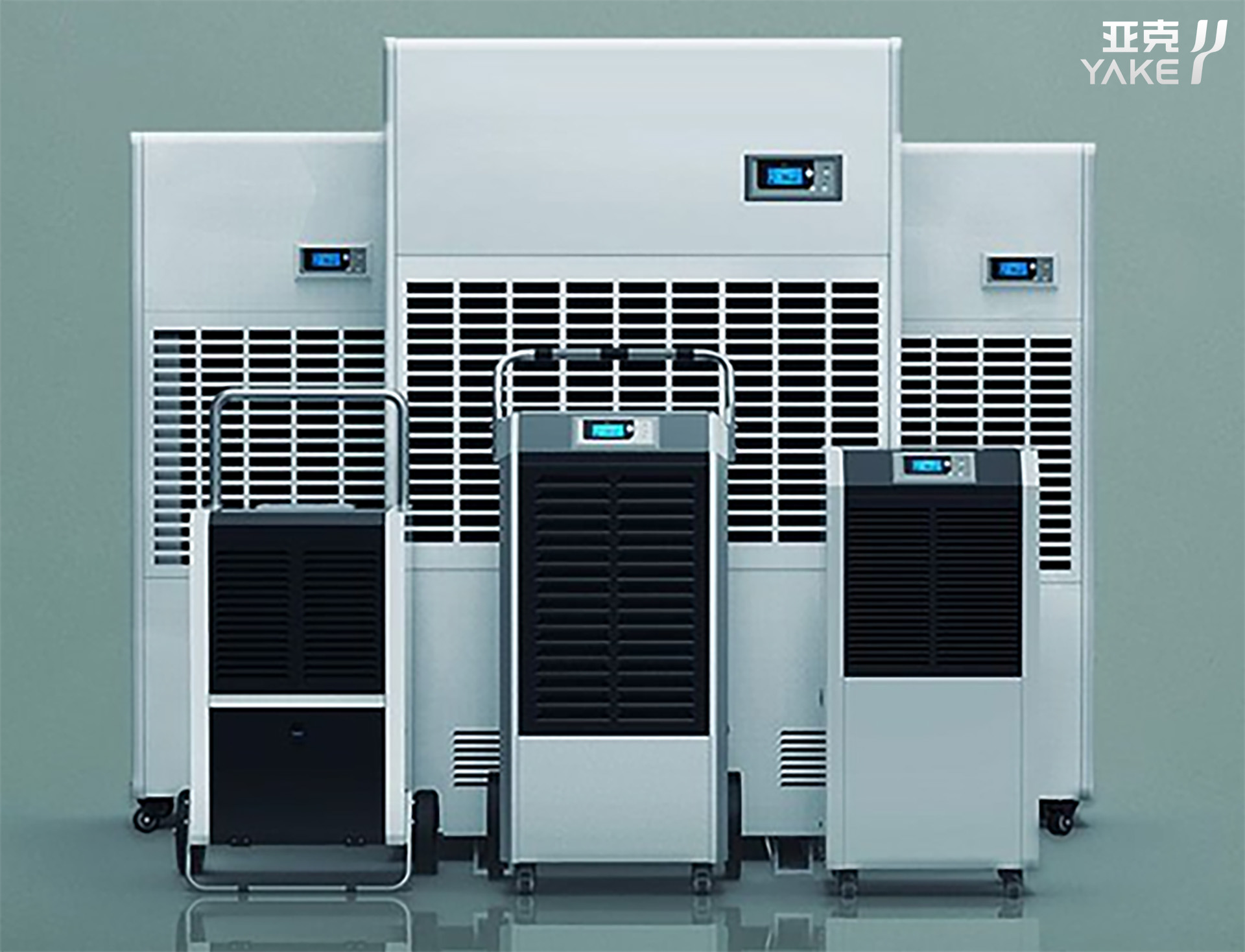
Contact us to find the best place to buy your Yakeclimate solution today!
Our experts have proven solutions to keep your humidity levels in check while keeping your energy costs low.