
Building 34, No. 535 Shunfeng Road, Hangzhou, Zhejiang, China
[email protected]
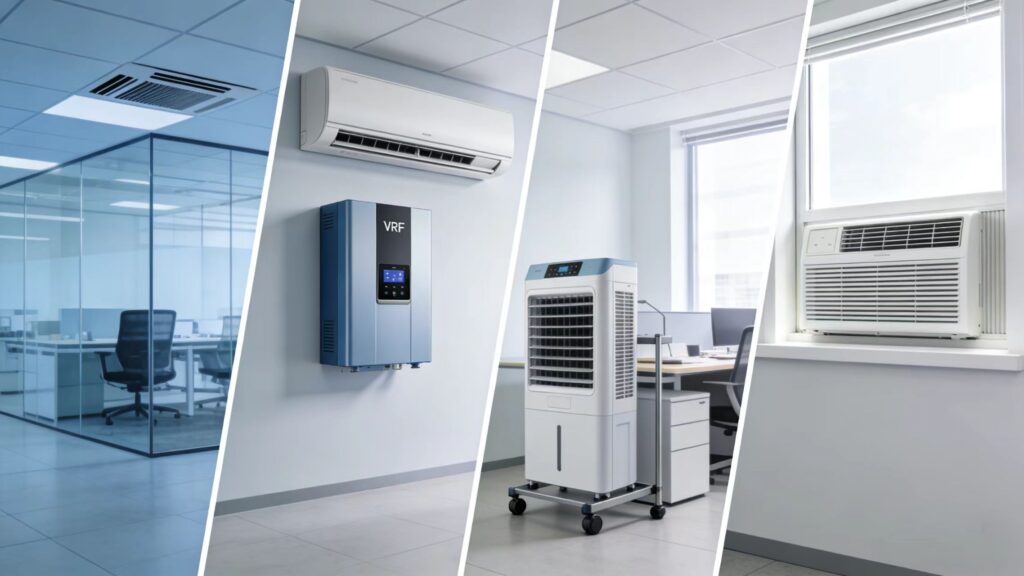

Office air conditioning keeps work spaces cool and stable by managing temperature and humidity. They typically rely on split, VRF, or central air handlers to handle open plan offices, meeting rooms, and server rooms. Friendly office air conditioners keep the work environment more enjoyable and promote healthier air. Newer systems generally incorporate energy-saving features, such as variable speed compressors, smart thermostats, and better filters. Many offices now use zoning to allow each zone to remain at the desired comfort level. For teams aiming for consistent productivity and employee wellness, choosing the proper office air conditioning system is essential. The key components and decisions in office air conditioning will determine the efficiency of a building’s operation.

Office air conditioning is crucial in determining how we work and feel in these environments. A quality air system maintains a cool and consistent environment, which is a key factor for humans and computers alike. When the work environment is right, it keeps workers focused, reduces sick days, and allows equipment to perform optimally. There is an additional benefit to clean, cool air; it makes offices more welcoming, resulting in happier employees who want to stick around.
Steady office temperature, comfortable around 22°C (71.6°F), helps clear thought, concentration, and rapid decisions. Studies indicate that almost a third of workers lose productivity when temperatures are out of whack, losing as much as 10 to 30 minutes of work per day. With the wrong climate, people become either fatigued or feel the need to procrastinate, both of which damage collaboration and stall deliverables.
A good office climate control translates into fewer days missed. When it’s too hot, or too cold, or the air is stuffy, absenteeism shoots up. A/C keeps things in the temperature zone and in the energy zone, allowing folks to maintain a healthy pace the entire day through. As we’ve seen, even a small comfort decline can cost a business as much as 2% of office time, which leads to massive cumulative losses over a year.
Good filters and airflow in air conditioning systems ward off airborne germs. By maintaining humidity levels of 40% to 60%, they prevent mold and reduce the risk of respiratory issues. This matters because bad air means more sick days and long-term health problems.
A healthier workspace isn’t just about less coughing and sneezing — it boosts morale. Employees are healthier and happier when the air is fresh and the climate is consistent. It all accumulates into an office environment that people want to be in, which aids in employee retention.
The sensitive office equipment, from computers to servers, requires cool, stable air to function optimally. Overheating can cause breakdowns or reduce the life of costly equipment. Air conditioning reduces this risk, protects critical equipment and reduces repair expenses.
A good system translates to less unexpected breakdowns of the HVAC or other office equipment. Reliable climate control safeguards tech investments, so businesses can depend on their equipment day-in and day-out.
Office air conditioning systems can be as simple as single-split units, all the way to ultra-complex VRF networks. The best option for your office depends greatly on your office size, layout, energy goals, and local climate demands. Being able to compare system types enables facility managers and building owners to select solutions that maximize comfort, reduce energy, and promote productivity.
| System Type | Benefits | Energy Efficiency | Ideal Use Cases |
|---|---|---|---|
| Centralized Systems | Uniform cooling, easy maintenance | High | Large office buildings |
| Split Systems | Flexible zoning, quiet operation | Medium to High | Small to mid-sized offices |
| VRF Systems | Precise control, simultaneous heat/cool | Very High | Medium to large offices |
| Packaged Units | Compact, combined heating/cooling | Medium | Rooftop or space-limited |
| Multi-Split Systems | Multiple zones, efficient | High | Offices up to 5,000 sq. ft |
| Chiller Systems | Scalable, reliable | High | Large complexes/districts |
| Cassette Systems | Discreet, for mid-size offices | Medium | 10–15 person offices |
Centralized HVAC systems are common in large office buildings. These systems utilize a primary unit, typically located on the roof or in a mechanical room, to deliver chilled air via ductwork. This allows you to conveniently maintain consistent temperatures throughout large areas. It’s easier to maintain because there’s only one location to monitor. With economies of scale, these systems usually consume less energy per square meter than a lot of small units running at once. While other sites employ chiller systems that require maintenance, others purchase chilled water from local plants. For very large offices, central setups frequently provide long-term cost savings and reliable temperature control.
Split systems have one outdoor unit and one or more indoor air handlers. They’re a great match for smaller offices or spaces divided into multiple zones. The configuration allows occupants to select an appropriate temperature for each zone, making the system highly versatile and individualized. Newer split systems commonly employ inverter technology to modulate output, which aids in reducing power consumption and noise. In offices with variable work patterns, split systems can conserve energy by cooling only where people work. Multi-splits link multiple indoor units with a single outdoor unit and span up to roughly 5,000 square feet.
Something that really stands out for its control and efficiency is Variable Refrigerant Flow systems. They employ a central outdoor unit that moves refrigerant to various indoor units upon demand, cooling certain rooms and warming others simultaneously. This is handy for offices where spaces require varying levels of cooling, such as a conference room requiring more cooling than a supply closet. Smart controls and sensors take the system further by fine-tuning it in real time. VRF setups are quiet, energy-saving, and fit buildings where flexibility and zoning are important. They are perfect for expanding companies, and their two-pipe configuration reduces installation labor.
Packaged units place all the components—compressor, condenser, and evaporator—in one box, making them easy to install. These are typically rooftop units, leaving interior space available and noise reduced. Packaged systems are handy for offices with tight layouts or where incorporating ductwork is difficult. They deliver heat and cool in one system, so you have a single set of controls. Installation is fast and upkeep is easier since it’s all together. They cannot match the zoning capabilities of VRF or split systems, but packaged units still meet the needs of many small and mid-size offices.
Choosing the right office AC system requires a thorough examination of building requirements, energy consumption, local environment, and budget. Each impacts comfort, cost, and sustainability in the long run. Here is a list of essentials to consider when making your choice.
Square footage is what dictates how much cooling your system needs to manage. Square meters exactly. Factor in heat from humans, computers, and lights. More gear means more cooling.
If you have an open office layout, air circulates more freely. For several rooms or sealed off spaces, you may require a zoned system or multiple thermostats. Look at insulation because bad insulation really increases energy consumption. If you’re planning to expand, be sure to seek out scalable systems so it can grow with your business.
Noise counts as well. Several of the bigger systems can be noisy, so consider acoustics if a hush zone is a priority.
Establish energy use and carbon emissions goals. Search for systems with high SEER ratings, which indicate greater efficiency. Intelligent HVAC controls allow you to manage temperatures and monitor usage on the fly. These tips will help identify waste and cut costs.
Other systems enable you to link with solar panels or other renewables. This reduces expenses and assists sustainable design objectives. Well owners pursuing LEED or similar qualifications must ensure the system qualifies.
Local weather is key. For hot climates, choose intense cooling. In mixed climates, opt for heat pumps that have heating as well as cooling capabilities. Where strong dehumidification is needed, it is vital for comfort and mold control. Think seasonal swings; systems that accommodate summer highs and winter lows.
Local rules or codes might limit system types or refrigerants, so do check.
Determine your budget for purchasing and installing the system. Contrast this with annual running and maintenance fees, as lower price systems can be more expensive over time. Look for deals on efficient systems; there are lots of rebates everywhere. Remember to budget for repair and replacement because systems need to last 15 to 20 years.
Consider indoor air quality. Better air leads to better health and safety with HEPA filter systems. Maintenance staff experience and technical skill count since some systems are more complicated to operate.
Ambient air quality: The invisible influence of office air conditioning. These systems control temperature and directly impact humidity, airborne particle dispersal, and fresh air circulation. For the millions of adults who spend almost a third of their weekdays in office buildings, this can affect health, comfort, and productivity. Indoor air can be up to two to five times more polluted than outside air. Typical sources are construction materials, office equipment, and everyday activity. Low-quality air can cause Sick Building Syndrome, present in almost 57% of office spaces, resulting in exhaustion, migraines, and respiratory issues. The following points highlight common air quality concerns in offices:
Filters should be changed regularly to maintain airflow and keep the air clean. HEPA filters used in offices where there are sensitive work or vulnerable employees will generate a cleaner, safer space. Every office needs a filtration strategy that suits its unique air quality hazards based on location, building age, and employee requirements.
Control indoor humidity to prevent health issues and irritation. When humidity is too high, above the ideal range of 40 to 60 percent relative humidity, mold and dust mites flourish, causing allergies and asthma. Dehumidifiers and smart HVAC systems help keep moisture in balance. Air Quality: The Unnoticed Effect Educating staff on why humidity is important can foster mindfulness and enhance overall health.
Good ventilation is crucial to fresh office air. Mechanical ventilation systems exhaust stale air and deliver filtered outdoor air. Natural ventilation, or opening windows, is great for temperate climates and reduces energy consumption. Check and adjust ventilation rates regularly, as requirements change with additional occupants or activities. Better ventilation can prevent sick building symptoms by limiting pollutant buildups.
Smart integration is now driving the next generation of office air conditioners. Today’s HVAC platforms leverage sensors, cloud platforms, and analytics to empower building managers to dig beneath the surface and optimize the climate for comfort and savings. The pressure for reduced energy and enhanced indoor air quality is worldwide, with emerging regulations and changing workplace demands fueling transformations. Technologies such as IoT and AI simplify the process of managing, observing, and forecasting system behaviors, which is essential for both operational and strategic considerations.
IoT controls enable users to view and modify HVAC settings in real time, whether you’re at home or miles away. Managers can use mobile apps to remotely adjust temperatures, monitor energy usage and detect faults. These systems gather data, like occupancy patterns, so temperatures can adjust on a schedule or in response to people entering or leaving a room, conserving energy. Data analytics assist in detecting when usage surges or declines, facilitating the establishment of notifications or the adjustment of system configurations. That translates to stabler comfort, faster response to changes in the office and smaller utility bills. IoT assists with reporting for compliance and sustainability initiatives, providing transparent records of system performance.
With predictive maintenance, offices can reduce unexpected breakdowns and expensive repairs. Sensors integrated into the HVAC system detect any indicators of wear, abnormal sounds, or performance degradation. When a problem is probable, the system alerts the maintenance crew to investigate before it escalates. For example, rather than servicing the system on a fixed schedule, service is performed based on usage and sensor data. This way, the system runs longer and with less downtime, so the office climate stays even. Proactive care translates to less energy drain, as components operate optimally for extended periods. AI-powered diagnostic tools are beginning to assist with this, detecting trends in the data that humans might overlook.
| Refrigerant Type | Global Warming Potential (GWP) | Environmental Impact | Regulatory Compliance |
|---|---|---|---|
| R-32 | Low | Lower emissions | F-Gas, Kigali Amendment |
| R-1234yf | Very Low | Minimal impact | SAE J639, EPA SNAP approved |
| R-290 (Propane) | Very Low | Flammable, eco-safe | EN 378, ISO 5149 |
| CO₂ (R-744) | Ultra Low | Natural, non-toxic | EN 378, Montreal Protocol |
Low-GWP refrigerants such as R-32 and CO₂ are already standard in current systems. They’re reducing emissions while complying with global and local regulations. Building managers have to keep abreast of standards as laws continue to lean greener. Training staff and passing along best practices supports sustainability goals. Offices opting for these refrigerants demonstrate climate leadership and may earn tax incentives or sustainable building accolades. Such sustainability is increasingly a matter of course, not choice.
Taking care of office air conditioning is more than putting the right unit in. It’s about keeping it performing year after year, keeping energy expenses in check and crafting a healthy, comfortable work environment. A good care and check plan is essential for safeguarding your HVAC investment. This involves not only keeping the system operational, but also assisting your team in using it correctly and addressing small issues quickly before they become big ones.
A featured maintenance checklist keeps your system in tip-top shape. For your investment, peek at refrigerant levels to sniff out leaks, swap or clean air filters to keep airflow punchy and pure, and inspect ductwork for gaps or dust bunnies that drag things down. Monitor system parameters such as exhaust temperature, power consumption, and runtime to identify variances that indicate a decline in efficiency. Track each check and repair so you can identify trends and schedule in advance for more extensive work, which helps you prevent surprises and maintain good documentation for inspections. Adhering to inspections a minimum of biannually, or as your technician recommends, is an easy move that returns with equipment that lasts 8 to 12 years beyond.
Get HVAC pros in for deep checks and repairs. Their expertise can increase efficiency and reduce consumption by as much as 40%, a boon to any workplace. These pros should perform tune-ups prior to hot or cold seasons to prepare your system for intense use. They ensure that your installation complies with all safety regulations and industry standards, so you don’t encounter penalties or risks. Repairing minor problems in their infancy helps avoid the expensive and stressful overhaul of system meltdowns and avoids the lost time from work if your system crashes during a critical moment.
Educate your employees on how to properly set and utilize the controls. Demonstrate intelligent habits like not obstructing vents and not programming extreme temperatures. Discuss the importance of good air quality, not just for health but for staying sharp at work. Crowdsource your care—when each member understands how their decisions impact comfort, expense, and system life, little habits can combine to create huge savings and cleaner air.
Office air conditioning defines both comfort and workflow in tangible ways. Great systems keep air fresh, consistent, and cold, even as temperature and work demand fluctuate. Selecting the ideal unit, from split types to VRF or ducted ones, corresponds with area, application, and budget. Smart controls now assist in optimizing settings, reducing waste, and detecting problems promptly. Clean filters and regular maintenance keep the air fresh and the equipment running longer. For teams, whether you’re in a big city or a small town, sound air conditioning translates to fewer sick days, crisper minds, and more concentration. Need help selecting or configuring systems? Discuss with a trusted professional or Yakeclimate team for personalized recommendations.
The three primary types include split, multi-split, and central air conditioning. They each fit different office sizes and layouts. Which one you should get depends on your space and needs.
Good air conditioning keeps the temperature and humidity comfortable. This aids concentration, combats fatigue, and boosts productivity.
Think about office size, rooms, energy efficiency, installation, and maintenance. Consider these factors to determine the ideal match for your office.
Make sure you get it serviced at least twice a year. This keeps it running efficiently, extends its life, and maintains indoor air quality.
Yes, contemporary systems filter dust, allergens, and pollutants. This can translate into healthier air and less sick employees.
Smart systems provide remote control, energy efficiency, and improved temperature regulation. They reduce costs and increase comfort, which can make them a good investment for many offices.
Most office air conditioners have a lifespan of 10 to 15 years with maintenance. Routine maintenance will help extend their life and efficiency.


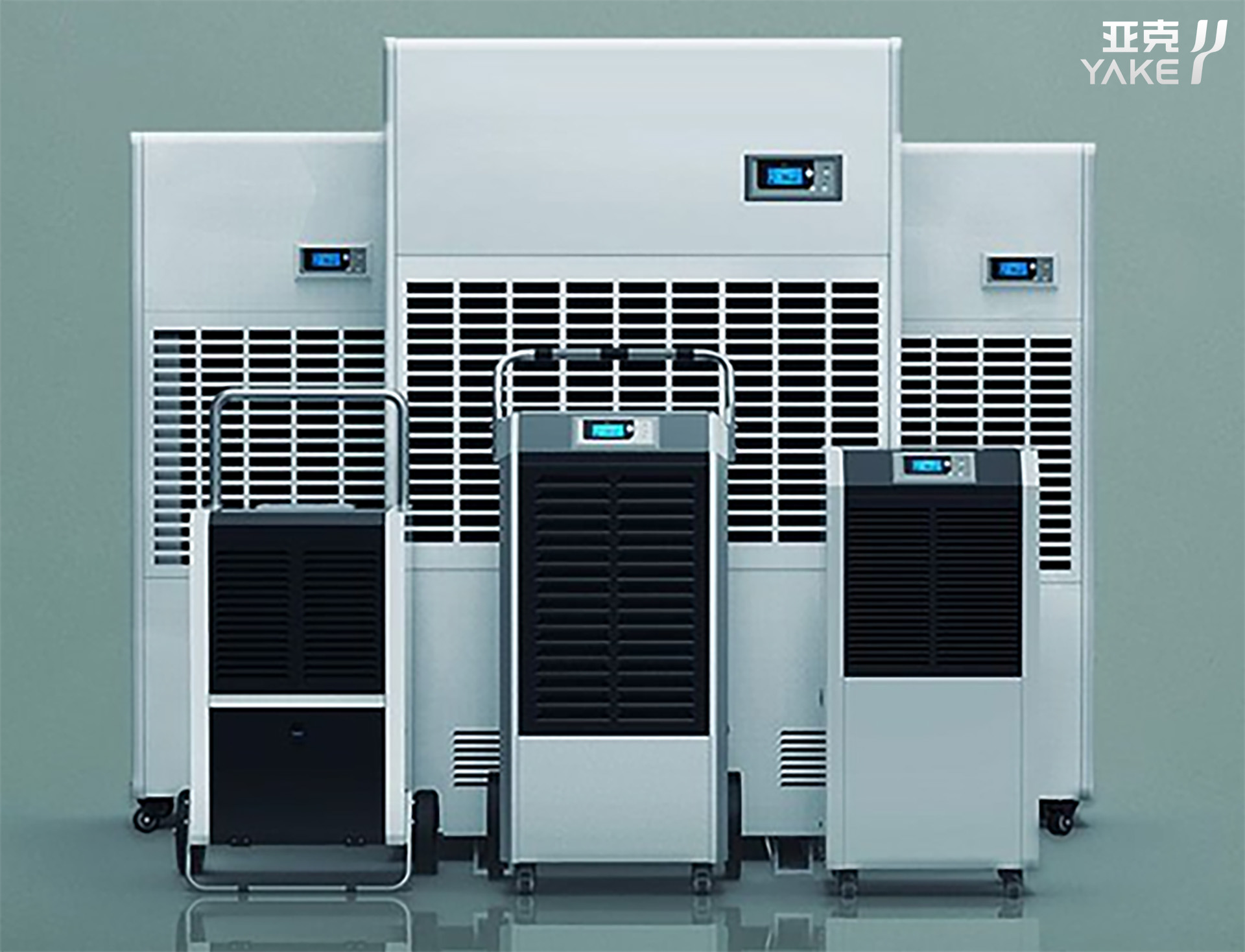
Contact us to find the best place to buy your Yakeclimate solution today!
Our experts have proven solutions to keep your humidity levels in check while keeping your energy costs low.