
Building 34, No. 535 Shunfeng Road, Hangzhou, Zhejiang, China
[email protected]
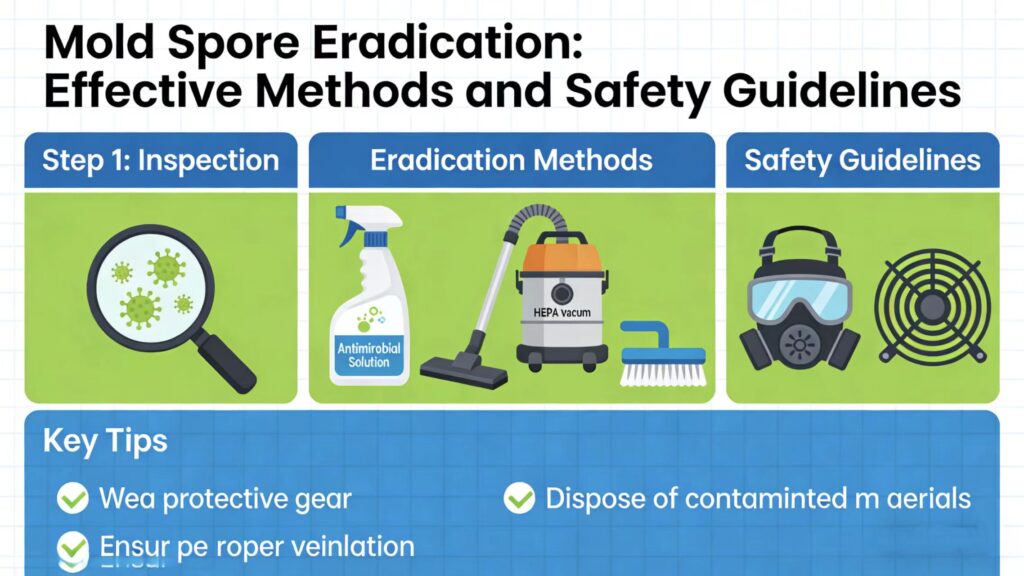

That’s what mold spore eradication means – pulling up and preventing mold spores from circulating indoors. Mold spores floating around in the air can destroy crops, ruin indoor air quality by inducing disease and even cause crop loss. High humidity, poor airflow and warm temperatures aid mold spore growth in greenhouses and indoor farms. Powerful dehumidifiers and consistent temperature control dry out the air, inhibiting the spread of mold. Airflow systems, proper filtration and routine cleaning help reduce spore levels. Many cultivators now utilize smart sensors and real-time monitoring to detect mold threats promptly. Mold control is crucial for secure, high-yield harvests and the sustainability of any indoor grow system. The following piece presents actions for real mold control.

Mold spores are invisible, and they can wreak havoc on indoor farming and building environments. Their tiny scale, most measuring a mere 2 to 10 microns across, allows them to hang in the air, slip through filters and colonize wherever moisture and nutrients exist. Prior to mold becoming visible, contamination can spread silently, particularly in concealed or low-ventilation areas. It’s important to have real-time air quality monitoring to catch early signs of mold since contamination levels can fluctuate with day-to-day activities or while the HVAC system is running. That is why addressing mold quickly is so important. A day, even an hour, can let colonies form, causing widespread contamination and health risks to occupants and crops alike.
Mold starts in microscopic spores, often hibernating until they encounter the perfect environment, specifically moisture and a food source. Once conditions are right, spores germinate, sending out threadlike structures called hyphae that develop into colonies. Mold continues to multiply by producing new airborne spores, which can be spread rapidly on indoor air currents or mechanical ventilation. For instance, air handling units in greenhouses or vertical farms can spread spores from a single infected tray to every room within a few hours.
Each type of mold has its own rate of growth and moisture requirements. The most common indoor species are Aspergillus and Penicillium, with each preferring certain humidity and temperature conditions. Knowing what you’re up against helps customize your attack. Managing moisture is key. Even a small window of dampness, like post-leak, can sow the seeds of mold. That’s why drying impacted areas within 24 to 48 hours is so important. It completely halts the mold lifecycle.
Mold exposure causes a variety of health effects. Allergic reactions abound, leading to sneezing, coughing, and itchy eyes. Certain individuals, such as children or asthmatics, are particularly susceptible and can suffer from extreme symptoms like bronchitis or dermatitis. Mold is particularly dangerous in environments that we frequent, such as schools or indoor farms. New indoor air quality is essential because it minimizes the distribution of spores and decreases the chances of health complications. Gloves, goggles, and N-95 respirators are suggested when cleaning mold to avoid direct exposure.
Dampness, or humidity over 50 percent, combined with poor air circulation provides the perfect environment for mold. Water damage from leaks or flooding is the primary culprit for mold. If wet materials remain damp for more than two days, colonies can take hold. Temperature swings can fuel condensation, giving spores more moisture to sprout. Mechanical systems, such as HVAC units, are capable of circulating spores throughout ducts, thus turning one source into a building-wide issue. Routine inspections, including a careful visual scan, are your initial defense against detecting hidden mold, particularly in blind spots that trap moisture. Controlling humidity on a daily basis between 30 percent and 50 percent is a straightforward but powerful strategy for preventing mold.
While both mold removal and remediation are used in indoor farming and hydroponics, they serve different objectives. Removal involves cleaning or physically removing apparent mold from surfaces. Remediation is a full-scale effort to prevent mold growth and address the underlying source. Whether one or the other is necessary depends on the extent of mold infestation and damage. The table below shows the main differences:
| Aspect | Mold Removal | Mold Remediation |
|---|---|---|
| Goal | Get rid of visible mold | Find, treat, and stop all mold growth |
| Methods | Wipe, clean, use sprays | Clean, replace, seal, fix root causes |
| When to Use | Small, surface mold (<1 m²) | Large, spread mold (>1 m²), porous damage |
| Outcome | Looks clean | Stops growth, stops return |
If the mold is small and the source, such as a water leak, is resolved, removal can be effective. If the mold has penetrated deep in soft materials or covers an area greater than 1 square meter, then remediation must be done. Remediation is not just cleaning, which means cleaning up, drying, and repairing whatever let the mold grow, like leaks or moisture. This prevents mold from returning.
A complete fix usually requires expert oversight. They don’t just rip out the drywall and leave it dry, assuming the mold is gone.
For small mold patches, utilize soap and water or vinegar. Scrub hard surfaces. Dry completely. All right, see you later — wear gloves, goggles and a mask to avoid inhaling spores. Take a look at walls, corners and under sinks. If mold is only surface deep and the area is less than 1 square meter, DIY is safe.
Many common items help with small jobs: baking soda, hydrogen peroxide, and dish soap. Never combine bleach with ammonia. For optimal results, dry and air the area out after cleaning.
Major mold jobs require specialists. They deploy HEPA vacuums, air scrubbers, and sealants. If the mold is in drywall, insulation, or wood, experts remove and replace it. They detect concealed mold with moisture meters and thermal cameras.
Expert inspections discover harm you can’t notice. They provide mold remediation and removal plans. Bringing in the pros means a safer, more permanent solution and less exposure for your plants and circuits.
If you detect mold on ceilings or behind walls or smell a musty odor, it’s time to call in the professionals. Mold that is growing quickly, staining things, or associated with a leak should be addressed. Waiting lets mold destroy houses and plants and sicken people.
Consult professionals if you discover mold in air ducts or across large surfaces. Immediate intervention prevents issues from growing and saves money in the long run.
Mold removal requires a plan. The tips below assist in combating mold, preventing spore dissemination, and introducing sustained control. Every step is research-based and informed by years in climate control and indoor farming.
Begin with a comprehensive inspection of every room. Identify wet areas, leaks, and mold on walls, ceilings, or concealed corners. Record locations of mold and its size, particularly if it is larger than 10 square feet. Mold in multiple rooms or on porous items such as carpet requires additional attention.
Seal off rooms with plastics and tape to prevent spores from escaping. Seal off vents, doors, and floors. Shut doors during cleanup. This containment step is crucial to preventing cross-contamination. Take obvious photos and note for follow-up and future reference.
Gloves, a mask (N95 or better), goggles. Wear overalls or garments you can immediately wash. A respirator is best if working large scale or with heavy mold. Mold spores can cling to your hair or skin, so clean yourself after.
Ensure good air circulation, but don’t use fans that could blow spores to clean areas. Open windows if you can, but keep the work area sealed from the rest of the home.
Locate and eliminate leaks, prevent water from coming in, and dry out all wet areas quickly. Mold can begin within 24 to 48 hours of water damage, so the faster you operate, the better. Employ towels and dehumidifiers. Following major leaks, dry walls and floors with fans and heaters. Look beneath sinks and around windows for concealed moisture. Buy or install a humidistat or simple hygrometer to measure the moisture in the air. Keep it under 60% if possible; 30 to 50% is ideal.
Apply a blend of vinegar and baking soda to hard surfaces. For porous items, chuck what you can’t clean. Scour all stains and then swab with a disinfectant. Be sure to clean your tools. Review the surface multiple times if necessary. Mold loves to sneak into small cracks.
Examine such locations once more post-cleaning. Look for stains, odors, or dampness. Monitor humidity weekly with a hygrometer. Document what you uncover and address it immediately. Routine inspections stop mold from returning.
Mold spore elimination indoors requires a combination of advanced technology, intelligent environmental controls, and rigorous preventive measures. Advanced methods span from heat treatments to unique air filtration and thorough post-eradication monitoring. The following table provides a comparison of innovative mold eradication methods and their respective effectiveness:
| Technique | Effectiveness | Key Considerations |
|---|---|---|
| Ozone Air Cleaners | Moderate | Reduces airborne spores, not for all environments |
| Heat Treatment (Steam, Heat Gun) | High | Effective on surfaces, requires temperature control |
| HEPA Filtration | High | Removes particulates, ongoing filter upkeep needed |
| Negative Air Machines | High | Effective in large spaces, professional use |
| Rapid Drying (Dehumidifiers) | High | Prevents regrowth, speeds up remediation |
Persistent heat can destroy mold spores by denaturing cellular components, preventing regrowth if the temperature reaches above 60°C for at least 30 minutes. Tools such as steam cleaners and heat guns address surface mold on hard surfaces, typically where chemical cleaners are not appropriate. To use heat safely, verify that surfaces such as drywall, wood, or fabrics can tolerate intense heat without being damaged. Begin with small test spots and avoid too much direct prolonged contact because you could warp or discolor.
The temperature monitoring is crucial. Use digital thermometers to confirm target areas reach and maintain the right levels. This assists in preventing under-treatment or surface damage and makes sure spores are genuinely mitigated.
HEPA filters in air purifiers trap 99.97% of 0.3 micron particles, capturing airborne mold spores and allergens. Air scrubbers, frequently in conjunction with negative air, draw controlled airflow that pulls contaminants out, particularly when conducting remediation. Effective ventilation, such as vent fans or built-in HVAC, assists in maintaining humidity under 60% and prevents mold development in the long run.
Changing your filter regularly is crucial. Clogged filters reduce efficiency, release spores and potentially cause system breakdown. Maintenance timelines informed by manufacturer recommendations ensure filtration stays dependable and air stays fresh.
Continuous leak and moisture inspections, combined with air quality testing, assist in averting future outbreaks and maintain safe environments.
A mold free home doesn’t just preserve your physical health; it preserves a peaceful, grounded psyche. Clean air inside makes us breathe well and sleep better, and this translates to better mood, less stress, and a feeling of control. Mold spores that grow indoors can release particles that can irritate your nose, throat, and lungs. These spores activate symptoms like a cold or seasonal allergies, including sneezing, coughing, and headaches. Asthmatics, immunosuppressed individuals, or parents of small children fear these health hazards. To coexist with this threat is to coexist with fear.
The unseen psychic toll of mold When someone discovers mold at home, the initial emotion is usually apprehension. The idea of concealed destruction or health compromise can keep us up at night, particularly if you have toddlers or aging family members in the mix. We procrastinate on the mold because the very thought of confronting it is overwhelming. This compulsion to sidestep danger is a component of human resilience to stress, yet it carries tangible expenses. Leaving mold unaddressed typically results in rapid spreading, complicating and increasing the cost of cleanup. Extended mold exposure can keep us home sick, cause us to miss work or school, and increase the risk of serious illness.
Air and well-being are inextricably connected. Here’s to good air, fewer health complaints, less anxiety, and a home that feels safe. Bad air from mold makes folks anxious and on edge, constantly fretting about falling ill. We all observe that our stress decreases when the house is clean and air is fresh. The psychology of a mold-free home. Quick strike movers against mold defend not only their home but their daily mindset and mental well-being well into the future.
Keeping mold out for good requires more than a single repair. It’s about constantly inspecting, drying, cleaning and keeping dry. Mold needs two things to grow: moisture and something organic to feed on. As soon as humidity in the house creeps higher than 60 percent, or if water lingers for more than 48 hours, the spores can begin growing. That’s why the key is drying wet areas quickly. If there’s a leak or flood, dry it all within 24 to 48 hours. It helps to use fans, dehumidifiers or even heaters, but make sure you don’t overheat the space and create more dampness.
Keeping the air dry is essential. Most professionals concur that maintaining indoor relative humidity at 30 to 50 percent is optimal. Just a few days of humidity over 70 percent can send mold popping up, particularly on paper or wood. That’s why a good dehumidifier, such as the ones Yakeclimate manufactures, goes a long way. These machines maintain humidity levels without consuming excessive electricity, which is more environmentally friendly and cost effective. Keeping tabs on the air with meters or smart sensors allows you to detect issues before mold propagates.
Beyond air control, it assists to construct or repair with mold-resistant supplies. Mold-resistant paints, drywall and sealants provide added defense, particularly in kitchens, bathrooms and basements. They keep mold at bay, even if moisture creeps in. Indoors, for those running indoor farms or hydroponic setups, using these materials in grow rooms can reduce hazards, even with high water use.
Education counts as well. Explain to the whole household or your team why moisture and mold inspections matter. Teach them to detect leaks, damp patches, or musty smells. Make it a habit to look for water damage, check concealed areas, and clean spills quickly. When folks are informed about what to watch for and thought it, mold doesn’t stand a chance of returning.
To kill mold spores, steps must remain clean and straightforward. Employ strong air circulation, consistent warmth, and dry air. Choose the appropriate filter or scrubber for the application. Scrub every spot, even the little ones. Track air moisture with easy devices. Use UV light for deep work in hard-to-reach places. Keep air dry to prevent new spores from establishing. Every step counts, from selecting quality equipment to regular inspections. Watch a room transform as you reduce mildew odors and increase fresh air. To prevent mold, follow these guidelines. For more information or to source the appropriate tool, contact Yakeclimate. Discover clever methods to maintain your home or grow room mold spore-free.
Mold spores are little particles sent out by mold. They wreak havoc on allergies, cause respiratory problems, and destroy indoor air quality. Getting rid of them safeguards your health.
Typical indicators are musty smells, apparent mold, and mysterious allergy symptoms. Mold testing kits or professional inspections can identify if they are present.
Removal kills visible mold, whereas remediation kills both visible and hidden mold spores. Remediation keeps mold away.
Can clean small areas with household products. For extensive or concealed mold, it is safest to seek professional assistance to guarantee thorough removal.
Find and eliminate moisture sources, isolate the area, physically remove mold, purify air and surfaces, and repair leaks.
Maintain humidity under 60 percent, repair leaks promptly, ventilate well, and clean consistently. Deploy dehumidifiers in moist spaces.
A mold spore-free home de-stresses your life, helps you sleep better, promotes a healthier lifestyle, and creates a more comfortable living environment.



Contact us to find the best place to buy your Yakeclimate solution today!
Our experts have proven solutions to keep your humidity levels in check while keeping your energy costs low.