
Building 34, No. 535 Shunfeng Road, Hangzhou, Zhejiang, China
[email protected]
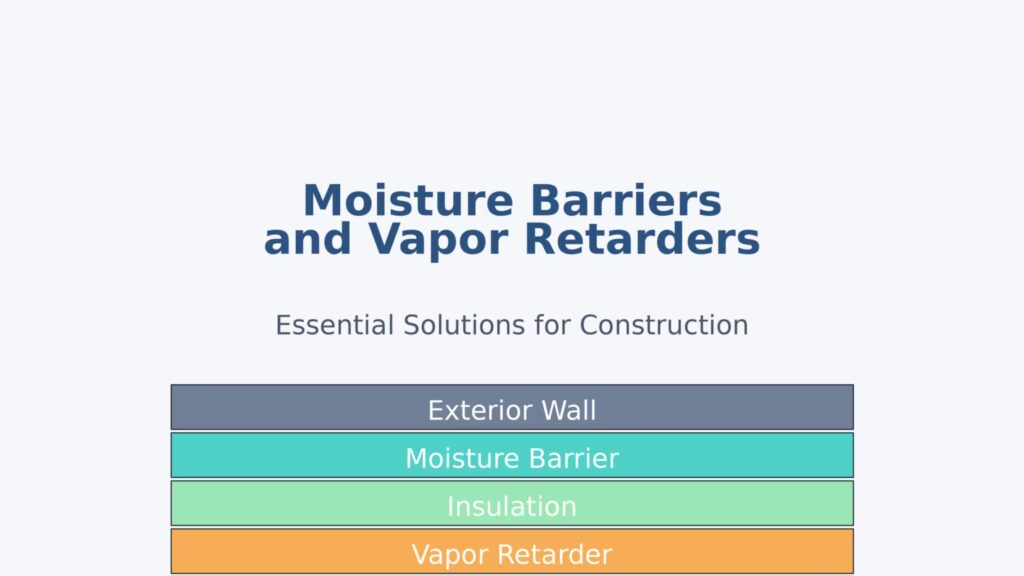

Moisture barrier solutions provide tough defense against water and vapor in a wide range of environments, from indoor farms to construction zones. These barriers assist in maintaining crops, goods, or buildings dry by preventing moisture from permeating walls, floors, or ceilings. In indoor farming, a quality moisture barrier prevents mold and rot, allowing crops to thrive and remain safe. There are many different kinds of barriers, such as films, coatings, and membrane sheets. Choosing the right one depends on your space, your level of moisture, and what you grow or store. With improved moisture control, farms and factories reduce loss and repair costs. The following segments describe how to choose the right barrier and apply it for durable effects.

Moisture barriers are crucial in protecting buildings, providing protective layers that affect structural integrity, occupant well-being, energy consumption, property value, and material durability. These solutions prevent water and damp penetration, barrier soil moisture, and reduce condensation, which can all lead to structural problems in any building.
They work by preventing water from penetrating into framing and subflooring, thus inhibiting rot and decay. As soon as moisture seeps into the structure, it can initiate a domino effect. Wood swells, warps, and subsequently rots. That, in turn, compromises floors, walls, and even the foundation of a home. This is why moisture barriers are so important. The foundation is most vulnerable when water travels through soil and discovers any opening or fissure. A tough barrier keeps the earth dry and the building sound, extending the life of the materials against decay. That translates to fewer repairs and an extended life for the building, whether it is a home or a commercial site.
If your walls or floors remain wet, mold and mildew are quick to follow. This isn’t merely a cosmetic issue; mold leads to breathing issues, allergies, and other health hazards. Indoor moisture levels contribute to dust mite and bacteria proliferation, contaminating the air. A quality moisture barrier keeps these hazards at a minimum by reducing moist areas and maintaining fresh air. Residing in a dry, well-ventilated area promotes permanent good health.
This is why moisture barriers make insulation more effective. When moisture creeps in, it drags the R-value down, leaving walls less capable of retaining warmth or chilled air. HVAC systems must labor to maintain a consistent interior temperature, driving up energy costs. By preventing air and moisture leaks, barriers make rooms warmer in winter and cooler in summer, more energy smart and less expensive to operate.
A home with tough moisture control is a market differentiator. Homebuyers seek out dry, damage-free properties because they understand moisture problems can mean steep repair bills and diminished appraisals. Moisture barriers retain their worth and owners pay less in repairs. Moisture barriers are good investments because they get paid back at the point of sale.
Building materials don’t hold up as well with constant moisture. Wood, drywall, and insulation all begin to degrade if they remain wet. Barriers interrupt this cycle and help keep everything from frame to finish in better condition. The less moisture, the less expensive maintenance and replacements, saving you money in the long run.
Navigating barrier solutions Moisture barriers are crucial to keeping structures dry and protected. Choosing the appropriate barrier requires understanding the capabilities of each type, the mechanism by which it operates, and their optimal placement. Each barrier helps to prevent water, air, or vapor from penetrating walls, floors, and roofs. What’s right varies with building type, climate, and even local codes.
Vapor barriers are divided into three categories according to perm ratings. Class I is the tightest, used where maximum moisture control is required, like cold or marine climates. Air barriers must meet rigorous permeance requirements of less than or equal to 0.02 liters per second per square meter at 75 Pascals. When functioning as a system, they maintain interiors dry, utility bills low, and the structure sound.
Polyethylene sheets, asphalt-impregnated kraft paper, and high-tech films are popular options. Each has its advantages and disadvantages.
| Material | Advantages | Disadvantages |
|---|---|---|
| Polyethylene | Low cost, easy to install | Not UV stable, punctures |
| Asphalt paper | Good for vapor, common use | Tears easily, not waterproof |
| Liquid membranes | Seamless, flexible | Cost, application skill needed |
| Foil-faced sheets | Reflects heat, strong barrier | Expensive, tricky overlaps |
Newer options focus on smart membranes that adapt to moisture levels or recycled content for sustainability. ASTM E1745 sets the standard for plastic vapor retarders, guiding material choice and how to install them. Always overlap sheets by 15 to 30 centimeters and seal seams for top performance.
Location of a building changes barrier requirements. Coastal and moist areas combat salty air and perpetual moisture. Dry regions contend with flash storms and dust. Codes frequently require Class I or II vapor barriers in cold and marine zones, but not in warm, dry zones. Every site needs its own moisture plan, sculpted by local climate and regulations. Good design and materials, along with smart, careful installation, help to keep our buildings dry and healthy for the long haul.
Strategic moisture barrier selection prevents moisture and air from permeating walls and floors, deteriorating structures and polluting indoor air. Local climate, building use and project objectives inform the optimal selection. Barrier thickness, type and installation all count for long-term results.
A home, school or factory all experience different moisture loads. We have showers, kitchens and laundry at home that contribute to high indoor humidity. Offices and shops can have more consistent levels with larger airflow. Factories with water use or steam need custom solutions. What you occupy makes a difference as well. A bustling place pumps more moisture. Each of those building types requires a plan that aligns with its use. Some take sheet polyethylene for floors; others require wall systems with enhanced insulation. By overlapping barrier sheets six inches and taping them, you increase the moisture control that is critical in areas such as slab-on-grade floors that are susceptible to leaks.
Upfront, thicker or multi-layer barriers are more expensive. These expenses frequently counterbalance large fixes introduced by rot, mold, or air leaks. Moisture damage means high bills and health hazards. Financing, including barrier upgrades in project budgets or pursuing energy incentives, can assist. Through the life of the building, a strong barrier saves dollars and stress. There is an obvious return on investment when you add less repairs, better air, and longer lasting construction.
Moisture barriers guard structures against water damage, mold, and energy loss. A properly installed barrier will save on heating and cooling expenses, which can exceed €1,800 ($2,000) annually for the typical household. Installation has to be just right, with meticulous measures taken at every phase, new or old.
This all starts at the design stage. Architects and engineers consider site conditions, use and climate. You are better off installing moisture barriers as the structure goes up. Begin with measuring surfaces so you don’t end up purchasing too much or too little material. Lay the barrier from one end, overlapping seams at least 20 cm and sealing every overlap with professional-grade caulk or expanding foam. Secure the barrier to sheathing and foundation walls. Polyethylene sheets, bituminous membranes and liquid applied coatings are popular choices. After it’s installed, examine all seams, edges and around roof penetrations. We do visual inspection and on occasion a moisture meter test to locate leaks.
Older buildings pose unique challenges. Hidden leaks, uneven surfaces, or past repairs can make retrofitting more complex. Always start with a thorough assessment of current moisture levels and damage. Moisture meters and thermal cameras help spot trouble spots. If possible, add barriers during other renovations, like when replacing floors or drywall. Peel-and-stick membranes or spray-on coatings often work well. Solutions must fit each building’s condition. Sometimes, partial barriers are the only practical option. After installation, repeat inspections after heavy rain or winter thaws to catch shifting or damage before it spreads.
A lot of problems come from rushed or sloppy work. Here’s a checklist to help avoid frequent mistakes:
If you aren’t careful, improper sealing and overlap allow water to sneak in, risking mold and lost energy. Inspections at seams, especially after storms. Go with only the strongest caulks and foam to ensure a tight seal that will stand the test of time.
Uncontrolled moisture creeps into structures frequently and unexpectedly. Water infiltrates behind walls, under floors, or through ceilings. Even if things appear dry, moisture can lurk and gradually wreak havoc. The price is not merely monetary; it’s in health, safety, and the life of the building itself.
A musty odor can be the first clue that all is not well. Too frequently, the true issue remains hidden. Moisture can collect behind drywall, within insulation, or beneath floorboards. In time, these moisture-rich areas support the growth of mold and mildew. Mold spores can begin to appear on damp surfaces within 24 to 48 hours. Once it gets a grip, it’s hard to shake and can damage the building and its occupants.
Water deteriorates wood, corrodes steel and erodes concrete. This damage is quiet. It doesn’t manifest in one day but accumulates over decades. As soon as the thing begins to rot or rust, repairing it is a huge task. That’s where regular inspections for leaks, stains or weird smells are important. Catching problems early is the best way to prevent them from becoming contagious.
Restoring water damage is costly. Repairs run between $3,000 and $7,000 if addressed early. If the issue persists, expenses can soar an additional $2,000 to $6,000. Insurance might not cover it all, so homeowners could be looking at bigger bills and larger premiums.
Mold and moisture can decrease the value of a home. Buyers might turn away, or lenders might deny loans. In addition, mold can induce breathing issues, migraines, or allergies. Addressing them further adds to the hidden expenses in the form of missed work and medical bills.
When moisture damage becomes severe, remediation is not a trivial effort. Crews may have to tear down walls, rip up floors, or even gut entire rooms. Drying it out, removing mold, and replacing ruined materials require time and money.
If not corrected properly, issues return. A few of these homes require new barriers against moisture, more adequate drainage, or enhanced ventilation. In warm, humid locations such as North Carolina, moisture issues are even more difficult to repel. Without a good moisture barrier, other solutions can come up short.
Moisture control doesn’t stand still with new technologies and innovations constantly on the horizon. More builders and growers want better ways to keep water out and protect walls, crops, or gear. From smart systems to green picks, here’s what’s next in moisture control across industries.
New innovations are propelling moisture barriers beyond traditional boundaries. Thin films with nano-coatings now block water better than thick, heavy layers. Others employ graphene or other sturdy yet lightweight materials that keep walls dry while allowing air through. On farms, breathable sheets drape crops or grow rooms, reducing mold and preserving fresh air. Sensors embedded in these barriers can alert when moisture sneaks in, enabling owners to repair leaks quickly. Self-healing films seal tiny holes shortly after they are created, preventing water from leaking. In climates with a lot of heat movement, intelligent wraps adjust their permeability to moisture depending on the air. These new tools function in residences, food processing plants, and even cold storage, illustrating how far-reaching it is.
Smart moisture control has become essential in new construction. Sensor-equipped systems monitor moisture in real time. They communicate with other sections of the building’s tech, such as fans or air dryers, to address wet areas independently. Big shops, greenhouses, and homes use these to prevent invisible water from accumulating behind walls or under flooring. Others inform phones or computers for a quick response. They even use historical data to identify hazards before there is an issue. That translates into less mold, less rot, and longer life for what is inside.
It’s thin, smart, green picks, or moisture of the future. Builders want films that don’t weigh or cost a lot to ship. Anything made of plant starch or recycled materials is desired. These new laws in Europe and Asia now require buildings to utilize safe, long-life, and reduced waste barriers. Growers want covers that decompose after use, yet still hold back moisture while plants develop. As standards and preferences evolve, the industry shifts to accommodate.
Sustainability is central to next generation moisture barriers. Makers strive for less energy in producing every roll or sheet. Less nasty chemicals and choosing local, safe stuff reduces impact on land and water. Others get every batch digitally tagged to prove it complies with green regulations. These steps count for shoppers looking to reduce waste and extend their spaces’ longevity.
Moisture barriers are a huge part of maintaining safe and stable grow spaces. Choosing the right one can prevent mold, reduce moisture evaporation, and keep plants healthy. Small touches like sealed seams or clever material choices really add up, day after day. In most locations, growers have switched to thin plastic sheeting, robust foils, or new spray-on layers to screen moisture and maintain air. Simple steps up front can reduce hazards and rescue crops down the line. Every grow space is different, and the optimal solution is determined by what works best for the particular application. For assistance with the proper fit, consult professionals or review reliable resources. Be moisture savvy today.
Moisture barriers are materials that block vapor from going through walls, floors, or ceilings. They keep homes safe from mold, rot, and structural damage.
Moisture barrier solutions prevent moisture from entering living spaces, which helps keep mold, mildew, and expensive repairs at bay for a healthier home.
Moisture barriers are put under floors, behind walls, in basements, and under roofs. These regions are most susceptible to moisture penetration.
Take into account the climate, building materials, and local laws. Seek out barriers with a track record of durability and that are tailored to your type of construction.
Without a moisture barrier, moisture can lead to mold, rotting wood, and insulation damage. This can cause costly repairs and health hazards.
Yes, some barriers are made of recycled and non-toxic materials. Choose the green option.
They both require professional installation to be properly sealed and placed. Installation errors can undermine effectiveness and cause long-term problems.


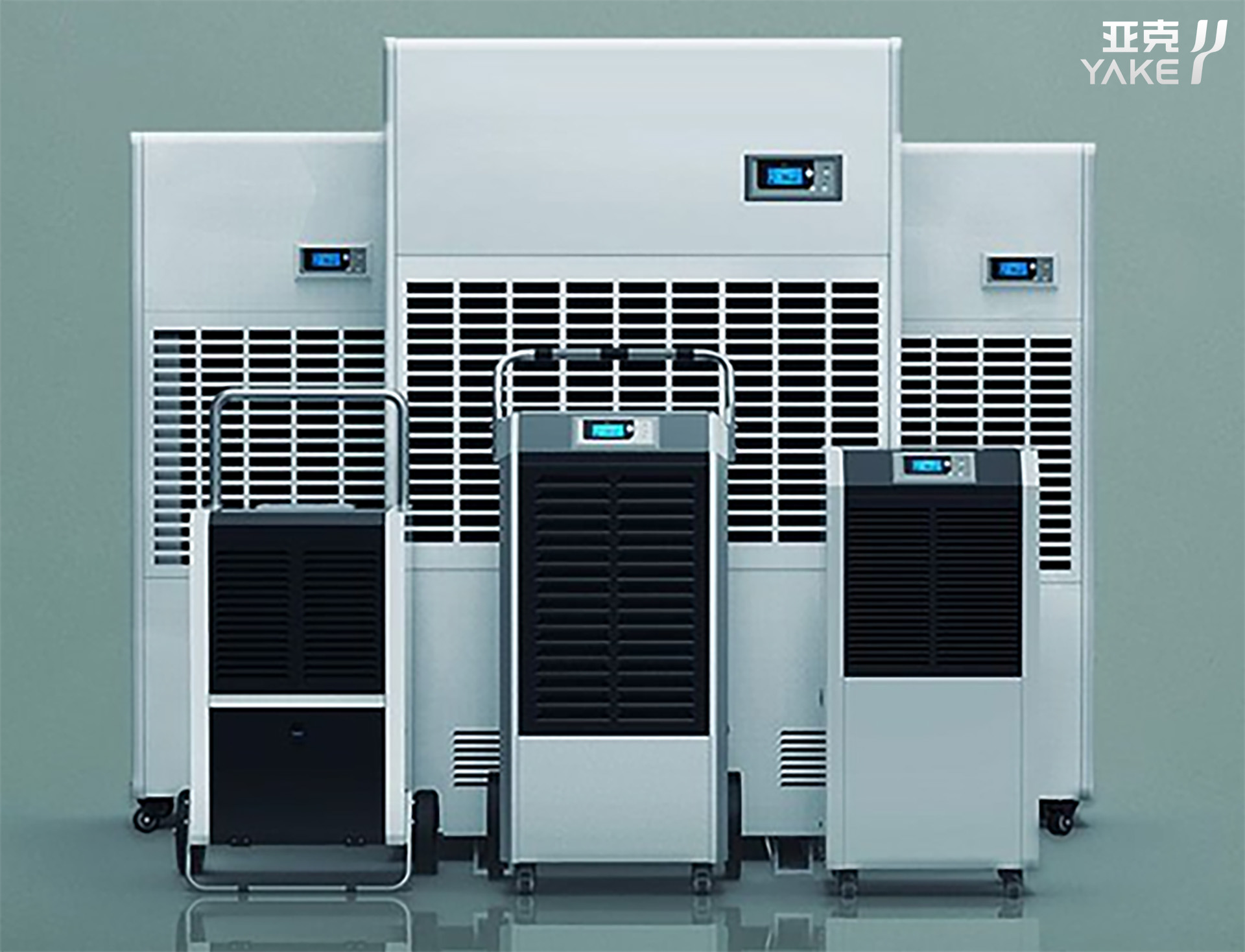
Contact us to find the best place to buy your Yakeclimate solution today!
Our experts have proven solutions to keep your humidity levels in check while keeping your energy costs low.