
Building 34, No. 535 Shunfeng Road, Hangzhou, Zhejiang, China
[email protected]
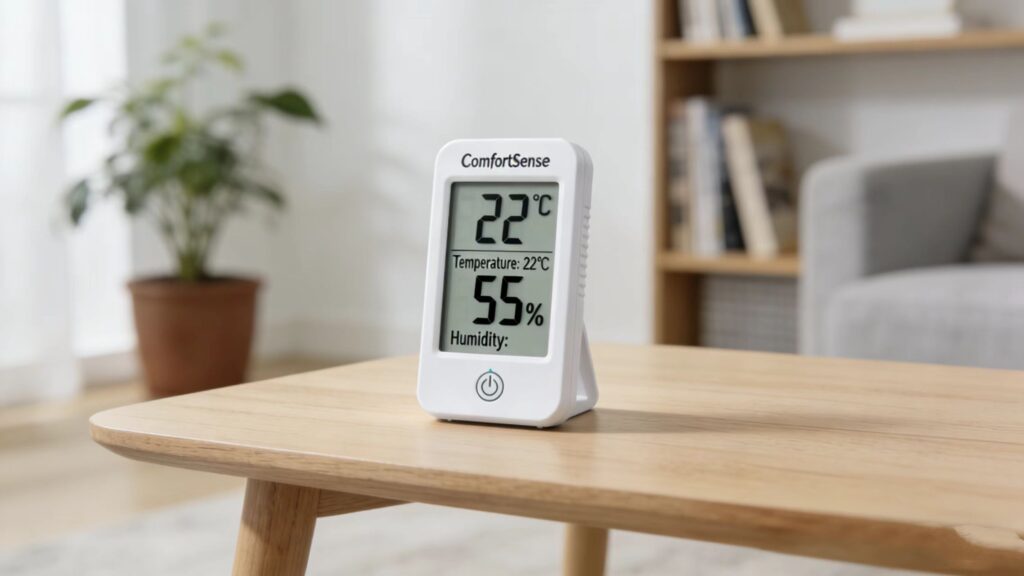

An indoor thermometer and humidity gauge is a device that tracks the temperature and moisture levels inside a space. These tools assist growers in monitoring the environment for optimal plant growth and comfort. Some even display readings in real time and store historical data so you can identify trends. Some have digital readouts with large numbers, others sync to apps so you can check on the go. A quality indoor thermometer and humidity gauge can detect issues early, prevent mold, and keep crops thriving. To maximize these devices, it’s useful to understand how to read and use their data. The sections below summarize important features and advice for cultivators.

Indoor temperature and humidity are both very important for our health, comfort, and the state of your house. Accurate indoor thermometer and humidity gauge readings take the guesswork out of keeping your home ‘just right’. That means less risk for health issues, less expensive energy bills, and more peace of mind.
Humidity makes a hot day feel that much worse because sweat doesn’t cool the body well. Once humidity remains above 55 %RH, mold can grow quickly, causing breathing problems and allergy flare-ups. Low humidity, under 25 %RH, can dry out skin and irritate eyes or throats.
Thermometers help maintain air at a healthy and constant level, safeguarding your baby, senior, or anyone with health issues. If temperature spikes or drops, you see it immediately and can intervene before anyone gets sick. For asthmatics and allergy sufferers, consistent humidity is crucial for both comfort and safety.
Hardwood floors and furniture crack or warp when air is too dry or too damp. Art, instruments, and electronics require relatively stable air to remain in top condition. The reality is that tracking data from monitors helps stop damage before it starts.
Storage spaces, such as basements and attics, require close attention as well. If air becomes moist, contents can go bad or mold. With the right tools, you can detect changes and address problems quickly.
With precise measurements, you can configure your heating and cooling systems based on your needs, not just wild approximations. This saves money and reduces energy consumption. In moist regions, calibrate fans or vents with on-the-fly moisture readings.
Not only does it cut your utility costs, but it also reduces your carbon footprint and makes your house a little greener. Less energy for climate control is great for the planet and your wallet.
It’s simpler to unwind in an environment where the air is just right. Good air powers your sleep, focus, and mood. If the room is stuffy or too dry, stress and tiredness increase.
Maintaining the proper indoor climate means you feel good and think sharper. Everyday comfort accumulates into long-term wellness for the whole family.
Greenhouses have always required close monitoring of the air for the plants. Museums and labs apply climate monitoring to preserve artifacts and protect research. Food storage relies on stable air to prevent spoilage. Regardless of the room, reliable readings from monitors ensure everything stays in check.
Here’s what to know about the types of temperature and humidity trackers available. They vary from simple analog dials to smart, connected sensors. These types of temperature and humidity trackers help keep an eye on climate conditions in homes, labs, greenhouses, fridges, and remote locations. Most models provide both °F and °C readings nowadays, together with extras such as comfort meters, data charts, and remote sensors.
| Type | Key Features | Advantages | Common Uses |
|---|---|---|---|
| Analog | No power needed, classic design, simple interface | Reliable, aesthetic, easy to use | Homes, decorative spaces |
| Digital | Clear display, high/low memory, alerts, wireless | Accurate, user-friendly, flexible | Offices, greenhouses, fridges |
| Smart | App control, automation, remote access, alerts | Advanced, integrated, convenient | Smart homes, labs, industry |
Analog thermometers and humidity gauges provide simple immediate readouts with a needle and dial. They don’t use batteries or electronics, so they function even through power outages. They tend to be selected for their aesthetic appeal, fitting in nicely with vintage or rustic surroundings. Easy analog trackers are preferred for spaces where you want reliability and don’t necessarily need sophisticated information.
Analog models generally have a broader margin of error and don’t provide features such as data logging or high/low alerts. Their primary advantage is simplicity and timeless style, but they don’t have the accuracy or additional features of more recent offerings.
Digital thermometers and hygrometers provide fast, accurate measurements, typically boasting an accuracy of ±0.5 degrees. Their screens are clear and can display temperature and relative humidity, even from 1 to 99 percent. Almost all digital models can log data, saving 24-hour high and low readings so you can see how much things are fluctuating.
Others include comfort meters to indicate whether the air is too dry or moist. Some enable remote sensors, letting you keep an eye on multiple locations, such as multiple rooms or refrigerators, from a single device. Wireless digital trackers can transmit data to your phone or PC. With a wide range of models and price points, digital trackers suit any budget or environment, from household to professional laboratories.
Smart indoor trackers do more than track numbers. They connect to Wi-Fi or Bluetooth, so you can monitor data from your phone or even automate home systems. These units notice and alert if temperature or humidity go out of range. Most smart trackers allow you to view charts of changes over time, facilitating the identification of trends.
Some support up to three remote sensors, which is ideal for large spaces or inaccessible locations. Some even integrate with smart home systems so you can put fans or humidifiers on autopilot. This variety is perfect for tech-savvy homes, labs, or wherever you desire total oversight and immediate response.
Naturally, picking the right indoor thermometer and humidity gauge depends on your needs and what environment you want to control. All users’ needs are different, whether you wish to monitor comfort, safeguard valuables, or oversee a customized grow room. Choosing the right monitor makes the difference: better data, less stress, and a more sustainable planet.
Begin by considering what you want to accomplish. Health and comfort are often what drive home monitoring, but museums, wine cellars, or indoor gardens require increased precision for preservation or growth. Consider the space—tiny rooms can get away with simple units, but large or multi-room spaces might require monitors that support multi-sensors for full coverage.
Choose features that fit your habits and objective. For instance, if you’re watching allergies or asthma, precision and alarm capabilities are paramount. If you’re archiving art, consistent measurements are key.
Verify the monitor’s precision. Seek out parameters such as ±1°C for temperature or ±3% for humidity. More precision means more control, particularly in precise environments. Some models offer useful extras, such as alarms for out-of-range values, data logging, or mobile app access. These characteristics assist you in responding rapidly and identifying patterns as well.
A crisp display counts as well. Those that display both indoor and outdoor readings in your preferred units (Celsius or Fahrenheit) are more convenient. Wireless connectivity and remote access let you peek at readings through thick walls from anywhere. Thermistors are typical and provide dependable accuracy for the majority of indoor applications.
Easy setup and maintenance matter to busy users. These are a few simple calibrations, battery changes, or app setups that can save you time and frustration. Design is important if you’re concerned with how devices complement your space.
Set monitors in locations that most represent normal conditions. Keep them away from heat sources, cold drafts, and direct sunlight, which can throw off the readings. Central locations or at breathing height work well for most applications.
Choose the right monitor. Ensure your display is easily visible and adjustable. For large areas, use multiple units for full coverage. Multi-sensor systems assist in monitoring conditions in multiple rooms simultaneously.
Don’t forget to check and swap out monitors ahead of extreme weather to keep your data fresh and reliable! Frequent updates can detect sensor drift and maintain health and comfort, particularly in situ where maintaining humidity between 30 and 60 percent is necessary.
Accuracy in indoor climate measurements is about more than just the device. A number of invisible forces determine the accuracy of temperature and humidity information. Knowing these details yields better outcomes for growers, homeowners, and facility operators alike.
Calibration is what keeps a thermometer or humidity gauge honest. Over time, sensors can drift, so frequent calibration is a necessity. Manufacturers usually provide checklists and following their process will keep you on course. Reference standards like certified calibration weights or humidity salt kits allow you to compare and adjust devices for accuracy. Scheduled checks, such as every six months, keep minor drift from becoming major drift. I’m clever enough to log dates and results to keep track.
Placement is perhaps the most unappreciated accuracy factor. Positioning a sensor near a window, heater, or direct airflow can distort readings. The optimal location is not near walls or in corners where air can stagnate. If you can, mount sensors approximately 1.5 meters above the floor, representing the average breathing zone. Just be sure it is easy to review and audit, so you catch problems quickly. Do not tuck devices behind furniture or inside cabinets. These locations trap heat or moisture and do not display actual room conditions.
Cause user errors cause a lot of false readings. Typical mistakes are hurrying setup, forgetting calibration or battery checks. A short list to avoid these problems:
A reminder chart on the wall aids, particularly in hectic environments. Environmental components such as open windows, running fans or a water source in close proximity can interfere with measurements. About the Hidden Variables in Precision
Temperature and humidity monitors are useful beyond the home. They’re essential in labs, medical environments, and other niche locations where accurate figures signify quality, safety, and adherence. Luckily, modern devices offer real-time data, advanced logging, and alerts to keep standards tight.
Labs tend to use very high precision monitors. These devices maintain samples, reagents, and apparatus in proper condition. Real-time monitoring is required to detect rapid fluctuations that might damage sensitive substances.
Nonstop monitoring is obvious in locales such as blood banks or pharmaceutical labs. Information is transmitted to a hub that can sound an alarm if anything is amiss. This prevents expensive destruction.
| Regulatory Standard | Description | Application |
|---|---|---|
| ISO 17025 | General requirements for testing labs | Calibration labs |
| GMP | Good manufacturing practices | Pharma production |
| GLP | Good laboratory practices | Research labs |
| GDP | Good distribution practices | Storage/Transport |
Keeping records is important. Data loggers capture temperature and humidity data over time. Auditors and inspectors seek this data during audits to confirm that laboratories are compliant.
Greenhouses, museums and food storage all require a different strategy. Every environment has special requirements. A museum may need sensors to protect art from humidity, and food storage requires strict measures to prevent spoilage.
Take, for instance, a greenhouse, which might require a system that can communicate with fans or misters to regulate the air. Museums could have smart sensors that alert if humidity changes quickly. This helps guard irreplaceable items.
Smart switches are a necessity for areas with delicate goods. A proper humidity system leads to less hassle and higher quality. This data tracking highlights trends and enables staff to intervene before problems grow large.
New tech is transforming indoor climate monitoring. IoT allows monitors to communicate with one another and provide updates to phones or computers. AI can analyze the data and identify trends, assisting employees in detecting issues in their early stages.
Watch it go! If a facility can observe trends, it can schedule repairs or improvements, conserving both cash and labor. Going forward, more smart tools will join these systems, making climate control even simpler.
These shifts will assist labs and managed spaces operate better, with less waste and improved outcomes.
For monitoring heat and moisture in grow rooms or homes, a quality indoor thermometer and humidity gauge does the trick. From new to pro cultivators, these devices are utilized to monitor plants, maintain plant happiness or reduce any mildew. Bold, large numbers on a screen eliminate wasted time and guessing. A powerful, straightforward monitor provides you with accurate readings you can trust. Choose one that suits your requirements, complements your room and works with your configuration. Even minor adjustments in air can improve the comfort or health of plants or individuals. To get the most from your room, begin with the right tool. Peruse a few reputable brands and see what suits your space and objectives.
An indoor thermometer and humidity gauge is an instrument that records the temperature and relative humidity within a room. It assists you in keeping your indoor environment comfortable and healthy.
Keeping an eye on indoor temperature and humidity prevents mold, protects your electronics and furniture, and helps you feel comfortable. It is healthy too and helps to reduce allergy and respiratory risks.
You’ll find analog, digital, and smart monitors. Analog ones are nice and cheap. Digital and smart monitors provide more accurate data and typically feature mobile app integration for tracking in real time.
Think accuracy, display clarity, connectivity, and battery life. Pick something with positive user reviews and features that suit your needs, like alerts or data logging.
Location, dust, and direct sunlight can impact readings. Set it out of the way from windows, vents, and heating elements for best results. Clean it regularly — it will keep it accurate.
Yes, most monitors function in offices, greenhouses, and storage areas. Be sure to check what the manufacturer suggests the device is used for.
Most require calibration once or twice a year. Check your model’s manual. Calibration needs can differ. Periodic calibration maintains accuracy.


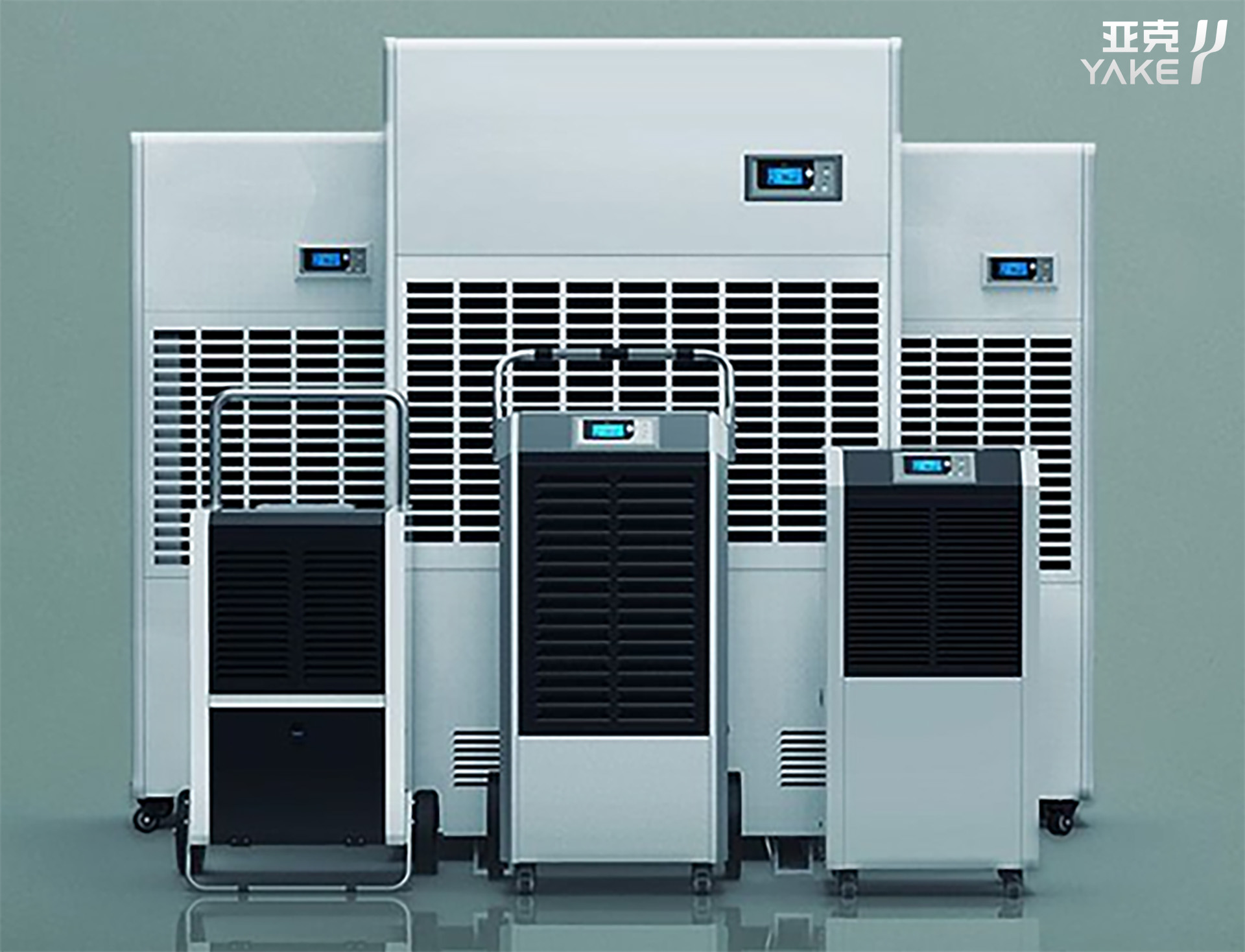
Contact us to find the best place to buy your Yakeclimate solution today!
Our experts have proven solutions to keep your humidity levels in check while keeping your energy costs low.