
Building 34, No. 535 Shunfeng Road, Hangzhou, Zhejiang, China
[email protected]


US indoor farming business models span sales channels and partnerships with varying technical requirements and operational challenges. The majority of these operations are vertical farms—either single-crop (e.g., lettuce) or mixed-crop—where climate, lighting conditions, and automation have a massive impact on cost and efficiency. Plenty of companies today are green first, leveraging innovative tech to conserve energy and minimize waste. Your model selection influences not only sales but how cultivators control humidity, temperature, and light — all critical to plant health and yield.

A few indoor farms turn to subscription, sending fresh greens or herbs weekly to homes. This aids in establishing recurring revenue and customer retention. Online marketplaces, supported by social media, allow farms to showcase fresh harvests and generate confidence quickly. Farm stands at local markets provide a direct personal connection to the community, making it accessible to convey the advantages of indoor-farmed greens. Social media allows growers to flaunt heirloom varieties or innovative growing techniques, cultivating a community of dedicated customers who manage about fresh, local food.
Securing shelf space in grocery chains provides reliable demand, but it requires cultivating relationships and building trust. A lot of farms negotiate special deals for specialty items, such as custom salad mixes or herb blends that differentiate. In-store demos or tastings educate shoppers, fueling sales and awareness. Sales numbers tracking enables farms to best determine what products sell the highest and quickly adapt to changing consumers’ preferences.
By partnering with restaurants or cafes, farmers can provide produce harvested only hours prior to delivery. Chefs frequently want custom mixes or rare greens, which results in lots of close communication and quick feedback on what works. Farms can deliver marketing info, allowing restaurants to promote their use of local, sustainable food on menus. A direct feedback loop aids farms in adjusting what they grow, supporting quality and chef satisfaction.
Certain farms specialize in niche crops—such as microgreens or edible flowers—offering food producers a consistent, premier source. Quality checks are rigorous to maintain standards. Food brand contracts provide consistent sales. Co-branding with bigger names will increase both visibility and trust.
Other companies sell modular farm systems or consulting, allowing newcomers to bypass harsh learning curves. Training and tech support assist clients in maximizing the potential of their configurations. Scalable solutions for small startups and large firms.
Indoor farming companies must innovate revenue models because the market evolves rapidly and technology continues to advance. Most farms nowadays don’t just sell crops. Instead, they seek ancillary revenue sources, like events, training, and information services. These additional efforts can go a long way too, particularly when the overhead to operate advanced climate systems and LED lighting is steep. With indoor vertical farming, land use declines by as much as 90 percent and yields increase, but those upfront costs still have to be paid off. Farms that innovate with new revenue streams will be able to grow even if wholesale prices fluctuate or new regulations arrive.
Farm tours and farm-immersive experiences energize folks around local food and foster deeper connections between farms and community.
Large festivals, such as harvest or seasonal tastings, provide visitors with a great excuse to show up. They’re often willing to pay a premium for fresh greens or herbs, or branded farm products. Partner with local restaurants or markets to add value to these experiences and to help tell the story of sustainable, high-output indoor farming. The more they experience the tech and experience the results, the more likely they are to become loyal customers.
Workshops and classes assist growers in understanding the fundamentals of hydroponics, LED lighting, and climate control.
Schools love field trips that teach students how food grows indoors – complementing science and sustainability curricula. Certification programs instruct the future generation of indoor farmers, establishing a new standard of excellence. With online courses, farms can broadcast their expertise to a national audience, creating a new revenue stream while disseminating best practices for efficient, low-waste cultivation.
Farms harvest a huge amount of data on weather, light and plant growth on a daily basis. Smart analysis of this information can identify patterns — such as how slight temperature fluctuations accelerate crop cycles — assisting farms in optimizing their climate formulas.
Selling this aggregated data to agtech firms or researchers generates new value from everyday activities. Custom marketing, based on what the data shows customers need, can make farms sell more to the people who need it most.
A powerful brand means farms can license their name or specialty goods to others, breaking into new markets without additional acreage.
Teaming up with branded trusted companies can increase awareness and sell farm-branded foods or apparel. Strict quality controls protect the brand’s image, even as it expands.
Technology is at the center of indoor farming business models, making controlled environment agriculture more efficient, sustainable, and scalable. These innovations enable farmers to produce more with less land, water, and energy — while maintaining quality at a reliable, predictable level. The drive for automation, AI and IoT systems has transformed how work gets done, enabling teams to spend less time on manual tasks and more time optimizing crops.
Automation already encompasses most labor-intensive tasks in indoor farms. Robots plant, pick and pack — no stoppages or sick days, and minimal mistakes. Automated sprinklers control water use, so plants receive only what they need and no excess. This is crucial in cities where water rates are steep and supply tense.
| Technology | Application | Benefit |
|---|---|---|
| Robotic Planters | Seeding and transplanting | Reduces labor, boosts speed |
| Automated Harvesters | Picking crops | Cuts waste, improves timing |
| Conveyor Belt Packaging | Sorting and packing produce | Increases output, lowers cost |
| Drip Irrigation Controls | Water delivery | Saves water, prevents runoff |
Tracking how automation functions is equally crucial. Sensors and data logs track uptime and output, enabling managers to identify issues before they escalate. This feedback loop keeps farms lean and on budget.
AI tools allow farms to spot patterns and intervene before issues strike yields. Algorithms examine growth patterns, weather, and market data to direct what to sow and when to harvest. Predictive models help maximize LED lighting and CO2 delivery so plants grow faster and healthier.
| Benefit | Example Use | Impact |
|---|---|---|
| Predictive Analytics | Forecasting yields | Reduces supply risk |
| Crop Management | Growth tracking | Improves consistency |
| Resource Management | Lighting/CO2 scheduling | Cuts energy use |
AI aids in pest and disease management by detecting early indicators in leaf color, shape, or humidity patterns. Which translates into less chemicals and more plain ol’ clean produce!
Sensors monitor temperature, humidity and nutrients in real time. These IoT devices stream data to a centralized dashboard, providing managers with an overview of each growing zone. Smart irrigation takes these figures and waters only when necessary–almost all water can be recycled, making toxicity minimal.
IoT data provides rapid remediation if something strays out of range, like heat or moisture. Farms can maintain each crop in its sweet spot, increasing yields and reducing risk. Equipped with this technology, vertical farms can consume 90% less land and recycle water at almost 100% rates.
LED’s now last way longer, cost way less and use way less energy. Heat pumps operate on electricity, not fuel, reducing energy consumption by up to 65%. Clean energy powered greenhouses are 3-5 times less warming globally than those on fossil fuels. Yield leaps as well–indoor systems can produce more than 10x more lettuce per square foot per day than open fields.
Indoor farming business models come with their own scaling challenges. Sourcing space, dealing with large up-front costs, wrangling high energy bills, and recruiting talent all become more challenging at scale. These challenges govern the scale and speed at which indoor farms can scale up, particularly in urban cores where expenses and policies are not the same as in the countryside.
Urban land is scarce and expensive, so selecting an appropriate location is a significant challenge. Warehouses, abandoned factories, even defunct big box stores can be converted into vertical farms. These sites must comply with stringent zoning regulations and be near to users to reduce transportation time. Collaborating with city planners allows farms to fit local regulations and city plans, smoothing approval paths and syncing with urban development objectives.
Creating a community around it is the secret. Urban farms could increase local food production, reduce food miles and provide fresh food to underserved neighborhoods. By engaging in local happenings and conversing with community groups, farms become respected allies in their communities. This assistance can aid in gaining permits and achieving long-term success.
It’s costly to start an indoor farm. Establishing controlled environments, lighting, hydroponics, and automation can be way more expensive than conventional farms. Most farmers seek to fund it through banks, venture capital or government green agri grants. Sound financials are required to illustrate when and how profits will emerge as the farm expands.
Investors desire transparent models describing expenses, dangers and rewards. Several states provide grants or incentives for sustainable projects, so that can help to soften the big upfront spend. Forging relationships with investors who appreciate innovation and sustainability can fund its scale. Exploring equipment leasing and phased build-outs can help keep growth manageable.
Power bills can devour 70-80% of a farm’s operating expenses. Solar panels, wind turbines, or any other renewable sources can reduce these bills. Energy-efficient LED lighting, smart climate controls and industrial-grade dehumidifiers ensure that every kilowatt counts. Farms that measure usage with datatools can identify inefficiencies and optimize systems immediately.
Collaborating with utilities can open doors to discounted rates or pilot programs for energy-efficient solutions. The reward is lower expenses and a more sustainable company that achieves hard-to-hit sustainability objectives. ML-enabled farms with predictive tools can dial in the optimal conditions for crops while minimizing costs.
It’s difficult to attract and retain talent. Indoor farms require individuals familiar with climate control, hydroponics, and plant science. Training keeps new hires job-ready and current staff sharp. Creating a great culture and providing development opportunities goes a long way toward retaining high performers.
Connections to ag colleges can attract new talent. Providing competitive salaries and benefits will attract them from other industries! This combination of training, culture and good hiring habits constructs a strong team on which to scale.
Indoor farming doesn’t just run on tech, it runs on the humans and communities that mold its future. The business models that endure are based on trust, abilities, and local involvement. Human things establish the culture of momentum, grit, and mutual worth.
Indoor farms can support communities by participating in local festivals and demonstrating how these novel cultivation methods operate. Quite a few farms donate surplus to food pantries or charities, aiding families in accessing fresh greens, fruit. This aids in developing food security, particularly in urban areas where outdoor farms are distant or susceptible to heat that’s increasing.
Collaborating with community groups, farms can educate individuals on cultivating indoor food and its significance. Others welcome neighbors to lend a hand or pick up an elementary skill, turning the farm into a community center. These projects forge stronger connections and allow everyone to witness the power of fresh, local foods. It’s particularly relevant now, as farming forfeits nearly 10% of land for every 1°F increase in global temperature, and shipping food long distances amplifies CO2 pollution.
Expanding the xennial workforce begins with XP. Apprenticeships allow individuals to learn in the flow of work, and collaborations with community colleges expose students to authentic experiences. Most indoor farms conduct classes for their employees, allowing them to maintain pace with new techniques and technology.
Leadership courses are critical. By cultivating talent internally, farms develop crews prepared to captain and troubleshoot. Because errors — such as allowing humidity to reach 100% — can damage plants, skilled employees matter. As additional farms transition indoors, these initiatives assist in maintaining food safety and employment stability.
Transparency around how food is grown engenders trust. Farms share photos, demonstrate how crops are cultivated and why they eschew things like human waste as fertilizer—which can transmit diseases such as cholera or typhoid. They tell their story with actual customer results and test results.
Quality checks keep the food safe and dependable. When shoppers ask, farmers hear and respond. This helps combat skepticism, such as vertical farms being too expensive or too novel to believe. Communicate better and more folks will feel good about selecting local greens.
A lot of farms engage by hosting tours, posting updates, and participating in discussions. Others conduct basic workshops for youngsters or beginner cultivators. Others merely open their doors for a peek.
These small steps go a long way toward neighbors feeling indoor farms are a genuine part of their community.
Indoor farming in the U.S. Finds a volatile financial landscape. Market data indicates funding for new farm systems such as vertical and indoor farms fell precipitously, declining around 75-80% from $2.8 billion in 2022 to only $0.68 billion in 2023. These high-profile investments follow a fundraising history, where at least 14 vertical farming firms raised north of $100 million individually. While one vertical farm raised north of $800M and another north of $600M, these numbers have not always translated into success. Other farms had unsustainable costs, with construction alone in the tens of millions of dollars, going bankrupt or shutting down, including a major pioneer going Chapter 11 in 2023. Still, the market outlook is robust, with vertical farming projected to hit $35.76 billion by 2032, fueled by urban demand for sustainable food. The fundamental dilemma is treading the fine line between capital requirements, operating expenses and sustainable profitability.
Venture capital continues to be the primary source of capital for indoor farms, particularly those utilizing cutting-edge agtech. Investors seek demonstrated returns, growth potential, and transparent sustainability advantages. With the recent crash, a strong sales pitch is a must—emphasizing how climate control, yield and energy savings differentiate an operation. Networking at industry events, as does demonstrating concrete success metrics such as crop yield per square foot or energy saved per pound of produce. Long-term viability is often questioned by investors these days, therefore a distinct route to profitability is essential to draw investments to grow.
USDA provides directed grants for controlled environment agriculture innovation. Candidates have to dig into what grants fit indoor projects like the Specialty Crop Block Grant or Urban Agriculture Ideas require serious blueprints, quantifiable results, and credentials in USDA favorites such as sustainability or local engagement. Grant money can fund R&D for new lighting, dehumidifiers or automation, which can reduce costs and increase yields. Keep an eye on USDA bulletins — new opportunities open throughout the year.
Building partnerships in the ag sector can help spread big expenses, particularly for technology or infrastructure. Joint ventures with equipment makers or distributors allow farms to access shared knowledge and supply chains, reducing expenses. Co-marketing with retailers or grocery chains elevates both brands and can create a path for exclusives. These long-term relationships with climate control specialists or energy firms encourage continual optimization, allowing farms to adjust more swiftly as tech and regs evolve.
Clear, realistic financial projections are essential not only for raising money but for managing a sustainable business. Begin with basic models for expenses—utilities, labor, inputs and capital. Recall probable yield, volatility, and ramp-up. Sensitivity analysis demonstrates how your profits will shift with changes in output or costs — invaluable for preparing for those lean years. For partners and backers, these projections indicate when a farm could break even and what risk they encounter.
To operate a successful indoor farm, people require smart business models and appropriate equipment. All of the business models have their quirks, from mini herb configurations in urban nooks to huge leafy green farms in abandoned warehouses. Real world talk—control of air, heat and water make the money work out. State-of-the-art climate tools like dehumidifiers keep mold off plants and growers sleeping soundly. Know their tech, trust their numbers, and keep learning teams stick around. Upfront costs may be high, but consistent yields and innovative distribution provide optimism. Ready to get your hands dirty and enhance your own farm! Take a look at Yakeclimate’s tools and discover what a dialed-in system can do for your crop and bottom line.


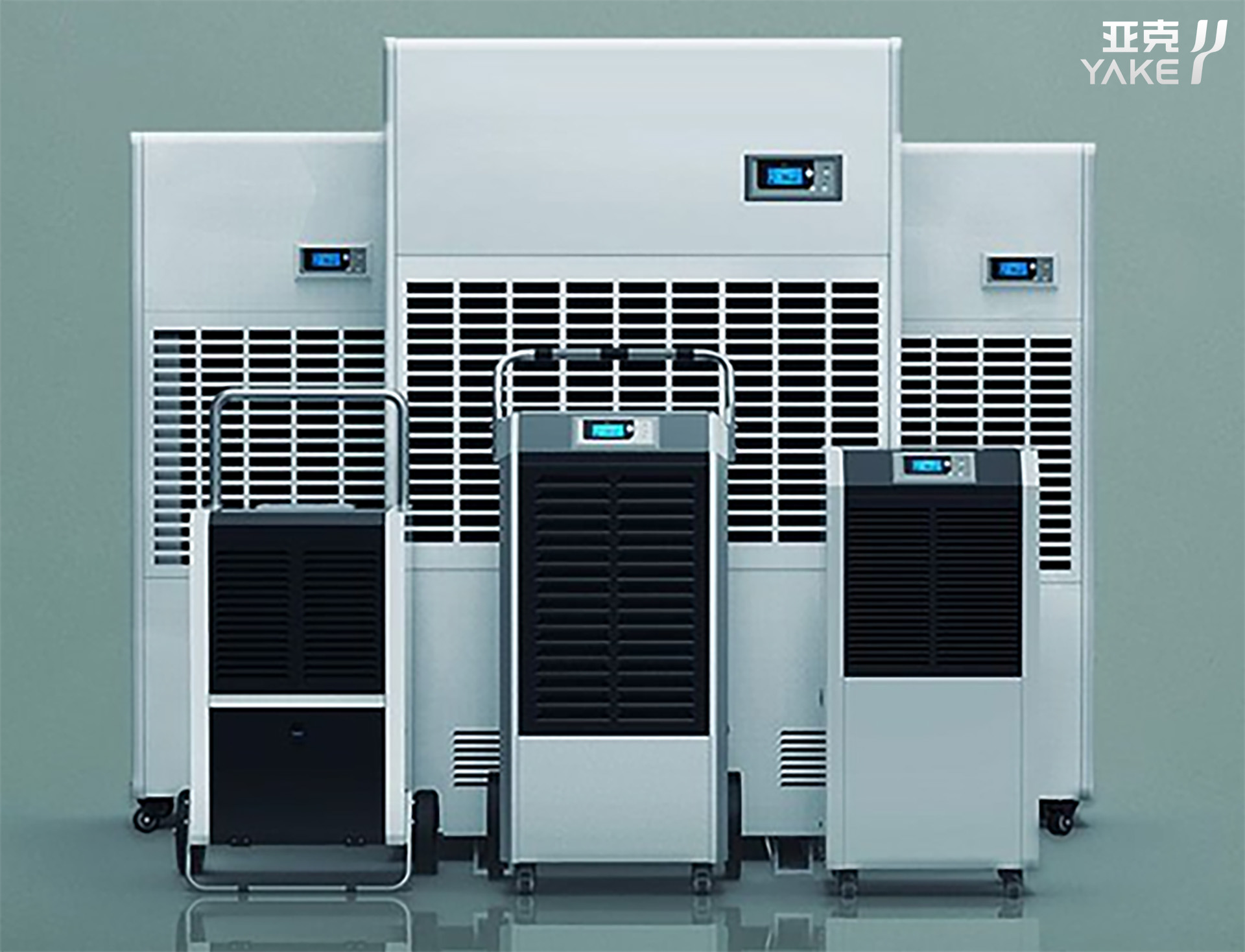
Contact us to find the best place to buy your Yakeclimate solution today!
Our experts have proven solutions to keep your humidity levels in check while keeping your energy costs low.