
Building 34, No. 535 Shunfeng Road, Hangzhou, Zhejiang, China
[email protected]
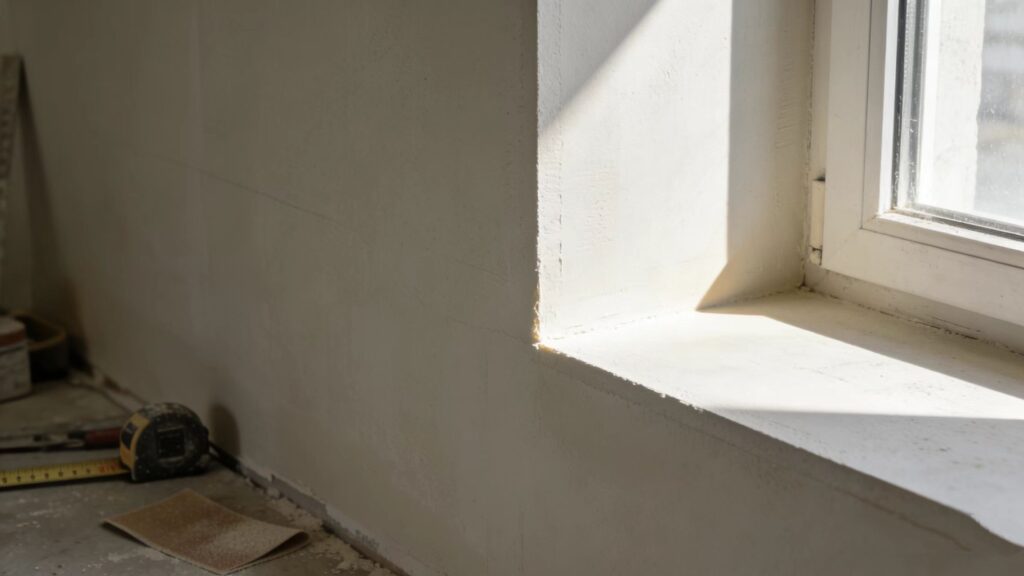

Drywall drying time refers to the amount of time required for joint compound or mud to completely dry once applied to drywall sheets. Drying time usually spans 18 to 24 hours for one coat in typical interior environment conditions. It may vary according to humidity, ventilation, and application thickness. High humidity and poor airflow increase drying time, as you might expect. For high-volume plants or large-scale jobs, understanding proper drying time is crucial for scheduling, staying on schedule, and preventing issues such as cracks or mold. The post dissects the key variables that influence drying times and reveals strategies to achieve faster, safer outcomes on big projects.

Drywall drying time depends on a few main things: humidity, temperature, airflow, compound type, and application thickness. Each can tip drying time from hours to weeks. In commercial environments, these factors impact timelines, budgets, and even quality of the product. Controlling these is the trick to great, quick results.
Humidity puts the brakes on drying. Once the air is saturated, the moisture evaporates slower. Checking humidity with a meter is a necessity. Indoors, for optimum results, maintain humidity levels between 30 and 50 percent. In factories or plants, seasonal swings mean humidity will rise and fall, so plans should be adjusted accordingly. Dehumidifiers make a huge difference. Drywall dries in two to three days with them, instead of five to ten days without. If the humidity increases from 50 to 90 percent, drying time can multiply by a factor of four.
Warm air accelerates drying. The sweet spot is 18°C to 29°C (65°F to 85°F). Cold air has a lagging effect, and big temperature fluctuations create uneven drying. Keep the temperature consistent by using heaters or fans, especially in the winter or overnight. Daytime temperature swings can render drying times less certain. Monitor these to sidestep surprises.
Good airflow drags moisture out of the surface. Fans or open windows really make a difference. Set fans near wet areas. Cross-ventilation, with air coming in one side and out the other, takes moisture away quicker. Move out of the air anything that could be impeding it. Bad air circulation equals hanging moisture that lurks behind walls or in corners and threatens mold.
Not all joint compound dries at the same rate. Fast-drying mixes make your projects go faster. Lightweight compounds can dry faster than regular. Always read the manufacturers’ drying times. For industrial use, shop around and select what works with your schedule.
Thick layers of drywall mud dry slowly. A 1.5 mm (approximately 1/16 inch) coat requires additional time compared to a thin skim. Allow each coat to dry before the next. If the wall has been wet for days, it takes longer to dry, or new drywall might be required.
Drywall drying time is a crucial stage for industrial and commercial projects alike. Understanding how long drywall mud takes to dry keeps schedules tight and quality high. For the majority of projects, drying time is contingent on the mud, room temperature, and humidity. Pre-mixed compound, the type common for finishing seams and patches, generally requires 24 hours drying time per coat under normal conditions. This means that once you put on a coat, you need to wait a day before sanding or applying the next. If you hurry, you risk subpar adhesion, surface defects, or moisture entrapment.
The type of drywall mud is important. Pre-mixed mud is slow but easy, requiring a day per coat. Setting-type compounds dry a lot faster, in a matter of a few hours, because they rely on a chemical set rather than air-drying. These are convenient for quick turnaround jobs or patch work. They can be difficult to sand and require precise timing. In high-pressure situations like cleanrooms or assembly lines, setting-type mud gets walls prepped faster without compromising quality.
Environmental conditions have a lot to say about drying. Preferred conditions are around 21°C (70 degrees) and 70% RH or below. Higher humidity or cool temperatures will impede the drying process. In humid climates or poorly ventilated areas, drying can extend to 36 hours and beyond. Thin coats dry faster, so resist the urge to go thick. Good airflow from fans or dehumidifiers can do wonders, particularly in large-scale or mission-critical spaces where time is at a premium and specs are high. Yakeclimate’s industrial dehumidifiers, for example, maintain humidity at a consistently low level, reducing wait times and eliminating the risk of mold or condensation.
Drying times can vary significantly depending on these factors. Below is a quick reference chart for common scenarios:
| Compound Type | Temperature | Relative Humidity | Coat Thickness | Drying Time |
|---|---|---|---|---|
| Pre-mixed | 21°C | 70% | Thin | 24 hours |
| Pre-mixed | 16°C | 80% | Medium | 36 hours |
| Setting-type (fast) | 21°C | 50% | Thin | 1–4 hours |
| Setting-type (fast) | 16°C | 80% | Medium | 3–6 hours |
Drywall drying time depends on how well you control the space. Key factors are temperature, humidity, airflow, and isolation from outside shifts. For best results, keep the air between 18 and 21°C (65–70°F). This range helps drywall set strong and even. Never let the room drop below 10°C (50°F) during the first 48 hours or until the compound is fully dry. Drywall mud needs stable heat to bind correctly. A drop or spike in temperature can slow down or damage the finish.
Humidity too. The sweet spot is below 25% relative humidity. Dry air sucks water from the drywall mix and speeds the mud’s drying process, reducing drying wait times. At 21°C (70°F) and 25% humidity, it dries in approximately 11.5 hours for one coat. If the air becomes humid or the temperature in the room drops, it drags. If the air isn’t dry, even our suggested 24 hours or so between coats might not be sufficient. Test the air with a meter, not just by feel.
Fans and dehumidifiers are your friends. Fans blow air across wet surfaces, disrupting the still, humid air clinging to them. Dehumidifiers take that moisture out of the air, making it dry. For large scale efforts, industrial strength dehumidifiers are worth the investment. A little temporary heat is beneficial, but don’t allow the space to rise above 35°C (95°F) or the compound could crack. Keep framing moisture under 8% at all times. Damp studs or joists will seal water inside walls, making paint or finish blister and fall.
Seal the work area. Close up doors and windows. Close vents if they blow in outside air. This maintains consistent conditions and prevents fluctuations in weather from altering drying times. In big plants, use plastic sheeting or temporary walls to isolate the space. This allows you to manage a small microclimate, even if the rest of the grounds are wet or frigid.
Monitoring every few hours. Employ a digital temperature or humidity meter. Modify your fans, heat, or dehumidifier accordingly. Hot air by itself won’t dry mud if the humidity remains high. Warm dry air accelerates drying.
Exacto drywall is in your application technique. Your application method affects the final appearance and drying time. Smooth, even strokes transform a rough patch into a flat, clean wall. Apply it properly. Use a 4-inch knife in tricky tight places and an 8-inch for longer seams. Using the right tools makes the whole job easier and quicker. Long, smooth strokes along seams or over screw dimples aid the mud in spreading thin and even. This is essential for fast drying and less sanding down the road.
Your application method counts. Too much mud accumulates and it leaves thick, wet patches that resist drying. Just as with paint, overloading the knife frequently results in messes and additional work, longer drying times and additional sanding. Loading just enough mud guarantees you a neat, flat layer. Let each coat dry completely before applying additional. How long mud takes to dry varies a lot depending on your room’s temperature and humidity. For instance, a descent from 32°C to −7°C alters the air moisture-holding capability by a factor of ten. Colder, damper spaces require significantly more time for each coat to cure.
The drying sweet spot is a consistent 18 to 21°C. This range allows the mud to dry properly and prevents issues such as cracking or peeling. Regular application while being mindful of temperature and humidity provides the optimal finish. If you hurry or take shortcuts, you’re in for more sanding and bumpy surfaces, which is a waste of time and materials.
Do’s and Don’ts for Drywall Application:
Good technique reduces spillage of time and materials. Go over your process. Are you loading the knife properly, maintaining thin coats, and allowing each to dry for as long as necessary? These little checks aid you in maintaining quality and keeping the entire process flowing.
Drywall drying time is determined by more than the wall. Beneath, subtle changes in climate, airflow, or construction can stall or accelerate drying. Experts understand that each endeavor has its own blend of hidden elements. These variables require close inspection prior to planning schedules or selecting machinery.
Building materials matter most. Moisture within the drywall or joint compound is only half the tale. Concrete, brick, wood, and insulation all soak up and emit moisture. When these materials begin wet or when the drywall is thicker than 1/16 inch, drying significantly slows. Drying depends on your compound type. Setting-type compounds dry much faster than pre-mixed ones that linger and stall your process in cooler or more humid environments.
Nearby surfaces can be like sponges. Unfinished concrete floors or brick walls right next to the drying drywall can absorb moisture and then off-gas it. This cycle of back and forth increases the room’s relative humidity, which makes it more difficult for drywall to dry out. In densely furnished rooms, air circulation plummets. Chairs and tables interrupt air flow, creating mini trap pockets of damp air, leaving some places significantly slower to dry than others.
Temperature and humidity play a key role. It dries quickest between 16 and 21 degrees Celsius (60 to 70 degrees Fahrenheit). If the humidity rises from 50 to 90 percent at 13 degrees Celsius (55 degrees Fahrenheit), drying time can increase fourfold. Warm, dry air is ideal. Chilly, humid air carries less water, which means it tends to stick to things. Ventilation accelerates drying by replacing the wetted air with drier air.
A clear line of sight to these factors allows teams to select the optimal dehumidification system. Yakeclimate’s commercial dehumidifiers provide consistent, uniform drying regardless of changing conditions or building materials. The table below shows how building materials and other factors shape the drying process:
| Factor | Impact on Drying Time | Example |
|---|---|---|
| Humidity | Higher = slower | 90% RH = 4X slower than 50% RH |
| Temperature | Higher = faster | 21°C (70°F) dries faster than 13°C |
| Ventilation | Better = faster | Open vents or fans help |
| Material type | Some hold more water | Concrete dries slower than drywall |
| Furniture placement | Blocks airflow, slows drying | Large sofas block vent flow |
| Joint compound type | Setting-type = faster | Pre-mix dries slow in cold, damp air |
| Application thickness | Thicker = slower | 1/16 inch takes longer |
Drywall drying time dictates the timing of every subsequent step. Hurrying this step can invite surface blemishes, peeling, or expensive re-dos. Wait until the drywall is dry before proceeding. Touch it—if it feels cool, not tacky, it is probably ready to prime. If it is damp or sticky, it requires additional drying. Indirectly check thick joints, problem corners, and shaded sections. These areas retain moisture for a longer period, particularly if there is caked on multi-layered mud or inadequate ventilation. For the majority of industrial applications, maintain active ventilation and low humidity with trustworthy dehumidifiers. This step eliminates concealed moisture and maintains high quality.
Prime and paint only once you’ve confirmed the environment is just right. Ideal conditions include moderate temperatures between 10 and 30 degrees Celsius and low humidity. These conditions assist primer in curing evenly and accelerate timelines. Latex primers usually used in industrial spaces dry in 1 to 3 hours. Oil-based primers take longer, requiring 6 to 8 hours to dry to the touch. On porous drywall, you may want to apply a second coat of primer so it covers evenly. Let 1 to 3 hours between coats, but a day gives the best results, particularly if it’s humid or there’s not a lot of airflow.
Expect extended drying with moisture-loaded paint products. Water-based paints, typical for speed and low emissions, can dry in several hours in good conditions. Heavy or specialty coatings might require overnight drying, despite climate control. Always verify the manufacturer’s specs for each product. In some cases, they suggest at least one week of low-humidity drying for freshly muddied joints before priming. Industrial projects experience improved outcomes with climate control units such as Yakeclimate’s dehumidifiers. These technologies maintain humidity control, facilitate energy efficiency, and contribute to sustainability objectives by minimizing scrap and rework.
Prime and paint only when each layer has dried for the specified time. When you skip or rush drying steps, you’re just asking for surface defects and long term failure. Dependable scheduling, test-dry checking, and aggressive dehumidification guarantee solid results in every industrial environment.
Drywall dries quickly in the perfect combination of air, heat, and low moisture. Good airflow, warm rooms, and low humidity all assist in speeding things up. Each job varies a bit, depending on the weather and the room. Wet spots or cold air hamper drying. Thick coats take more time to dry than thin coats. Allow seams to feel firm and color to look even before you prime or paint. If you rush your drywall, it will crack or feel soft later down the road. To get a clean jump, look for cues that the drywall is prepped. You want to keep jobs on track and projects done right. Explore Yakeclimate’s drying tools and guides; they deliver consistent results, regardless.
Drywall dry time most drywall dries in 24 hours. That actual time varies based on temperature, humidity, and ventilation.
Yes. Employ fans, open windows, or a dehumidifier to enhance air circulation and decrease moisture. This aids drywall in drying quicker and more uniformly.
The temperature, humidity, and ventilation, as well as the thickness of the compound, will have an effect on drying time. Drywall dries faster in warmer, drier, and well-ventilated spaces.
Drywall is dry when it turns from dark to light, even color. It will feel cool and firm with no soft spots.
No. Painting or priming before drywall is dry can cause peeling, cracking, or mold. Don’t forget to always wait until it’s dry!
Yes. Certain types, such as moisture-resistant or thicker drywall, can require additional drying time. Be sure to check the manufacturer’s instructions for the best drying times.
Use heaters carefully. Overheating can lead to cracks or uneven drying. Keep the temperature moderate and make sure there is good airflow for optimal drying.





Contact us to find the best place to buy your Yakeclimate solution today!
Our experts have proven solutions to keep your humidity levels in check while keeping your energy costs low.