
Building 34, No. 535 Shunfeng Road, Hangzhou, Zhejiang, China
[email protected]
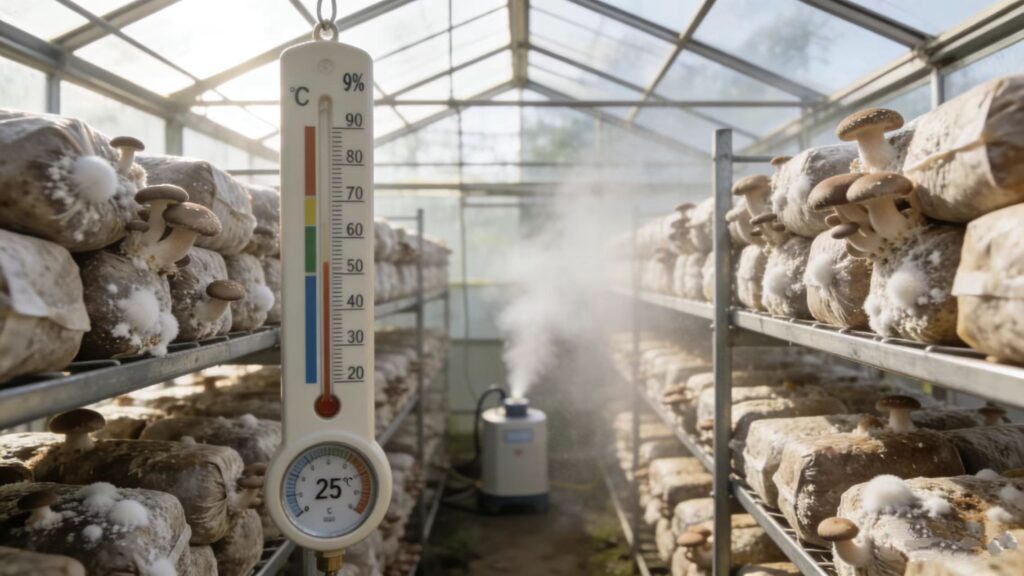

Greenhouse mushroom cultivation is a controlled farming method where mushrooms grow indoors with managed light, heat, and moisture. Many growers use greenhouses to keep mushrooms safe from harsh weather and pests. By changing the temperature and humidity, growers can help mushrooms grow well and stay healthy. Mushrooms like oyster, shiitake, and button types all thrive in these set spaces. Good airflow and clean setups lower the risk of disease and mold. Because space and energy use matter, small and large farms both use greenhouses to get steady harvests year-round. Greenhouse setups give farmers more control than outdoor beds. In the next sections, find simple tips and facts about making mushroom crops strong and safe inside a greenhouse.

Your mushroom greenhouse needs to provide a stable, manageable environment for your fungi to grow. It is all about solid construction, controlling light and maintaining airflow. The right balance of these elements keeps the climate regulated, the pests away, and the complete mushroom cycle going.
Foundation and framing must be strong enough to support the greenhouse, trays, and all the soil or substrate. A flimsy frame is liable to fall down under the burden, particularly when dampness increases the load. Weather-resistant options such as galvanized steel or treated wood assist in combating rot and pests, both of which plague damp mushroom houses. Verify that the plastic film is completely opaque, as mushrooms require minimal or no light during most stages. Check all seams and seams again to prevent leaks that could invite pests or interfere with your climate control.
| Material | Resistance to Moisture | Pest Protection | Lifespan | Cost |
|---|---|---|---|---|
| Galvanized Steel | High | Excellent | 10+ years | Higher |
| Treated Wood | Moderate | Good | 5-7 years | Moderate |
| Polycarbonate | High | Good | 7-10 years | Moderate-High |
| Opaque Plastic | Very High | Good | 3-5 years | Low |
Checklist for structural upkeep:
Blackout curtains or fixed shade panels block out sunlight when needed. Most mushrooms, like oyster or shiitake, want darkness until it’s time to fruit. Set up a timer to mimic dusk and dawn, using short light cycles at the right stage. Sensors help track light levels in real time, so you can tweak shading as needed for each species. For example, button mushrooms need almost total darkness, while shiitake tolerates a bit more light. Opaque greenhouse covers are a must for all.
Good airflow brings fresh air in and protects against strong draughts. Ventilation fans suck out old air, and intake vents bring in new air continuously. Employ slow fans to prevent air currents that dry out mushrooms and reduce yields. CO2 sensors are critical for maintaining levels in the safe range. Too much CO2 inhibits growth, and too little is a waste of energy. Install filters at vents to trap dust or spores from entering your crop. High humidity is ideal, so install misting nozzles to keep the air moist but not drenched.
Greenhouse cultivation of mushrooms progresses in stages, each with its own recommended timing and optimal practices. It begins at substrate prep and ends with harvest and substrate recovery. Adhering to a meticulous schedule, monitoring every phase, and adapting for seasons or demand are crucial for consistent outcomes and maximum output.
The proper substrate composition is the foundation of vigorous mycelium. Growers often use straw, sawdust, or manure, as these provide the nutrients required. Folding in organics, such as coffee grounds or corn cobs, can send growth into overdrive for some varieties.
Each mushroom needs a special substrate blend. Shiitake mushrooms do better on hardwood sawdust, while oyster mushrooms like straw. Moisture is critical. The ideal range is 55 to 65 percent, which you can check by squeezing the substrate. It should feel damp, not soggy.
Sterilization halts mold and bacteria before they get going. Most growers pasteurize with steam or autoclave. Both methods do well to keep the substrate protected.
Sterilization gear checks matter too. Note everything for every batch. This keeps things consistent from run to run.
Spawning is when you transfer your mushroom culture to the substrate. Always use clean hands and tools to prevent contamination. Commercial spawn is your safest bet for rapid, vigorous cultivation.
Watch for beginning mycelium. White threads begin to show in 3 weeks. If you see any green or black spots, that’s contamination and it needs to be addressed.
Incubate at 21°C (70°F) for consistent mycelium expansion. Good air flow and 80-90% humidity assist. Look frequently for uniform colonization.
About 3 weeks later, the compost should be all white with mycelium. Reduce temperatures to 15 to 18 degrees Celsius (60 to 65 degrees Fahrenheit) to prepare for fruiting.
Change light, humidity and temperature to induce fruiting. Most mushrooms require 13-24°C or 55-75°F and 85-95% humidity at this stage. Pins will appear in 3-5 weeks. They mature quickly in 5-7 days.
Use a sharp knife to slice mushrooms at the stem. Harvest every few days for premium quality. After harvesting, recycle old substrate as compost or soil. Record yields to know what works best.
Mastering the microclimate
Creating a stable microclimate in a greenhouse is essential for healthy mushroom crops. Though each mushroom type has its own requirements, controlling temperature, humidity, airflow, and light is essential. With the proper equipment and systems, cultivators can modify these elements to suit the growth cycle, ensuring mushrooms prosper from mycelium to harvest.
Different growth stages require very different temperature zones. Mycelial growth usually thrives best at 21°C, whereas fruiting might require a small dip, such as culturing morel mushrooms between 18 and 22°C. Everything stays stable when it is cold with heating systems. In hot spells, evaporative coolers or shade cloths come in handy. Any quick temperature swings above 24 degrees Celsius or below 16 degrees Celsius can stunt its growth or stress it. A few basic insulation hacks from thermal curtains to insulated greenhouse panels even out those temperature dips and spikes, which saves a lot of energy costs over time.
Temperature checks should be routine. Digital thermometers at crop height detect difficulties early, allowing for immediate remedies before crops are stressed. If you remain in the 64 to 75°F (18 to 24°C) range, humidity remains more stable.
Humidity is always a top concern. Mushrooms need high moisture in the air. For oyster and shiitake, pinning starts at 95% relative humidity, then you drop to 85 to 90% for fruiting. Too little moisture causes mushrooms to dry out fast since their skin is thin. Too much moisture increases the risk of mold or rot.
Humidifiers, foggers or misters maintain the air humidity. Hygrometers monitor these levels, so readings over 85% can be maintained. Watering schedules change with humidity readings. In dry seasons, increase misting. In humid months, scale back or introduce fans for circulation. Dry heated rooms in winter require even more care. Filtered vents and small fans help achieve the 95 to 100 percent range for pinning, dropping to 80 to 90 percent as the crop matures.
Mushrooms inhale and require consistent CO2 exchange. If CO2 builds up, growth can pause or mutate. Sensors indicate when it drifts above safe limits. Sound ventilation allows stale air to escape and fresh air to enter, which is particularly required in fruiting.
Mushrooms require very little light. Pinning and a few fruiting stages benefit from constant, low lighting. Oyster mushrooms, for instance, pin more effectively with low-intensity light for 8 to 12 hours. Artificial lights supplement when days are short or greenhouses are shaded. Use timers to adhere to the light hours required for each variety. Too many lights will dry caps or halt pinning. Master the microclimate. Use LED strips or fluorescent tubes to keep lighting gentle and even, checking with a simple light meter.
Mushroom growers have a list of greenhouse contaminants. These are fungi, bacteria, and insects, all capable of damaging yields and crop quality. Contamination spreads quickly, so a robust prevention strategy is vital for any operation. Good hygiene, routine inspections, and employee education minimize the chance of contamination and maintain crop security.
Fungal invaders such as Trichoderma (green mold) and cobweb mold are primary culprits. Trichoderma appears as fluffy, bright-white mycelium prior to going green and outcompetes mushroom mycelium while spoiling substrate. Cobweb mold, which creates wispy gray tufts and frequently has a musty, damp smell, rapidly consumes casing layers. Other molds appear in a variety of colors—orange, green, and black—typically as patches.
Spores from these fungi can permeate the air and coat surfaces, making it difficult to completely eradicate outbreaks. Discolored patches, slimy spots, or strange growth on substrate are red flags. Sterilizing tools, surfaces, and substrate is one of the best defenses. Sanitation, such as hand washing and clothing changes before entry, cuts off a lot of spores before they get to crops. If contamination hits, strip it and burn it quickly. Research is showing that early action and focused antifungal treatments can occasionally rescue the remainder of a crop.
Bacillus is responsible for “sour rot” or “wet spot” and enjoys wet, poorly ventilated environments. Its rapid propagation leaves slimy, stinky patches on the substrate. Bacteria can originate from soil, water, or even human skin, which harbors millions of microbes.
Cleanliness prevents it prevents it prevents. Workers wash your hands, wear sterile gloves and sanitized equipment. Environmental checks, particularly for excess moisture, identify issues before they become serious. Maintain humidity levels and prevent stale air. When blights do show up, quarantine and excise affected foliage quickly, and examine sanitation practices for holes.
Mushrooms attract flies, mites, and springtails, which can consume mycelium or distribute spores. They enter through the doors, vents, or on clothing. Routine inspections are important because they catch bugs before infestations.
Physical barriers such as mesh screens or sticky traps help keep insects away. Integrated pest management, employing both biological and simple chemical controls, is best for consistent control. Staff education is critical so that all can identify and react to infestations promptly and appropriately.
Commercial mushroom-growing adopts a business-first mindset focused on yield, efficiency, and consistent profits. Growers calibrate their systems for robust plants and the needs of a market that rewards quality and reliability. System design, production scale, and process choices all connect to obvious money objectives and risk management. This mindset informs every facet of their operation, from selecting which mushrooms to cultivate to training teams.
To increase crop, they employ previous-harvest data to inform daily choices. A lot of it is done in small batches, working our way out toward what works best and then scaling up. That way, errors are cheaper and abilities get better every turn. Setting yield targets is crucial. Those numbers connect back to market demand and system capacity.
Yield best practices are daily checks of temperature, humidity, and substrate quality. Certain cultivators experiment with fresh methods, such as swapping substrate blends or altering light intervals, to determine what is optimal for their preferred mushroom variety. We tend to tackle one stage of the process at a time and then incorporate automation and better climate controls when the fundamentals are nailed.
Aligning the crop to the system helps cut technical risks. For example, oyster mushrooms need less climate control than shiitake, so a simple setup might work if that’s what the market wants. The table below shows how small changes in yield and price affect profits.
| Yield (kg/week) | Price (€/kg) | Weekly Revenue (€) | Estimated Cost (€) | Weekly Profit (€) |
|---|---|---|---|---|
| 100 | 7.00 | 700 | 420 | 280 |
| 200 | 6.50 | 1,300 | 800 | 500 |
| 400 | 6.00 | 2,400 | 1,520 | 880 |
Energy costs matter in every greenhouse. Most commercial growers seek to reduce energy bills while maintaining mushroom contentment. They might splash out on LEDs, high-efficiency fans, and smart controllers that operate only when necessary. Others switch to renewable power, such as solar panels, to reduce their carbon impact and be cost-effective.
Teams monitor energy consumption, monitoring for spikes that indicate leaks or defective equipment. Easy habits count, such as switching off idle gear or plugging leaks. Training gets everyone looking for waste and new ways to save. These changes accumulate and make the operation greener and more profitable as time goes on.
Water savings are smart mushroom farming. Growers employ drip systems or foggers to apply precisely the right amount of water, reducing wastage. Others place sensors that monitor the substrate and air and adjust schedules according to real-time plant needs.
Rainwater harvesting is catching on, particularly in locations where water is in short supply or costly. Teams harvest and store rain and then filter it for use in the greenhouse. Employees understand why each drop matters. They clean utensils minimally, repair leaks the moment they identify them, and recirculate runoff when feasible.
Greenhouse mushroom cultivation is an opportunity to mix old with new. Cultivating mushrooms indoors provides the opportunity to experiment with innovative methods, increase production, and nurture sustainability. From my professional and personal experience, I’ve witnessed how the appropriate combination of systems and strategic decisions could yield healthier, more varied crops and more consistent revenues.
Mixing different mushroom types, like oyster and shiitake, can raise biodiversity and make the system stronger. My husband and I tried this in Denver, and it helped us spot which species thrive together. Companion planting, such as using herbs or leafy greens, helps the soil cycle nutrients better and keeps pests in check.
Through this combination, you don’t depend on a single crop, which reduces risk. For instance, oyster mushrooms are easy to cultivate, even for beginners. The umami flavor of each variety varies, so providing a selection can attract more visitors to markets or local eateries. Others have enjoyed consistent sales by offering mushroom mixes.
Attempting polyculture requires more effort at the beginning. The soil and plant benefits pay huge dividends over time.
Automation makes greenhouse work slicker and easier to scale. Climate control can maintain humidity at 80% to 95%, which is essential for vigorous mushroom development. These systems react to actual data, which is efficient and minimizes errors.
Robotics can assist with challenging tasks such as harvesting or packaging. This can reduce labor expenses, which is crucial because the initial harvest is usually the largest and subsequent ones diminish in size. Keeping things fresh with new technology, like AI-driven climate control, increases quality and can even allow for additional harvests.
With buckets, you can wash out and use them again and again. The 5-gallon technique is an effective method for minimizing waste. It is possible to source inputs locally, be it substrate or packaging.
Educating buyers on the importance of sustainable mushrooms creates a dedicated market. Collaborating with organizations that seek to promote sustainable actions introduces fresh perspectives and maintains excellence.
Greenhouse mushroom cultivation requires smart design and quality equipment. A well-constructed greenhouse with optimal flow of wind, illumination, and humidity delivers vigorous yields. To keep things running smoothly, clean up frequently and repair small issues quickly. Mold and pests can pop up fast, so keep an eye out for color or smell changes. Little shifts in heat or moisture can alter how mushrooms form. By being vigilant, growers can detect problems at the onset and take immediate action. An easy-to-manage arrangement with regular controls provides consistent yields. For those ready to enhance their operation, use new equipment such as smart fans or dehumidifiers for greater control. To achieve more, keep studying, stay inquisitive, and experiment with fresh methods in your own environment.
Most mushrooms grow best in the 18 to 24°C range. Maintaining a consistent temperature in this range promotes vigorous growth and optimizes yield.
Humidifiers, misting systems, or water trays. Aim for 80 to 95 percent humidity, again depending on your mushroom species. You’ve got to check it regularly.
Molds, bacteria, and invasive fungi are everywhere. Sanitation, adequate ventilation, and sterilized instruments avoid infection and loss of the crop.
Ventilate every day. Fresh air controls carbon dioxide levels and mold. Control ventilation according to your mushroom variety.
Yes, it is better to isolate species with distinct climate requirements. This inhibits cross-contamination and permits accurate control of the environment.
This cycle encompasses spawn preparation, substrate inoculation, incubation, fruiting, and harvesting. The complete cycle typically takes four to eight weeks, depending on the variety.
With some planning and good management, greenhouse mushroom cultivation can be profitable. It is a matter of market demand, efficient operations, and disease control.


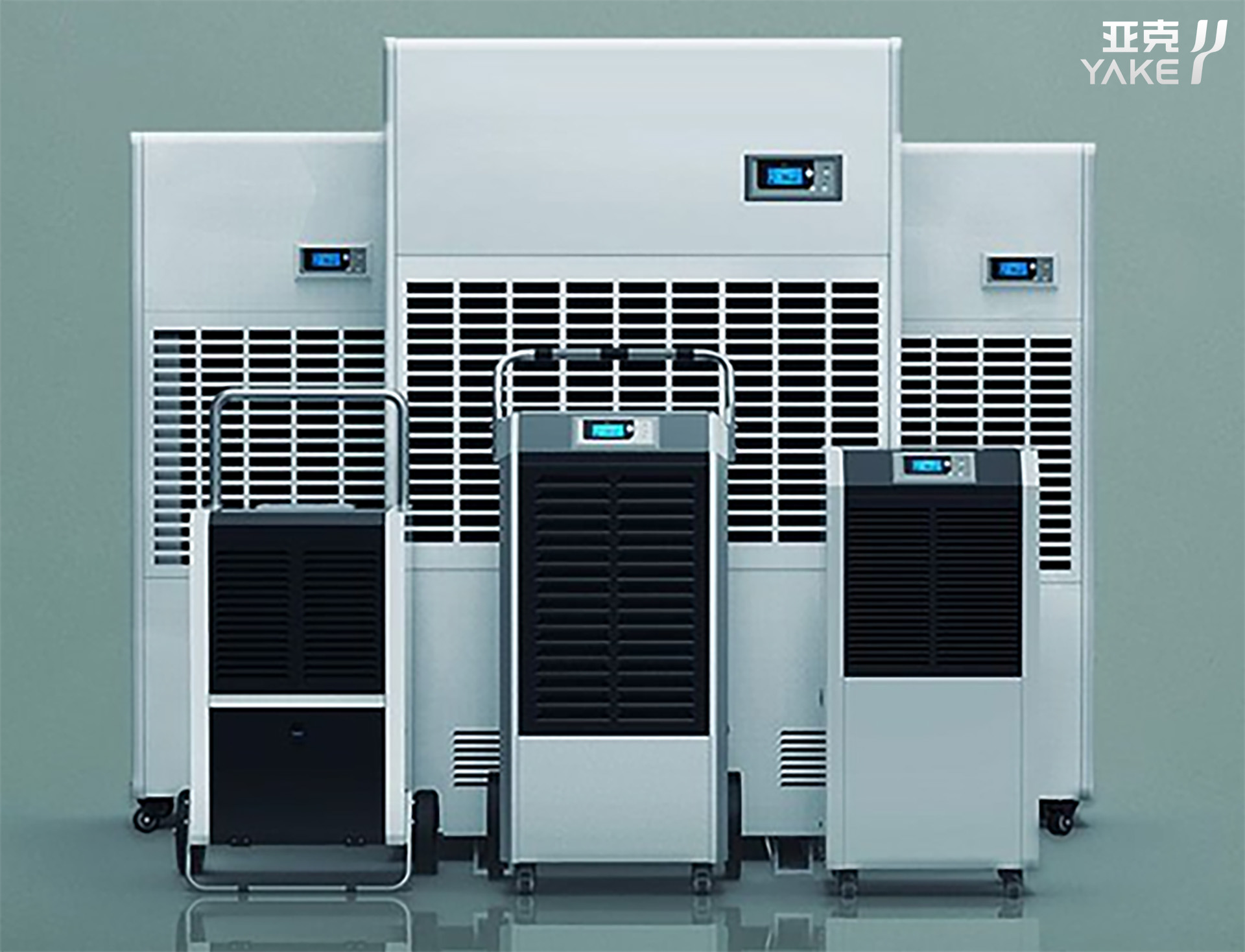
Contact us to find the best place to buy your Yakeclimate solution today!
Our experts have proven solutions to keep your humidity levels in check while keeping your energy costs low.