
Building 34, No. 535 Shunfeng Road, Hangzhou, Zhejiang, China
[email protected]


Furnace humidistat control systems utilize sensors and controllers to maintain proper humidity levels in industrial environments. These furnace humidistat control systems assist in managing air quality in large plants, where constant humidity is essential to safe working conditions and consistent production. A good humidistat control eliminates static, reduces the chances of rust, and maintains equipment and products in prime condition. Systems interface with HVAC units to either increase or decrease moisture, depending on real-time data. Most systems come with digital panels and can integrate with building management systems for seamless monitoring and rapid troubleshooting. Pharma, electronics, and auto lines depend on these to conform to stringent quality guidelines. The featured article examines key features, applications, and how to select the appropriate system.

Balanced humidity is about more than comfort. It’s crucial for health, energy savings, building protection, and the lifespan of your belongings. Furnace humidistat control systems maintain indoor air between 30 and 50 percent humidity. This range is standard for a good reason: it helps people, protects buildings, and saves energy.
Controlling humidity reduces the incidence of stuffy noses, coughs, and allergies. The right moisture makes your skin not dry out and helps your nose and throat feel better. Dry air is difficult to breathe and can jar you awake at night. Too much moisture encourages the proliferation of bacteria and mold. With just the right humidity, you breathe easier, sleep better, and reduce illness.
About why control humidity. Humidistat control keeps the indoor climate steady. When it’s warm, air can hold more moisture, so in winter low humidity makes your house feel colder and your skin itchy. Summer humidity is gross, sticky, and heavy. By maintaining air in the 30 to 50 percent range, your home just feels good all year. You use your heater and air conditioning less because air feels warmer in winter and cooler in summer.
Humidity fluctuations damage your home. If it’s too little, wood cracks and if it’s too much, you get mold and musty smells or peeling paint. Controlled humidity guards walls, floors, and furniture. It prevents mold growth and keeps air purer. Your home remains stronger, safer, and longer lasting.
With humidity right, your heater and air conditioner work less. That means lower energy bills. You have less to repair mold or water damage. HVAC systems last longer because they don’t have to work as hard. In the long run, you save by consuming less power and repairing less.
Humidity swings are destroying things you love. Electronics rot in damp air, artwork and photos fade or curl. Wood furniture warps or cracks. Fabrics get musty and papers disintegrate. Stable humidity puts a halt to that, preserving your treasures and extending their life.
Furnace humidistat control systems maintain indoor air moisture at a proper level. They use sensors to monitor relative humidity and maintain it at the set target, commonly between 30 and 60 percent. Nearly all homes and businesses require this range for comfort, health, and equipment protection. Humidistats reduce the possibility of mold, static, and airborne viruses. They mount with furnace systems, so control is seamless. Energy savings occur and there is less waste when these systems run well.
All furnace humidistat systems are basically comprised of a few key components. The sensor measures relative humidity and reports to the control unit whether the air is too moist or dry. Commercial controls for furnace humidistat have a simple knob or digital screen, making it easy for users to set their preferred level. The humidifier sprays in dampness when the air falls below the target. Ductwork and airflow are crucial as well. Without adequate airflow, certain rooms can become over-dried while others remain moist. Proper installation counts. If sensors linger in dead-air pockets or duct leaks, readings skew and comfort diminishes.
Humidistats accomplish this by sampling the air frequently. The sensor senses relative humidity, compares it to the user’s set point, and signals the humidifier or furnace. High-tech sensors provide a fast response, allowing the system to adjust quickly to fluctuations caused by weather or daily activity. Calibration is the name of the game for these sensors. Without it, statistical noise creeps in and humidity swings out of the comfort range. A properly calibrated system maintains relative humidity, which translates into healthier living conditions and less mold risk. Fast sensor response enhances energy savings, as the system operates only when necessary.
Wiring a humidistat with an HVAC system is easy with most new systems. Integrated humidistats communicate with the furnace main controller, so they both operate in unison. Smart home systems allow users to monitor and adjust humidity from a phone or tablet. Compatibility counts. Certain humidifiers are optimized for specific types of furnaces. Always check specs prior to purchasing. Professional installation helps as well. An expert installer will ensure sensors, controls, and ducts function as a unit, circumventing typical mistakes and extending system lifespan.
Furnace humidistat control systems are integral to maintaining stable and secure interior air in industrial environments. What to look for in picking the right one is type, controls, and size. All of these factors contribute greatly to system performance and how smoothly your operation runs.
Steam, bypass, and fan humidifiers are typical. Steam humidifiers electrically boil water, creating steam that distributes quickly and maintains consistent humidity levels. They’re great for big spaces and offer tight control, but use a lot of power and require a savvy installation. Bypass units utilize the furnace’s airflow, requiring less power and fewer moving parts. They’re cheaper but don’t have the same control and require ductwork modifications. Fan-powered models are in the middle, with a built-in fan to aid water evaporation and a moderate energy draw. Whole-house systems require an annual inspection and portables need frequent cleaning and refilling, which makes them less suitable for large or high-volume operations.
Today, humidistats have LCD displays, very accurate sensors, and the ability to connect to smart systems. These programmable settings allow you to set levels based on time or day. Remote access allows you to adjust settings from afar, assisting with sites requiring stringent supervision. A few humidistats grab weather info to alter humidity prior to outdoor shifts impacting the plant. Monitoring tools keep tabs on levels as they happen, informing staff of swings. They conserve energy, maintain the environment stable, and support compliance with safety regulations.
Basic controls are less precise but cheaper. Upgraded systems often provide improved feedback, logging, and integrate with other building automation systems. For mega-scale, integration is everything for entire site climate control.
It’s all about scale. Too small, and the humidifier won’t be able to keep up. Too big, and it squirts energy or causes dampness. The correct size is determined by the square meters to be covered, the ceiling height, insulation, and the airtightness of the construction. Room activity changes needs too—labs, packaging, and assembly lines have different humidity targets. Pros use formulas or software to match humidifier output to space size. Consult HVAC pros for top performance. Incorrect sizing means more downtime or higher bills.
| Model Type | Features | Price (USD) | Pros | Cons |
|---|---|---|---|---|
| Steam | Precise control, fast response | 900–2000 | High accuracy, low upkeep | High energy use, skilled install |
| Bypass | Uses furnace air, simple controls | 350–700 | Low cost, low energy | Less control, needs duct changes |
| Fan-powered | Built-in fan, moderate humidity control | 600–1200 | Easy install, moderate energy | Louder, needs more upkeep |
| Portable | Standalone, manual controls | 50–200 | Cheap, mobile | Daily fill, not for big spaces |
Industrial air conditioning frequently requires more than humidification. A lot of spaces have to reduce humidity to maintain system stability and healthy air. Dehumidifiers come into play when moisture creeps above the safe zone, particularly in moist or high-traffic spaces. These are a must-have in locations with muggy summers, lots of precipitation or where tight building practices create moisture issues. As is the case in most industries, maintaining humidity between 30 percent and 50 percent is essential for both equipment longevity and quality of product.
Too much humidity appears as window condensation, mildew smells or mold growth, most commonly in basements or closets. If you sense a ‘stickiness’ in the air or if your electronics and machinery begin to corrode, it’s time to do something. Readings can spike fast during humid months. Smart sensors or digital hygrometers aid in monitoring these shifts. If levels remain above 50 percent, dehumidification is critical to avoid mold and safeguard workers and materials.
It’s not just comfort that high humidity brings. It can wreck sleep, reduce production, and generate downtime from air quality issues. Mold spores love moist air, inviting health hazards and inspector nightmares. Dehumidifiers extract excess moisture from the air, ensuring safety and stability. They decrease the danger of airborne viruses as well, which is an issue for plants with stringent cleanliness protocols.
Dehumidifier option Keep costs down and avoid larger repairs with timely use of dehumidifiers. It is imperative after water leaks. Rapid dehumidification can halt additional damage and accelerate recovery. Maintenance is easy. Change or clean filters every 1-3 months to keep systems running optimally.
Built in humidity control systems include humidifier and dehumidifier options. It’s great for plants that experience large oscillations in temperature or production requirements, like pharmaceutical cleanrooms or electronics assembly lines. Having both in one system reduces maintenance, as there’s only one primary control point and less discrete equipment to maintain.
Integrated systems conserve floor space and streamline employee training. With less equipment to keep tabs on, things flow a lot more smoothly and effortlessly. Over time, these systems tend to be more affordable than purchasing humidifiers and dehumidifiers for each zone. They respond to seasonal swings, changing modes on their own to maintain humidity in the desired range throughout the year.
Furnace humidistat control systems are a big piece of the indoor air moisture puzzle. For industrial and large sites, these systems coordinate with the HVAC to control humidity in each room. A proper installation and accurate calibration translate into less chance of moisture, mildew, or static buildup. This saves costs and remains safe on the floor for both people and product. A well-thought-out install plan addresses all aspects to maintain the system stable and manageable.
Calibration counts when it comes to accuracy. If the humidistat is off, humidity can fluctuate too high or too low. That may translate into dry skin, static, or even mold and wood rot. Check at install and every season with a calibrated hygrometer. This circumvents comfort concerns and maintains system efficiency.
Hiring a pro or DIY is up to your skills. Complex installations, such as those in sizable plants, require professionals with HVAC experience. They provide warranties and long-term support. DIY sounds less expensive, but a mistake might end up costing you more in repairs or voided warranties.
A right install and regular calibration spell less energy waste and fewer breakdowns. It helps satisfy health regulations and maintains the air quality for workers and equipment.
Do’s:
Don’ts:
Faulty installation can lead to damage, mold, or wasted efficiency. DIY is for strong HVAC and electrical types only. Professionals provide backing and maintain warranties.
Warranties make a difference. They include repairs, parts, and ahead. Pros can detect issues early and calibrate settings for optimal output.
Hygrometers assist in monitoring fluctuations. Verify readings on a weekly basis, particularly in conjunction with rapid weather fluctuations. They detect issues in advance of your pain awareness.
Most pros recommend indoor humidity between 40 and 45 percent when it’s mild out. When it’s colder, drop the level:
Modify for comfort and well-being. A height that is too high leads to mold, while a height that is too low causes dry skin and static. Just like people and equipment, balance is key.
Humidity requirements vary seasonally. Colder air holds less moisture, so these lower settings prevent window fog and water marks. During summer, elevated settings prevent dry air, but be on the lookout for mold.
Outdoor temperature fluctuations require indoor adjustments. When a cold snap comes, turn down the humidistat. If it heats, lift it slightly.
Extreme weather leads to more checking. During freezing spells, check for condensation on walls or glass. During hot or wet months, be sure there is no musty smell or mold showing.
Ready your system for every new season. HUMIDIFIER AND HUMIDISTAT Clean and inspect. Change filters, inspect seals and realign as necessary. This keeps the entire operation humming and secure.
Furnace Humidistat Control Systems For Stable Humidity in industrial issues can result in downtime, product loss or damage to sensitive equipment. Below is a table of common problems, their causes, fixes and troubleshooting.
| Issue | Possible Causes | Fixes & Troubleshooting Steps |
|---|---|---|
| Inaccurate Readings | Sensor misplacement, calibration drift | Check placement, recalibrate sensor, replace if needed |
| Water Leaks | Cracked trays, loose tubing, clogged drains | Inspect for cracks, tighten tubing, clear drains, check trays |
| No Humidity Change | Clogged filters, faulty humidistat, mineral buildup | Replace filters, test humidistat, clean pads, seek expert help |
Misplaced sensors or old sensors cause wrong readings, which causes poor control. Always mount the sensor away from heat sources, drafts, or doors. A sensor too near the furnace or a vent will register inaccurate data. Check calibration with a handheld hygrometer. If readings drift after calibration, the sensor may be end of life. Replace humidity sensors every few years to maintain accuracy. Look for sluggish system response or big humidity swings, both indicative of sensor issues.
Leaks can begin from cracked trays, loose tubing or clogged drains. Mineral buildup from hard water is a prime suspect, particularly in regions with calcium-heavy waters. Examine trays for cracks and tubes for tightness. DRAIN BLOCKAGE: Clean out with wire or brush, which takes about 30 minutes and is of minimal cost. Check the system each heating season and change out worn pads or trays. Overfeeding water and blocked drains are primary culprits for overflow. Turn off the humidifier at season’s end and close the saddle valve to reduce danger over summer.
If your system remains dry, begin with the humidistat and be sure it’s adjusted properly. Test the voltage to the low-voltage wires. Twenty-four volts means the circuit is good. Dirty or old filter pads prevent moisture from distributing. Hard water can clog pads quickly, so change them annually and more if you’re in a hard water area. If fixes flunk, call a pro. Certain issues, such as circuit board defects, require professional hands. Be sure to unplug the unit and allow it to dry if it was wet or tipped!
The furnace humidistat control keeps air at the right moisture for hard work. Proper control means less static, rust, or cracked parts. A good furnace humidistat control system prevents moisture swings that wreak havoc on items and equipment. With bright readouts and easy dials, these systems minimize errors and reduce time on checks. DEHUMIDIFIERS do very well in areas with high concentrations of water in the air. Proper arrangement leads to less shutdown and healthier air to work in. Choose tools that fit your space and requirements. Keep crisp with inspections and minor repairs to snag problems before they blossom. Looking for precise air control for your plant or line? Contact Yakeclimate. Get assistance from individuals who understand how to keep your ground firm and arid.
Furnace Humidistat Control Systems: A furnace humidistat control system measures and controls indoor humidity. It pairs with your furnace to introduce moisture into the air and assists in keeping your home’s humidity at comfortable and healthy levels.
Everything we do comes down to comfort and humidity control. It promotes respiratory health and helps your home feel warmer at lower temperatures, conserving energy.
Pick one that fits your furnace style and home size. Look for convenient controls, good sensors, and efficiency. Ask a pro if you’re not sure your system is compatible.
That’s because when you keep it at optimal humidity, you reduce dust, mold, and allergens in the air, so allergy sufferers breathe easier and stay healthier indoors.
A humidistat controls moisture by injecting moisture where the air is too dry. A dehumidifier takes away the moisture when it is too humid. Both assist in achieving balanced indoor humidity.
Check and calibrate your humidistat at least once a year, preferably prior to the heating season. Routine inspection guarantees precise humidity regulation and optimal performance.
Typical culprits are incorrect readings, bad wiring or sensors. Routine maintenance and repairs prevent system breakdowns and maintain consistent humidity control.


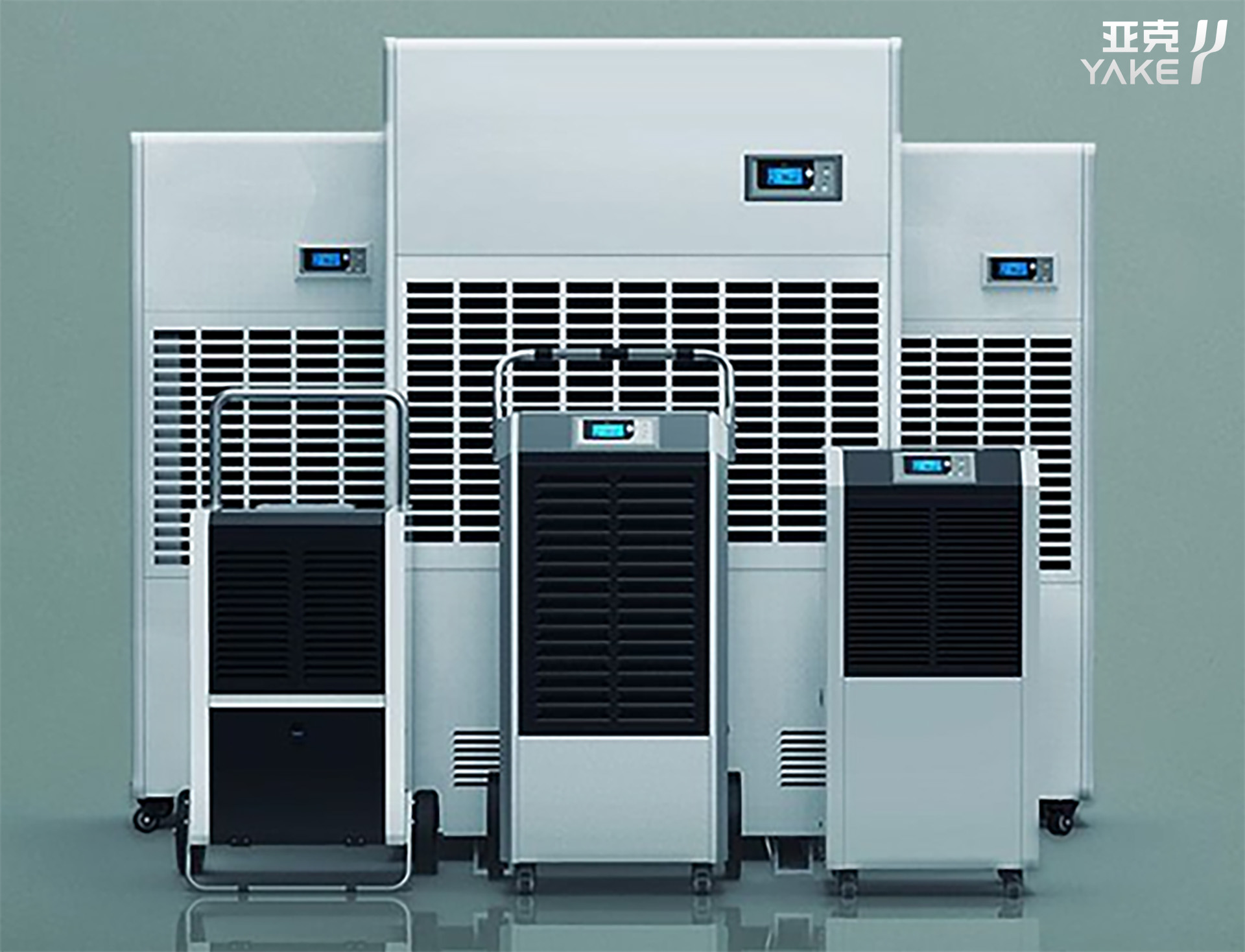
Contact us to find the best place to buy your Yakeclimate solution today!
Our experts have proven solutions to keep your humidity levels in check while keeping your energy costs low.