
Building 34, No. 535 Shunfeng Road, Hangzhou, Zhejiang, China
[email protected]
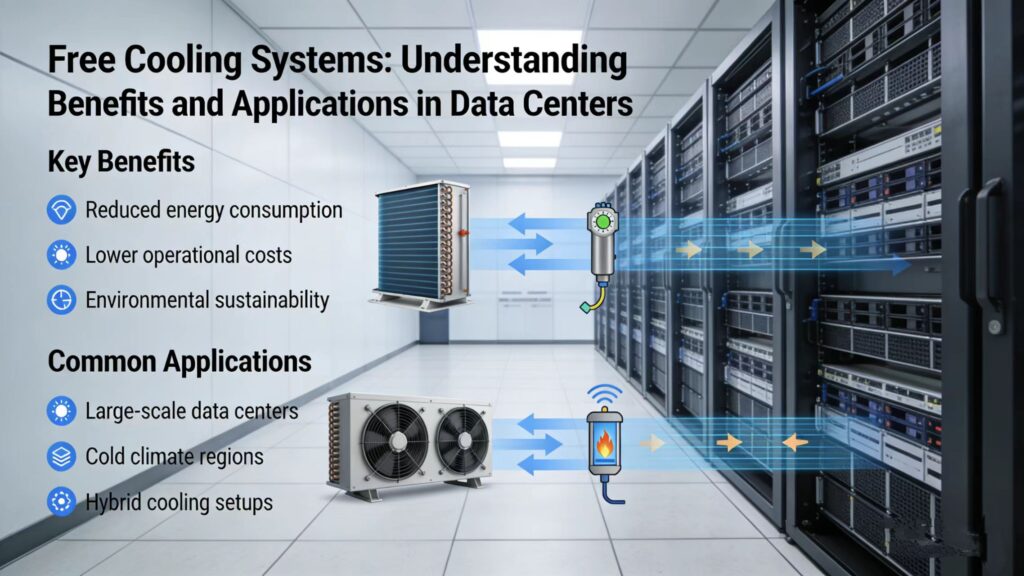

Free cooling systems use cool outside air or water to reduce the temperature indoors without intensive use of chillers or air conditioners. These systems are most efficient in climates with consistently low outdoor temperatures. They assist in reducing electricity consumption and decrease operating expenses across multiple sectors. Plant managers and engineers use free cooling systems to maintain constant environmental conditions for machinery and manufacturing. It aids in achieving stringent quality regulations in factories, laboratories, and server rooms. Yakeclimate designs free cooling systems to suit varying requirements and site constraints. These configurations increase uptime, conserve energy, and extend wear on cooling equipment. The following sections parse system types, key components, and how to incorporate free cooling into contemporary process lines.

Free cooling systems are energy efficient solutions that utilize cold external air or water to cool internal spaces. They do not use the full strength of mechanical chillers. Instead, they reduce compressor usage by taking advantage of the natural coolness of the environment. This strategy can save energy and carbon for countless industrial facilities. Free cooling is popular in data centers, server rooms, and large commercial facilities that require constant cooling. These systems can operate in late autumn, winter, and early spring, particularly in mild climates.
The concept of free cooling is straightforward. It leverages ambient cold air or water to remove heat internally without needing to operate the chiller’s compressor. This is accomplished by forcing warm indoor air through a heat exchanger. The exchanger transfers heat from the building into the cooler outside air. The system works best when outside air is significantly cooler than indoor air. They let the chillers sleep for months. Understanding the outdoor temperature and humidity is crucial to maximizing free cooling. If it is too warm or humid, it won’t work as well. Some careful consideration of the local climate data is necessary before installing the system.
Free cooling systems consist of components such as air heat exchangers, chillers, modulating valves, and dry coolers. Heat exchangers transfer heat from water or air inside to the outside. Dry coolers disperse heat from the system into the air outdoors. Modulating valves control water flow and help keep the system operating at its optimal level. Water quality is crucial. Effective water treatment prevents corrosion and scaling, resulting in a system that is more durable and efficient.
Free cooling systems can operate in direct or indirect modes. Direct cooling brings in outside air directly into the building. Indirect cooling relies on heat exchangers to separate air streams. Systems can toggle between free and standard cooling according to temperature settings. Partial free cooling comes into play when outside air is not cold enough to provide full free cooling but can still contribute. Sensors monitor temperature, humidity, and system load to toggle between modes for optimal energy consumption.
Outside air has to be colder than the chilled water temperature for free cooling to be effective. Typically, this equates to air under 5°C for 6°C systems. Low humidity assists. Seasonal swings are significant. A system may only operate in free cooling mode for a certain portion of the year. Smart planning for local climate ensures cooling is never wasted when required.
Free cooling refers to any system that uses outside conditions to reduce the demand for mechanical cooling. They reduce expenses, conserve energy, and promote green business. Most industrial and process facilities use them to maintain close temperature and humidity control. Here are the major types, each with distinct configurations and worth for varying applications.
Air-side economizers bring in cool air and expel warm air to cool spaces. They employ dampers and controls to balance intake and exhaust, modulating airflow depending on live sensor readings. When the outdoor air is sufficiently cool, these economizers can supply full or partial cooling without compressors. These are best suited for climates with long cool seasons and can be integrated into modular or package air-cooled chillers.
Air-side economizers reduce energy consumption, frequently resulting in as much as 70% savings on cooling expenses in data centers and electronics factories. They increase HVAC efficiency with reduced mechanical cooling. They have to consider outdoor air quality, too. Dust, humidity, or other pollutants can be a risk. Facilities might require additional filtration or controls to safeguard sensitive operations.
Water-side economizers utilize external water sources or ambient air-cooled coils to chill water for cooling. The system bypasses chillers when outdoor temperatures are low, diverting chilled water through a heat exchanger. This mode is typical in ‘winter’ or mid-range pre-cooling, when the three-way valve opens to send water through free-cooling coils, usually when outside temperatures are 2 to 4 °C below the set point.
These systems are favored in areas with dependable cool seasons and in buildings with significant cooling loads, like pharmaceuticals or manufacturing. They can drastically reduce energy consumption and operational expenditures by minimizing compressor run-time. Water-side economizers demand vigilant water quality monitoring and periodic treatment to prevent fouling, scaling, and corrosion. Maintenance is the key to long-term reliability.
Refrigerant economizers maximize refrigerant flow within conventional cooling cycles, typically by precooling refrigerant with ambient air before it reaches the compressor. It works great in modular chillers and package units. They can cool at low outdoor temperatures without compressor operation and transition to 100% mechanical cooling in high ambients.
Refrigerant economizers can save big energy and extend equipment life. They have merit for process industries that require tightly controlled temperatures throughout the year. One issue is refrigerant leaks and the environment. Proper handling and modern refrigerants are very important for sustainability and compliance.
Free cooling systems provide a great sustainability argument for industrial or commercial use. These systems leverage outside air or water to cool spaces, reducing the demand for mechanical refrigeration. That shift translates to lower energy consumption and reduced emissions. With sustainable cooling seeking near-zero emissions by 2050, free cooling is a cornerstone. It allows factories, data centers, and offices to comply with stricter regulations and mounting customer demand for sustainability. Climate impacts from cooling are huge. Cooling accounts for 3.4% of global emissions. With extreme weather increasing, these sustainable choices are more critical than ever.
Free cooling’s primary attraction is the reduction in energy consumption. With ambient air or water, you don’t have to depend as much on those energy-hungry compressors. Nimble applied at a different scale. For instance, a data center in Sweden reduced energy consumption by 40 percent after converting to free cooling for half the year. Reduced power requirements result in smaller bills and less stress on the grid. This has huge implications for carbon emissions. Operators accumulate consistent savings over time and the payback period on the initial investment is usually quite brief, frequently in the three to five year range. Plants and processing lines receive dependable cooling with less threat of breakdown, thereby maintaining quality and uptime.
Free cooling systems reduce both capital and operational expenditures. Reduced reliance on complicated machinery and refrigerants lowers installation costs. As energy consumption decreases, monthly bills decrease as well, which means that there is more cash available for other upgrades. Certain places provide robust subsidies for sustainable cooling.
Slashing the carbon footprint is mandatory for a lot of industries. For example, free cooling systems cut emissions by consuming less electricity and fewer damaging refrigerants. These systems assist companies in reaching ambitious climate goals and adhering to new regulations. Clean energy and natural refrigerants amplify these benefits even more. In temperature-sensitive industries such as electronics and pharmaceuticals, free cooling helps them achieve sustainability targets and lower greenhouse gases.
| System Type | Emissions Reduction | Regulatory Compliance | GWP Impact |
|---|---|---|---|
| Free Cooling | High | Strong | Low |
| Traditional HVAC | Moderate | Limited | High |
Water savings are a focus. In arid areas, free cooling minimizes or eliminates the use of potable water in cooling towers. Facilities using captured rainwater additionally reduce water use, taking off some of the strain on city supplies. In congested urban areas, this assists in combating water stress during heat waves. Data centers with free cooling frequently sidestep the evaporative systems’ high water demands. Wide streets, green roofs, and shade trees in cities can enhance free cooling’s effectiveness and reduce urban heat.
Free cooling canvases lower energy costs and greening operations. The road to consistent usage is littered with complicated obstacles. Facilities in high-value sectors such as data centers, cleanrooms, and electronics assembly encounter distinct risks. Bad planning and climate slip-ups cause underperformance or system downtime. Solving problems in advance promotes sustainable, effective cooling.
Local climate is the single biggest factor in free cooling success. Free cooling can’t work just anywhere. In warm climates or in the height of summer, high outdoor air temperatures can render these systems nearly useless. This is a huge issue for areas with scorching, muggy days. Facilities in cool climates, such as portions of Northern Europe or Canada, can intake outside air or utilize water to assist in chilling workloads. Choosing the right technology is equally important. Indirect air-side designs, as one example, can prevent outdoor humidity intrusion but are more expensive. Hybrid models can assist by mixing conventional and free cooling when required. A few sites deploy IoT sensors to monitor weather and anticipate mode change. This allows operators to make quick, educated decisions.
While bringing in outside air puts indoor air quality at risk. Urban sites can be dusty or polluted. Downwind of industrial areas, outside air can contain substances that are not friendly to sensitive gear. Good filtration is a must. It’s got to be the right particle and gas phase filters for the site needs. Real-time monitoring is crucial, and sensors alert to any decrease in air quality. When handled properly, high air quality introduces yet another safety net for important techniques and employees.
Retrofitting free cooling to aging HVAC installations is complicated. Legacy systems may not have the flexibility or control technology for new components. Compatibility has to be checked on both hardware and software. Seamless integration optimizes energy efficiency and reliability. Advanced control systems tend to make a difference. They connect free cooling, backup units and airflow controls, allowing for seamless mode switching. Redundancy, such as N plus 1, N plus 2, requires careful planning, as each backup unit modifies costs and layout.
Free cooling requires significant capital expenditures. Hardware, crafting, and integration all add up. Savings from lower energy bills and more favorable PUE can offset these costs over time. Some jurisdictions provide grants or low-interest loans to assist. A cost-benefit analysis is a must before starting. This involves monitoring not just cost but also ongoing improvements in uptime and climate compliance.
Free cooling systems provide more than energy and cost savings. Their worth goes further still, influencing processes, enabling viability, and bolstering image. These systems, when designed for local climate and precise needs, unlock a number of benefits that get ignored in rough calculations.
Checklist of Additional Benefits
Free cooling enhances resiliency in mission critical environments. It provides additional redundancy. If one system fails, the other can pick up the slack. This is vital for data centers, where downtime is untenable and data must be sacrosanct.
During peak electricity demand, they can keep things at target temperature without putting pressure on the central cooling plant. There is less chance of burning up sensitive servers or production gear. When free cooling is available from outside temperatures, it serves as a buffer to grid stress and power events.
Reliability goes up as wear and tear on compressors and pumps drops. That cuts surprise breakdowns. For mission-critical applications, this resiliency means uptime, less data loss, and reliable working conditions even amid weather swings.
Free cooling means that compressors and chillers run less. With less starting and stopping, parts wear longer and require less repair. This reduces major repair expenses and increases the intervals between replacements.
Service teams have an easier time keeping equipment in good shape when machines aren’t torched year-round. Scheduled maintenance becomes less random. Time out for heavy-duty fixes goes down.
Reduced mechanical wear doesn’t just save money. It means less disruption to production and smoother workflows for facility teams. The cost of lost output or emergency fixes can outweigh energy savings alone.
Going for free cooling demonstrates a company’s commitment to sustainability. A lot of clients seek partners that demonstrate tangible progress on energy and carbon objectives. Free cooling is the obvious benefit.
There are media stories and sustainability reports to celebrate these projects. It’s simpler to achieve green certifications that help you win contracts or meet supplier mandates. Beyond the obvious benefits, employees often feel more engaged when they see their workplace investing in clean, smart technology.
A robust green image aids in keeping staff and attracting newcomers. Public perception changes when you have action to support your sustainability talk, which provides companies an actual competitive advantage.
Industrial cooling is evolving. The industry was slow to innovate, as escalating expenses, water scarcity, and regulations drive a demand for intelligent, sustainable alternatives. Water-free cooling has become essential as factories are under pressure to reduce water consumption and comply with tough regulations. Between 2024 and 2030, this imperative to transition to waterless systems will only intensify. With the worldwide air-conditioning market poised to hit $308 billion by 2035 and solid-state cooling growing rapidly, the demand for improved, more adaptable cooling is evident.
Smart controls now shape the way free cooling works in big plants. Equipped with sensors and smart meters, these systems monitor temperature, humidity, and flow in real time. Automated controls rapidly modify system output in response to shifting loads. This reduces waste and conserves energy.
Sophisticated data analysis identifies patterns and assists teams in scheduling service ahead of failures. By analyzing historic and live data, smart controls anticipate cooling requirements and optimize each unit. This results in stable conditions, reduced costs, and less downtime. When user comfort is key, smart controls can mix cooling with air quality and lighting, creating a balanced environment for both personnel and equipment.
Hybrid cooling, which combines free cooling with vintage chillers, provides plant managers with additional options to save energy, regardless of the weather. When outside air is cool, hybrids utilize free cooling mode. This allows dry coolers to take on the load and eliminates compressors. On hot days, good old units take over.
This flexible strategy fits sites that encounter large fluctuations in weather or process demand. By toggling between modes, hybrids consume less water, save more on power and maintain consistent cooling. For greens in closets or with regulations, these provide tailored arrangements with less hazards and simpler maintenance. They assist with compliance with new laws on water use and emissions.
New materials now supercharge how cooling systems operate. Better heat exchangers, coated metals and solid state cooling parts all push the boundaries of potential. Solid state modules bypass compressors and fluids, leveraging new alloys to pump heat. That reduces leaks and minimizes maintenance.
Smart coatings on pipes and plates prevent rust and make cleaning easy. New research delivers lighter, stronger materials that endure longer, even in harsh factory air. Future of Cooling. Continued experiments with ceramics, cutting-edge plastics, and phase-change materials push performance, costs, and green goals ever higher.
Free cooling rocks plant work and saves cold hard cash. Big plants use air or water from outside to chill gear or air, not just machines. Less strain on chillers leads to less wear and less fix work. Friends in pharma or food plants rely on free cooling to maintain dry, stable air. Tech moves fast. Smarter controls and better filters now accommodate big and small plants. Power bills go down, parts last longer and air holds steady. Ready to reduce waste and increase uptime? Free cooling can be integrated into existing or new plants. See real case stories. Go small or big switch. Free cooling can transform your plant. Contact for additional information or a customized solution.
Free cooling systems utilize natural air or water to cool indoor environments, minimizing reliance on mechanical refrigeration. This helps reduce energy consumption and operating costs.
Air-side and water-side free cooling systems. Air-side employs outside air. Water-side employs cool water such as from lakes or cooling towers.
Free cooling systems reduce energy consumption and carbon emissions. This helps sustainability efforts by reducing dependence on fossil fuels to cool.
Free cooling is most effective in cooler regions. In very hot or humid climates, they may be less effective.
Its challenges include initial investment, suitability to the local climate and the requirement of frequent maintenance. Right design, right results.
Yes, free cooling frequently pairs with mechanical. This hybrid approach maximizes energy savings and provides reliable cooling when natural sources are unavailable.
Technological advancements and increasing environmental concerns are propelling broader usage. Free cooling will play a bigger role in sustainable building designs worldwide.


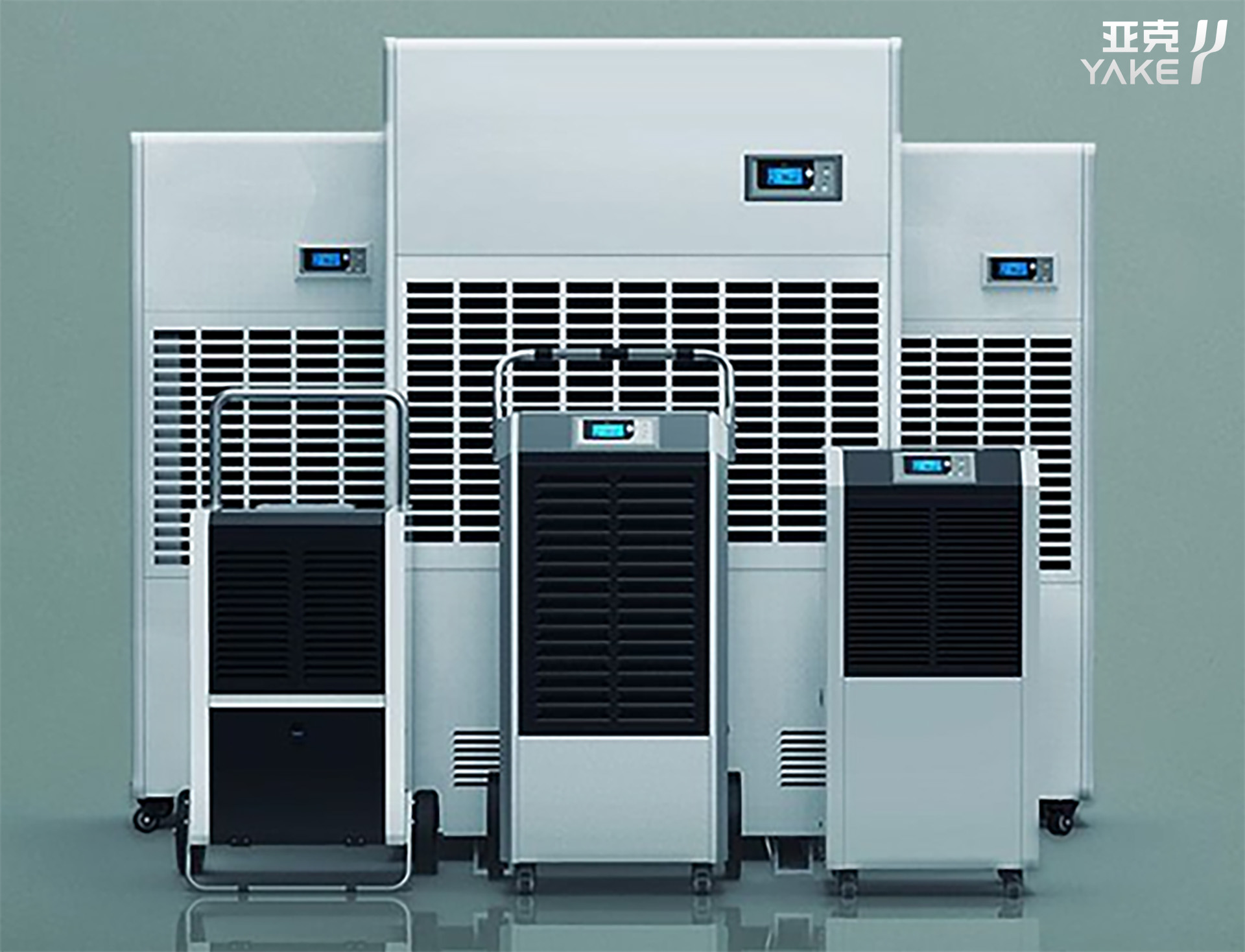
Contact us to find the best place to buy your Yakeclimate solution today!
Our experts have proven solutions to keep your humidity levels in check while keeping your energy costs low.