
Building 34, No. 535 Shunfeng Road, Hangzhou, Zhejiang, China
[email protected]
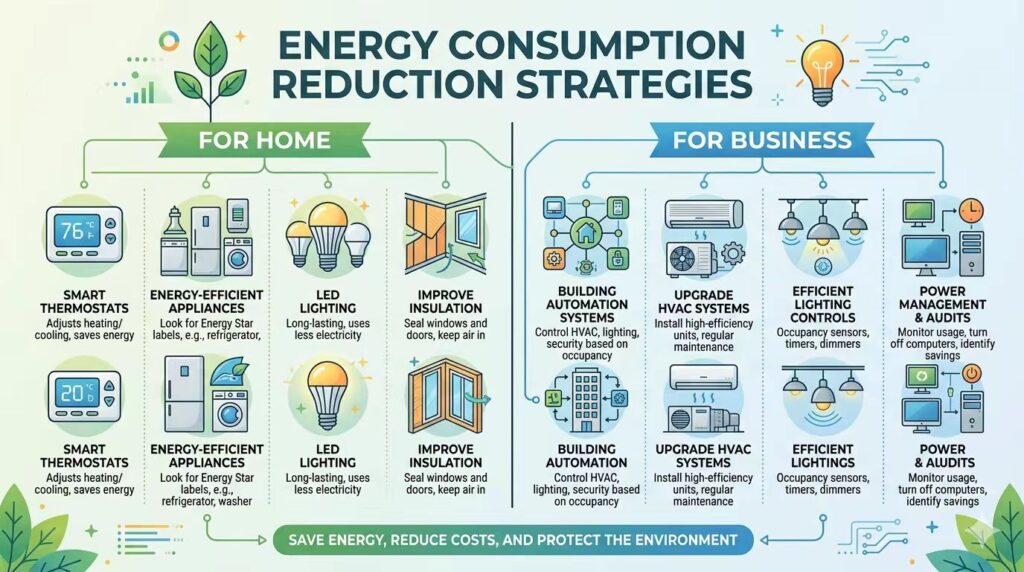

Energy consumption reduction strategies are actual measures to reduce energy used by a plant or factory. The primary ones are replacing inefficient equipment with high-efficiency units, repairing leaks in compressed air systems, and optimizing process controls. A number of teams employ smart sensors and automation to maintain a constant energy usage. Basic solutions, such as improved insulation or consistent tune-ups, contribute to cost efficiency and system reliability. In high-stakes sectors—pharma, electronics, food—reducing energy consumption preserves equipment and ensures compliance. Yakeclimate’s method connects these science-backed measures with state-of-the-art dehumidifiers that consume fewer watts, handle herculean tasks, and cut downtime. Next, test how these strategies perform in actual plants and what makes them an intelligent choice for contemporary industry.

Energy reduction is important because it is cost-saving and planet-saving. It keeps buildings and processes running smoother and costs in check. For industrial sites and homes, it reduces utility bills and emissions. Each inch you take away from your building’s energy load is an inch of comfort and health gained for the people inside!
Energy reduction is important. Utilities can consume more than a fifth of a facility’s budget and are a significant monthly expense for families. When you consume less, invoices shrink, frequently by 25 to 30 percent with minor enhancements. This is significant, particularly as electricity costs continue their ascent year over year.
Energy cuts don’t simply assist today’s bottom line. It protects businesses and families from wild swings in rates, which strike hardest during hot summers or grid stress. Going for high energy and water conservation measures, such as upgrading to efficient machines and smart climate systems, pays back over time as it leads to lower maintenance and downtime. The cash saved can be put back into the business or home.
Green jobs multiply too as everyone starts buying energy-saving equipment. From engineers designing smarter dehumidifiers to techs installing them, there is an impact on the local economy as well.
Less energy leads to less pollution. In 2016, homes were responsible for 19% of all greenhouse gases. Improved efficiency can reduce a household’s emissions by as much as a third. For factories, every kilowatt saved results in less carbon and cleaner air.
As we learned in our energy reduction lesson, switching to efficient gear and cutting waste helps slow global warming. It means fewer sulfur and nitrogen oxides, which ruin lungs and water. These changes accumulate over time, making towns and cities healthier. Because it uses renewables for power, it has a permanent effect — cleaner air for years to come.
Why Energy Reduction? Quality insulation and air systems mean more steady temperatures and less mold or dampness. This reduces health risks and provides cleaner air indoors.
Energy reduction saves more than power. It frees up cash for other necessities. Homes that pay less for power have more for groceries, pharmaceuticals, or entertainment. There’s pride too that your decisions support the planet and your family! Selecting energy-lowering actions leads individuals to a more conscious, environmentally friendly lifestyle.
Reducing energy consumption in industrial and process settings requires a combination of technical expertise and hands-on measures. Each strategy is tailored to the plant’s specific workflows and requirements. Energy audits, appliance upgrades, climate control tweaks, and smart automation all have a role to play. They reduce expenses, increase dependability, and advance sustainability efforts.
Begin with a comprehensive energy audit. Outline the power needs of your systems and appliances. Utilize energy monitoring tools for up-to-date information and past insights. This makes it easier to identify spikes and waste.
Create an inventory of equipment and prioritize it by energy consumption. Heater, motor, or compressor driven machines usually lead the ranking. Watch for phantom loads, things that sip power even when off, such as routers and network switches.
Establish real benchmarks. Utilize these to confirm gains post-upgrade or system modifications. Periodic audits provide a baseline and help demonstrate what is effective.
Replace old equipment with energy-efficient models. Energy Star-rated appliances consume less energy and have longer lifespans. We could make the same headline statement about upgrading HVAC systems or switching to LED lighting, which pays off quickly.
Keep machines tuned. Scheduled maintenance maintains efficiency and prevents failures. Consider long-run savings, not just upfront costs, when selecting new gear.
Water heating must be kept below 50℃. This retains hot showers and conserves energy. Doing laundry in cool evenings or off-peak hours saves money as well.
Install programmable thermostats. Program them to shift based on space usage. In summer, keep the AC at 26 degrees Celsius or higher. In winter, set heating to between 18 and 20 degrees Celsius.
Seal leaks in windows and doors, which halts heat loss and increases HVAC efficiency. Ceiling fans circulate air, allowing you to dial down the heat or AC.
Clean your HVAC filters regularly. Dirty filters make your systems work harder and more expensive. Blinds and curtains keep out heat or cold as necessary.
Unplug the chargers and router when the laptop is not in use. Timer or smart-controlled power strips stop vampire drain.
Educate employees to power down. That’s why it’s important to watch how many things stay plugged in. Little changes add up!
Intelligent controls operate lighting and systems whenever required. Motion sensors reduce waste by turning off lights in unoccupied spaces.
Set gear to run off-peak for lower rates. Energy management systems balance loads across devices to achieve maximum savings.
Industrial energy savings now rely on smart tools, new systems and a better understanding of people. Yakeclimate assists plant managers and engineers to reduce waste and meet sustainability targets while maintaining stringent process control. As the world’s electricity demand pivots to renewables, wind and solar will account for a minimum of 70 percent by 2050. The need to embrace sophisticated approaches has never been more urgent. Efficiency laws like those in Ohio and Wisconsin have proven that strong policy and smart upgrades deliver real savings and bring down emissions over the long run.
AI tools monitor vast volumes of energy data. They detect consumption spikes, identify anomalous patterns, and highlight where facilities waste the most energy. Predictive models help managers know when demand will rise or fall, so they can shift loads and avoid costly peaks. ML sifts through real-time sensor feeds, recommending adjustments that increase system efficiency. AI detects waste in HVAC, lighting, and production lines, providing actionable insights for upgrades. AI-driven systems in food processing, for instance, have reduced process loads by more than 10%, and factories leveraging AI analytics regularly achieve net-zero targets, with some eliminating as much as 98% of emissions.
Smart grids facilitate companies in sharing energy data with utilities. This real-time connection assists in distributing loads throughout an entire region. Local solar panels and wind turbines feed power directly to the grid, so factories can tap renewables when required. In peak times, smart grids redirect supply to maintain sites and prevent blackouts. They improve reliability, particularly in regions susceptible to power swings, and enable affordable steps toward electrification. For example, Wisconsin’s efficiency avoided power at only 3 cents per kWh, demonstrating the effectiveness of smart grid strategies in action.
Behavioral nudges, such as simple reminders, assist staff in powering down unused machines. Social norms push teams to race for less energy use. Bonus points or other types of incentives for hitting targets can reduce usage by 10% or more. Community projects, from group audits to shared best practices, propagate habits that last. Compact fluorescent bulbs, which consume 75% less power and last 10 times longer than their predecessors, demonstrate the power of small-scale interventions. These habits, coupled with technical upgrades, keep savings rich and enduring.
Driving down industrial energy use is hard. Upfront costs, habits, absence of info, and flimsy support policies frequently get in the way. Many sites fret about lost work time when they add new systems or upgrade. It allows you to identify the primary roadblock and then select the most effective solution. Yakeclimate guides teams to work through these roadblocks with best-practice technology and actionable steps.
High start-up costs prevent many from switching chronic systems. Not every garden has the budget to purchase new energy-saving equipment all at once. Financing helps spread the cost. Leasing, loans, or shared savings deals can take the sting out of upgrades. Certain areas even provide rebates for new HVAC or smart meters, making that initial bill smaller.
A crucial component is seeing beyond the sticker price. Almost all upgrades, like dehumidifiers or smart controls, pay for themselves within a few years. Plug-in power meters make it easy to identify which machines are the biggest energy wasters. Trade those first, aim for high-use spaces, and the return arrives faster. Select projects with powerful returns. For tools you use once a month, pass on the upgrade. Concentrate on what operates round the clock.
Habit change is difficult. A lot of staff don’t view energy as their responsibility. Seminars and workshops can assist crews in identifying waste, such as operating equipment when unoccupied or setting air-conditioning too low. Nothing underscores the point like sharing case studies, such as a factory that reduced its bill by 15% simply by time-shifting tasks.
Opening up discussions of energy use at all levels, from the shop floor to the executive suite, generates buy-in. Show how small steps matter: set AC above 26℃ in summer, wear lighter clothes, and save on cooling. When it’s winter, maintain the heat at 18 to 20℃ and just put on a sweater. These habits trim expenses without makeovers.
Many teams leave savings on the table because the steps sound too cumbersome. Easy-to-use guides, checklists, and short videos can demystify it. Workshops provide teams with practical methods for identifying and eliminating waste. Local governments can help disseminate these tips.
Smart meters and digital tools provide live figures, so it’s easy to monitor and benchmark usage. Social media and cloud platforms diffuse what works from site to site. By sharing best practices and joining industry groups, everyone stays up to date.
Renewable energy is central to a sustainable energy future. Solar, wind, hydropower, organic waste, and geothermal heat are virtually everywhere, and they renew themselves by nature’s cycle. They all generate few or no air pollutants and reduce the pace of global warming. For factories, renewables translate into reduced exposure to volatility, increased energy independence, and improved regulatory compliance. Renewables are already the least expensive means to generate power in most nations and could provide sixty-five percent of global electricity by 2030, reducing ninety percent of carbon emissions from the power sector by 2050.
Solar, wind, and other renewables play nice with vintage energy infrastructure. They can serve as a gap-filler when demand is high or when fossil fuel plants must throttle back. Hybrid systems, which combine renewables with batteries or other storage, provide dependable power for critical operations. These configurations ensure that devices operate regardless of whether the sun is shining or the wind is blowing. Policies that assist grid improvements or enhanced storage simplify integrating these sources and reduce expenses for plants. For example, a Southeast Asian textile plant combined rooftop solar with lithium-ion storage, reducing grid consumption by 30% and maintaining steady output. Across Europe, wind farms connected to smart grids energize precision electronics factories, cutting downtime due to outages. These projects demonstrate renewables can improve energy savings and uptime.
Generating power near where it’s consumed reduces losses from miles of wire. Local solar farms, wind turbines, and even biogas plants can empower communities to own their energy. With community solar, they purchase or lease a portion of a nearby array and receive credits on their bills. It’s effective for urban centers and far-flung rural locations. Microgrids, to wit, small renewable setups ensure critical sites, such as hospitals or data centers, do not go down if the grid does. Such systems are less likely to go dark in storms or heat waves. Homeowners everywhere start adding solar panels and batteries, shrinking grid strain and providing backup in blackouts. All those little projects do add up, as demonstrated by the distributed solar surge from 2015 to 2024.
Demand response programs help trim consumption when the grid is under the most stress. By relocating non-essential loads to off-hour periods, plants reduce expenses and relieve stress on utilities. Smart meters and real-time monitoring tools indicate to managers when to operate or suspend high-draw equipment. Working with utilities, industries can participate in demand reduction programs and receive compensation to reduce consumption during peaks. That not only saves money, it keeps the entire grid more stable. As more sites install renewables and storage, they can feed spare power back during high demand, turning users into suppliers and smoothing out big swings in usage.
Small steps to conserve water and energy have a far-reaching impact. When one plant or home cuts down, it saves the whole system from using as much. Fixing a leaking tap or taking a short shower may sound minor, but these actions accumulate. The same applies to switching to high-efficiency cooling in factories. Consider India—stronger cooling would see peak electricity demand fall by 20% in 2030. This means fewer blackouts and less strain on the grid. Now, add in habits like repairing drips and reducing lawn sizes and its effect multiplies. These measures assist in arresting the climate emergency and conserving resources for the future.
Energy savings appear on the bottom line. Recent research of more than 3,000 small and mid-sized U.S. Firms discovered that straightforward energy measures save an average of 40% of the costs. They had seen their investment return in roughly three years. It’s not just a fluke. Around the globe, industries are extracting more from less. Since 2000, for example, industries generate 20% more value per unit of energy. EU manufacturers provide 50% more value with 25% less energy. These profits translate into additional space to invest, expand, and hire. Wide acceptance translates to communities experiencing reduced costs, additional secure employment, and a boosted economy.
When enough people and companies make these changes, policy shifts too. Less energy consumption means less demand for new power plants and grid upgrades. In IEA countries alone, improved efficiency avoided the need for around 27 EJ of energy since 2000. Between 2010 and 2023, these shifts eliminated 7 gigatons of global CO₂ emissions, which is 20% of all emissions in 2023. If that’s not evidence that little changes cause large cascades in national schemes and regulations. When leaders witness tangible outcomes, they seek to establish new standards and rewards.
Maintaining energy-saving initiatives fosters a culture of care. It demonstrates that every act, even the smallest, matters. As more people participate, the rewards ripple outward. This constant drive toward efficiency is crucial for sustainability.
Reducing industrial energy consumption requires effort, not rhetoric. Small changes accumulate quickly. Smart controls, leak fixes, and running what you need are essential. Trade in outdated equipment for newer, more energy-efficient models. Heat recovery and power meters are worth trying. Solar and wind assist as well. Every step leads to less waste, lower bills, and smoother runs. These moves protect your equipment and prepare your crew for the next big assignment. Energy wins aren’t just about cost; they’re about helping your team and the world. To get a jump, begin with one solution and report back with your gang. Looking for even more aggressive savings? Contact and discuss with other pros. Trade advice, continue to educate yourself, and be prepared for what’s around the corner.
Lowering energy consumption lowers utility bills, conserves the environment and bolsters energy independence. It decreases greenhouse gas emissions.
Insert your own energy consumption reduction strategies here! These are simple, easy, energy-saving, and money-saving steps.
Green energy, such as solar and wind, supplies clean electricity. They diminish our reliance on fossil fuels and help decrease both energy usage and emissions.
Lack of information, upfront costs, and reluctance to habit change are common obstacles. Awareness and support can help overcome these challenges.
Yes, the little things when multiplied by millions of people can save a lot of energy. Everything helps to reduce aggregate consumption and environmental impact.
Not only do businesses save on their energy bills and have a reputation boost, they frequently meet regulatory guidelines. Energy efficiency can do more than reduce costs; it can help make your workplace comfortable and productive.
Indeed, energy-efficient technology is almost always a smart investment when the reduced bills and long-term savings are taken into account. It lowers your environmental footprint and boosts your home’s value.


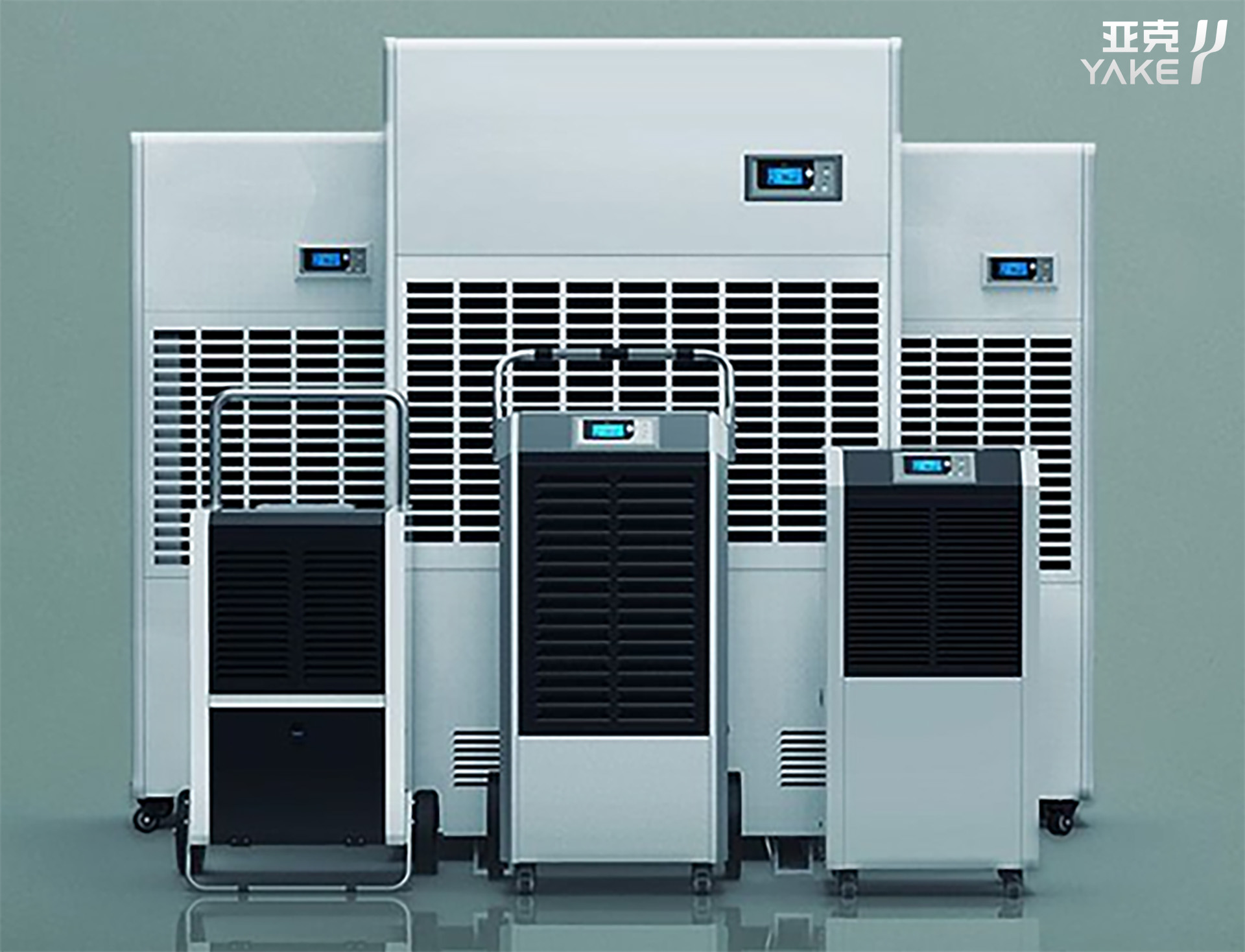
Contact us to find the best place to buy your Yakeclimate solution today!
Our experts have proven solutions to keep your humidity levels in check while keeping your energy costs low.