
Building 34, No. 535 Shunfeng Road, Hangzhou, Zhejiang, China
[email protected]


Drying room functionality is how good a room is at extracting water from air and objects within it. Drying rooms keep the air dry to protect the goods, accelerate drying and stop mould or rust. Great air flow, even heat, and industrial strength dehumidifiers define how the drying room functions. In factories, they assist with drying paint, curing food, or protecting electronics. Rooms use sensors for fine control. Many employ energy-saving systems to reduce expenses. Spotless, even drying reduces waste and makes it safe. Proper arrangement translates to less idle time and smoother work flow. Yakeclimate equipment provides consistent and powerful drying for hard tasks. Then, discover which components are most important for drying room performance and how to choose the right system for every need.

A drying room is the enclosed environment designed to reduce and maintain optimum moisture swiftly and securely. These rooms are deployed in industries from food and beverage to pharma and electronics, where precise control of humidity and heat is critical for safety, shelf life, and product quality. Drying rooms can maintain humidity levels of less than 1% RH or lower, depending on the specific requirements of the job. Automation, energy-saving technology and smart controls all contribute to increased efficiency and reduced costs.
Temperature control is the essence of drying room magic. To dry rapidly and safely, it’s critical to maintain consistent heat so that the goods don’t get overheated or dried improperly. Heat recovery means less energy loss, reducing run costs by up to 75% in comparison to traditional heat and vent installations. See the thermal gradient: hot spots dry too fast, cold ones too slow; thus, all items receive uniform treatment. Good insulation holds heat in, reduces waste, and saves you money.
Airflow, not heat, makes or breaks drying speed. Strategically positioned fans and blowers prevent the air from becoming stagnant, ensuring that moist air is expelled and dry air is circulated in. Optimizing ACH makes air fresh and dries things at the same speed. Bad air circulation results in certain items remaining damp, developing mold, or even breaking. Consider how to design your drying room airflow based on the room’s size and function.
Dehumidifiers must fall and maintain moisture as low as 1% RH. Sensors monitor wetness so they can adjust parameters immediately. Desiccant tech is perfect for rapid, thorough drying of delicate products such as electronics or pharmaceuticals. Just remember to inspect and maintain the system regularly to avoid water accumulation. Simple guidelines and inspections keep systems flowing.
Not all stuff dries equal. Certain materials, morsels, or components require slow, tender drying to remain secure and last longer. Understand what you’re drying and configure the room accordingly. Wet coats in a locker room and circuit boards in a cleanroom won’t require the same design. Drapes or covers for delicate items. The perfect marriage of drying and material leads to less waste and better shelf life.
A high-functioning drying room increases your workflow efficiency, saves time, and helps maintain product quality. The right design minimizes wasted steps and aids in maintaining a clean, organized, and energy-smart space. Drying rooms are most effective when constructed with defined spaces, intelligent material selections, and strong insulation. Every decision from layout to lighting affects how functional the room is and how expensive it is to operate.
Chunk the room into areas for load in, load out, and product check. This keeps work manageable and quick. Go for space-fitting shelves, bins, or racks for small parts. Maintain open walkways at least 900 to 1000 mm wide for safe passage of people and carts. Install controls and gauges within convenient reach, close to your primary work zones. Supplement with additional lights at work benches or inspection points, with intensity around 300 to 500 lux and a color temperature of approximately 3500 to 4000K for workers to identify details.
Choose wall panels, floors, and ceilings that repel moisture and resist mold. Aim for steel or composite shelves; they are more durable and won’t bend in high humidity. Non-toxic paints and finishes ensure that the air remains safe for both staff and products. Look into the origins of each material and where it is manufactured. Selecting recycled or low-impact alternatives minimizes your environmental impact and can assist with green ratings.
Quality insulation keeps heat and cold on their respective sides while reducing energy loss. Throw in vapor barriers to prevent moist air from creeping in. Use thermal breaks in walls and around doors to prevent heat loss at seams. Inspect insulation regularly and seal leaks quickly to reduce energy bills. Well-insulated walls and ceilings keep the drying room’s air nice and steady, which is important for maintaining the relative humidity around 40% to 50% for most work, or down to 30% to 40% for quick drying tasks if the products can withstand it.
Drying room works seamlessly with intelligent ventilation, heating, and dehumidification integration. All systems must collaborate to maintain air that is clean, stable, and dry in compliance with industry requirements. Advance preparation is essential to minimizing downtime and maintaining continuity. In numerous sectors, as much as 50% of device failures arise from inadequate moisture management, so these systems do count. Options need to align with the industry, be it electronics, pharma, or food. Smart control, automation, and craft work are required for core systems that run seamlessly, save energy, and support the environment.
Balanced ventilation exhausts stale, damp air and provides clean air. Exhaust fans remove humid air quickly, eliminating condensation and mold. Fresh air intakes introduce outside air and have to be configured to prevent excess moisture. In certain situations, you might have filters or pre-conditioners to maintain good air.
Airflow rate has to be tested and adjusted. Excess air completely wastes energy. Too little allows moisture to accumulate. With good monitoring, the room remains in compliance with specs and health and safety regulations. For instance, cleanrooms require significantly higher air change rates than general drying rooms.
Selecting the optimal ventilation configuration will be based on room dynamics, size, and drying items. For paint drying, excellent exhaust is the secret. For food, air exchange prevents odor and cross-contamination.
Finest finishes have equal heat dispersion throughout the drying space. Programmable thermostats reduce waste by heating only when needed and maintaining steady temperatures. For instance, comparing electric, gas, or radiant heating can reduce operating expenses. Radiant heaters can zone and are perfect for rooms with mixed loads or fragile products.
Certain heating systems connect to intelligent controls, coordinating heat with humidity for superior outcomes. It conserves energy by not overheating the room. For industries requiring strict control, such as pharma, this can increase compliance and reduce risk.
System selection is a function of the amount of moisture to be removed. Refrigerant units are great for 20 to 40 percent relative humidity and consume less power than adsorbents that can go below 1 percent, such as for electronics or pharmaceuticals. Energy-saving dehumidifiers reduce cost and emissions. Controls that monitor and adjust humidity on the fly maintain stability. Periodic verification and expert installation keep systems dependable.
| Technology | RH Range | Energy Use | Best For |
|---|---|---|---|
| Refrigerant | 20–40% | Moderate | Food, textiles, general |
| Adsorbent (desiccant) | <1–20% | High | Pharma, electronics |
| Hybrid | 10–40% | Variable | Flexible applications |
Drying rooms can achieve great results with the right combination of space, cycle, and energy management. Yakeclimate’s approach is centered around actions that plant managers and engineers can implement on a daily basis to maintain accurate humidity, increase throughput, and reduce costs while enabling sustainable production.
Stocking goods correctly leads to top-notch ventilation for rapid, uniform drying. Follow simple rules such as spacing items without vent coverage, placing heavier loads on lower shelves, and avoiding stacking that blocks hot spots. A simple checklist can help: check aisle width and stick to 900–1200 mm for easy cart movement, confirm airflow is not blocked, and verify each batch’s position. For bigger operations, color-coded tags for each drying batch reduce mix-ups and assist in timing. Loading density counts; if it is too tight, airflow stalls, and if it is too loose, you waste room. Best results occur when you keep the relative humidity below 60%. For heavy batches, this means 40–50% and deploying a dehumidifier when necessary.
Customize drying cycles to what you’re dealing with. Go over product specs, times, and temps per batch. With humidity sensors, you can receive real-time data and make on-the-fly adjustments. This prevents over-drying or wasted energy. Batch processing keeps you in the flow; one batch is loading while another dries. Audit historical performance and determine which cycles perform best, what cuts drying time, and what settings consume less power. Use that data to make minor adjustments that accumulate.
Save energy. Opt for variable-speed fans and demand-controlled ventilation. Capture heat recovery from exhaust and transition to LED lights with 300 to 500 lux at work surfaces, with glare control. Audit energy use frequently, seek leaks or excesses, and repair quickly. Train employees to identify waste and report it. Smart controls can help shift loads to off-peak hours, saving money with no drop in performance. Utilize 6 to 12 air changes per hour for the majority of loads and adjust according to your moisture removal.
Drying rooms go beyond the obvious technical specifications. The true worth lies in how they mold user comfort, workflow and long-term thrift. Offices and factories utilize them to keep spaces dry, simplifying life for bike and foot commuter employees and minimizing mold hazards. These rooms assist industries globally in bypassing moisture damage, reducing running expenses by up to 75 percent compared with antiquated heating and maintaining operations during soggy months. As more European companies embrace these rooms, it’s now about tuning for humans, not just machines.
With adjustable shelving, users can select the optimal height for their equipment, making the bunk more accessible to all. There are nice, clear instructions posted all over the walls to guide new users away from errors, increasing both safety and drying speed. Hearing normal user input helps polish these things, making the room a real asset.
Soundproof wall panels keep the noise down, even when fans or blowers operate at full speed. Equipment can be sited outside of traffic aisles to reduce noise. Acoustic ceiling tiles soak up residual sound so work spaces are quieter and less stressful for employees.
Verify noise levels with decibel meters every few months. Ensure they adhere to occupational safety guidelines. Renew worn panels or seals immediately to maintain robust sound control. Less noise contributes to comfort and reduces distraction, which is important in hectic industrial locations.
Go with LED strips or panel lights for intense, uniform lighting that’s more energy-efficient. Motion sensors can save power by activating lights only when people are present. Adjustable lights allow users to set brightness for different missions, like shuffling through wet gear or checking for damp spots.
Position fixtures so shadows won’t fall on critical work surfaces. Make lighting layouts flexible so you can upgrade easily. Staff can report if a bulb is out so maintenance crews can repair things quickly. This keeps spaces light, safe, and economical.
Drying rooms in pharmaceutical, biotech, or electronics industries should maintain reliability over the long term. Care and repair routines maintain these rooms in an efficient, safe, and compliant state. Regular inspections and maintenance form the basis of long-term care. A prompt response following water intrusion is critical to prevent high repair costs and mold, which can develop within 72 hours if left untreated. Dry rooms control humidity below 10%, sometimes even down to 1% RH, to arrest mold growth and preserve materials. Regular dehumidification protects fragile equipment and avoids expensive outages.
| Area/Equipment | Cleaning Frequency | Cleaning Agent | Responsible Party |
|---|---|---|---|
| Floors & Walls | Weekly | Neutral detergent | Janitorial Staff |
| Air Ducts & Filters | Monthly | HEPA vacuum | Maintenance Team |
| Dehumidifiers | Bi-monthly | Mild disinfectant | Trained Technician |
| Work Surfaces | Daily | Isopropyl alcohol | Operators |
| Storage Shelves | Bi-weekly | Non-abrasive wipe | Facility Staff |
Clean them only with sensitive-material safe cleaners. Deep cleaning gets rid of dust or residues that clog airflow and lead to system strain. Educate everyone — operators, cleaners and techs — on how to clean in a way that increases the room’s hygiene without damaging the equipment.
Drying rooms are at risk for humidity spikes, filter clogs, or sensor drift. These result in mold, damage to material, or regulatory violations. Know what to do for long-term care and repair: reset controls, replace filters, adjust setpoints, or recalibrate sensors. Have spare parts waiting for all critical systems. Employees should be trained to identify repair and maintenance red flags, like musty odors or condensation, and know the correct people to contact for repairs. This keeps downtime short and prevents minor issues from becoming major, expensive repairs.
Drying rooms function optimally with consistent airflow, regulated heat, and precise controls. Clean air leads to less mold and rust risk. Quality equipment trims energy consumption and simplifies maintenance. A robust setup assists in maintaining strict specifications per batch or shift. In food, paint, or pharma, little adjustments in temperature or humidity show up immediately in the final product. A well-planned layout makes the workflow smooth and reduces time lost to fixes. Yakeclimate systems fit many sizes and have easy-to-understand controls. Tech teams can exchange parts quickly. To improve your drying room, scan your equipment and find places to conserve energy or increase velocity. Contact us for a drying room that suits your plant and your objectives.
Drying room that would dry the clothes, equipment, or crops. We employ dry technology to enhance drying using controlled temperature, air flow, and humidity, which quickens the drying process and protects against mold and damage.
Basic stuff ventilation, temperature, and humidity control. Built-in drying room accomplishment.
Try energy-efficient fans, keep it insulated and watch the temperature and humidity! Drying room functionality automated controls minimize energy consumption while preserving perfect drying conditions.
Great airflow means that moisture is wicked away evenly and rapidly from every item. This helps avoid damp spots, decreases drying time, and minimizes the possibility of mold or mildew.
Periodically clean filters, examine system controls and look for leaks or mold. Regular maintenance prolongs appliance life and keeps your drying room operating smoothly.
Yep, drying rooms can be customized with controllable temperature, humidity, and airflow. These drying rooms provide the best possible drying of anything from your clothes to fragile things.
Fit fire detectors, have no flammable materials in the room, and have the electrical systems up to code. Routine security inspections avoid disasters!


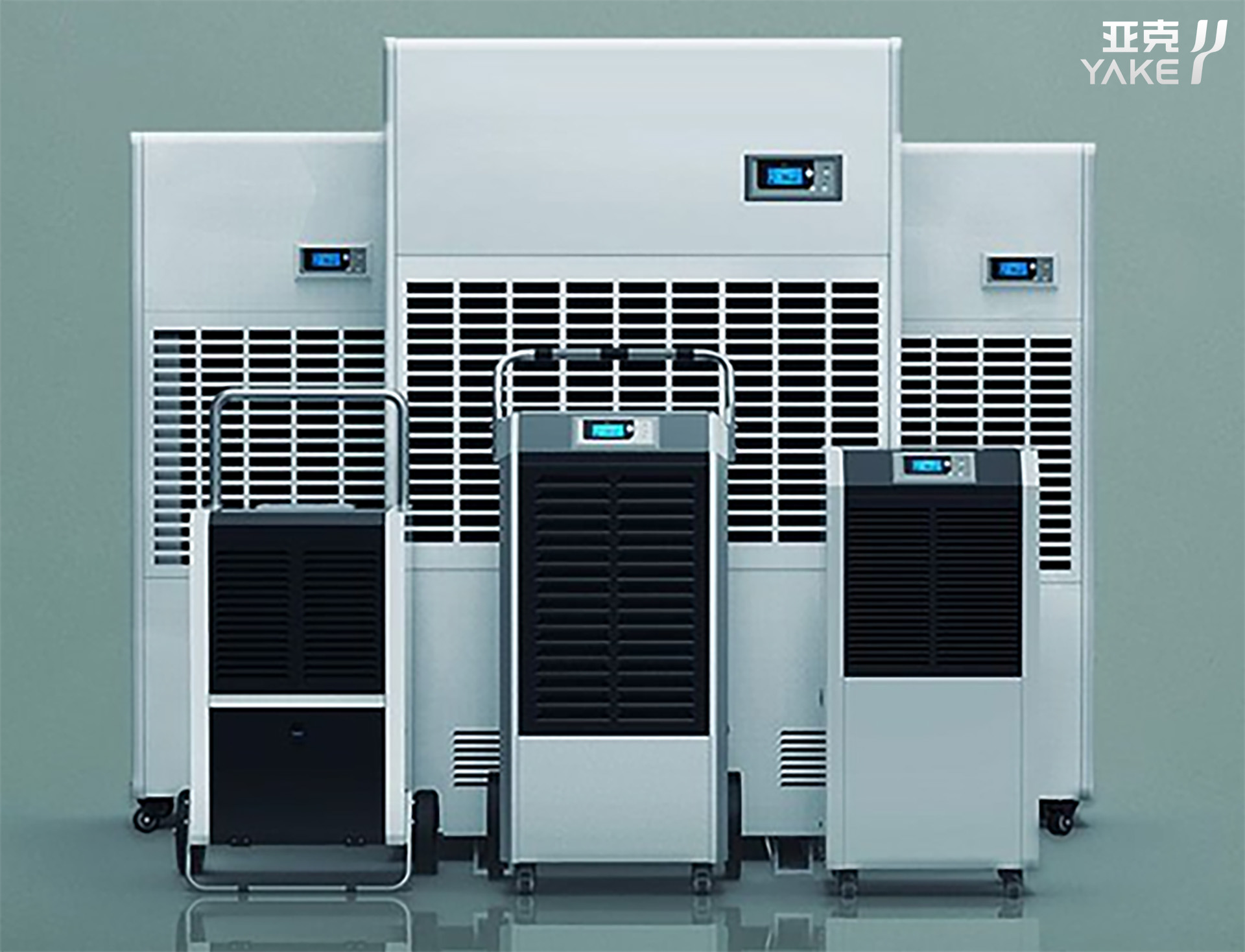
Contact us to find the best place to buy your Yakeclimate solution today!
Our experts have proven solutions to keep your humidity levels in check while keeping your energy costs low.