
Building 34, No. 535 Shunfeng Road, Hangzhou, Zhejiang, China
[email protected]


Crawl space humidity control ventilation means using fans or air systems to keep moisture at safe levels in the crawl space under a building. High humidity in crawl spaces may result in mold, wood rot, and poor indoor air quality. To maintain dry spaces, many employ exhaust fans or mechanical ventilation that exchanges humid air inside with drier air from outside. Certain systems are also compatible with dehumidifiers for additional control. The setup you should choose varies based on size, climate, and building type. Great airflow helps protect your structure and reduces the risk of pests and musty smells. Next, learn to select the ideal solution and install effective ventilation in any crawl space.

Crawl space humidity is a silent killer for homes in most climates. Uncontrolled, high humidity in this space can cause problems not just for building integrity, but for health, comfort, and expenses as well. It is important to proactively manage your crawl space’s humidity with proper ventilation to keep homes safe and efficient.
Moisture in crawl spaces soaks into floor joists, beams, and subflooring. Wet wood deteriorates and eventually becomes susceptible to rot. This results in soft spots or even sagging in floors, which is a big repair. Mold adores humid, shadowy spaces. If mold sets in the crawl space, it seeps to walls, floors, and even furniture throughout the entire home.
High humidity can corrode concrete, causing cracks and foundation shifts. Ignoring these issues can damage your home’s value and safety over time.
As much as 40% of the air you breathe on the first floor enters through the crawl space. If this air is laden with mold spores, dust, or other pollutants, they find their way into your living space. Humidity exacerbates these issues, allowing mold to flourish and propagate.
When air in the crawl space stagnates, it can absorb odors and allergens. Optimizing crawl space ventilation flushes out these toxins, keeping your home’s air cleaner and safer for all, especially allergy and asthma sufferers.
With high humidity, your HVAC has to work harder to keep the home cool, particularly during summer. That means steep energy bills. With the right crawl space ventilation and moisture control, you can reduce energy consumption. Lower humidity helps your cooling system run more efficiently, which results in real monthly savings. Even incremental improvements will appear as reduced power bills down the road.
A moist crawl space is an inviting location for unwanted visitors such as termites, ants, and rodents. These creatures are attracted to wet, shadowy corners and will munch on insulation and wood. Maintaining low humidity renders your crawl space unappealing to pests and can prevent infestations before they begin.
A dry, well-maintained crawl space increases your home’s value. Buyers smell the mildew or mold and walk away. Standard crawl space inspections are savvy during any sale. That makes adding ventilation or a moisture barrier a smart investment to keep your property safe.
An insightful crawl space inspection is vital for identifying moisture concerns early and keeping your home energy-efficient and healthy. Frequent inspections identify issues before they grow and promote lasting structural integrity and improved air quality. Recording every inspection provides you with a record of what has changed, if anything, over time and underscores the importance of immediate repair when problems are identified.
Begin by examining all crawl space surfaces for any obvious water damage. Wet patches, stains or mold on masonry block or concrete stem walls may indicate moisture. Foundation cracks or wall gaps can allow water to leach in, especially in areas with bad grading or drainage, which is true for more than 60% of crawl spaces with moisture problems. Compromised insulation, damp or sagging, typically indicates excess humidity. Get a flashlight and examine every corner, even around ducts and pipes. Ensure that all vents are clear of any leaves, dirt or debris. Blocked vents inhibit airflow and exacerbate humidity accumulation. Notice if any of the materials are beginning to deteriorate, particularly wood rot, which can initiate as soon as moisture levels rise above 17%.
Musty or earthy odors usually indicate concealed mold, mildew, or lurking rotting matter. Strange smells, such as ammonia or rotting, can indicate pests or decaying insulation. Odor tends to be the early indicator before the eye detects any problems. By monitoring your odor over time, you’ll begin to notice patterns or persistent issues and evaluate whether previous repairs or moisture management efforts have been successful. Immediate attention to get rid of the stinky stuff is crucial for maintaining healthy indoor air, particularly because crawl space air can actually co-mingle with air in the home.
Put digital humidity sensors in the crawl space so you can see real-time moisture levels. Set alerts if humidity is above 55 percent, as anything above 60 percent will lead to rapid mold growth, wood rot, and dust mites. Compare readings over months or years using a log, which helps you spot seasonal patterns or the effects of repairs. Smart sensors can send updates to your phone, so it is easier to detect issues and take immediate action. For deep diagnostics, check out air sealing, ductwork, and combustion air planning. For access openings, maintain at least 18 by 24 inches for quick entry and regular monitoring.
Crawl spaces can trap moisture, which may cause mold, rot and indoor air quality issues. Selecting the appropriate ventilation strategy is crucial for safeguarding the structure and its inhabitants. Both vented and sealed crawl space strategies have distinct advantages and disadvantages that align with various climates and construction requirements.
Consider your home’s location, construction and moisture sources. In mild, dry climates, vented crawl spaces may be acceptable. Humid or mixed climates are best served by sealing with vapor barriers and active dehumidification. Inspecting at least once or twice a year helps you catch early signs of trouble.
Vented crawl spaces utilize outside air to reduce indoor humidity either through vents on the crawl space walls or by mechanical fans. It works best where outside air is dry and mild most of the year. Fans can accelerate the process and help control moisture, particularly in spaces susceptible to mold or wood rot.
Running crawl space ventilation fans year round in humid climates can eliminate damp accumulation. Outdoor air in wet or cold weather can exacerbate humidity and freeze pipes or other utilities. Others employ solid piping to funnel air into a roof-mounted fan that expels moist air out, clearly not into the building.
Installation and maintenance of these systems frequently requires special training, particularly for confined crawl spaces. It costs around $2 to $4 per square foot, depending on what is in the crawl space and how accessible it is. Regular inspections are essential for maintaining the system’s functionality.
Sealed crawl spaces keep out outside air and water. A vapor barrier over the soil and lower walls prevents moisture from rising from the ground. Encapsulation can help prevent mold and pests, and it will often lower your heating and cooling bills.
This technique performs adequately in humid or mixed climate regions. It maintains the crawl space dry and stable throughout the year and frequently requires a dehumidifier to manage residual humidity. Dehumidifiers should be sized to the space and checked regularly for optimal results.
It may be more expensive initially to seal a crawl space, but you get improved air quality and less ongoing maintenance. This method might require confined space training to install safely.
Modern crawl space humidity control combines multiple technologies that have all been shown to have a part in addressing moisture and air quality problems. These not only help prevent mold and musty smells but purify the air by removing carbon monoxide. In most instances, they deliver whole-home ventilation and can be integrated with smart controls for hassle-free control. Here are the main benefits of dehumidifiers and vapor barriers in crawl space moisture management:
A vapor barrier prevents ground moisture from wicking up into the crawl space. Utilize a high quality, heavy gauge plastic sheet—usually polyethylene—that shields the floor and, if able, the bottom portions of walls. Always select premium material that isn’t going to rip or degrade quickly. Right installation means overlapping seams, sealed edges, and taping holes around pipes or wires. This helps stop pockets where water vapor can creep in. Inspect the barrier every several months for punctures or worn areas. Cover or repair holes to maintain the shield effect. It matters most in sealed crawl spaces, where a thorough seal prevents outside air and water from entering.
A crawl space dehumidifier maintains humidity at bay throughout the year, not just during spring or summer when it appears to be most dank. Select a model to fit your crawl space’s size and average humidity. A few units feature smart controls and mobile app checks, allowing you to monitor and adjust settings from anywhere. Dehumidifier: Always position the dehumidifier with good airflow and drainage to prevent stagnant water. Monitor humidity via its sensor to adjust settings when necessary. Simple maintenance, like filter cleaning and ensuring no blockages, will keep your unit running strong. These measures prevent stealth mold, odors, and air quality problems.
When water accumulates, a sump pump is the most efficient way to get it out quick. Position the sump pump in the lowest point of your crawl space. Work with the pump of a proper size. Test the pump every season so it kicks in on cue when water rises. For security, consider a battery backup or dual power system so it operates during blackouts or storms. This safeguards your crawl space from flooding, which goes a long way in maintaining low humidity and prevention.
A whole-home humidity system balances moisture throughout an entire home, not only the crawl space. Humidity problems may begin in one location but quickly proliferate due to air and moisture migration. A well-designed integration of all the parts, crawl space, attic, and living zones, maintains relative humidity between 40% and 50%. This range reduces mold and dust mites and makes people feel comfortable.
Inside a home, warm air rises, sucking crawl space air in. This is what’s called the stack effect. It means humidity from the crawl space can travel up and impact the rest of the house. When warm air leaks through the roof or attic, it sucks in new air from underneath. This can exacerbate humidity issues if your crawl space or basement is moist.
Designing ventilation to utilize the stack effect can assist. Low vents in the crawl space and higher ones in living spaces or the attic direct air to flow up and out, carrying humidity with it. This system relies on natural pressure differentials to increase airflow, which aids in drying wet areas.
Air-stingy, energy efficient houses can experience even more pronounced stack effect. This causes upper floors to have high relative humidity, thereby leaving the air sticky and uncomfortable. Tracking these trends aids in savvy system planning.
The Whole-Home Humidity System Without it, heat and moisture can become trapped, raising indoor humidity and leading to mold or structural concerns. Attic fans and ridge vents, for instance, are typical solutions that circulate air to prevent heat and moisture from stagnating.
The ideal vent size and type depends on your climate and house size. Continuous monitoring with humidity sensors keeps attic conditions in check. When attic and crawl space systems coordinate, your entire home is drier and more stable.
On the cutting edge of humidity is smart technology for effortless control. Smart controls connect sensors, dehumidifiers, and fans, operating them only as necessary. With some of the systems, you can program settings, allowing homeowners to finely adjust moisture levels.
Remote monitoring sends alerts or lets you adjust settings in apps. Some higher-end systems tap into existing HVAC, but that might require professional duct work, which frequently increases installation by 4 to 8 hours and costs between $1,500 and $4,000 up front, with annual operating costs upwards of $500. With a 2.5 to 3.0 coefficient of performance, whole-home dehumidifiers use heat from inside air to reduce electricity. Maintaining humidity in the 45 to 55 percent range helps prevent health risks such as asthma, virus transmission, and radon.
Crawl space humidity control is not always easy. Lots of problems lurk beneath the surface, so knowing when to call an expert can save time, money, and stress. Whether you’re a homeowner or a property manager, be on the lookout for signs that indicate bigger issues, scope the problem, and understand when more advanced help is needed. Not every problem can be seen or simply dealt with on your own.
Know what to look for to detect signs of lingering moisture. A crawl space that remains damp or moisture that reappears after minor repairs is an indication of a more serious issue. Humidity readings over 50 to 60 percent aren’t normal and can cause mold, wood rot, or structural damage. Standing water or pools in the crawl space even once the rain has ceased are obvious indications that drainage or waterproofing is breaking down. If you detect musty odors or warped wood or see signs of infestation, these are red flags that require fast attention. Sometimes the crawl space looks fine from the hatch, but this perspective tends to overlook lurking issues. It’s smart to call an expert for an inspection if you have concerns about what’s going on underneath your home.
Knowing when to call in an expert. Issues like broken vents, sagging insulation, or shifting soil are hard to detect without the proper training. Soil and foundation move over time, which causes vents to lose their seal or break. DIY fixes can simply mask the underlying issue or overlook greater dangers. For instance, repairing a vent without inspecting for leaks means you won’t fix the moisture problem. An expert can provide a comprehensive evaluation and identify the underlying cause, not just the symptoms.
When it comes to expert fixes like encapsulation, drainage upgrades or major repairs, you need a specialist. Crawl space encapsulation is a specialized task that requires meticulous sealing, moisture barriers and occasionally new drainage. Most people treat only part of the problem, adding a fan or dehumidifier but do not check waterproofing. This is why they do such a poor job. An expert has the training and the proper equipment to manage these intricate projects.
Professional visits are recommended even if no obvious issues exist. This is particularly so if you are purchasing a home with a crawl space. Early inspections can identify minor problems before they become major, saving cost and maintaining a healthy environment. If you ever feel uncertain or the system simply doesn’t feel right, a quick call to a pro can provide peace of mind and a clear plan.
To reduce humidity and maintain healthy air, proper crawl space maintenance is a must. With quality air flow and the proper equipment, mold and musty odors are a thing of the past. Easy inspections, such as wet patches or strange odors, assist in detecting issues in their infancy. Fans, vents, and pro-grade gear like dehumidifiers keep the zone arid. A whole-home system keeps things steady, not just beneath your dwelling but in every room. If funky odors and damp spots linger, bring in a pro. They know what to look for and they fix problems quickly. For drier air and safer homes, small steps pay big dividends. Want to know more or need a hand getting started? Connect with a trusted professional and get your crawl space in line.
The best crawl space humidity ranges from 40 to 60 percent. This range prevents mold, mildew, and structural damage.
Buy an inexpensive digital hygrometer to monitor levels. Position it in the middle of your crawl space for the best results.
Either way works, but the optimal solution is climate dependent. Ventilation is effective in dry climates and sealing and dehumidifying is effective in humid ones.
Search for musty odors, mold, wet insulation, or twisted wood. These symptoms indicate that humidity is excessive and must be managed.
Yes, dehumidifiers work wonders. They vent excess humidity from the air, which diminishes the potential for mold and damage to the structure.
Reach out to a pro if you observe ongoing dampness, apparent mold, or if do-it-yourself fixes fail to resolve the issue.
Yes, a whole-home humidity system can condition the air wholly in your home, including the crawl space, for balanced moisture.


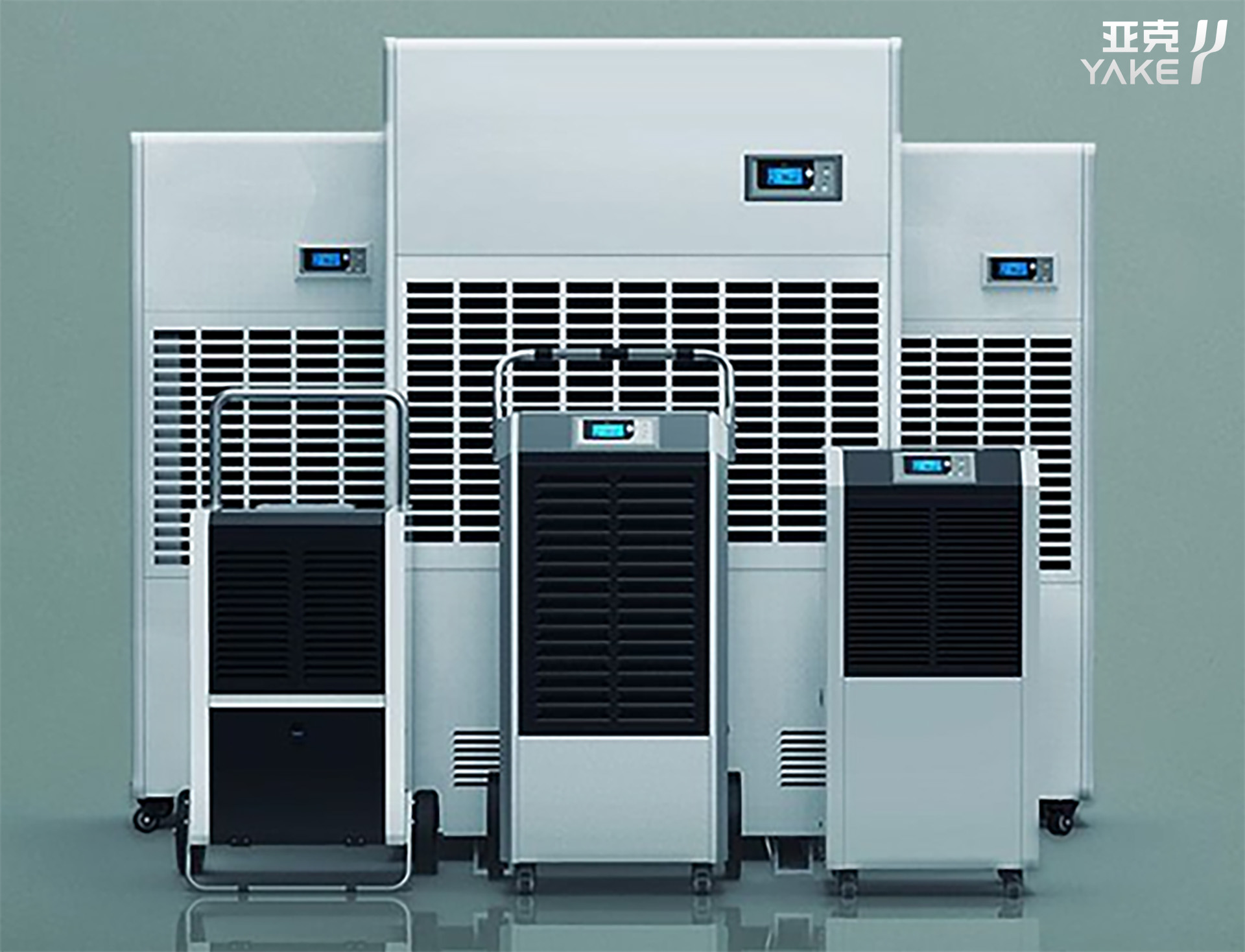
Contact us to find the best place to buy your Yakeclimate solution today!
Our experts have proven solutions to keep your humidity levels in check while keeping your energy costs low.