
Building 34, No. 535 Shunfeng Road, Hangzhou, Zhejiang, China
[email protected]
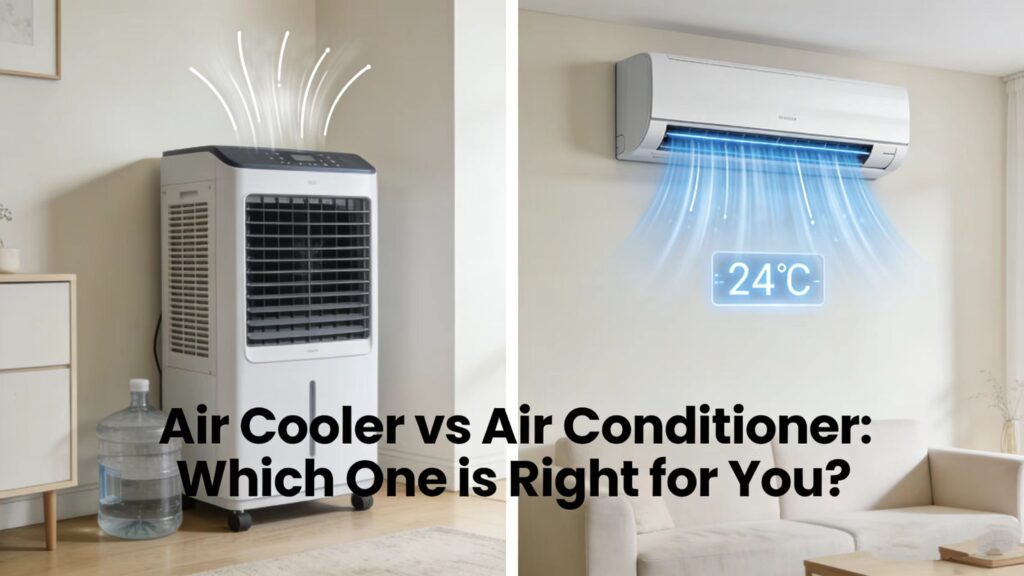

Air cooling vs air conditioning are two different methods of cooling indoor air. Air cooling typically employs fans or evaporative coolers to circulate air and cool heat. Air conditioning employs a sealed system and refrigerants to extract heat internally and transfer it outside. Both are powerful for indoor farms, greenhouses, and closed rooms. Fans and coolers consume less energy, while air conditioning provides greater control over temperature and humidity. Both require routine maintenance for optimal output. Choosing the right one depends on crop requirements, climate, and your energy consumption preferences. The following sections explain how each operates, their advantages and disadvantages, and tips to select what suits your cultivating area.

Both air coolers and air conditioning units cool rooms, but their approaches, effectiveness, and implications can vary significantly based on factors like climate, energy consumption, and room size. The table below provides a quick comparison of how they compare.
| Feature | Air Coolers | Air Conditioning Units |
|---|---|---|
| Cooling Mechanism | Evaporative (water-based) | Refrigeration (compressor-based) |
| Efficiency Level | High in dry climates | High in any climate |
| Humidity Impact | Adds moisture | Removes moisture |
| Energy Consumption | Low (80-90% less than AC) | High |
| Eco-Friendliness | No CFCs, low carbon footprint | Uses refrigerants, higher impact |
| Maintenance | Daily water refills, regular clean | Tune-ups, filter changes |
| Cost | Low purchase and running costs | Higher upfront and running cost |
Air coolers use a fan to pull warm air through moist pads, allowing water to evaporate and cool the air that gets blown into the room. This natural cooling works best when the air is dry. Air conditioners use a closed loop with refrigerant, pulling heat out of the room and expelling it to the outdoors. This allows them to maintain a stable temperature regardless of outdoor humidity.
Humidity is the key. Air coolers add humidity, which is good for dry areas but can feel muggy in humid regions. Air conditioners do the reverse; they suck moisture from the air as they cool, which makes them good for muggy air. Airflow is important as well. Air coolers provide a direct breeze, while ACs diffuse air throughout the room.
Air coolers really shine in dry climates where they add moisture and make the air feel cooler. In humid locations, they can make rooms feel sticky. Air conditioners dry the air as they cool, which inhibits mold and moisture development in humid areas. Maintaining appropriate humidity is important for health because both excess and low humidity can lead to breathing and/or skin issues.
Air coolers add moisture, which is beneficial for those who suffer from allergies or dry skin. They do catch a lot of dust and pollen, but they require cleaning. Air conditioners can circulate dust or allergens if filters are not clean. With either system, good ventilation is important to keep the indoor air fresh.
Air coolers perform well in hot, dry environments such as the desert or similar arid regions. ACs are better for tropical and humid areas. Weather trends can influence the decision. In mildly mixed climates, portable air coolers could suffice for some of the year, but ACs become the safer choice when humidity gets high.
Air coolers could drop temperatures by 5°C to 7°C (10°F to 13°F) inside a room, but that varies with air dryness. Air conditioners can plummet temperatures far lower and maintain them no matter the conditions. Room size, insulation, and user needs all impact cooling performance. For those wanting a drastic change in temperature, air conditioners might be more their speed.
Cooling figures prominently in comfort and cost structures, particularly in locations such as residences, corporate offices, and data centers. In the battle between air cooling and air conditioning, cost is typically the primary consideration for both new purchasers and ongoing consumers. Here’s a quick cheat sheet comparing the upfront price, running costs, and maintenance of air coolers and air conditioners.
| Feature | Air Coolers | Air Conditioning Units |
|---|---|---|
| Initial Investment | Low to moderate | Moderate to high |
| Running Costs | Low | High |
| Maintenance Needs | Simple, low-cost | Complex, higher cost |
| Cost-Effectiveness | High (hot, dry) | Moderate to low |
Brand name usually upends the cost. Famous brands ask a premium for the perceived dependability and after-sales service. Portable air coolers are a fraction of the price of installing a stationary AC system, which may require additional work such as ducting or wiring. Off-season or big sales will bring prices down, but they will be driven up again by summer demand.
Running air coolers consume lower energy. With five 100 watt fans running eight hours a day during July, that’s roughly $14.40 a month. This is calculated by taking 500 watts multiplied by 8 hours multiplied by 30 days divided by 1000 multiplied by $0.12 per kWh. Air conditioners require a lot more energy. A 120,000 BTU (10-ton) AC consumes roughly 36 kWh per cycle, which amounts to a bit more than $5 per usage at $0.16 per kWh. Efficiency ratings count here. Units with high ratings lower the bills, but daily use, room size, and temperature setting alter the equation. Air coolers are cheaper to use in peak summer, but they are less effective if humidity is high.
Cooling systems influence energy consumption, emissions profile, and sustainability strategies of buildings and cities. Air conditioning and air coolers manage heat very differently, and this has implications for their environmental footprint.
Air conditioners consume a heavy load. This requirement connects to elevated emissions from power plants, particularly in regions where fossil fuels are prevalent. According to the International Energy Agency, emissions from cooling can triple by 2050 if trends persist. High energy use drives global warming and climate change. Air coolers, by contrast, consume significantly less power and use much simpler mechanics, which makes them a more environmentally friendly option where the climate is appropriate.
Modern tech such as inverter compressors, smart thermostats and higher energy standards can reduce energy consumption for both systems. These upgrades can translate to reduced power bills and emissions. For many users, moving to efficient models or air coolers for lower needs actually reduces long-term costs.
Nearly all a/c units employ HFCs. HFCs are hundreds to thousands of times worse global warming pollutants than CO2. When these leak during operation or disposal, they contribute 720 million metric tons of CO2 equivalents annually. Air coolers operate without chemical refrigerants and use water and air as alternatives.
Certain new AC units now employ natural refrigerants, such as ammonia or propane, which are significantly less harmful to the climate. These options assist in reducing the carbon footprint. Regulation and safety standards can restrict where and how they are utilized. International agreements, including the Kigali Amendment to the Montreal Protocol, drive towards the phase-out of HFCs, which protects the climate. Selecting systems with green refrigerants or utilizing air coolers when feasible reduces environmental threat.
Are you air cooled or air conditioned? It makes a difference in life! Depending on where these systems fall into in the home or workspace modifies comfort, noise, maintenance, and even air quality. Both have their advantages and disadvantages, disrupting habits across the globe.
Air coolers tend to emit a gentle hum from their fan and water pump. Such background noise could easily drown in a hectic household or open workspace. By comparison, ACs, particularly older or window units, can be quite loud with compressors cycling on and off. Some of the newer split and ducted models are quieter, but that sound is still there, particularly at night.
People who require silence for sleep or work tend to be most concerned about noise. Others will opt for super silent inverter ACs or hi-tech air coolers that absorb the noise. Noise tolerance is an individual thing. A few people will swap a little extra din for better cooling; others want the tranquility.
It’s simple to observe air coming from a vent cooler or AC. Air coolers blow a direct, damp breeze that is like sitting by an open window on a blustery day. This is nice in arid locations, where the additional humidity is a benefit. AC units disperse dry, cold air that cools a room quickly but does not travel far.
For those who like a direct breeze, air coolers may fit the bill, particularly in dry areas. Users in muggy regions or bigger spaces frequently think AC’s consistent, managed air feels better. The intensity and direction of the air flow are important, as some like it blowing directly on them while others enjoy a slow, soft breeze.
The vast majority of air coolers are plug and play. Simply fill the water tank, plug them in and position where desired. This is fantastic for renters or for anyone who moves frequently. Air conditioners, however, require more foresight. Wall units and ducted systems typically need expert installation that can be time-consuming and more expensive.
Portable ACs are simpler to set up and still require an exhaust hose to expel warm air. Fixed ACs are ideal for larger areas and established residences, whereas air coolers are perfect for compact rooms and those who like to transport their units.
Myths about air coolers and air conditioning influence the way people select, operate, and service air conditioning units. Separating these two is vital to making smart, economical choices as energy efficiency ratings and health consciousness increase on a global scale.
No, fans and air coolers are not the same. When a fan whips air around a room, it makes you feel cooler by increasing sweat evaporation, not by reducing air temperature. Air coolers utilize a water-based process known as evaporative cooling. They pull warm air across wet pads, which cools the air as it passes through the space. You can feel this temperature drop, particularly in dry regions.
They want to debunk common myths such as air coolers work best in low humidity locations. For instance, in dry climates, an air cooler can decrease indoor temperatures by a few degrees Celsius, providing comfort without the high energy consumption of ACs. A fan, by contrast, simply blows around the warm air that’s already there. Air coolers provide slight humidity to the air, which is great for combating dryness and more comfortable than just having a fan.
People think air coolers just circulate air like fans. The physical cooling process they employ makes all the difference. This renders their cooling more tangible and functional in some climates.
Sometimes air coolers beat ACs. In dry, hot locations, an air cooler can actually consume a small percentage of the electricity of a conventional AC. This pulls operating costs down, particularly in regions where electricity is expensive. Air coolers have a smaller carbon footprint too. They sidestep refrigerants used in traditional AC units and use less power.
A/C isn’t always the answer. For open areas or rooms with ample air currents, ACs operate less efficiently and can squander energy. Air coolers, which are great if you have open windows, can be even more effective and cheaper. A lot of people believe that closing vents in unoccupied rooms helps save energy, when in reality it can make an AC system inefficient. Changing filters every 1-3 months and annual pro checkups are good for both systems.
Some fear that air coolers might lead to respiratory problems. The majority of such health issues arise from inadequate maintenance, not the technology. Coolers, if cleaned regularly and the water changed frequently, are not a bacteria or mold breeding ground. Proper care, such as rinsing the pads and emptying stale water, maintains the air’s safety.
Air coolers’ humidity can help prevent dry skin and throat issues, often experienced with air conditioning. Science proves that moderate humidity, which air coolers maintain, is good for your respiratory system by minimizing airborne dust. As long as you take proper care of them, air coolers are safe for your home, including for kids and the elderly.
An air cooler versus an air conditioner comes down to you, your space, and your budget. Air coolers and air conditioners operate differently, so the ideal match depends on your climate and intended use. Air coolers cool air by using water to reduce the temperature and work best in dry climates. They do not lower humidity, so if you live in a humid area, they may not be the best option. Air conditioners can cool and dehumidify the air, which makes them superior for hot, sticky places or rooms that are closed most of the time.
It really depends on the room size. For wider or open spaces with in and out foot traffic, air coolers are a solid choice. They’re less energy intensive and easier on the wallet, both at purchase and in use. Air conditioners are most effective in compact, sealed rooms when you require immediate, intense cooling. They can deal with a lot of heat and humidity, but they consume more energy and are more expensive in the long run. If you live where the power is shaky, air coolers are much less likely to bug you.
When it comes to energy consumption and environmental impact, air coolers are ahead. They consume far less electricity and don’t use refrigerants, which can be more environmentally friendly. These factors make them a strong option if you’re looking to reduce your energy bills or carbon footprint. Air conditioners are more powerful, but they will increase your energy bill, particularly if you run them for long hours.
Maintenance is something else to consider. Air coolers require their water tanks to be cleaned and refilled, in addition to regular inspections to prevent mold. Air conditioners require filter changes, coil cleaning, and occasionally professional servicing. Your maintenance comfort can assist.
Checklist for picking the right option:
Both air cooling and air conditioning have obvious trade-offs. Air cooling slides in easily for tight budgets and plays best in dry zones. Air conditioning provides greater control and immediate cooling of air, but it consumes more energy and is pricier. Either way, it defines the mood of a room — from a fresh draft to crisp, cold air. Price, power usage, climate, and comfort considerations all come into play. Some of you want a cool blast. Others just want to take the bite out of a hot day. Worldwide urban centers have both in service, from fans in Mumbai to AC in Berlin. To discover your fit, evaluate what’s most important. Want additional assistance or information? Contact our team for custom advice for your space.
Air cooling relies on evaporating water or wind to reduce air temperature. Air conditioning uses refrigerants to cool and dry the air. Air conditioning tends to be better in high humidity.
Air coolers consume less power than air conditioners. This makes air cooling more energy efficient and cost-effective for moderate climates.
Air cooling is not as effective in humid environments as it introduces moisture to the air. Air conditioning eliminates the humidity and is therefore better suited for it.
Air coolers are typically simple to maintain and easy to install. Air conditioners require expert installation and servicing, which adds to the expense.
Air coolers consume very little energy and have an extremely small carbon footprint. Air conditioners consume much more energy and refrigerants that can be more harmful to the environment.
Air conditioning can dry you out a bit, of course, because it lowers the indoor humidity. Air coolers can add to the humidity and are a great spreader of allergens if not cleaned often. Both systems need to be well maintained for healthy air.
Air coolers are typically cheaper to purchase, operate, and maintain. Air conditioners are more expensive both upfront and in terms of operating costs, but offer more powerful cooling when you’re dealing with searing heat.



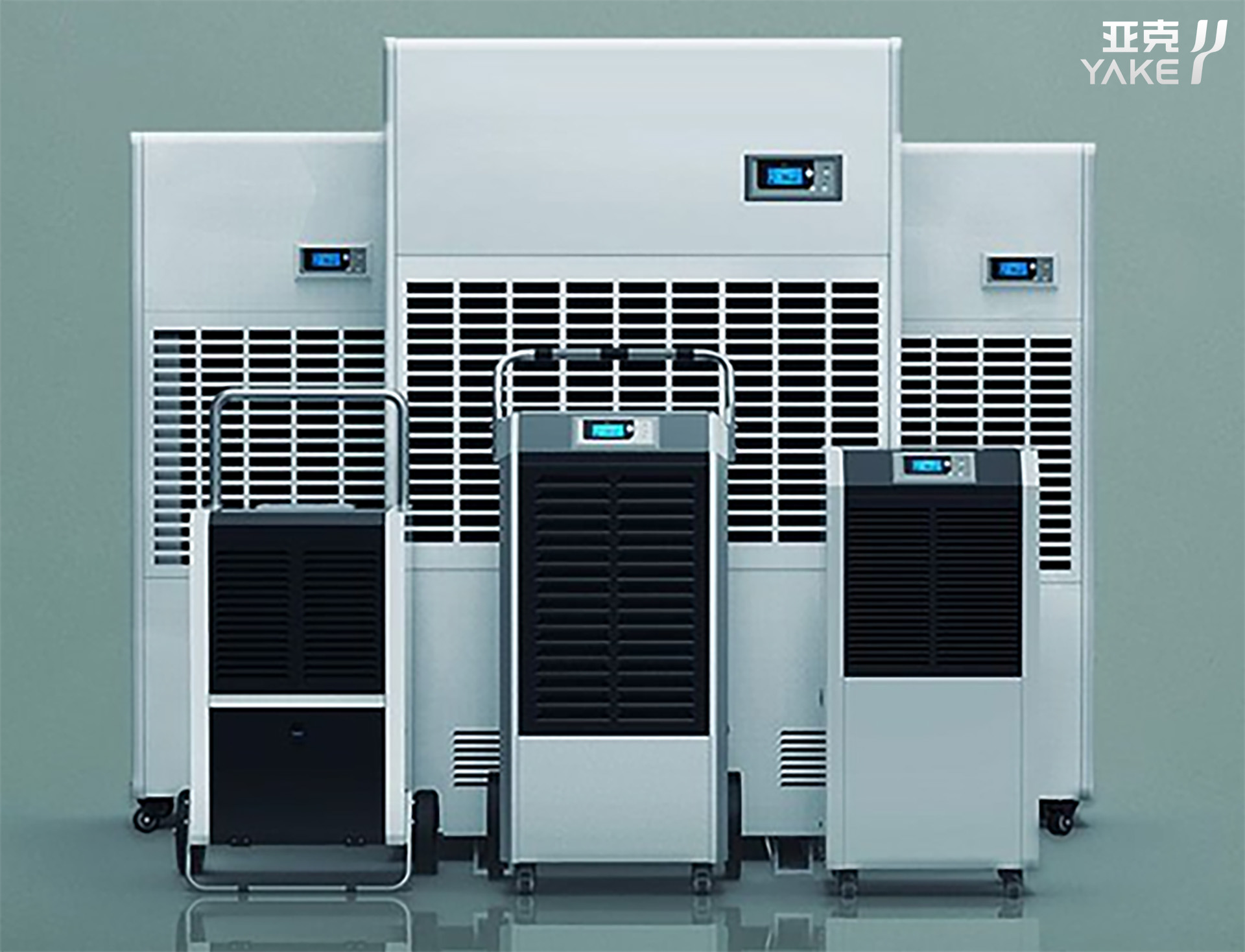
Contact us to find the best place to buy your Yakeclimate solution today!
Our experts have proven solutions to keep your humidity levels in check while keeping your energy costs low.